宗教法人が十分な社会的議論もないまま解散させられる――日本はなぜ、このような状況に至ったのか。仲正昌樹氏が振り返る。
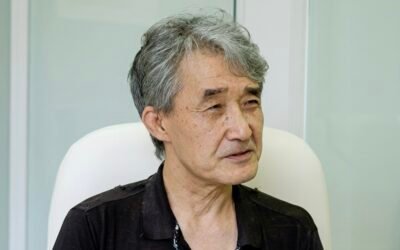

宗教法人が十分な社会的議論もないまま解散させられる――日本はなぜ、このような状況に至ったのか。仲正昌樹氏が振り返る。
Masaki Nakamasa reflects on how Japan reached a moment where a religious corporation can be dissolved without a real public debate
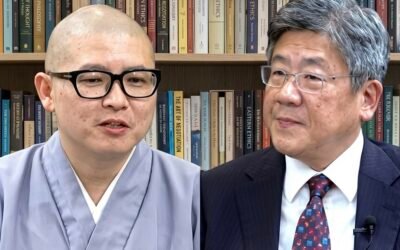
金剛寺の住職は、今回の解散命令を機に、宗教に対する扱いが変質し、あらゆる宗教団体が脅かされかねないと警鐘を鳴らす。
Kongoji Temple’s Chief Priest warns that the dissolution is reshaping Japan’s treatment of religion in ways that threaten every faith community.
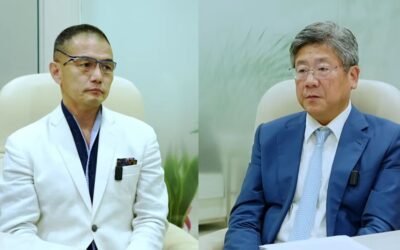
文芸評論家・小川榮太郎氏との対談を通じて、政治的圧力、過熱報道、そして信頼性に疑問がある証拠が、いかにして司法の失敗を招いたのかが明らかになる。

A journalist describes years of abductions, confinement, coerced renunciations, and litigation that shaped public hostility toward the Unification Church.
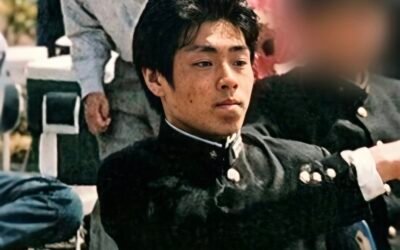
A journalist traces the chain of events that turned a single crime into a nationwide campaign against an innocent religious minority.
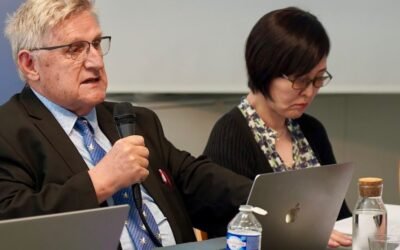
A bestselling author explains why her investigation reveals a profound crisis for religious liberty and constitutional guarantees in contemporary Japan.
A conversation with critic Eitaro Ogawa reveals how political pressure, media hysteria, and flawed evidence converged to produce a judicial failure.
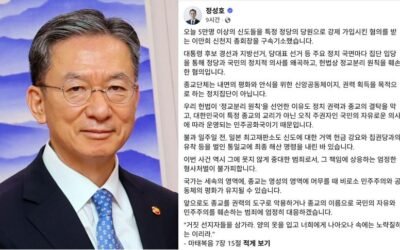
高齢の宗教指導者たちが拘束されるなか、法務部長官は「異端者」を糾弾するために聖書を引用し、日本で起きた出来事を称賛した。