Over-emphasizing the authority of their sources is a common anti-cult tactic. Nobody at the Victorian Inquiry double-checked their claims.

Anti-Cultism Down Under. 3. From Singer to Feliciano
read more

Over-emphasizing the authority of their sources is a common anti-cult tactic. Nobody at the Victorian Inquiry double-checked their claims.

False quotes of non-existent books are just one problem in the Victorian Inquiry report’s reliance on anti-cult apostate Patrick McIvor, who is mentioned 215 times.
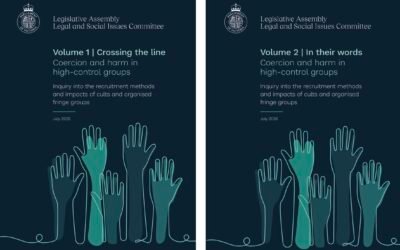
An email address leak confirmed a cavalier approach to handling documents and data, resulting in biased and unsubstantiated conclusions.
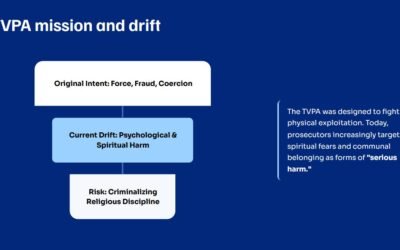
The U.S. Congress faces a decisive choice as forced-labor law expands into areas once considered protected belief and voluntary religious life.

Captured on CCTV broadcasts despite FIFA’s attempts at censorship, its waving was a significant fact for the Uyghurs—and the Chinese.

The anti-cult movement in Australia and internationally has shifted its focus from traditional targets to include conservative Christian groups.

The church is unpopular with other Baptists for its conservative theology, but the use of the “cult” and “brainwashing” rhetoric has dangerous ramifications.

Elderly religious leaders are kept in detention, while the politician quotes the Gospel against the “heretics” and hails what happened in Japan.

How the revival of discredited psychological‑coercion theories inside trafficking frameworks endangers every religious and spiritual community: a call to action.

What crime did the religious organization commit? Apparently, collecting donations to support its charitable endeavors abroad.