Ukrainian Orthodox Church priests face a painful dilemma: cooperate with the Russians, go to jail, or flee.
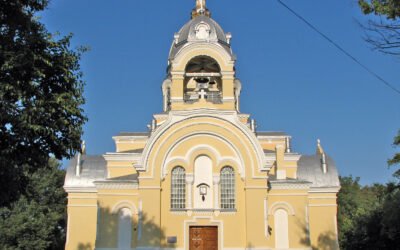
Occupied Eastern Ukraine: How Russians Stole 800 Churches. Part 3
read more

Ukrainian Orthodox Church priests face a painful dilemma: cooperate with the Russians, go to jail, or flee.
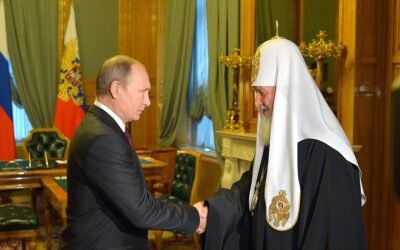
How did the Ukrainian Orthodox Church (UOC) react to the progressive stranglehold from 2022 to 2024?
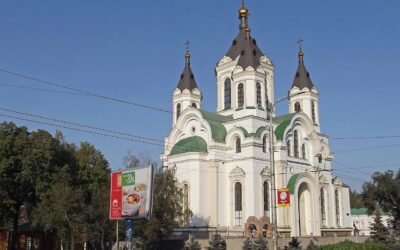
How did the Russian Orthodox Church and the Ukrainian Orthodox Church/ Moscow Patriarchate interact from 2014 to 2022?

Only one “victim” is named in the Argentine case. She has now decided to tell her true story to “Bitter Winter” in her own voice.

The court case is a classic example of anti-cult bias. The children should be allowed to return home.

How anti-cult prejudices led social workers to misinterpret the lives of children in the community.

What happened to the movement can only be understood by looking at decades of attacks against the “cults” based on the rhetoric of “saving the children.”

Masaki Nakamasa reflects on how Japan reached a moment where a religious corporation can be dissolved without a real public debate
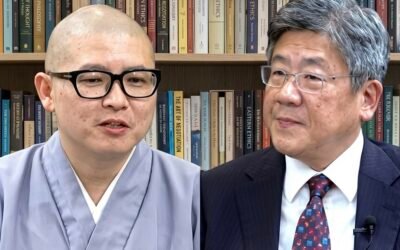
Kongoji Temple’s Chief Priest warns that the dissolution is reshaping Japan’s treatment of religion in ways that threaten every faith community.
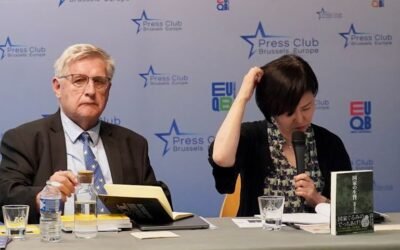
A journalist describes years of abductions, confinement, coerced renunciations, and litigation that shaped public hostility toward the Unification Church.