The violation of devotees’ human rights may meet the threshold for crimes against humanity under the Rome Statute.
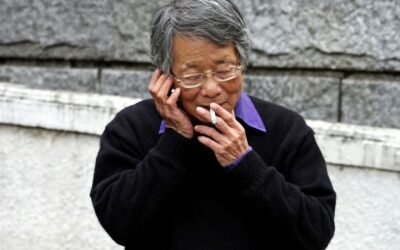

The violation of devotees’ human rights may meet the threshold for crimes against humanity under the Rome Statute.

Dado que los medios de comunicación sugieren que Rusia podría solicitar su extradición, conviene recordar a los tribunales argentinos que los disidentes no pueden esperar un juicio justo por parte de los tribunales rusos.

The court dissolved the Church based on “hypothetical” and “potential” rather than actual risks.

After the internal reform of 2009, contested cases of donations fell to almost zero.
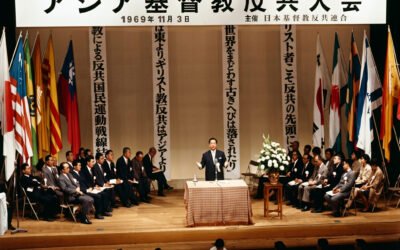
The court failed to prove that dissolving the church was “necessary in a democratic society.”

The High Court surreptitiously reintroduced the discredited and pseudoscientific theory of mind control.
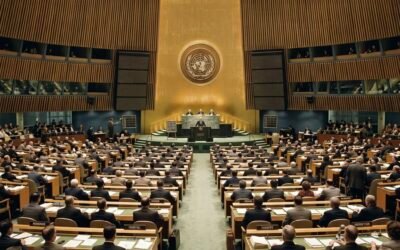
“Public welfare” and “social appropriateness” are not part of “public order” and are not admissible grounds to restrict freedom of religion or belief.

The restriction to freedom of religion the court imposed cannot be considered to be “prescribed by law” within the meaning of Article 18.3 of the Covenant.
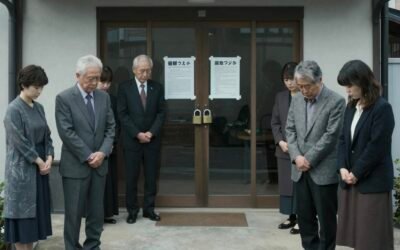
A detailed analysis by a leading French lawyer in preparation for the review of the case by Japan’s Supreme Court.
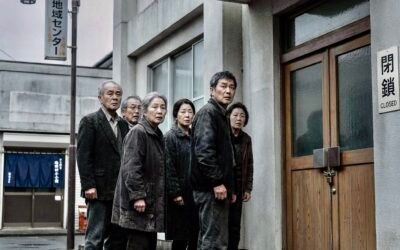
裁判所は、個々の信者が差別を受けることはないと保証する。だが現実はそれとは異なる。