Jailed in Russia, harassed in Montenegro, detained in Argentina: why a Siberian esoteric teacher may be the most persecuted guru of our time.
by Massimo Introvigne
Being a guru, a spiritual teacher, or the leader of a new religious movement has become a dangerous business. In many countries, the label “cult” is enough to set in motion media campaigns, anti-cult activists, and prosecutors, and accusations of “brainwashing,” sexual abuse, or human trafficking can send a spiritual leader to jail long before any court has examined the evidence. Even against this background, the case of Konstantin Rudnev is exceptional, because of its transnational dimension. Rudnev spent eleven years in Russian prisons, was harassed in Montenegro, where he had asked for asylum, and has been detained in Argentina since March 2025, accused of leading a “coercive transnational organization” engaged in human trafficking. Few, if any, contemporary spiritual leaders have been targeted in three different countries in a row. Rudnev may well be the most persecuted guru of our time.
This is why “Bitter Winter” has given his case more coverage than almost any other single case, and why we have collected it on this page. Since there are now many articles, this outline is offered to those who come across the Rudnev case for the first time and have no time to read dozens of texts. It summarizes what the case is about and where to look for more.
Repression has also produced a paradoxical effect. The Rudnev case has become perhaps the most studied contemporary case involving the leader of a new religious movement, examined by legal scholars, sociologists, and international lawyers. Luminaries such as Stephen Eric Bronner and the American sociologist and legal scholar James T. Richardson have written about it, together with internationally renowned human rights lawyers such as London’s Alessandro Amicarelli and Paris’ Patricia Duval. Their analyses converge on the same concerns: a prosecution built on foreign media reports and anti-cult stereotypes, the use of pre-trial detention as a form of pressure, and the disregard for the statements of the person the case claims to protect.
Some of them did more than write. Patricia Duval filed a complaint with the United Nations about Rudnev’s detention. Stephen Bronner, as President of the American Council on Justice and Conflict Resolution (ACJCR), signed this organization’s complaint with Argentina’s Office of the Attorney General against the mishandling of the Rudnev case by Prosecutor Fernando Arrigo, and other non-governmental organizations filed similar complaints.
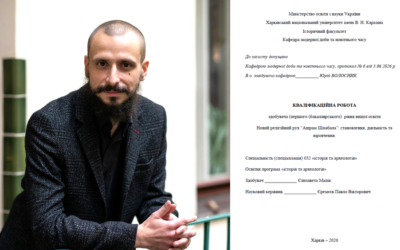
The sensational accusations also led scholars of esotericism to study in depth Rudnev’s esoteric system, which had received little academic attention before his arrest in Argentina. Leading scholars of new religious movements and esotericism have contributed to this effort. Canadian sociologist Susan Palmer explored how Rudnev reworked Siberian shamanic lore and the literary legacy of Carlos Castaneda’s Don Juan. Polish scholar Karolina Maria Kotkowska analyzed his novel “Secrets of the Dead,” a narrative about ghosts, souls, and the afterlife. Márk Nemes discussed his esoteric teachings and why some of them, taken out of context, became raw material for accusations. Their work shows that Rudnev’s ideas belong to a long history of Russian and international esotericism, whose themes investigators and journalists unfamiliar with it can easily misunderstand.
Eventually, a special issue of “The Journal of CESNUR” was devoted to Rudnev, with articles on his biography, the persecution in Russia, Montenegro, and Argentina, his teachings, his advanced students, the Russian anti-cult movement, and the media campaigns against him. A book on the Argentine case, “Dangerous Justice: Argentina’s Criminal System in the Mirror of the Rudnev Case,” edited by María Vardé and me, followed. Both can be downloaded free of charge, and other publications are being prepared.
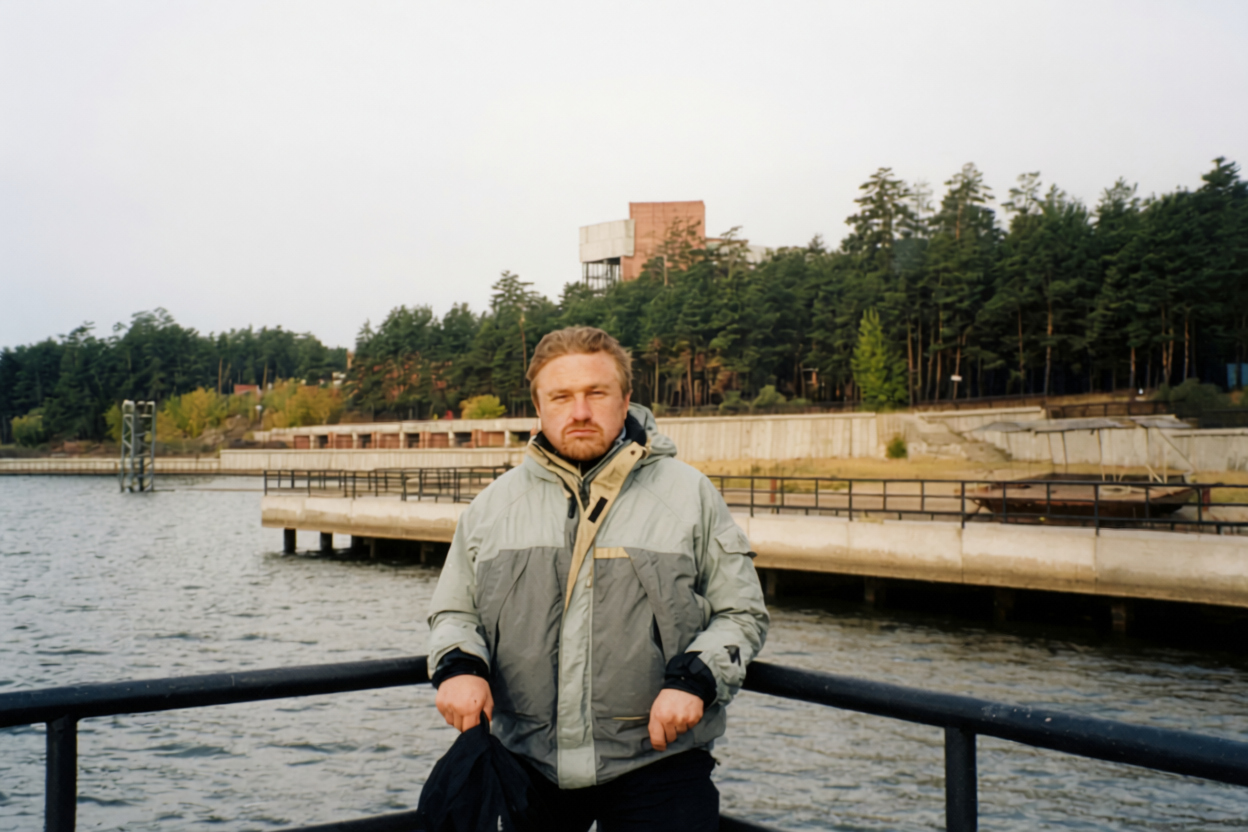
Who is Konstantin Rudnev? He was born in Novosibirsk, Siberia, on August 4, 1967. His religious grandmother, a survivor of Stalinist repression, was an early influence. As a teenager, he started practicing yoga at home with his brother, and after his military service he began teaching small groups. A yoga group formed around him in Novosibirsk in 1989. In 1991, he founded two registered associations, and in 1993 an ashram in Novosibirsk. The media popularized the name “Ashram Shambhala,” used to designate his followers, around 1999; Rudnev never founded an organization with that name. His teachings combine yoga, Eastern spiritual traditions, Siberian shamanism, and Western esotericism into an original synthesis that emphasizes personal liberation from social conditioning.
Rudnev was also a critic of the political system. His criticism started in Soviet times and continued after the fall of the Soviet Union, when he unmasked the authoritarian nature of the post-Soviet regime, criticized leaders of the Russian Orthodox Church, and spoke out against Vladimir Putin. This was a main reason for his persecution. Russian anti-cultists, led by Alexander Dvorkin, an employee of the Moscow Patriarchate who was for years Vice President of the European anti-cult federation FECRIS, presented him in the media as a swindler and a dangerous cult leader. Rudnev was arrested in 2010. In 2013, a Novosibirsk court sentenced him to eleven years in a strict-regime colony for drug offenses and for the alleged sexual abuse of one woman, whose testimony changed during the investigation and trial. A charge of creating a religious association that infringed on citizens’ rights was time-barred. Defense lawyers and international experts have regarded the evidence as fabricated or unreliable. In 2014, a court banned “Ashram Shambhala” as an informal group. Rudnev was released on September 26, 2021, and left Russia.
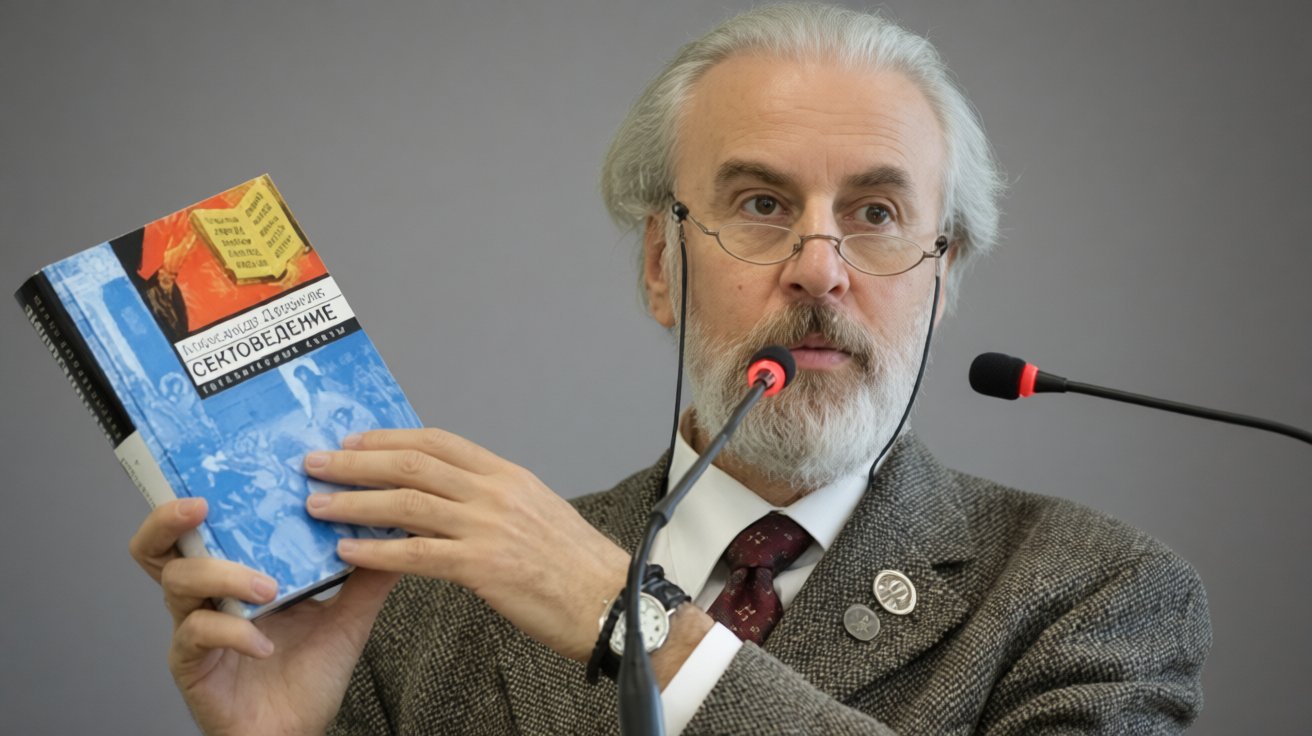
Russian state media portrayed Rudnev as a sexual predator, a black magician, a drug dealer, and a danger to children, adding stories of suicides and buried bodies for which no evidence was ever produced. A peculiar feature of the case is that Russian anti-Putin dissidents and opposition media, influenced by Western anti-cultists, also swallowed the state propaganda and repeated the same themes, relying on prosecutors, apostates, and anti-cult “experts.” As Rosita Šorytė has documented in her study on how Russian media manufactured a monster, anti-cult ideology crossed political lines, and the image of Rudnev created by the Kremlin’s media reached the West through the voices of the Kremlin’s opponents.
In February 2022, Rudnev entered Montenegro, where he applied for international protection. His application was rejected, and the Administrative Court upheld the rejection in November 2024. Meanwhile, routine police checks, including a document check of hotel guests during an anti-Putin conference in Bar in April 2024, and an unrelated incident involving tourists in Žabljak were reported by Montenegrin and Russian media as evidence of the activities of a dangerous “cult.” No criminal proceedings were ever initiated against Rudnev in Montenegro, but the Montenegrin press clippings later found their way into the Argentine file.
The Argentine case started in a hospital in San Carlos de Bariloche, Patagonia. In January 2025, Elena Makarova, a young Russian woman who had left a violent partner, arrived in the city to give birth in peace. Neither she nor her mother’s friend who accompanied her spoke Spanish, and misunderstandings with hospital staff multiplied. A nurse thought she looked younger than her passport said and interpreted her silence as fear, and a white rose Makarova offered as a token of gratitude was read as a coded request for help. Staff insisted on documents about the child’s father, and the women produced a photocopy of Rudnev’s passport found in the apartment where they were staying, whose owner was helping Rudnev and his wife with their Argentine residence permit applications. Makarova had never met Rudnev, and DNA tests later confirmed that he was not the father.
After Makarova’s cesarean delivery, police and prosecutors intervened. She woke up without her phone, separated from the people who helped her communicate, and was later moved to a shelter far from Bariloche. On March 28, 2025, Rudnev, his wife, and other Russian citizens were arrested at Bariloche airport. In April, the federal prosecutors of Bariloche, led by Fernando Arrigo, accused twenty-one people of belonging to a “coercive transnational organization” hiding behind spirituality and yoga, and charged them with trafficking for sexual exploitation and servitude, the attempted alteration of the newborn’s identity, immigration offenses, and drug transportation. As Argentine anthropologist María Vardé shows in a detailed study, much of this picture was borrowed from Russian and Montenegrin media and from anti-cult narratives. Tablets presented to the media as containing cocaine were found by Gendarmerie laboratories to contain no illegal substances, and the “hallucinogenic” mushrooms were ordinary dried mushrooms, yet the narcotics allegation survived in court decisions.

Rudnev was the only defendant kept in pre-trial detention. In a high-security prison in Rawson, he lost a large part of his body weight and his health seriously deteriorated, as Patricia Duval has documented. House arrest, granted on health grounds in January 2026, was revoked by a review court a week later. In April 2026, the court extended the investigation and Rudnev’s detention until April 2027. A second house arrest, ordered in April and implemented in May, was revoked in June by the Federal Court of Criminal Cassation, and in July Rudnev was urgently hospitalized after surgery. More than a year and a half after his arrest, investigators are still translating and examining the material seized in 2025. At the hearing on the extension of the investigation, the prosecution admitted it had relied on Google Lens to translate Russian documents, and that an official translation was now required. Yet words such as “command,” “obedience,” and “punishment,” read into those provisional translations, had been used to describe a hierarchy and to justify detention.
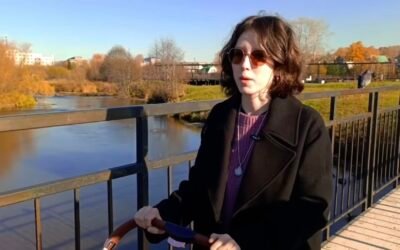
The prosecution’s weakest point is its only alleged victim. Makarova has always denied having been the victim of anyone. She returned to Russia, where she lives with her son and her family, and she has told her story in her own words in “Bitter Winter,” describing the pressure she was subjected to after giving birth: she was kept for weeks without the lawyer she had chosen, had to breastfeed in front of police officers, and was told that her baby could be taken away if she did not declare herself a victim. Her lawyers are asking Argentine courts to hear her testimony, and she has filed a complaint against the prosecutors. She has also announced that she will support the defendants’ requests for dismissal. Prosecutors answer that, in trafficking cases, victims may not perceive themselves as victims. The problem is that, if her very denials are taken as evidence of coercion, nothing she says can ever count.
Beyond Rudnev’s personal fate, the case has become a test for the Argentine judicial system. “Dangerous Justice” documents serious irregularities in the conduct of the prosecutors and judges who have handled it, from the uncritical use of foreign media reports and machine translations as evidence to the repeated recourse to pre-trial detention against a sick man and the treatment of the alleged victim. Rudnev’s former lawyer has filed a complaint alleging that case materials were falsified. Besides the complaints filed with the Office of the Attorney General, thousands of people have signed petitions calling for Prosecutor Fernando Arrigo’s removal from office, and human rights organizations are asking for investigations into the conduct of the other prosecutors and judges involved. The longer the prosecution drags out the case, as it seems determined to do, the more likely it is that further irregularities will come to light. Human rights organizations around the world will continue to press for a thorough investigation. If the alleged falsifications and abuses are substantiated, those responsible should be held accountable, and few would see any reason to keep in office the protagonists of an international scandal of this magnitude.
The Rudnev case is far from over. For those who want to follow it, the articles collected on this page offer documents, analyses, and updates from Russia, Montenegro, and Argentina. They tell the story of a man who has spent most of the last sixteen years in jail or under investigation, and of how stereotypes about “cults,” once they cross borders, can acquire a life of their own.
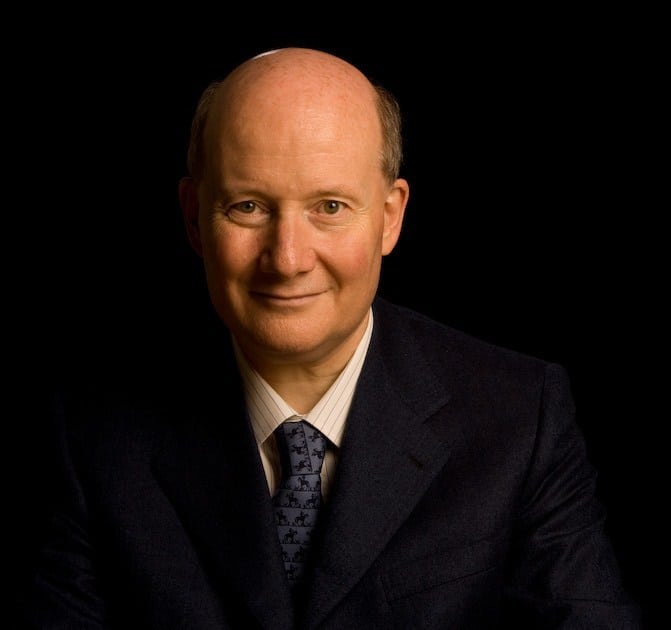
Massimo Introvigne (born June 14, 1955 in Rome) is an Italian sociologist of religions. He is the founder and managing director of the Center for Studies on New Religions (CESNUR), an international network of scholars who study new religious movements. Introvigne is the author of some 70 books and more than 100 articles in the field of sociology of religion. He was the main author of the Enciclopedia delle religioni in Italia (Encyclopedia of Religions in Italy). He is a member of the editorial board for the Interdisciplinary Journal of Research on Religion and of the executive board of University of Pennsylvania Press’ Nova Religio. From January 5 to December 31, 2011, he has served as the “Representative on combating racism, xenophobia and discrimination, with a special focus on discrimination against Christians and members of other religions” of the Organization for Security and Co-operation in Europe (OSCE). From 2012 to 2015 he served as chairperson of the Observatory of Religious Liberty, instituted by the Italian Ministry of Foreign Affairs in order to monitor problems of religious liberty on a worldwide scale.