Two October decisions in Argentina, on Elena Makarova’s request for a fuller statement and on forensic medical advice, raise questions about how evidence contradicting the accusation is weighed.
by Hans Noot
In October 2026, the case against Russian spiritual teacher and dissident Konstantin Rudnev in San Carlos de Bariloche raised two questions: how to weigh the alleged victim’s account, and how to act on the findings of the court’s doctors.
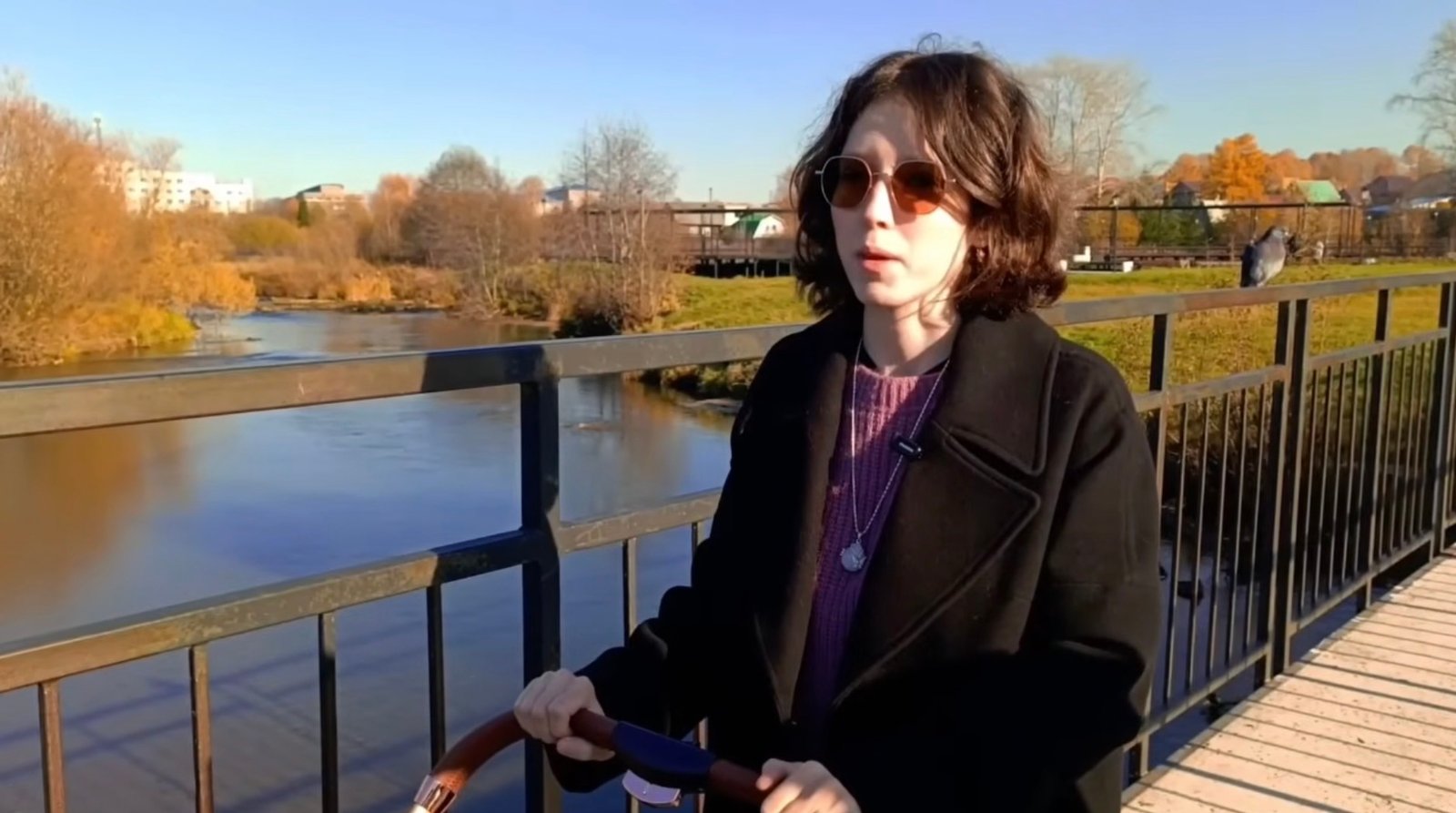
Elena Makarova, identified in the file by the initials “R.T.,” is the only named victim in the case. She has publicly and consistently denied being a victim of Rudnev. “I am not a victim of anybody except the Argentine prosecutors,” she wrote in “Bitter Winter.” The prosecutors interpret her denial as evidence that she is “brainwashed” or under Rudnev’s “coercive control,” although he has been in custody in Argentina while she lives in Russia with her child. The case began in March 2025 with a hospital referral concerning Makarova, then a pregnant Russian woman in Bariloche. Her account, and the prosecutors’ interpretation of it, lie at the heart of this part of the case.
In October, Makarova’s lawyers asked that a fuller statement be taken as early evidence under Article 262 of the Federal Code of Criminal Procedure, covering matters omitted from her three earlier statements. Rudnev’s defense supported the request, while the prosecutors opposed it. Federal Judge Leandro Gómez Constenla rejected it in a decision notified on October 23.
The judge distinguished between hearing Makarova again and recording her statement as early evidence. He said he was neither assessing her credibility nor preventing her from supplying new information. In his view, the conditions for early evidence were not met, and she could testify at trial by videoconference. That procedural position is defensible. It leaves untouched, however, the unusual alignment of the parties: the alleged victim and the accused both wanted her voice recorded now, while the public prosecutor, whose office is meant to protect victims, opposed the request. This is at least the third such request, since two similar ones were rejected in 2025. Makarova has already testified three times, once in a Gesell chamber—a recorded interview room for vulnerable witnesses—and maintains that Rudnev committed no crime against her. She has, in other words, been heard, and the problem lies with the repeated postponement of her request to place a fuller account on the record.
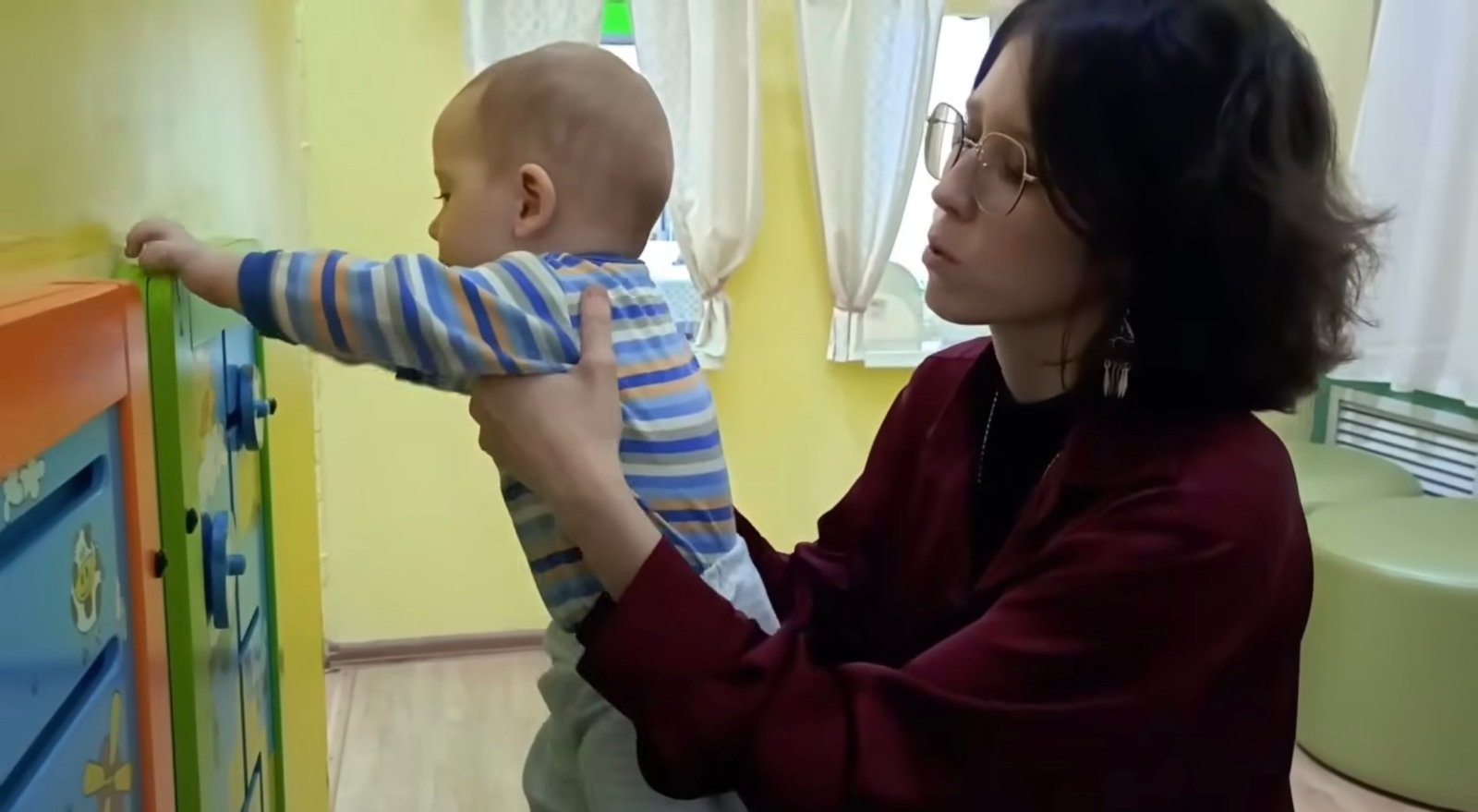
In June 2025, Makarova even wrote to the judge denying that she was a victim and asking to be removed from that status. The disciplinary complaint filed on November 2 by the European Muslim Initiative for Social Cohesion (EMISCO) alleges that her letter was not promptly brought to the judge’s attention.
On October 1, doctors of the judiciary’s Forensic Medical Corps examined Rudnev and found an apparently progressive neurological syndrome with possible cardiorespiratory involvement, judging him unfit for prison. They also advised against continued recovery at home, recommending a high-complexity medical center with reinforced security.
The dispute thus goes beyond the alternative between prison and home. The question is how to reconcile hospital admission with the treating neurologist’s warning against any transfer, and how to find a facility able to receive him.
On October 9, auxiliary prosecutor Gustavo Révora sought Rudnev’s urgent transfer to the Fernández Hospital in Buenos Aires. The judge granted the request without hearing the defense, despite the neurologist’s warning. According to the family, the hospital declined to admit him for lack of beds.
The hospital admission ordered as urgent on October 13 did not take place until more than two weeks later, and then only after an emergency. On October 29, the judge ordered Rudnev’s admission to a public hospital in Cañuelas, the Hospital Regional Cuenca Alta Néstor Kirchner. That night, at his home in San Vicente, Rudnev suffered a hypertensive crisis, with blood pressure of 210/120, and an ambulance took him to the cardiology ward of the Monte Grande clinic. He had been treated there before, and his medical records were kept there. The defense had asked for this clinic all along.
The matter is also before the courts. The defense has challenged the Cañuelas order under the Patients’ Rights Law, while a complaint against the Cassation ruling that revoked his house arrest is still pending before the Supreme Court. The prosecution, as reported by “La Nación,” argues that a high-complexity hospital next to the Rawson federal prison could treat Rudnev, and that repeated medical procedures have delayed both his return to prison and the case.
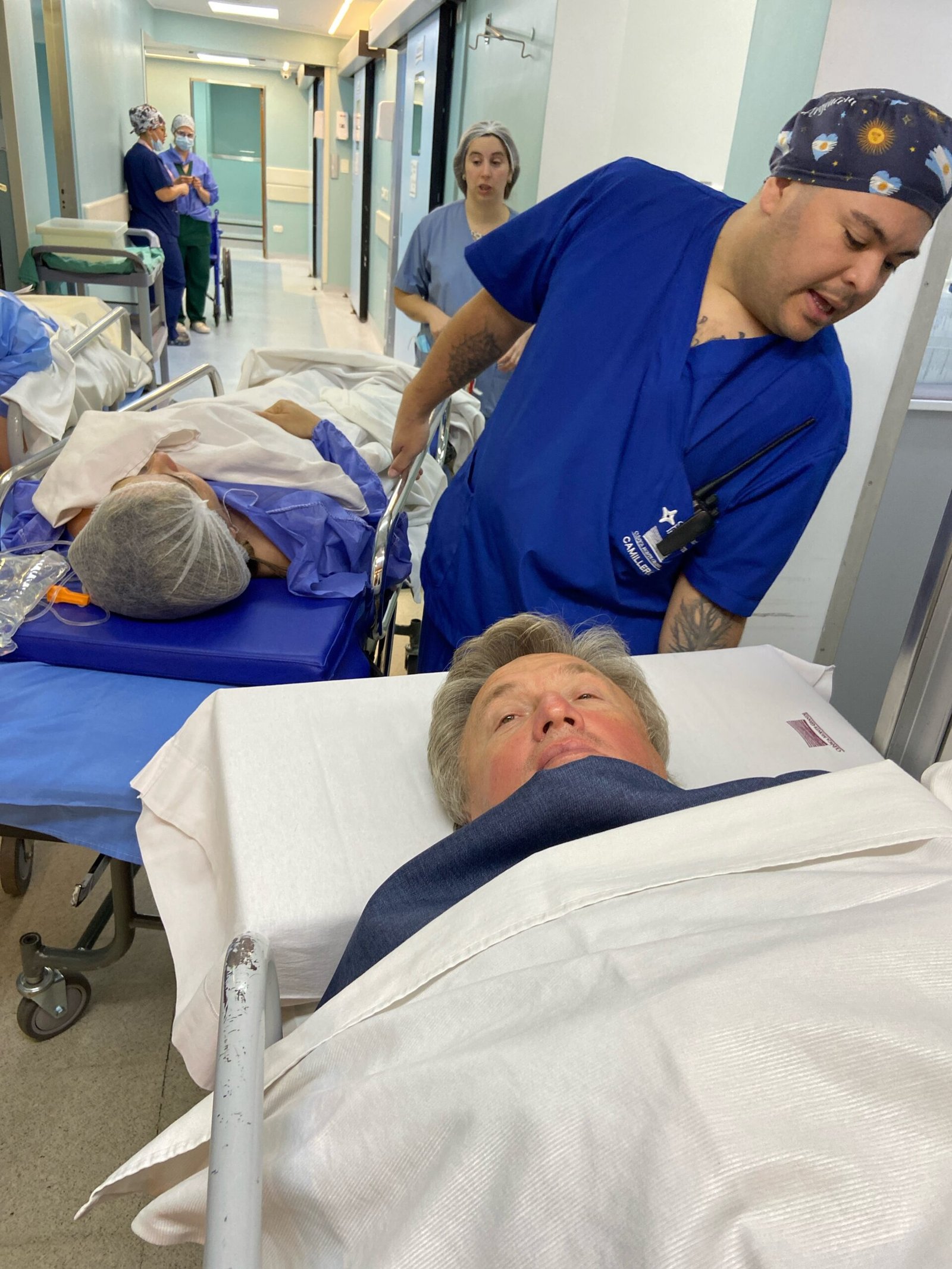
Taken together, the decisions on hearing the alleged victim and the doctors raise a question about how the proceedings handle evidence that challenges their assumptions. Neither decision alone proves bad faith, and the developments described here do not by themselves measure the strength of the entire prosecution case.
More than nineteen months after the raids, investigators say they are still trying to open an encrypted hard drive. They hope it will support a theory that a round hut on the property was fitted with cameras to film wealthy visitors for extortion. “Infobae” stresses that this remains a line of inquiry, which has never been established in court. The defense, for its part, says that the “narcotics” mentioned in the original charges were sleeping pills and cooking mushrooms. Disputed claims of this kind should be kept separate from established findings. With the only named victim denying any crime, the risk is that the label “cult leader” may be doing the work that evidence should do, on the strength of a reputation built in Russia and imported into Argentina without independent verification.
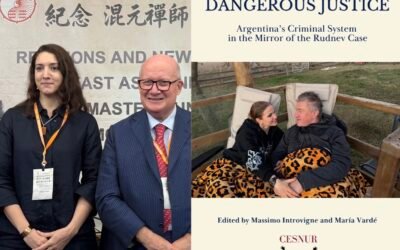
The new CESNUR volume “Dangerous Justice” offers two perspectives for understanding these concerns: how victimhood is interpreted, and how pre-trial detention is used.
Cecilia Varela and María Vardé of the University of Buenos Aires show how Argentine anti-trafficking practice absorbed anti-cult concepts such as “coercive persuasion.” Under that approach, a woman’s refusal to call herself a victim is read as further proof that she is one. Makarova’s position exposes the problem. She is an adult who has asked, in writing and through her lawyers, to be heard and to be removed from victim status. If her denial is treated as proof of coercion, protection risks turning into a framework in which her voice counts only when it confirms the accusation.
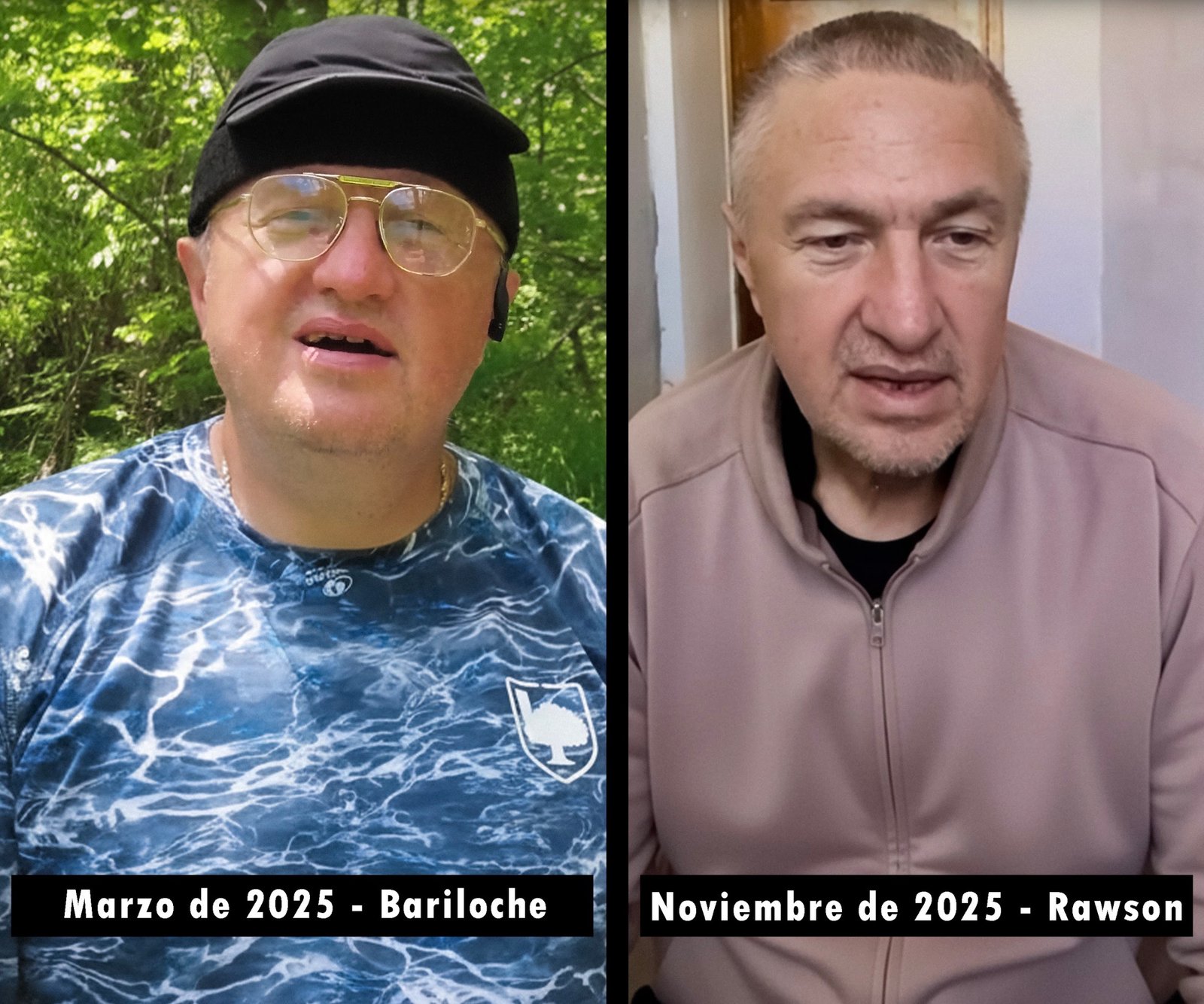
On detention, Ezequiel Kostenwein explains why a measure the law regards as exceptional has become routine in Argentine practice. Patricia Duval argues that in Rudnev’s case detention has been used to pressure him into accepting an abbreviated trial in exchange for a confession, which he refused. Rudnev was first detained for one year, and his detention was then extended to April 2027. These contributions frame the issues discussed here, without dispensing with the need to examine the evidence in this individual case.
International standards place the justification for pre-trial detention at the center of the question. Article 9(3) of the International Covenant on Civil and Political Rights states that “it shall not be the general rule that persons awaiting trial shall be detained in custody.” The UN Human Rights Committee has repeatedly insisted that courts examine whether less intrusive measures can serve the same purpose.
Rudnev’s detention for more than nineteen months, the court doctors’ finding that he is unfit for prison, and the only named victim’s denial of any crime make this review urgent. Whether detention is justified remains an open question, yet these circumstances call for a convincing explanation of why it is necessary and why less intrusive measures would not suffice. Reports that Russia may seek his extradition add a separate worry, as a dissident could be returned to the system that sentenced him to eleven years in 2013.
The immediate priorities are medical care, the treatment of Makarova’s testimony, and accountability. Three steps would help restore credibility to the proceedings.
First, Rudnev should receive suitable high-complexity care, as the forensic doctors recommended, with due weight given to the advice of his treating doctors and respect for his rights as a patient.
Second, Makarova’s testimony should be weighed as evidence instead of being explained away as a symptom.
Third, Argentina’s Office of the Attorney General should examine the disciplinary complaints against Chief Prosecutor Fernando Arrigo and separate substantiated findings from allegations. They include one filed on October 13 by the American Council on Justice and Conflict Resolution and one filed by EMISCO on November 2, which asks for his removal from the case. A complaint is no proof of misconduct in itself, and both deserve careful examination. Separately, the UN Working Group on Arbitrary Detention, which has already received a submission on the case, has good reason to look closely at the detention issues described here.
A justice system shows its strength in its ability to listen to evidence that challenges its first assumptions. In Bariloche, Makarova has asked to give a fuller account, and the court’s doctors have set out their findings. Those voices may or may not settle the case. What matters is whether the authorities can explain how they have weighed them—and how that assessment shapes Rudnev’s care, his detention, and the next steps in the proceedings.

Hans Noot is president of the Dutch Gerard Noodt Foundation for Freedom of Religion or Belief (GNF), named after the Dutch legal scholar and champion of religious liberty Gerard Noodt (1647–1725). He is a member of the International Advisory Board of the International Center for Law and Religion Studies (ICLRS) at Brigham Young University, Provo, Utah, and co-organizer of “Breed Overleg Godsdienstvrijheid” (Wider Consultation on Religious Freedom), an initiative with the Dutch Ministry of Foreign Affairs.