Why the accusation that returned a Russian dissident to prison dissolves when examined through science rather than speculation.
by Massimo Introvigne
When Argentina’s Court of Cassation revoked the house arrest of Russian spiritual teacher and dissident Konstantin Rudnev, it leaned heavily on one dramatic claim: that he and his “cult” were at the center of a coordinated drug‑trafficking operation. The Prosecutor’s Office insisted that the case involved psychotropic substances, couriers under Rudnev’s authority, and a synchronized attempt to flee the country. The judges accepted this narrative and treated it as a decisive element in their ruling.
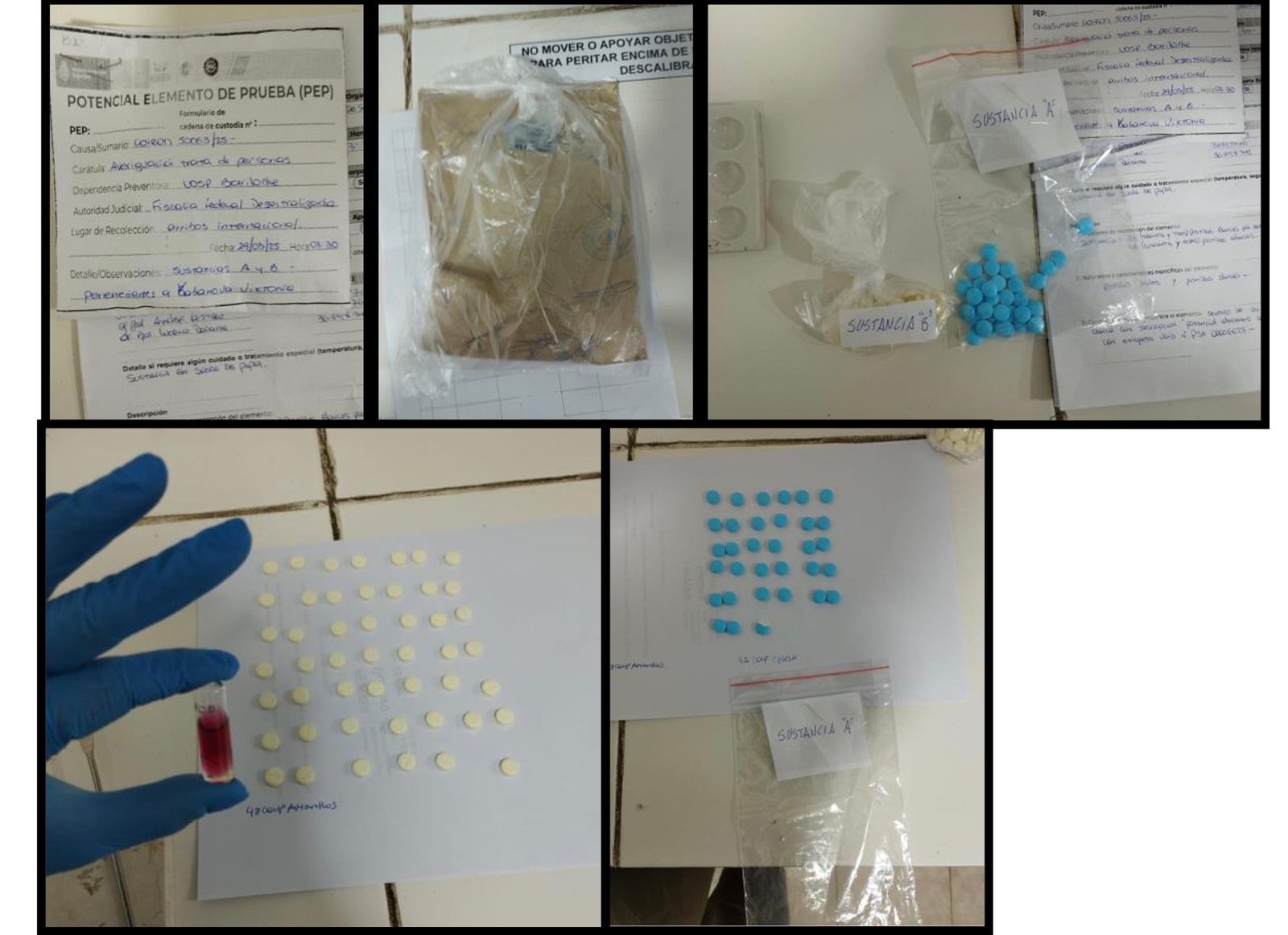
According to the decision, two women, T.K. and V.K., were intercepted at the Bariloche airport while about to board the same flight as Rudnev, carrying 131 pills described as psychotropic. The ruling states that the timing and location of their interception, which coincided with Rudnev’s arrest, should be seen as part of a larger coordinated plan. It adds that substances seized during police raids support the idea of a transnational criminal organization under Rudnev’s leadership. The language is confident, the theory detailed, and the conclusion severe.
There is only one problem. The forensic evidence dismantles the entire structure.
The pills carried by T.K. and V.K. were examined by the Gendarmería Nacional’s forensic laboratory in Bariloche. The experts conducted colorimetric tests and gas chromatography, following national protocols. Their conclusion is unambiguous. The report states that the samples contained no cocaine and no MDMA. It explains that the chromatographic profiles showed no peaks corresponding to the suspected substances and that the analysis identified an absence of cocaine and ecstasy. The tablets were ordinary pharmaceutical products, not illegal drugs.
The second forensic report examined nineteen samples of dried mushrooms and three vials of liquid seized during raids in a home rented by defendant K.T., a home with no relations with Rudnev. The analysis was performed by the national division responsible for identifying narcotics, using gas chromatography and mass spectrometry. The conclusion is equally direct. The samples did not contain any psychotropic substances listed under Argentine law nor any narcotics covered by the relevant decree. The mushrooms were simply mushrooms used for cooking, and the liquids were chemically unremarkable.
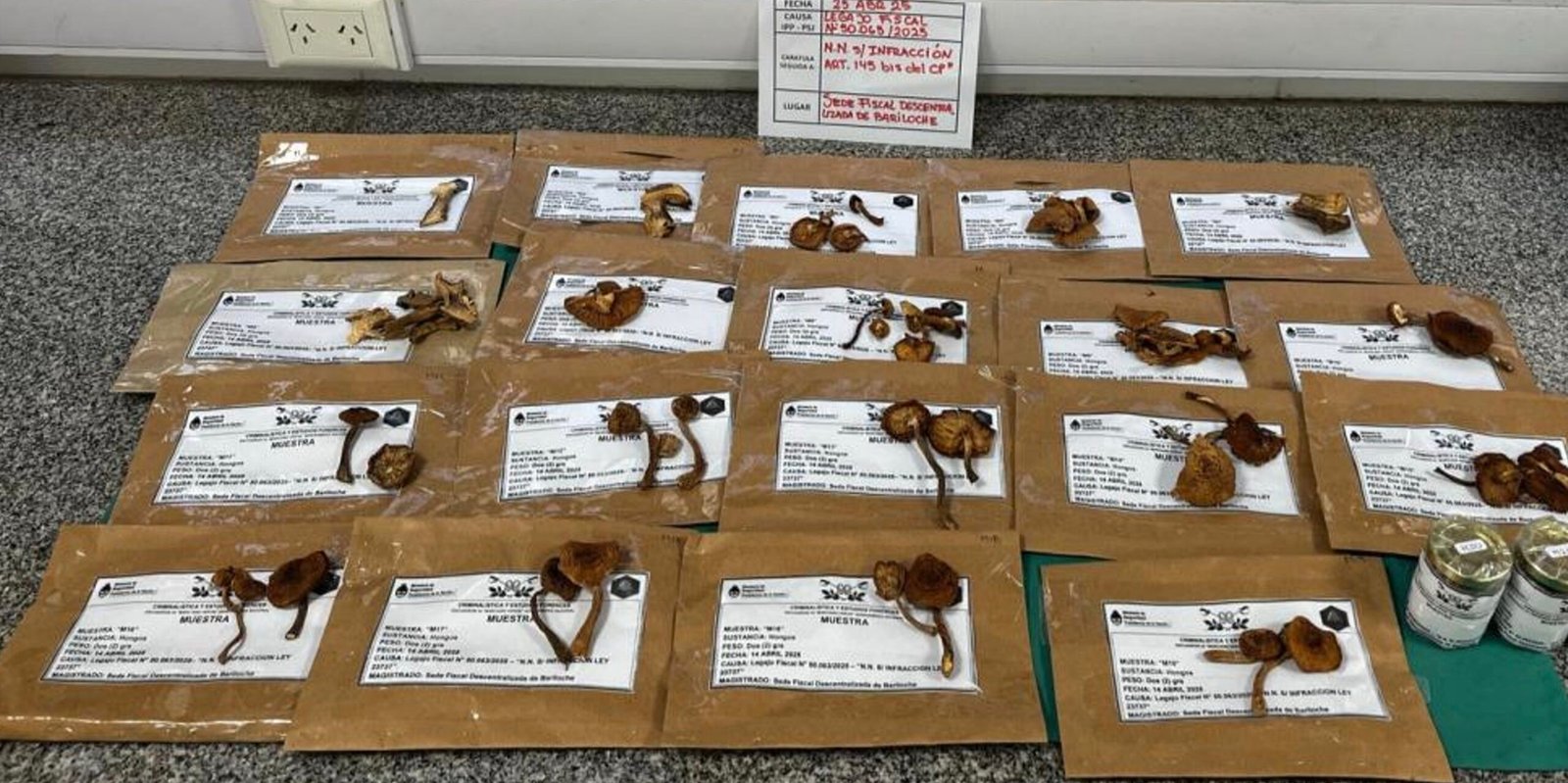
These reports were produced by state laboratories, not by the defense. They were completed in 2025, long before the Cassation ruling. Their conclusions were available to the Prosecutor’s Office and to the courts. Even some media published them. They establish that the substances seized in the case are not drugs. They also eliminate the factual basis for the accusation that the women were transporting narcotics or that the raids uncovered illegal substances. The entire drug‑trafficking narrative rests on an assumption that the forensic evidence directly contradicts.
The Cassation decision nevertheless treats the alleged presence of drugs as a central element of procedural danger. It frames the pills and the seized materials as evidence of a coordinated criminal operation. Yet, the scientific reports state that the pills are ordinary tablets and the mushrooms and liquids contain no controlled substances. The accusation of drug trafficking is therefore unsupported by the very evidence produced by the national police. The decision to revoke house arrest relied on a factual premise that the forensic record does not sustain.
The Rudnev case continues to raise questions about the circulation of unverified narratives, the weight given to assumptions, and the difficulty of correcting errors once they enter the judicial process. The forensic evidence is unequivocal. The substances seized in this case are not drugs. The legal consequences of this fact remain to be addressed by the courts, and the implications for the defendants are considerable.

Massimo Introvigne (born June 14, 1955 in Rome) is an Italian sociologist of religions. He is the founder and managing director of the Center for Studies on New Religions (CESNUR), an international network of scholars who study new religious movements. Introvigne is the author of some 70 books and more than 100 articles in the field of sociology of religion. He was the main author of the Enciclopedia delle religioni in Italia (Encyclopedia of Religions in Italy). He is a member of the editorial board for the Interdisciplinary Journal of Research on Religion and of the executive board of University of Pennsylvania Press’ Nova Religio. From January 5 to December 31, 2011, he has served as the “Representative on combating racism, xenophobia and discrimination, with a special focus on discrimination against Christians and members of other religions” of the Organization for Security and Co-operation in Europe (OSCE). From 2012 to 2015 he served as chairperson of the Observatory of Religious Liberty, instituted by the Italian Ministry of Foreign Affairs in order to monitor problems of religious liberty on a worldwide scale.