信者、活動家、被害者たちとの出会いを通じて、中川晴久牧師が目の当たりにしたのは、支配的な社会的言説の陰に隠された人権危機だった。
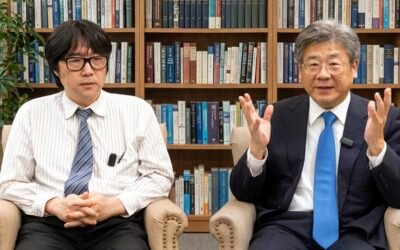

信者、活動家、被害者たちとの出会いを通じて、中川晴久牧師が目の当たりにしたのは、支配的な社会的言説の陰に隠された人権危機だった。
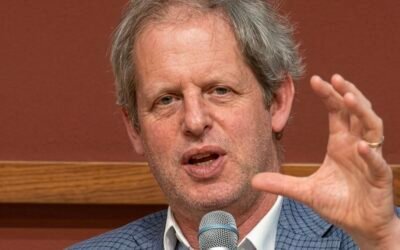
A growing constitutional conversation now surrounds the case, extending far beyond the fate of a single spiritual community.

How old ideological habits survive in new forms and shape the way some Russian skeptics reconstruct the Rudnev case
How Haruhisa Nakagawa’s encounters with believers, activists, and victims revealed a human rights crisis concealed behind a powerful public narrative.
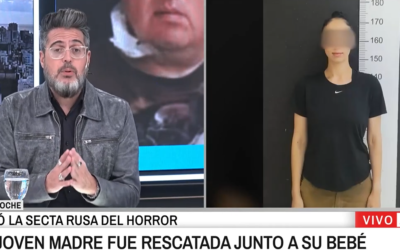
A study of how major outlets reacted when informed that their reporting relied on compromised sources, and why some continue to resist correction.
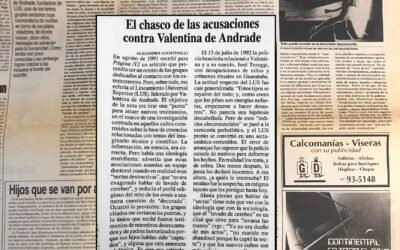
Los casos de la década de 1990 demuestran cómo la retórica de la “secta” destruyó reputaciones y dio lugar a acusaciones falsas en Argentina. La historia se repite en el caso Rudnev.
Cases from the 1990s demonstrate how “cult” rhetoric destroyed reputations and led to false accusations in Argentina. The story repeats itself in the Rudnev case.

The global map of religious persecution is disheartening. Challenging media narratives could begin by putting journalists, anti-cultists, and the groups they criticize in the same room.

How anti-cult prejudices led social workers to misinterpret the lives of children in the community.

What happened to the movement can only be understood by looking at decades of attacks against the “cults” based on the rhetoric of “saving the children.”