The statute allowing dissolution should be interpreted restrictively. This is not reflected in the High Court’s decision.
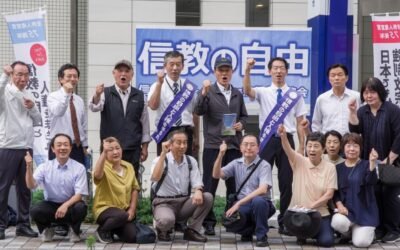

The statute allowing dissolution should be interpreted restrictively. This is not reflected in the High Court’s decision.

Freedom of religion or belief should always be taken into account when dealing with the dissolution of a religious body.

The path to full freedom of association in France was long and not easy. What was achieved there has inspired scholars of the Japanese Constitution.

The associations’ right to exist and operate as legal persons is a fundamental, universal right. The Japanese Constitution also recognizes it.

A leading Japanese Constitutional Law scholar offers a critical analysis of the High Court decision.
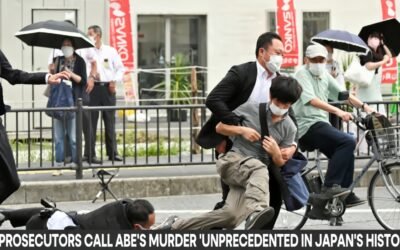
Why the dissolution of the Family Federation raises constitutional alarms.

Campaigns targeting “cults” for their leaders’ real or alleged wrongdoings cause massive unnecessary and innocent suffering.

裁判所は、実際のリスクではなく、「仮説的」かつ「潜在的な」リスクに基づいて教会を解散させた。

2009年の内部改革後、献金に関する係争事件はほぼゼロにまで減少した。
裁判所は、教会の解散が「民主主義社会において必要不可欠である」ことを証明できなかった。