法人解散後もなお、弁護士や競合する宗教団体が、いかに信者を標的とした措置を日本に推し進めてきたか。

法人解散後もなお、弁護士や競合する宗教団体が、いかに信者を標的とした措置を日本に推し進めてきたか。
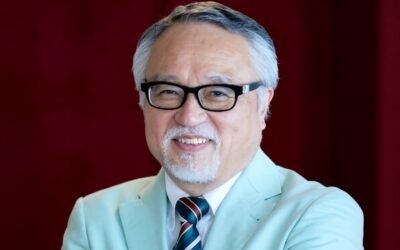
New schoolbased procedures instruct educators to identify and monitor children from Unification Church families, raising concerns about privacy violations.
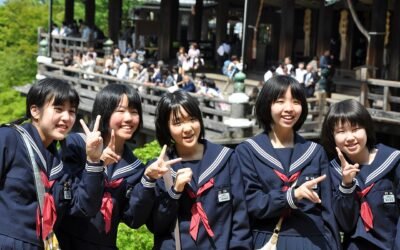
New state policies introduce schoolbased programs designed to reshape the thinking of minors from Unification Church families.
Unification Church in Japan: After the Dissolution, the Purge. 2. Targeting Believers’ Children
How lawyers and religious competitors have pushed Japan toward measures that target believers even after the organization’s dissolution.
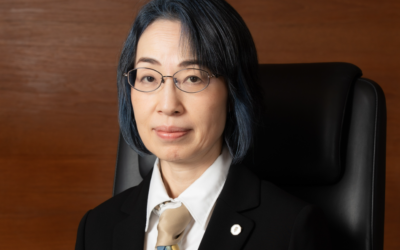
反統一教会セミナーに参加し彼らの主張に同調した裁判官、引き続き審理に加わる。司法の信頼性に深刻な懸念が高まっている。
A judge who attended an antiUnification-Church seminar and echoed its claims remains on the panel, raising grave concerns about judicial credibility.
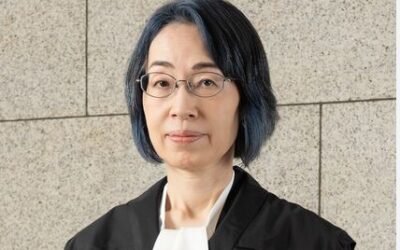
かつて反カルト・セミナーで当該宗教団体を非難した裁判官は、公平ではなく、忌避されるべきである。
A judge who once attacked the religious organization at an anti-cult seminar is not impartial and should be recused.
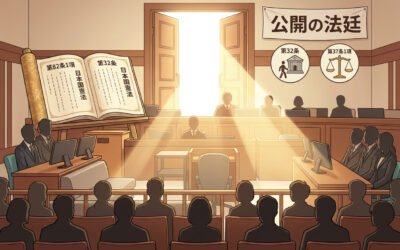
A case of such importance and consequences should have been conducted in open court. That it was not was a further violation of the Constitution.