信者、活動家、被害者たちとの出会いを通じて、中川晴久牧師が目の当たりにしたのは、支配的な社会的言説の陰に隠された人権危機だった。


信者、活動家、被害者たちとの出会いを通じて、中川晴久牧師が目の当たりにしたのは、支配的な社会的言説の陰に隠された人権危機だった。

一つのナラティブがいかに制度をのみ込み、信教の自由を危機にさらしたのか。文芸評論家、弁護士、元国会議員の三人が検証する。 マッシモ・イントロヴィニエ Read the original article in English. 鼎談:徳永信一氏、浜田聡氏、小川榮太郎氏...
How Haruhisa Nakagawa’s encounters with believers, activists, and victims revealed a human rights crisis concealed behind a powerful public narrative.

A writer, a lawyer, and a former legislator examine how a single narrative overtook institutions and placed religious freedom at risk.

政治家たちは、メディアの圧力に抵抗できなかった、あるいはしようとしなかった。キリスト教もまた、数十年にわたる左翼のプロパガンダの影響を受けた。

二人の知識人による対談は、信教の自由を守るべき立場の人々が声を上げないまま、解散命令に向けた手続きが進んでいった経緯を明らかにする。
Politicians were unable or unwilling to resist media pressure. Christians were conditioned by decades of left-wing propaganda.
A dialogue between two public intellectuals reveals how the dissolution order advanced without resistance from those entrusted with defending religious freedom.
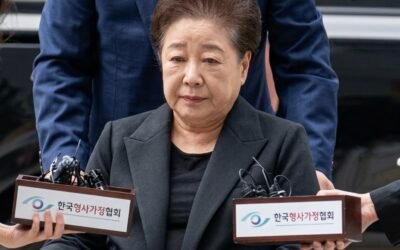
検察は懲役13年を求刑していた。しかし、無実の被告人に下されるべきなのは、検察の面目を保つための「寛大な」判決ではなく、無罪判決である。
The prosecutor had requested thirteen years. But innocent defendants should be acquitted, not receive “lenient” sentences to save the prosecutors’ face.