金剛寺の住職は、今回の解散命令を機に、宗教に対する扱いが変質し、あらゆる宗教団体が脅かされかねないと警鐘を鳴らす。
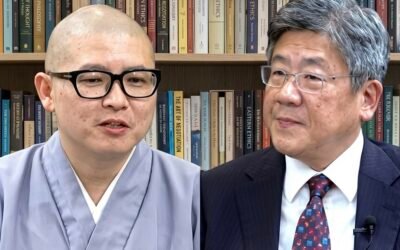

金剛寺の住職は、今回の解散命令を機に、宗教に対する扱いが変質し、あらゆる宗教団体が脅かされかねないと警鐘を鳴らす。
Kongoji Temple’s Chief Priest warns that the dissolution is reshaping Japan’s treatment of religion in ways that threaten every faith community.
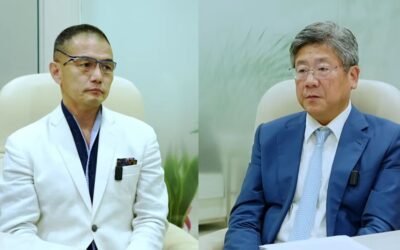
文芸評論家・小川榮太郎氏との対談を通じて、政治的圧力、過熱報道、そして信頼性に疑問がある証拠が、いかにして司法の失敗を招いたのかが明らかになる。

A journalist describes years of abductions, confinement, coerced renunciations, and litigation that shaped public hostility toward the Unification Church.
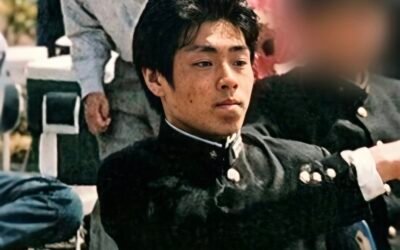
A journalist traces the chain of events that turned a single crime into a nationwide campaign against an innocent religious minority.
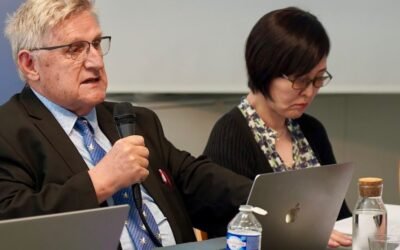
A bestselling author explains why her investigation reveals a profound crisis for religious liberty and constitutional guarantees in contemporary Japan.
A conversation with critic Eitaro Ogawa reveals how political pressure, media hysteria, and flawed evidence converged to produce a judicial failure.
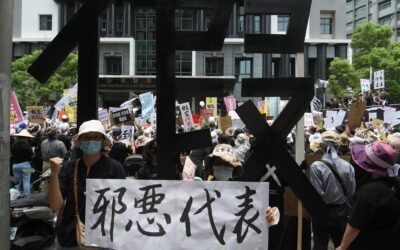
From Mainland China, Japan, and Korea to the Tai Ji Men case in Taiwan, different categories of actors operate to reduce freedom of religion or belief.
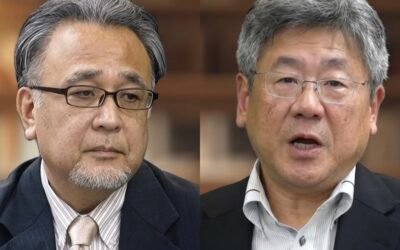
第一線のジャーナリストが、統計データをもとに、いかに活動家とメディアが宗教団体を解散へと導く社会的空気を作り上げたかを明らかにする。マッシモ・イントロヴィニエ
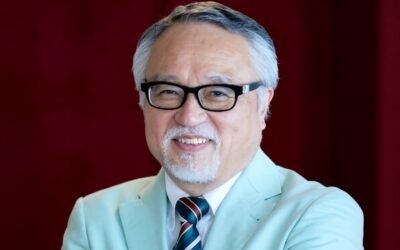
学校現場に導入された新たな手続きは、統一教会信者の家庭で育つ子どもたちを特定・監視することを教育関係者に指導しており、プライバシー侵害への懸念を引き起こしている。