Protecting women and children is essential, but changes to Christian personal law must also respect Scripture, theology, religious freedom, and the voice of the Church.
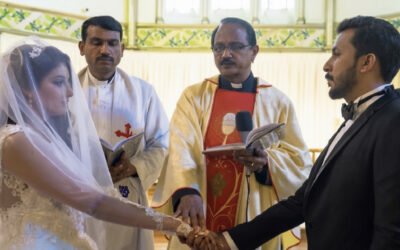
Opinion: Pakistan’s Christian Marriage Laws Review and the Church
read more

Protecting women and children is essential, but changes to Christian personal law must also respect Scripture, theology, religious freedom, and the voice of the Church.
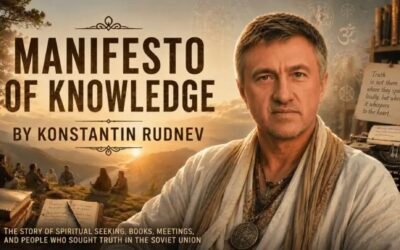
The persecuted spiritual teacher’s latest parables, penned in an Argentine prison, turn to personal memories and conceal hints of esoteric teachings.
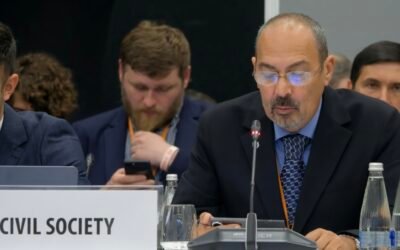
CAP-LC warns that expanding coercion to “psychological influence” endangers spiritual, therapeutic, and self-development communities.
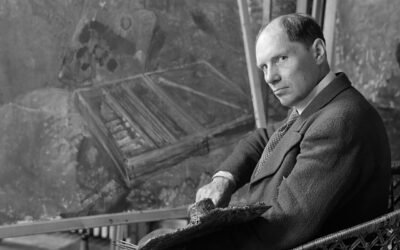
Shaped by Einar Jónsson, William Blake, Theosophy, and the esoteric circles of London, Copenhagen, and Reykjavík, his nation’s best-loved artist filled moss and rock with hidden presences.
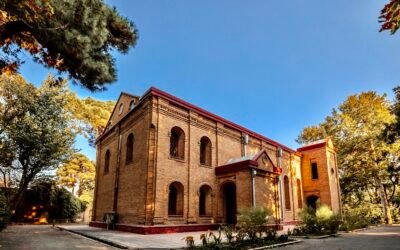
United Nations warns that the situation of Christian communities in Iran has reached a critical moment and urges immediate protective measures.
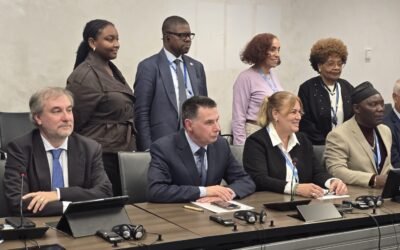
A conference at the UN in Geneva raised concerns about an already serious situation that risks spiraling out of control.
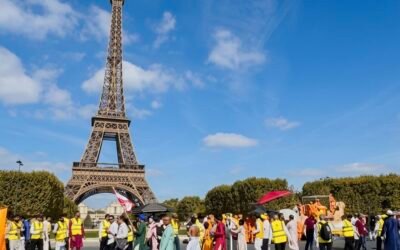
Remember the “Indian cult” who asked female employees to be removed during its visit to the Tour Eiffel? It was fake news, an official report says.
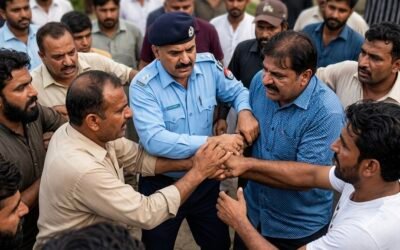
A decades‑old allocation for burials is now contested amid inspections, administrative steps, and appeals for protection.

The Argentine proceedings against Konstantin Rudnev are a paradigmatic case of the abusive use of pre-trial detention to extract confessions.
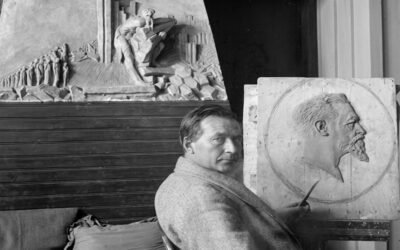
A story of Theosophy, Spiritualism, national myth-making, and the artists who turned Icelandic stone and legend into vehicles for transcendence.