When leaders of religious minorities are accused of sexual crimes, media narratives can quickly mark the entire collective as either accomplices or victims.
by María Vardé
Article 1 of 4.
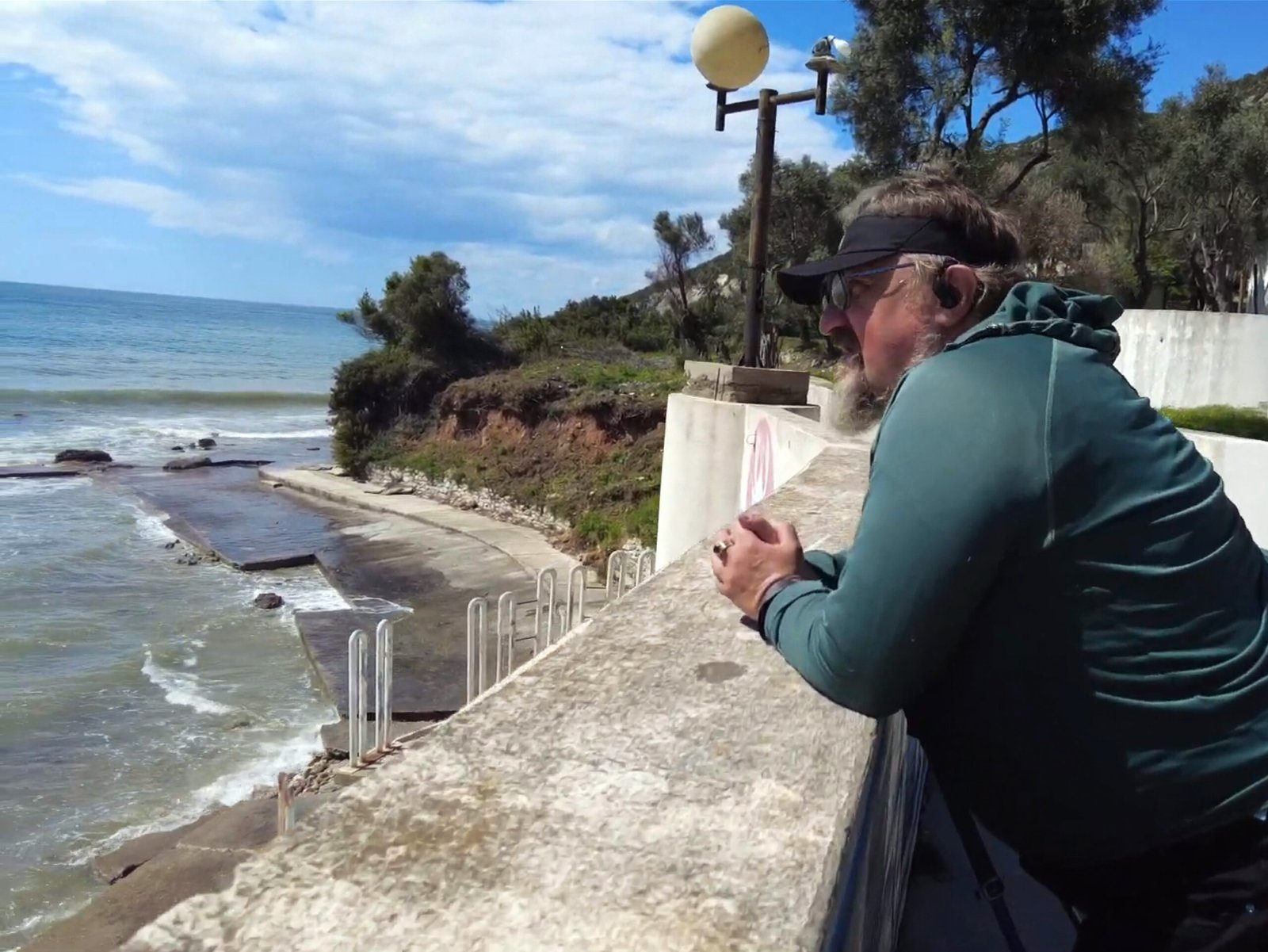
When a leader or prominent member of a religious minority is accused or convicted in a case with strong public impact, suspicion frequently extends to the group as a whole, to its doctrine, and to members who have not been accused of any crime. Something broader than a criminal trial is set in motion, a process in which the accusation against one person becomes an interpretive key for judging an entire religious or spiritual community.
This is what may be called guilt by association. In several recent cases involving new religious movements or minority religions, the media have not merely reported allegations or convictions against particular individuals. They have often transformed those cases into totalizing narratives, in which the leader’s alleged conduct is treated as “revealing the true nature” of the whole group.
In recent years, streaming platforms have consolidated a profitable niche of crime stories presented as documentaries or as fictionalized accounts of real events. This genre, which captures audiences and feeds the collective imagination about marginality and criminality, has found in the stereotype of “cults” a particularly effective theme, often prioritizing sensationalism. The media tend to stitch together a composite picture that follows preexisting stereotypes, relying on reductive tropes such as the manipulative leader, the innocent victim, brainwashing, abuse, and hidden criminality. Once a story is presented as a “cult” narrative, it activates a cultural repertoire that is already familiar and easily consumable. Usually, what does not fit this standardized script finds no place in the coverage.
A recent example is the media representation of the Movement for Spiritual Integration into the Absolute (MISA), a yoga and tantric spirituality movement founded by Gregorian Bivolaru. Bivolaru was sentenced in Romania in 2013 in a controversial sexual-abuse case involving a seventeen-year-old student. However, the alleged victim, Mădălina Dumitru, has consistently denied that the relationship ever existed. She also testified before the Supreme Court of Sweden in support of Bivolaru, and Sweden later granted him political asylum because he would not receive a fair trial in Romania. He was arrested again in France in 2023 and remains in pretrial detention on charges including alleged rape, kidnapping, human trafficking, and abuse of weakness.
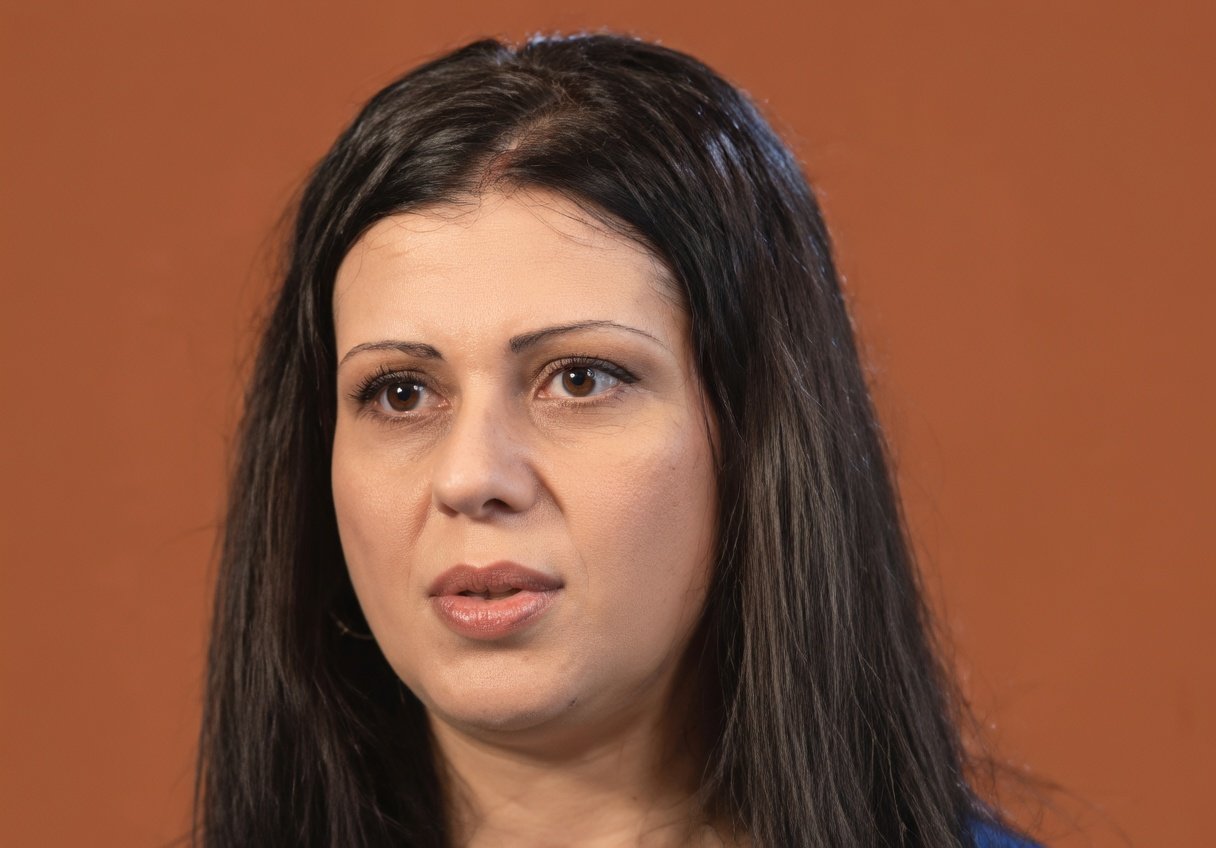
Following the French raids, outlets such as “Le Monde” and “BBC News” portrayed the movement as a criminal gang operating under the façade of a yoga school, while productions such as the BBC podcast “The Bad Guru” and the Apple TV+ docuseries “Twisted Yoga” framed the group’s sacred eroticism as little more than a pretext for sexual abuse. The women identified as victims and allegedly “liberated” during the raids stated that they were in France of their own free will, freely participating in retreats based on Tantric yoga and sacred eroticism. Yet this element, which complicates the narrative, receives far less weight than hostile testimonies, police language, and the interpretive authority of anti-cult activists. As Massimo Introvigne and Rosita Šorytė have argued, these productions omit favorable judicial decisions and testimony from current members and translate a contested religious vocabulary of sacred eroticism into a predetermined narrative of manipulation.
The Christian church La Luz del Mundo has been portrayed through a similar pattern. In 1997, its then-leader, Samuel Joaquín Flores, was accused of sexual abuse and of preparing a mass suicide, but after an investigation, prosecutors concluded there was no prosecutable crime. In 2019, his son and successor, Naasón Joaquín García, was arrested in California on multiple charges of sexual abuse, including offenses against minors, and later accepted a plea bargain that resulted in a nearly seventeen-year prison sentence. He now faces further proceedings in the United States, while a Mexican case that closed for lack of evidence was later reopened.
HBO Max’s “Unveiled: Surviving La Luz del Mundo” and Netflix’s “La oscuridad de La Luz del Mundo” do not merely focus on Naasón Joaquín García or on the testimonies of those who accuse him. Together, they tend to portray the church itself as a mafia or a “cult,” while believers are cast as either possible accomplices in an abusive system or manipulated victims trapped within it. In both cases, the accounts of ordinary, non-accused believers who remain part of the church and have their own experiences and perspectives are largely absent. Other perspectives, including those of scholars, experts, or legal analysts who could offer a more complete and complex understanding of the matter, are also missing.
The same pattern can be seen in the case of Christian Gospel Mission, also known as Providence, a Korean-origin Christian movement active in Taiwan. Its leader, Jung Myung Seok, served a ten-year prison sentence between 2008 and 2018 on charges of rape and embezzlement of church funds, accusations he has always denied. After his release, he was arrested again in 2022 on new charges of sexual abuse against female members, convicted in 2023, and sentenced to seventeen years on appeal, with the Supreme Court confirming the decision in 2025.
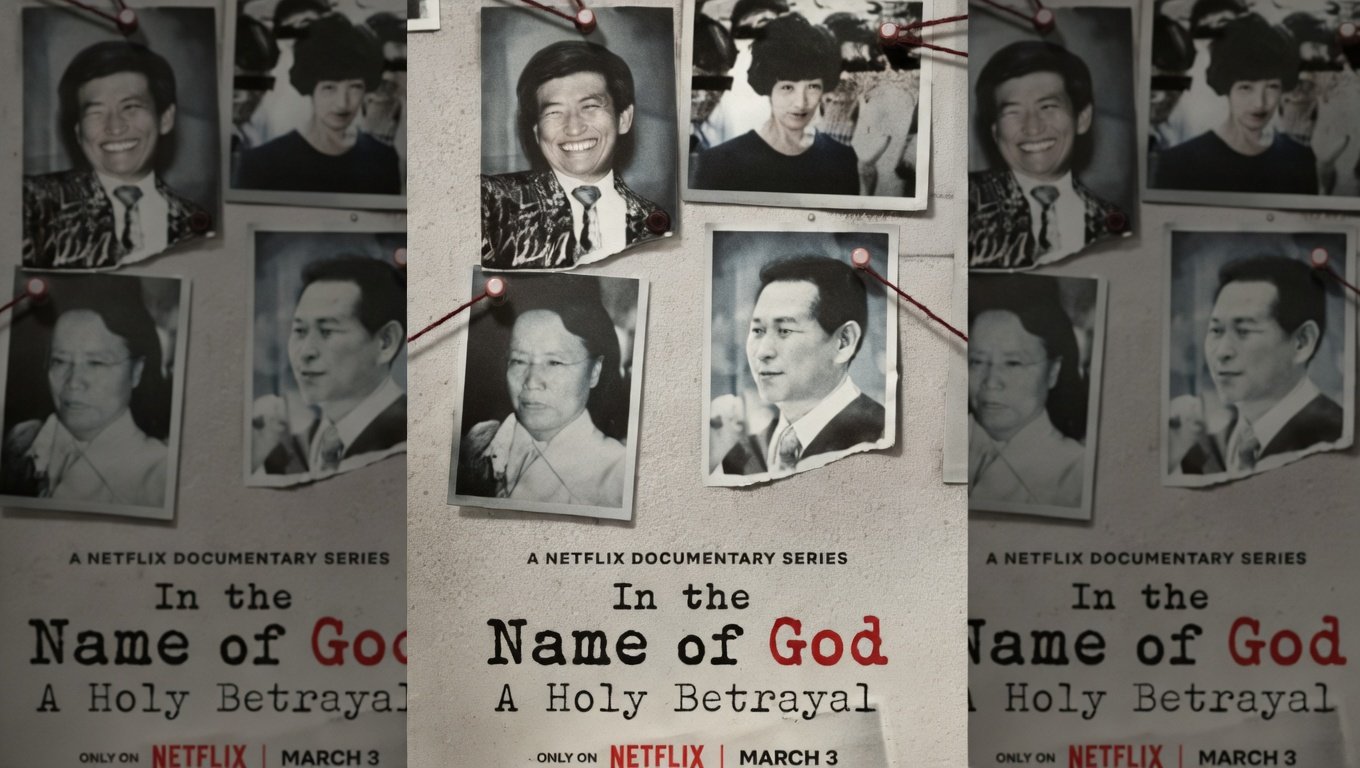
Netflix’s “In the Name of God: A Holy Betrayal,” released in 2023 and followed by a sequel in 2025, was presented as an exposé of Korean religious leaders and the dark side of unquestioning belief. Yet its effects were not confined to Jung’s legal situation. The church’s practices were portrayed as facades for recruiting women for sexual abuse, producing an image of female members as easily deceived and willing to do anything to belong to what the documentary presents as a privileged inner circle within the church. The overall impression is that of a community of people with no independent agency. In this way, the documentary projected suspicion onto the church as a whole, portraying Providence as a space populated by brainwashed, naïve, or complicit members.
In Taiwan, this sensationalized representation contributed to harassment and disinformation affecting ordinary believers who had not been accused of any crime. The seriousness of the situation led the ECOSOC-accredited NGO CAP-LC to submit a written statement to the United Nations Human Rights Council, warning that the documentaries had triggered a digital witch hunt and the social destruction of unaccused members.
Ashram Shambhala offers a variation of this process. In this case, suspicion did not depend on a major international streaming documentary but on a transnational accumulation of journalistic reports, judicial coverage, and pseudo-investigations. The school was founded in the 1990s by Konstantin Rudnev, a former Russian yoga instructor, who developed an esoteric teaching and a community of followers. Rudnev, an outspoken critic of Putin’s regime, was sentenced in Russia in 2013 to eleven years in prison for sexual offenses and drug trafficking, after a trial that took place in the context of a prolonged media and anti-cult campaign that had already consolidated his public image as the leader of a criminal “cult.”
A recent expert opinion has argued that the Russian case should be read within a broader context in which accusations against political and religious dissidents are fabricated or amplified by authorities, circulated by state-aligned media, and endorsed by courts lacking independence. Rudnev is now also being prosecuted in Argentina in a human trafficking case, already analyzed in Bitter Winter, where the alleged victim denies being a victim and the case appears to have been framed from the outset through Russian and Montenegrin media narratives.
On the website of Russian anti-cult activist Aleksandr Dvorkin, articles with titles such as “A Banned Cult Burst Yekaterinburg” and “A Cult Banned in Russia Operates in Kazakhstan” treated the mere presence of Rudnev’s books, spiritual affinities, or alleged former followers as evidence of the continuation of the old organization and of criminal activity. In these reports, apparently innocuous activities—women receiving online messages encouraging them to “love themselves” and “discover their femininity,” shamanic fortune-telling at eco-festivals, or children’s summer camps—were reframed as extortion schemes or fronts for a vast criminal network.
The same logic appears in Malakhov’s television special, “Inside the Cult: Tracing the Missing Actress,” and in recent regional reports, where contemporary personal conflicts are absorbed into the repertoire of “Ashram Shambhala.” The voluntary departures of adult women, such as Ekaterina Savelieva and Natalia Matushkina, both of whom sought to start new lives after toxic relationships, were sensationalized by “cult experts” and the media as cultic kidnappings linked to Rudnev. This narrative ignores the women’s own testimonies. Matushkina, for example, publicly accused her mother of lying and “selling her out” to television for money. Yet authorities and media continue to treat such departures as “cult”-related crimes or even potential murders, while Russian media has also speculated about a possible request for Rudnev’s extradition. However, no such request has been confirmed by Russian authorities.
These cases differ in their legal histories, national contexts, and evidentiary situations. Yet they reveal a common media mechanism. The accusation against a leader or prominent member ceases to be treated as a fact attributable to an individual. It becomes an interpretive matrix through which the entire organization, its doctrine, and its members are rewritten. By reducing believers to a rigid dichotomy between moral complicity and passive victimhood, media narratives systematically invalidate their own experiences and freedom of choice. Those who leave and accuse are treated as finally able to speak, while those who stay and deny being victims are often treated as proof that manipulation has succeeded.
This is why guilt by association should be understood as a form of stigma. Through labeling, stereotyping, and the separation between a morally acceptable “us” and a pathologized “them,” media narratives help create the conditions under which discrimination becomes socially plausible. Once this matrix is stabilized, it can travel into courts, legislative debates, and state agencies. When that happens, guilt by association ceases to be merely a media effect. It becomes part of the machinery through which religious minorities are governed, restricted, or even threatened with dissolution.

Maria Vardé graduated in Anthropological Sciences at the University of Buenos Aires and is currently a researcher at the Instituto de Ciencias Antropológicas, Facultad de Filosofía y Letras, Universidad de Buenos Aires (Institute of Anthropological Sciences, Faculty of Philosophy and Humanities, University of Buenos Aires). She has written and lectured on archeology, spirituality, and freedom of religion or belief.