To enter into the world of The Revelation Spiritual Home, we must adopt a non-Eurocentric epistemological paradigm and accept that we will encounter the unfamiliar.
by Stefania Palmisano
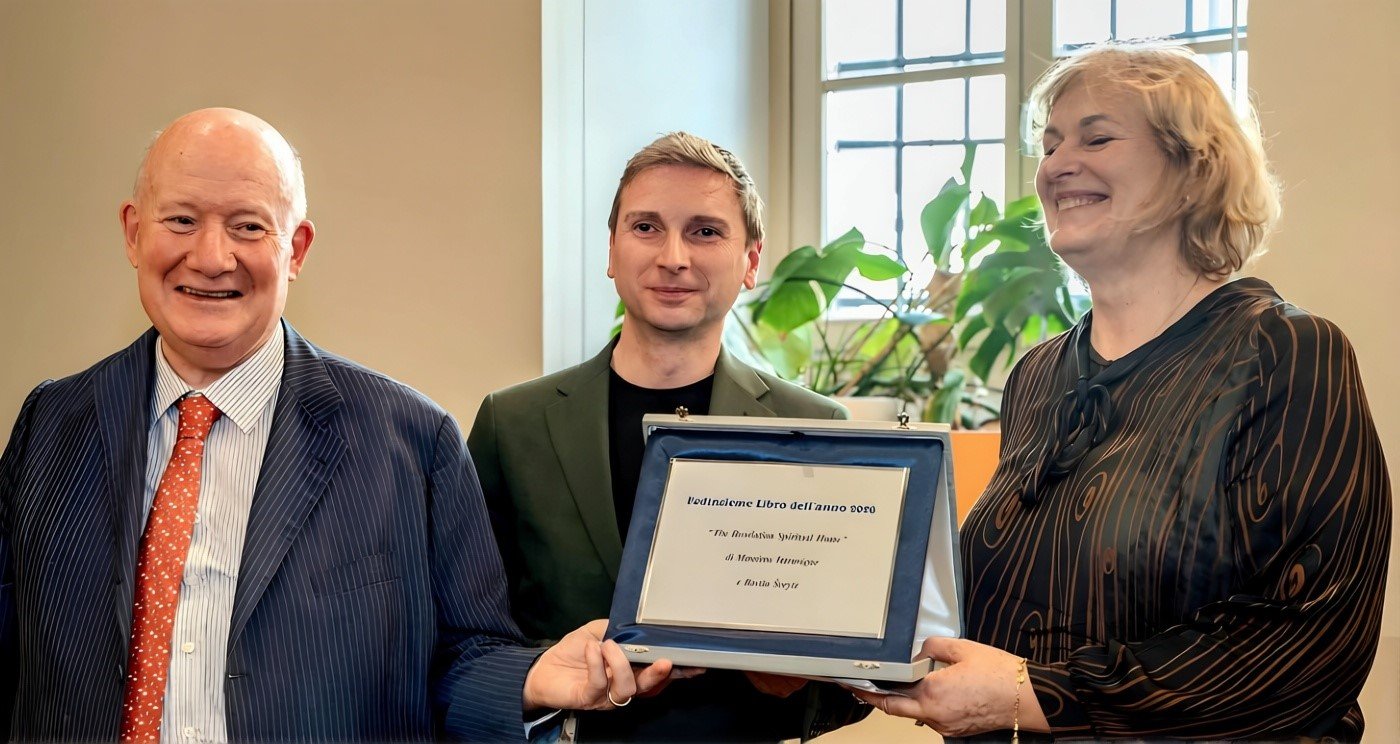
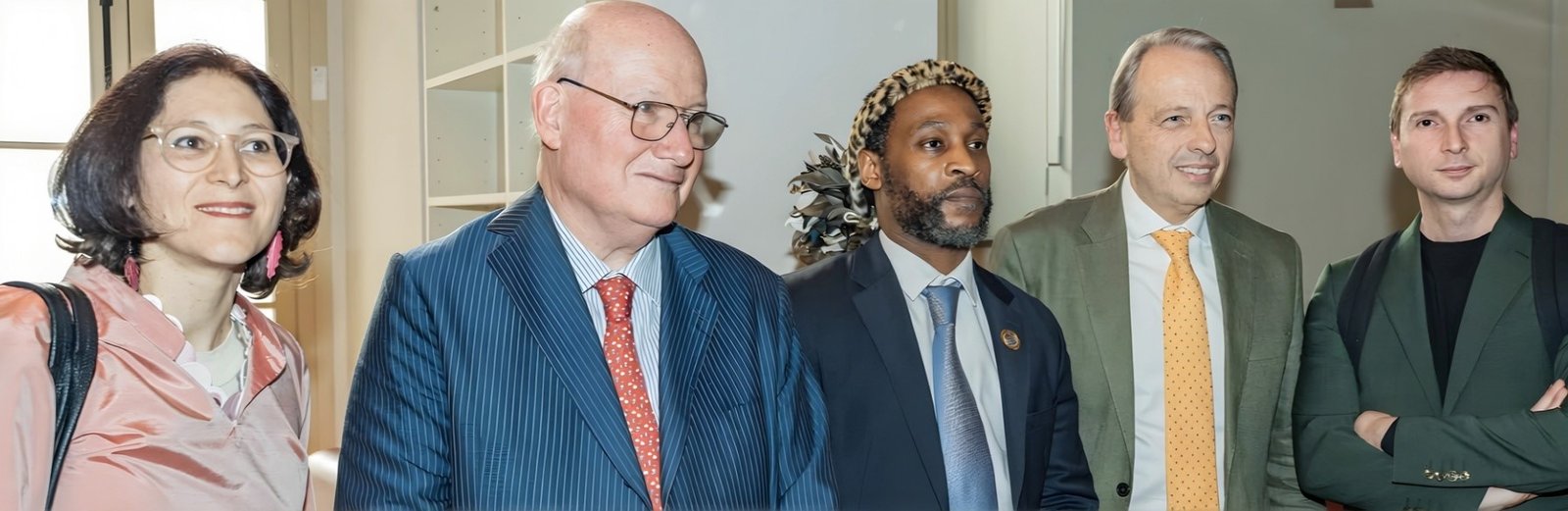
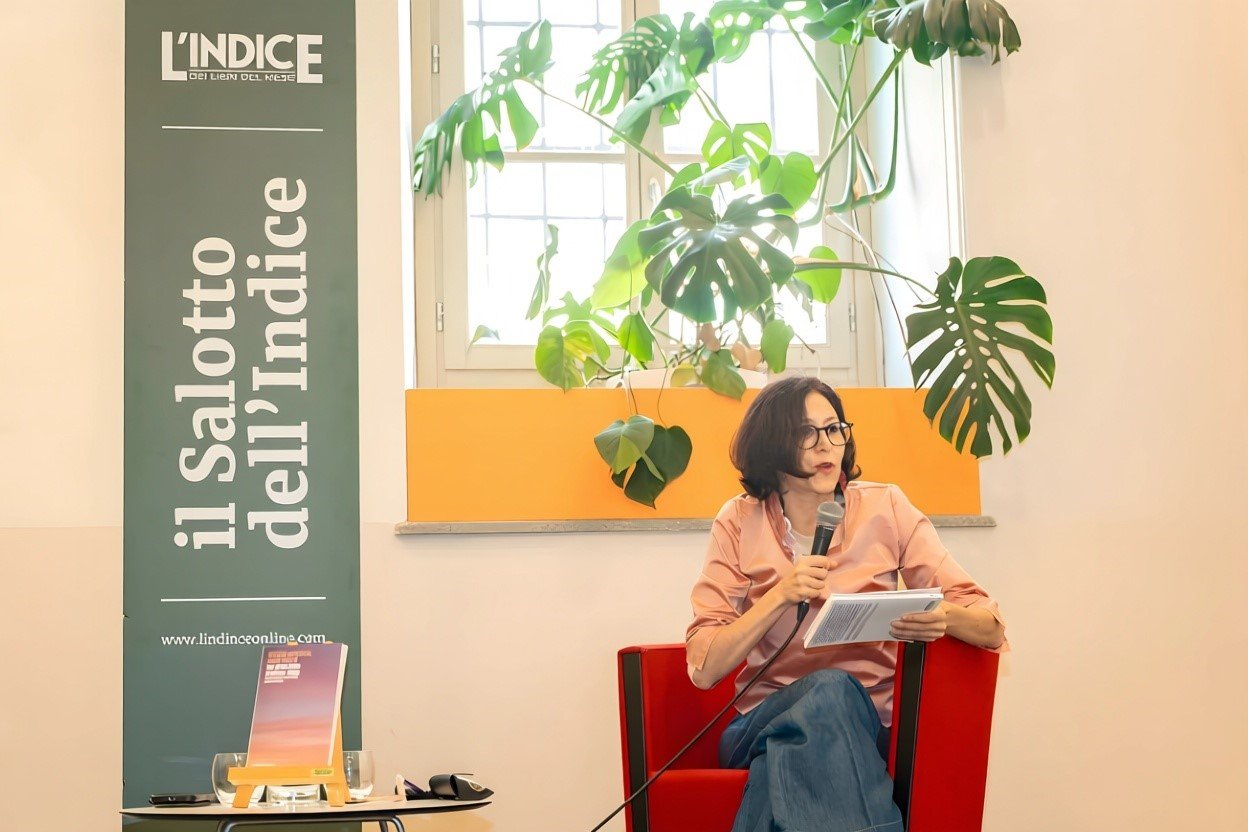
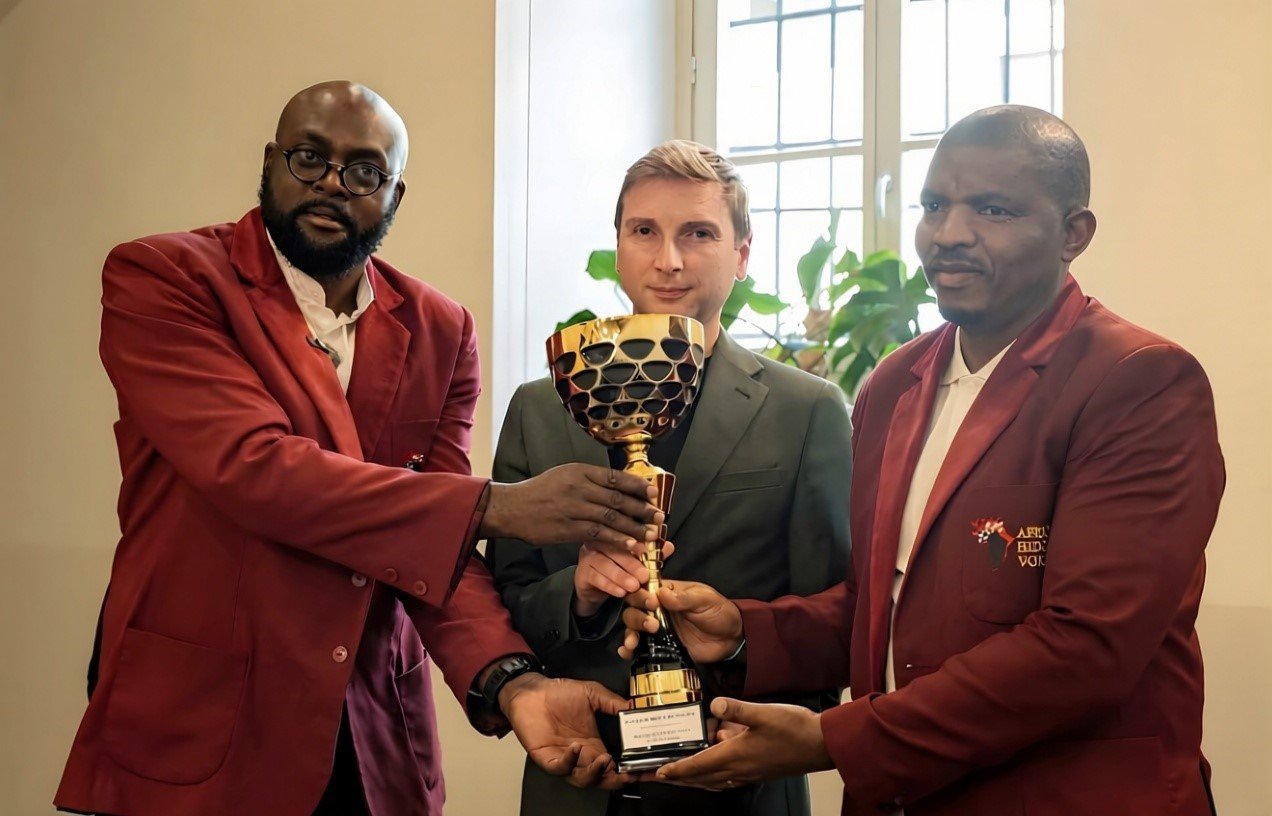
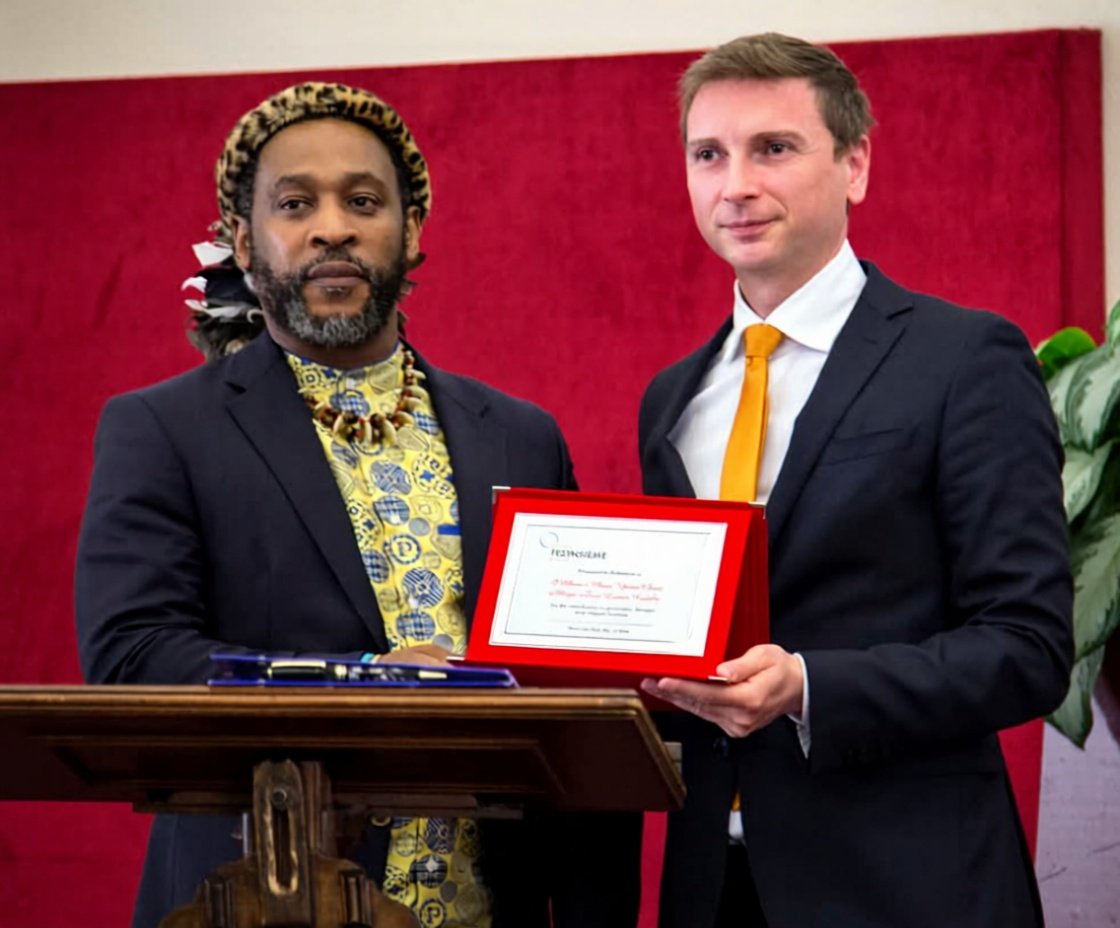
Note from “Bitter Winter”: On 16 May 2026, at the Polo del ’900 in Turin, as part of the events of the Turin International Book Fair (Salone Off), Fedinsieme—represented by its vice-president Francesco Curto—awarded the Italian edition of “The Revelation Spiritual Home. The Awakening of African Indigenous Spirituality” (Mimesis 2026), the book by Massimo Introvigne and Rosita Šorytė originally published in English in 2025 by Cambridge University Press. African Hidden Voices was honored for its collaboration on the research project that led to the book’s writing. Present at the event was the founder of The Revelation Spiritual Home, IMboni iNkosi YamaKhosi oMoya uZwi Lezwe Radebe, who, on 15 May, received an award from Fedinsieme for his contribution to the promotion and defense of African Indigenous Spirituality during a conference held at the Turin City Hall. We publish here a transcript—preserving the spoken style—of the address delivered by sociologist Stefania Palmisano at the May 16 award ceremony.
**
Good morning to all of you. My name is Stefania Palmisano, and I am a sociologist of religion. I was invited to this discussion not only because the book we are presenting here (translated from English) was published in the Remedis series of MIMESIS, “Religions, Media and Social Imaginary,” directed by Roberto Revello, Michele Olzi, and me, but also because I work on new religions and the so-called “contemporary spiritualities”. However, I must confess that this scientific background of mine does not adequately equip me for the study of “The Revelation Spiritual Home: The Revival of African Indigenous Spirituality,” because, as an expert in religious phenomena in the Western world, my tools are somewhat blunt when it comes to penetrating the world of African indigenous spiritualities or, to use Harold Turner’s words, African “neo-pagan” spiritualities.
As the authors reveal, these forms of spirituality cannot be understood simply in light of debates among Euro-American scholars, starting from sociological categories of religion and spirituality, which, as we know from long-standing discussions, are Eurocentric and Christian-centric. Instead, to begin to grasp African spirituality, and then to enter into The Revelation Spiritual Home, we must adopt another epistemological paradigm and accept that we will encounter what is unfamiliar: against the backdrop of extraordinary events that intertwine politics, religion, art, culture, economics and societal transformations—in stories, portraits and profiles of great women and great men whose biographies are accompanied by mythologies, divine callings, mysterious illnesses, prophets and healers, demons and spirits and spectacular animals (such as the sea serpent evoked in the story of Maphithini Thusi’s daughter—and I invite you to enjoy reading these cameo scenes).
Therefore, the authors tell us, a visit to the mountain of the gods in Botswana, with its ancient rocks and paintings of “dancing penises,” a walk to the caves where one communicates with ancestors and with the gods, a meeting with the inhabitants of nearby villages to observe with their sense of wonder both the surrounding hills and the arrival of tourism, is as crucial for studying African spirituality as the study of the books found in Africanist museums.
And yet, for scholars, the task of bringing order and identifying a taxonomy for classifying the phenomena under study remains. How should we, sociologically speaking, classify the African indigenous spiritualities that form the backdrop of the book’s encounter with The Revelation Spiritual Home? These realities have often been the object of studies that have viewed them through a Christian lens and have identified the following as their characteristic traits: belief in a single omnipotent creator and the use of mediations through divinities, persons or objects; the development of a spiritual and emotional framework alternative to the Western scientific and rationalistic system; the strength of community and the continuity of the relationship between the sacred and the secular.
But—and here, a clarification is needed to get to the heart of the research—the authors of this book are not interested in African traditional religions in general. Their interest is directed toward those forms that have emerged as reactions to the major changes that have taken place in African life in our time, and that refer to the work of spiritual entrepreneurs who perceived the destabilizing effects of contact with Western culture and religion, saw their traditions and unity threatened, and initiated spiritual experiments to reverse the trend.
So what are they, then—religions? spiritualities? new movements? The answer is not obvious because the scholarly community is not in agreement: among the various positions, some define them as syncretic spiritualities, others identify a Christian root, and others identify an Islamic root. Despite these differences, what emerges from these classificatory attempts is the Eurocentric temptation to reduce complexity to a typology that allows us to distinguish between indigenous (pagan), Christian, and Islamic movements—a temptation, however, that the authors invite us to set aside and overcome. Typologies of African religious movements, the authors remind us, cannot feed Eurocentric dialogues and disputes.
It is not a matter of distinguishing between what is pagan and what is Christian by bringing theology into the discussion, because theological debates rarely constitute important concerns in the African world and, more generally, even outside Western religion. Only by recognizing African indigenous spirituality as a spirituality outside Christianity and Islam can we begin to understand the phenomenon, adopting an ethical vision that is, however, consistent with the emic approach of those involved in the current revival of African indigenous spirituality.
This is the thesis advanced by the authors, all the more so because in Africa, the term “religion” is problematic, as it presupposes a distinction between religion and other spheres of life that does not exist on the continent.
Still on theoretical grounds, I found very useful the authors’ proposal to explore the relationship between African indigenous spirituality and the African-initiated churches (a galaxy of churches linked to Christianity, to which the institutions of African indigenous spiritualities declare that they are not connected in any way whatsoever), through two heuristically useful constructs that reveal the complexity of the phenomenon in question and thus the scientific foresight of the two authors in entering this field of study: those of “appropriation” and “camouflage.”
The authors show how, for these indigenous spiritualities, camouflage became a necessity for survival in the face of colonization and persecution, because many African leaders were forced to hide their spirituality within the symbols of the dominant religions, particularly Christianity. But this choice is not without unexpected critical consequences. As noted in the literature, camouflage often produces contradictory situations that lead to a dead end, in which deception becomes self-deception. At the end of the process, the authors write on p. 16 (of the English edition) that “the question of sincerity becomes, more than irrelevant, unsolvable.” There have been spiritual leaders for whom the habit of believing and the habit of pretending to believe in Christianity became indistinguishable.
This is a well-known theme in the history of religions (think of the debate on “accommodatio”) that shows how appropriated elements are transformed. The same is true for the institution that appropriates them.
Thus, here opens the major chapter of the appropriation of Christian—and also Catholic—elements in indigenous spiritual organizations. This theme now leads us, without further delay, to the heart of the book: the story of the origins of the Revelation Spiritual Home and of a young man, Samuel Radebe, who has a vision and from whom everything originates. His illness—in reality a divine calling—and his experiences in the Universal Church of the Kingdom of God, which maintains that Africa is the heart of evil, prepare him for a mission as important as it is successful.
I will stop here; I have paved the way for the authors to tell us this story, and also how these African institutions ended up on the radar of the anti-cult movement.
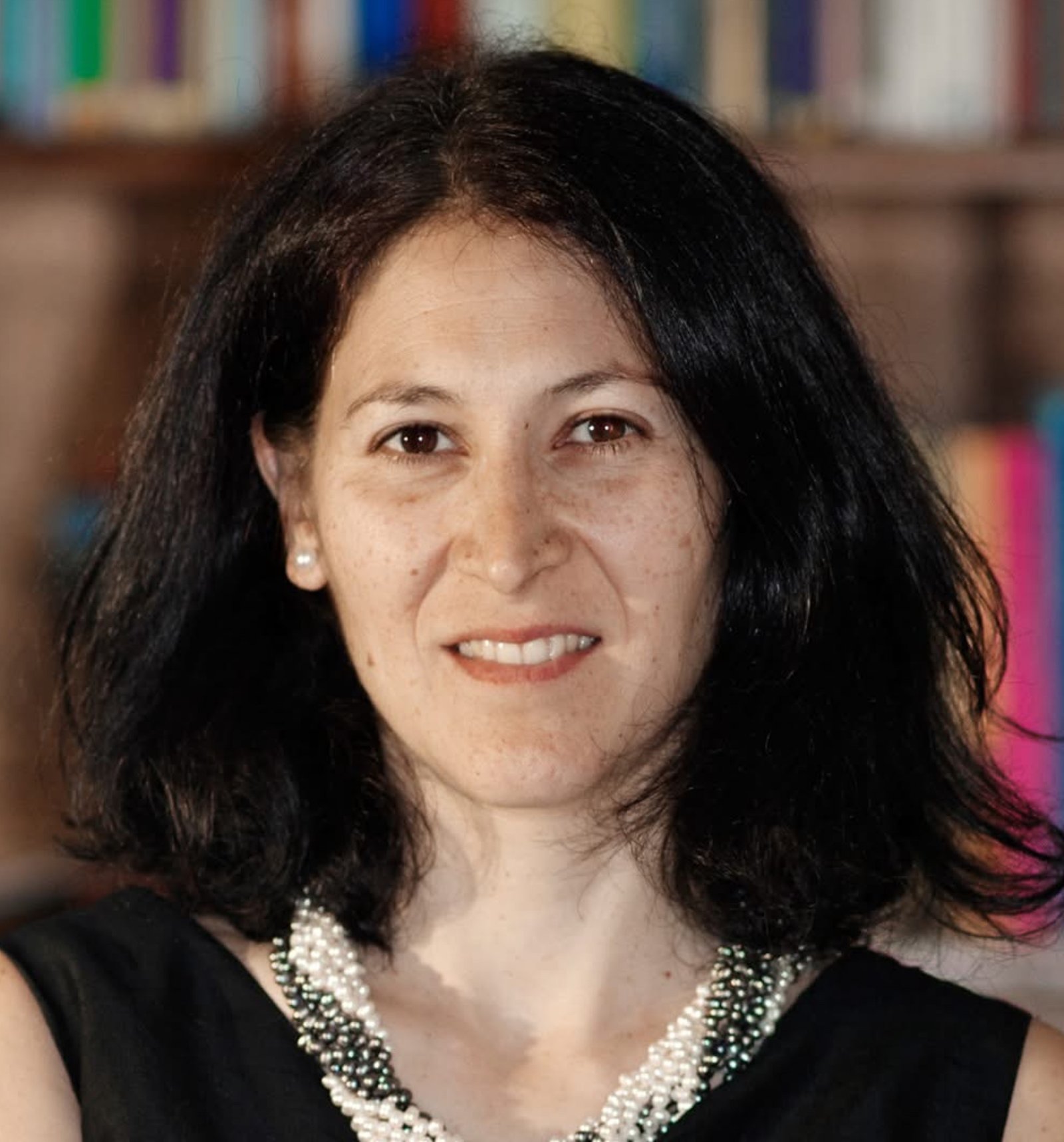
Stefania Palmisano is an Associate Professor in the Sociology of Religion at the University of Turin, Italy, where she teaches the sociology of religion and the sociology of organization. She was a Visiting Research Fellow in the Department of Politics, Philosophy and Religion at Lancaster University and a Visiting Research Fellow, the Department of Religion, Philosophy and Cultural Heritage at Wolverhampton University. She is a member of the editorial board of “Social Compass,” “Alternative Spirituality and Religion Review,” “Journal for the Study of Spirituality,” “Frontiers in Sociology.” and “Fieldwork in Religion.” In addition, she is the coordinator of the research center CRAFT (Contemporary Religion and Faiths in Transition) based in the Department of Culture, Politics and Society at Turin University. She is the author of “Exploring New Monastic Communities: The Re-invention of Tradition” (Ashgate, 2015), co-editor with Isabelle Jonveaux of “Monasticism in Modern Times” (Routledge, 2016), and co-editor with Nicola Pannofino of three books: “Invention of Tradition and Syncretism in Contemporary Religions: Sacred Creativity” (Palgrave Macmillan, 2017); “Contemporary Spiritualities: Enchanted Worlds of Nature, Wellbeing and Mystery in Italy” (Routledge, 2020); and “Damanhur: An Esoteric Community Open to the World” (Palgrave Macmillan, 2023).