How Russian anti-cult activism, led by Alexander Dvorkin and supported by the Orthodox Church, shaped a long and successful slander campaign.
by Willy Fautré
Article 8 in a series. Read article 1, article 2, article 3, article 4, article 5, article 6, and article 7.
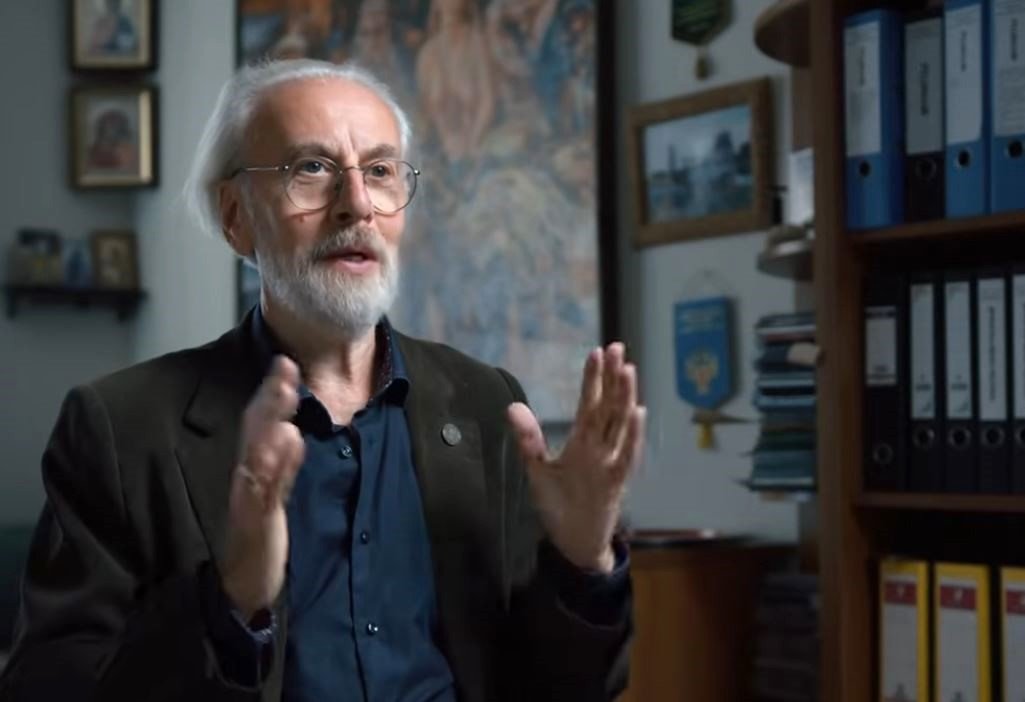
“Ashram Shambhala” banned in Russia
On 11 April 2014, the Novosibirsk Regional Court in Russia banned the religious movement “Ashram Shambhala,” founded by Konstantin Rudnev in Novosibirsk in 1989. The decision entered into force on 20 May 2014. The verdict incorrectly stated that Rudnev “gave the religious group the name ‘Ashram Shambhala.’” In fact, some of his students first used the name, and the media later popularized it; it is widely used to designate the community of his followers, but Rudnev never founded or incorporated an organization called “Ashram Shambhala.”
The decision claimed that “Ashram Shambhala” was “a pseudo-Tantric neo-pagan totalitarian and destructive cult, whose activities are associated with violence and incitement of citizens to refuse to fulfill civil duties.” How a Russian court can distinguish between “genuine” and “pseudo” Tantric teachings was not explained.
Based on a report by anti-cult “experts,” the court noted that Rudnev’s teachings incorporated “occult ideas of the Roerichs, H. P. Blavatsky, C. Castaneda, Sri Aurobindo, Osho, G .I. Gurdjieff, and P. D. Ouspensky,” which the court seemed to consider somewhat objectionable. The judges also insisted that Rudnev’s allegedly “anti-social” teachings were included in the book “The Way of the Fool.” They dismissed the objection that the text was not a doctrinal statement but a fictional account of his early life written by a disciple rather than by him, supplemented by texts by other students.
The decision largely relied on the theory that “cults” use “brainwashing,” discredited among Western scholars of new religious movements but still used by courts in Russia. Discussing the “victims” of “Ashram Shambhala,” the court stated that “to suppress their will and subordinate them to the desires and will of K. D. Rudnev, psychic and psychological violence was exerted on them in the form of specially developed methods of aggressive external influence on the psyche, which were actively applied to the involved persons… The application of these methods resulted in the formation of a stable psychological dependence of the persons involved on K. D. Rudnev and the environment of the religious group ‘Ashram Shambala,’ fear of social connections and relations outside it, as well as control over the actions and will of the ‘adepts’ and ‘sadhakas,’ their subordination to his [Rudnev’s] will and desires, and long-term retention of them in the religious group ‘Ashram Shambala.’”

The Court was aware of the European Court of Human Rights’ (ECHR) 2010 decision in “Jehovah’s Witnesses of Moscow and Others v. Russia,” in which the measures taken against the Jehovah’s Witnesses were found incompatible with freedom of religion or belief. However, it distinguished the Rudnev case as one in which beliefs were imposed on the members through “coercion against their will.” In fact, the Jehovah’s Witnesses had also been accused of using “mind control.” The ECHR had objected that “there is no generally accepted and scientific definition of what constitutes ‘mind control.’”
The Court also stated that in the Rudnev case, the decision to ban “Ashram Shambhala” was based on a prior criminal verdict. One year earlier, in February 2013, Rudnev had been sentenced to 11 years’ imprisonment in a strict-regime penal colony, following a sham trial based on fabricated charges and marred by procedural irregularities, witness contamination, and narrative construction.
The persecution had started even earlier. In Novosibirsk, police tried to suppress the early movement’s activities. Attempts to prosecute Rudnev were initiated in 1999, 2004, and 2008, but on each occasion, investigators ultimately failed to establish any criminal conduct or identify victims.
In 2004, criminal proceedings were initiated under Article 239 of the Russian Criminal Code (“Creation of, and leadership in, an association infringing upon the personality and rights of citizens”), a provision frequently invoked against groups labeled as “cults” (“секты” in Russian). The proceedings were eventually discontinued because investigators found insufficient evidence that any crime had been committed.
In October 2008, police and special forces conducted a raid in the village of Plotnikovo in the Novosibirsk Region, where Rudnev lived, detaining him and six members of the movement who were then listed on the federal wanted register.
Following the raid, the Main Directorate of Internal Affairs publicly compared Ashram Shambhala to the Japanese movement Aum Shinrikyo, which in 1995 had carried out a sarin gas attack on the Tokyo subway, killing 14 people and injuring thousands. This comparison was intended to make a striking impression and to warn against Rudnev. It was absolutely inappropriate, as Ashram Shambhala, unlike Aum Shinrikyo, had never been associated with acts of terrorism.
Who was behind the persecution?
Although Rudnev was a political as well as a spiritual dissident and openly criticized the regime, the Russian Orthodox Church (ROC) was the primary instigator of the persecution. While other figures have also emerged, the main anti-cult activist employed by the ROC in Russia is Alexander Leonidovich Dvorkin. He also played a key role in the Rudnev case.
The ROC and Dvorkin expressed growing concern about the expansion of “Ashram Shambhala.” They estimated that the movement had approximately 20,000 followers by the beginning of the twenty-first century and increasingly portrayed it as one of the country’s most significant “cult” organizations.
Dvorkin often covered Rudnev and “Ashram Shambhala” on his website iriney.ru. As early as 2003, the site published an article by Dvorkin’s second-in-command in the Russian anti-cult umbrella organization RATsIRS, Archpriest Alexander Novopashin, describing “Ashram Shambhala” as “a monstrous cult practicing bullying, child molestation, sexual violence, perversion, and extortion.”
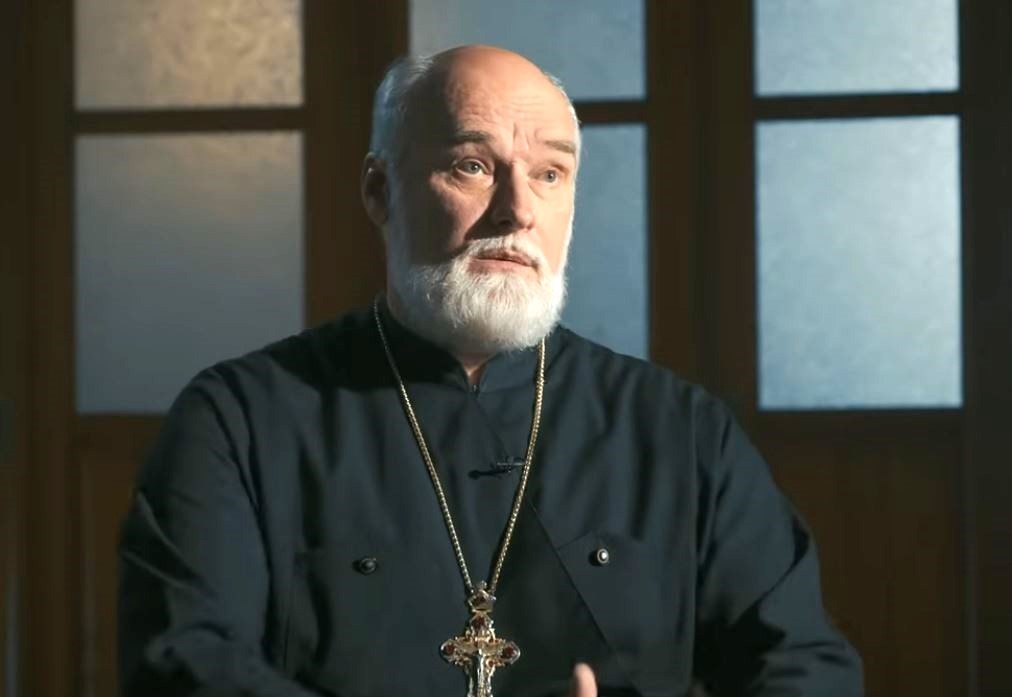
In 2004, another article on Dvorkin’s website claimed that students did not realize they were “victims” because they were brainwashed, and concluded: “Shutting down the cult is virtually impossible. We have the Law ‘On Freedom of Conscience and Religious Associations,’ which affirms everyone’s right to freedom of religion.”
Fortunately for Dvorkin’s followers, the political climate later changed.
That the ROC was behind the prosecution of Rudnev is also evidenced by the fact that, after his trial, the seized spiritual books and religious objects were destroyed by a court order of December 18, 2013, a measure the ROC had long advocated. The court ordered the destruction, in addition to books, of “53 compact discs containing audio and video files of the religious association” and even of “three ritual drums with beaters.”
Anti-Cultism in post-Soviet Russia
After the Christianization of Kyivan Rus’ in 988 and the expansion of Christianity northward and eastward across Europe, Eastern Orthodoxy has been the dominant religious tradition in Russia.
In 1917, the Bolshevik Revolution brought enforced secularism and Communist indoctrination, followed by widespread persecution against all religions, including the Orthodox Church. This situation persisted for over 70 years.
During the years of glasnost and perestroika decreed by Mikhail Gorbachev, an important law was adopted. On 25 October 1990, the Duma (Lower House of the Federal Assembly of Russia) voted the “Law on Freedom of Conscience.” For the first time in Russian history, practicing religion was declared the unalienable right of all citizens.
One immediate result of the 1990 Law was an unprecedented and rapid expansion of religious diversity. Missionaries from Protestant, Catholic, Mormon, Buddhist, Hindu, and other traditions poured into Russia in large numbers. Several new faiths of foreign origin quickly gained followers, but public concern also appeared about their rapid development and their financing. Suspicion arose, creating some fertile conditions for the emergence of anti-cult activism.
Rudnev and his school were among the beneficiaries of Russia’s openness to the world’s diversity after 1991, but also the victims of the ensuing wave of resistance, backlash, and rejection.
The growth of religious diversity started to be alarming to the ROC when it perceived it as an invasion, a threat to Russian identity, and finally an existential issue.
In addition, along with the progressive comeback of the ROC in domestic politics, anti-cultism in Russia evolved from a relatively marginal concern into a significant religious, political, and security issue.
The Russian anti-cult movement first developed as a response of the Orthodox Church to the accelerated influx of foreign missionaries, new religious movements, and alternative spiritual groups filling the vacuum left by enforced state atheism.
The severe political and economic instability of the early 1990s also shaped the emergence of this movement. The collapse of the Soviet Union brought widespread social uncertainty, declining living standards, and the disappearance of many familiar institutions.
Over the following decades, Orthodox anti-cultism became closely linked with the interests of the Russian state, which increasingly adopted restrictive policies towards minority religions with their decision-making centers abroad.
The first organized anti-cult initiatives appeared after the collapse of the Soviet Union. Dvorkin had spent time in the United States before returning to Russia in the early 1990s.
During his stay in the United States, Dvorkin embraced Russian Orthodox Christianity and encountered the Western anti-cult movement, which relied heavily on concepts such as “brainwashing” and “mind control” to explain conversion to religious proselytizing groups.
When he returned to Russia in 1992, he adapted these ideas to the post-Soviet context, arguing that “totalitarian cults” threatened not only individual believers but also Russian society and national identity.
In 1993, he established the Saint Irenaeus of Lyons Information-Consultation Center (SILIC) under the auspices of the ROC with the blessing of Patriarch Alexey II. The center became the most important anti-cult organization in Russia, maintaining extensive documentation on new religious movements and providing educational and advisory materials.
He argued that certain religious groups used psychological manipulation, exploited members, and posed dangers to society.
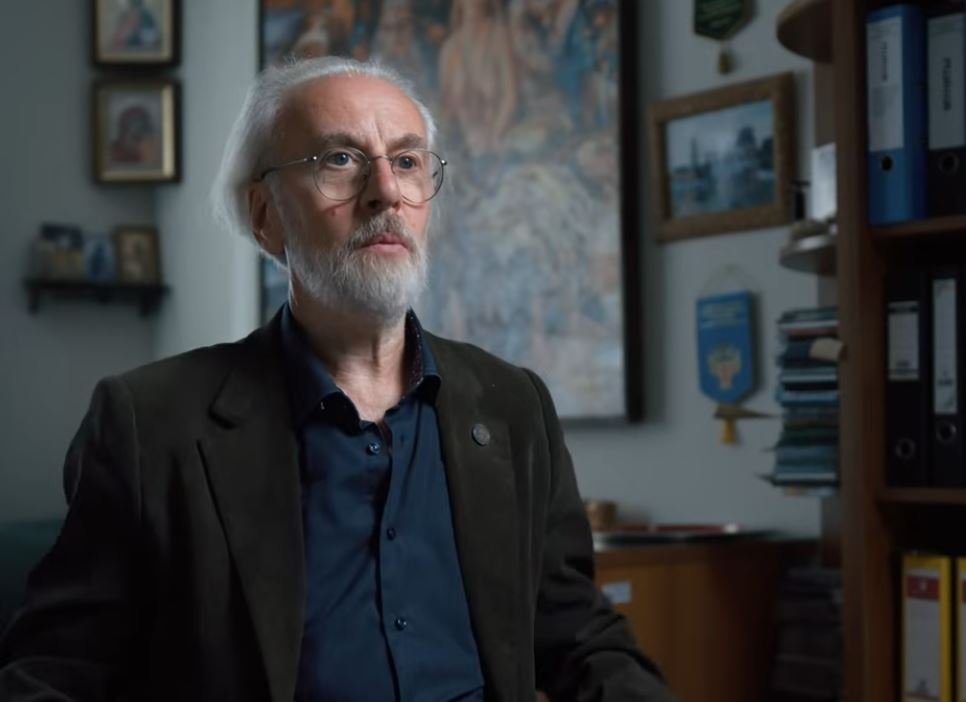
Unlike many Western anti-cult movements, which often developed independently of established churches, Russian anti-cultism became deeply intertwined with the ROC. Orthodox leaders viewed the influx of foreign religious groups as a threat to Russia’s spiritual and cultural identity. Anti-cult rhetoric frequently portrayed minority religions of foreign origin not merely as dangerous organizations but as agents of foreign influence undermining national traditions. This framing resonated with broader nationalistic sentiments that were gaining strength in post-Soviet Russia.
Amid the ensuing controversies, foreign proselytism became a hotly contested issue, with several Russian regions introducing local laws that favored their historical religions and restricted the missionary activities of newcomers. New religious movements became the main subject of these controversies and the chief target of the local laws.
In 1997, a major law was adopted: the “Law on Freedom of Conscience and Religious Associations.” It reflected the tensions mentioned above and placed serious restrictions on the registration of religious organizations and thus on the activities of religious groups of foreign origin. Religious communities registered under the 1990 law were subject to the obligation of re-registration: many were denied the right to re-register and challenged the negative decision before domestic courts and then the ECHR, in particular the Salvation Army, the Jesuits, Jehovah’s Witnesses and the Church of Scientology.
The law was not explicitly targeting “cults,” but it distinguished between “traditional” religions and newer religious organizations. Groups that could not demonstrate a long history of activity in Russia faced significant legal disadvantages. Orthodox leaders and anti-cult activists widely supported the legislation.
The law also introduced an extensive registration system requiring religious organizations to submit founding documents, identify their founders, and satisfy various administrative requirements. Although unregistered groups were not formally prohibited, they operated in an increasingly uncertain legal environment that became more restrictive as later anti-extremism legislation expanded state oversight. The law explicitly acknowledged the “special role” of Orthodoxy while recognizing Islam, Judaism, and Buddhism as traditional religions, reinforcing a hierarchy that favored established faiths over newer religious movements.
The 1997 law, as well as the ideological stance and policies thereafter adopted by Russian authorities, was inspired by a desire to ensure Russia’s “spiritual security.” This new concept articulated the purported role of the Russian Orthodox Church in safeguarding national values and security. This brought to an end the brief period of religious freedom that Russia had experienced following the 1990 Law on Freedom of Conscience.
In 2000, the Putin Administration stated in its National Security Concept: “Assurance of the Russian Federation’s national security also includes protecting the cultural and spiritual-moral legacy and the historical traditions and standards of public life, and preserving the cultural heritage of all Russia’s peoples. There must be a state policy to maintain the population’s spiritual and moral welfare, prohibit the use of airtime to promote violence or base instincts, and counter the adverse impact of foreign religious organizations and missionaries.”
This “spiritual security” concept became an important element of national security policy. Beginning with the 2000 National Security Concept, protection of Russia’s spiritual and moral heritage was increasingly presented as a state responsibility. Anti-cult activists found receptive audiences within state institutions, framing minority religions as threats not only to individual believers but also to patriotic values and social stability.
During the 2000s, anti-cult discourse became increasingly institutionalized. Under the leadership of Vladimir Putin, the Russian state promoted a vision of national unity closely associated with Orthodox Christianity. Anti-cult organizations expanded their cooperation with government agencies, educational institutions, and law enforcement bodies. Conferences, publications, and training programs warned about the dangers of “destructive cults,” a term that became widely used despite lacking a clear legal definition.
The concept of “totalitarian cult,” used and abused by Dvorkin, remained central to Russian anti-cultism. Advocates argued that such groups exercised excessive control over members, isolated them from society, and manipulated their beliefs. Critics, however, noted that the term was often applied broadly to a wide range of foreign minority religions, including groups that had no history of violence or criminal behavior. Scholars of religion frequently criticized Russian anti-cult literature for relying on polemical rather than academic definitions.
Spiritual security, then, served as the basis for a campaign based on paranoia about “foreign” enemies and “foreign” ideas, and for measures to unduly restrict the freedom of religion or belief of Russian citizens who have decided to follow a non-consensual spiritual path.
Russian ideas were also exported abroad through the prominent role Dvorkin, who served as its Vice President for many years, played in the European Federation of Centres of Research and Information on Sectarianism (FECRIS), until he left in 2023 due to his support for the Russian invasion of Ukraine.
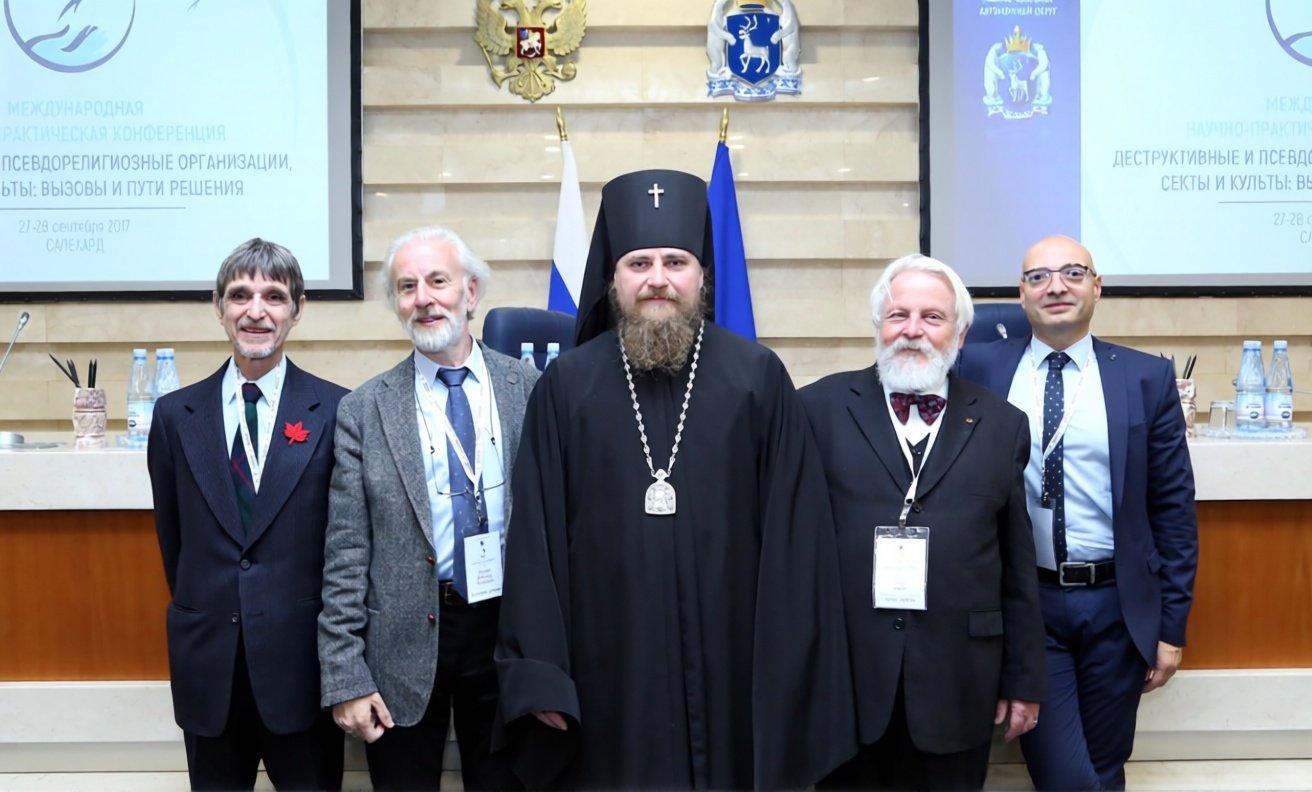
Another turning point was the adoption and implementation of the “Law on Combating Extremist Activity” in 2002. This law was originally justified by the need to combat terrorism after 9/11. Still, the federal government increasingly used it in its “spiritual security” crusade to target so-called “religious extremism” and to censor religious literature that certain Russian “experts” deem “extremist.”
The 2002 Law on Combating Extremist Activity employed broad and imprecise definitions of extremism, enabling authorities to investigate and prosecute a wide range of religious organizations.
Over the years, Dvorkin’s influence extended beyond public advocacy. In 2009, he was appointed head of the government’s Expert Council responsible for advising authorities on the registration and activities of religious organizations. This appointment gave a leading anti-cult activist an institutional role in the implementation of Russia’s religious policy, illustrating the increasingly close relationship between anti-cult organizations and the state.
The Law granted the authorities the power to censor religious freedom of expression and to criminalize a broad spectrum of religious activities. From 2004, the government started to prosecute so-called “extremism” and to issue warnings against certain religious activities. The general argument was that the 2002 Law prohibits any form of expression that promotes the superiority of one religion over another, in fact, over the ROC. Article 13 provided for the establishment of a federal list of banned extremist materials.
The first amendment to the 2002 Law was read in the State Duma in 2006. Among other changes to the Law, the definition of what exactly qualifies as extremist activity was broadened to include non-violent acts of civil disobedience. The worrisome amendment provided that:
a) The definition of extremism shall include libel against state officials related to accusations of extremism or of a particularly grave crime;
b) any act of violence (incl. hooliganism) against an official shall qualify as extremism; and
c) not only calls to extremist activity but also “justifications” of extremist activity will be banned.
As a result, the Law now defines extremist activity as “incitement to racial, nationalistic, or religious enmity, and also social enmity.” The vagueness of this definition leaves the door open for authorities to label any religious teachings that contradict those of the “traditional religions” as “inciting to religious enmity.”
The 2010s saw further convergence between anti-cultism and state security concerns. Laws originally intended to combat terrorism and political extremism were increasingly applied to new religious groups.
New legislation, including the 2016 Yarovaya amendments, imposed further restrictions on missionary activity by limiting religious outreach outside officially approved settings and expanding state monitoring of religious communities.
All these legal measures were weaponized to start banning religious minorities of foreign origin. The most notable example was the 2017 ban on the peaceful movement of Jehovah’s Witnesses, labeling it an extremist organization. However, they object to war and military service.
At the same time, the anti-cult movement expanded its focus beyond religion. Concerns about psychological manipulation, commercial self-help organizations, esoteric movements, and internet-based communities became increasingly common. Russian anti-cult activists argued that dangerous forms of social influence could emerge in both religious and secular contexts. Still, they remained more strongly connected to questions of national security, cultural sovereignty, and protection of traditional religious identity.
By the 2020s, anti-cultism had become a stable component of Russia’s religious policy environment. Government agencies, Orthodox institutions, and anti-cult organizations frequently collaborated in identifying and criticizing groups considered socially dangerous. Public discussions about “cults” increasingly align with broader state concerns about foreign influence, information security, and ideological cohesion.
More broadly, anti-cult discourse evolved from an Orthodox campaign against specific foreign religious minorities into a framework through which the state justified greater regulation of religious life in the name of national security, spiritual sovereignty, and the protection of traditional values.

The Dvorkin-Rudnev court case
In October 2010, Dvorkin gave an interview to “Pravda.ru” concerning Rudnev and “Ashram Shambhala.” The article appeared under the headline, “The Organizer of Occult Orgies Awaits Prison.”
During the interview, Dvorkin described Rudnev as “a well-known fraudster and swindler with pronounced sadistic tendencies.” According to the article, Dvorkin further alleged that, as a result of Ashram Shambhala’s activities, “people disappeared,” members were subjected to “cruel bullying,” and took part in “collective sexual orgies.” He also claimed that members “were tortured, beaten, had their heads dipped into toilets, were burned with cigarettes, and were cut.” And he noted that “A few years ago, he [Rudnev] was placed in a psychiatric hospital for an examination of his sanity, but he escaped from the investigation.”
Rudnev subsequently filed a civil action against Dvorkin seeking protection of his honor and reputation and also brought a claim against “Pravda.ru” for moral damages. He requested publication of a right of reply to refute their allegations and sought compensation of 500,000 rubles from Pravda.ru and 1,000,000 rubles from Dvorkin.
The Basmanny District Court of Moscow began proceedings in 2011, but none of the defendants—including Pravda.ru, Dvorkin, and the journalist who authored the article—appeared at the preliminary hearings. On 26 March 2012, the court dismissed Rudnev’s claims. He appealed the judgment, but on 22 August 2012, the Moscow City Court upheld the dismissal.
The reasons cited by the court to exonerate Dvorkin, identified as D.A.L., of any responsibility are worth mentioning: “The judicial panel considers this conclusion correct, since D.A.L. acted in this case as an official of a public organization. Refusing to satisfy the claims against D.A.L., the court of first instance reasonably proceeded from the fact that, within the meaning of the current civil legislation, the criterion for distinguishing the statements about facts and events from the value judgments (opinions, beliefs) is the possibility of checking such information for its compliance with reality, truth, or falsity. The statement contested by the plaintiff cannot be considered a statement of fact or event, but is an opinion, judgment, or conviction that cannot be verified against reality and therefore cannot be the subject of judicial protection in accordance with Art. 152 of the Russian Federation Civil Code.”
According to the judicial panel, the court of first instance reached a “reasonable conclusion” that Dvorkin’s statements contain no allegations of fact but only “opinions.” This conclusion was obviously incorrect, since the statement that members “were tortured, beaten, had their heads dipped into toilets, were burned with cigarettes, and were cut” describes alleged facts and is not an opinion. It should have been “verified against reality,” particularly because Rudnev was not sentenced for these crimes.
The protection the court offered to Dvorkin, thus, was further evidence of the symbiotic relationships between the ROC, anti-cult activists, courts of law, and the media in Russia under the aegis of the Putin regime. It also means that decisions rendered in Russia or publications in Russian media should not be considered as evidence abroad. They belong to the realm of propaganda and, rather than describing facts, express the position of the ROC and the regime and function as tools used to persecute spiritual and political dissidents.

Willy Fautré, former chargé de mission at the Cabinet of the Belgian Ministry of Education and at the Belgian Parliament. He is the director of Human Rights Without Frontiers, an NGO based in Brussels that he founded in 1988. His organization defends human rights in general but also the rights of persons belonging to historical religions, non-traditional and new religious movements. It is apolitical and independent from any religion.
He has carried out fact-finding missions on human rights and religious freedom in more than 25 countries He is a lecturer in universities in the field of religious freedom and human rights. He has published many articles in university journals about relations between state and religions. He organizes conferences at the European Parliament, including on freedom of religion or belief in China. For years, he has developed religious freedom advocacy in European institutions, at the OSCE and at the UN.