From Mainland China, Japan, and Korea to the Tai Ji Men case in Taiwan, different categories of actors operate to reduce freedom of religion or belief.
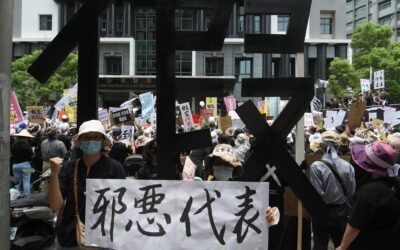

From Mainland China, Japan, and Korea to the Tai Ji Men case in Taiwan, different categories of actors operate to reduce freedom of religion or belief.
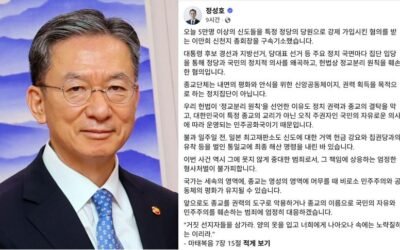
Elderly religious leaders are kept in detention, while the politician quotes the Gospel against the “heretics” and hails what happened in Japan.
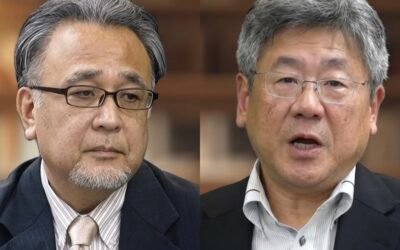
第一線のジャーナリストが、統計データをもとに、いかに活動家とメディアが宗教団体を解散へと導く社会的空気を作り上げたかを明らかにする。マッシモ・イントロヴィニエ
学校現場に導入された新たな手続きは、統一教会信者の家庭で育つ子どもたちを特定・監視することを教育関係者に指導しており、プライバシー侵害への懸念を引き起こしている。
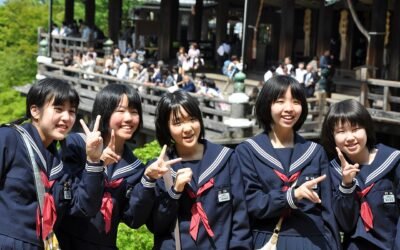
国の新たな政策には、統一教会信者の家庭で育つ未成年者の考え方を変えることを目的とした学校教育プログラムが導入されている。

What crime did the religious organization commit? Apparently, collecting donations to support its charitable endeavors abroad.
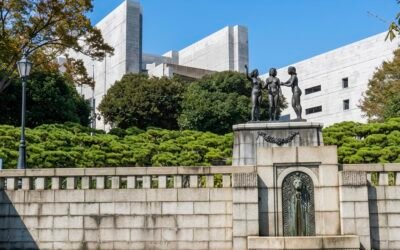
迅速かつ簡潔な判断によって訴訟は終結したが、その判決は司法の中立性、適正手続き、そして日本における信教の自由の将来について深刻な疑問を残した。
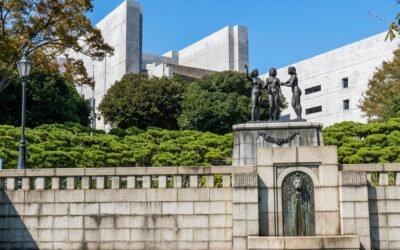
A rapid and thinly reasoned verdict closes the case but leaves profound concerns about neutrality, due process, and the future of religious freedom in Japan.
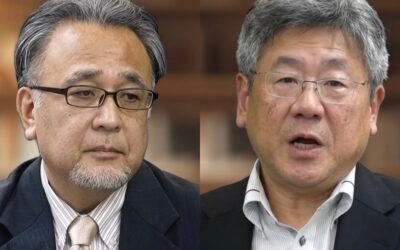
A leading journalist documented, with statistical data, how activists and media fabricated a climate leading to the dissolution of the religious organization.
新たな措置は、信仰を持つ家庭で育つ未成年者の養育のあり方に焦点を当てており、親の権利や思想的中立性をめぐる深刻な懸念を引き起こしている。