The long imprisonment in Russia shaped both his present understanding of spirituality and his reflections on a penal system he experienced in its harshest form.
by Massimo Introvigne
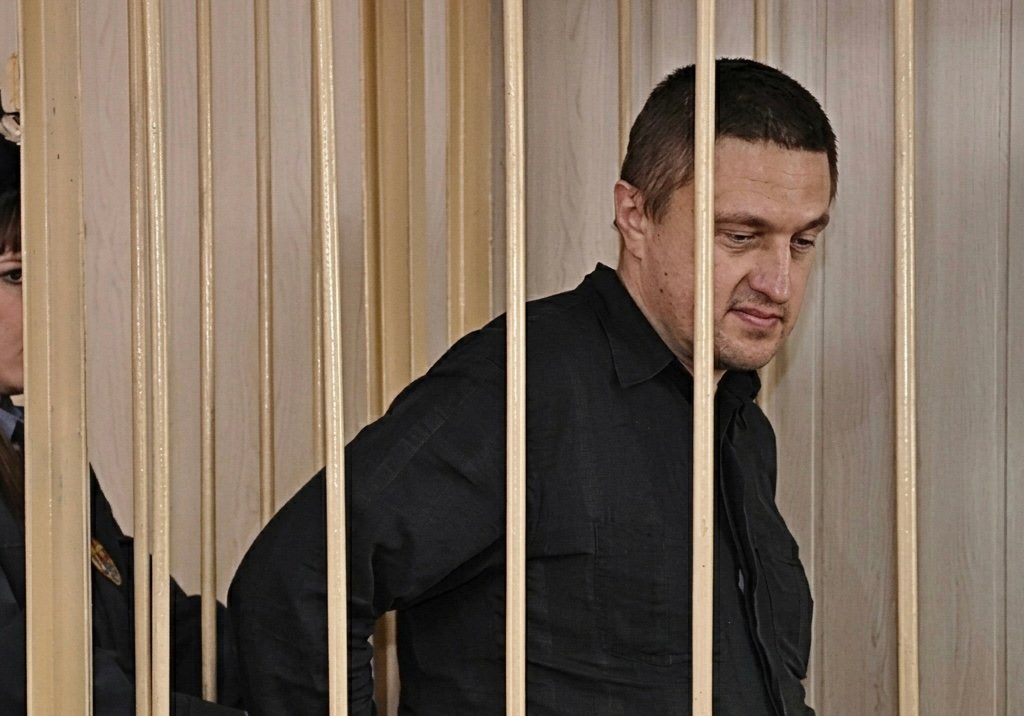
When Konstantin Rudnev was arrested in September 2010 and later sentenced to eleven years in a strict-regime colony, the Russian authorities believed they were closing the chapter on a dissident whose teachings had attracted thousands. What followed instead was a long period in which the prison system itself became the crucible of his spiritual maturation.
“Bitter Winter,” which has repeatedly presented Rudnev’s ideas on the jail system, submitted a question to the Russian dissident through his wife to understand how those years reshaped his inner life and his view of a jail system that continues to raise serious human rights concerns.
After the verdict of early 2013, Rudnev was sent to Norilsk, a place where winter temperatures fall to extremes, and the sun disappears for months. He described the colony as a world governed by rigid movement, constant surveillance, and an atmosphere that pressed on the mind as much as on the body. In that environment, he unexpectedly met one of his former disciples, who recognized him immediately and offered protection within the unwritten rules of the prison community. Their contact did not last. Once the relationship was noticed, the disciple was moved away.
Rudnev tried to maintain a spiritual routine. He obtained permission to enter the small chapel inside the camp and prayed quietly, without addressing anyone. The local priest objected to his presence, fearing that he might influence other inmates, and succeeded in having him barred from the church. Rudnev later wrote that this exclusion was an attempt to sever his access to the only place in the colony where a spiritual atmosphere could still be felt. He continued to pray inwardly, aware that informants were everywhere.
He observed how prisoners, deprived of distraction and subjected to pressure from both administration and fellow inmates, often turned toward faith. He told “Bitter Winter” that many inmates became more receptive to spiritual ideas than they had ever been outside. He believed that genuine pastoral work, offered in a language prisoners could understand, could have a real impact on prisoners’ lives. He saw that the formal liturgy of the Russian Orthodox Church offered in the colony did not meet this need.
A medical diagnosis interrupted his stay in Norilsk. After surgery, he was transferred to Novosibirsk for hearings concerning the destruction of his books and spiritual materials. In the pretrial detention center, he was placed first in a basement cell and later in solitary confinement. The reason, he explained, was that he had spoken with other inmates about spiritual matters and had voiced criticism of the political system. The authorities feared he might influence those around him. He remained isolated for seven years.
During this period, he briefly crossed paths with another well-known spiritual teacher, whose case has been discussed in “Bitter Winter,” Vissarion, who had been arrested in 2020. They were held on the same floor and occasionally saw each other when escorted to meetings with lawyers. They were forbidden to speak, yet exchanged glances that conveyed mutual support. It was a rare moment of recognition between two men who had both become targets of repression.
Rudnev also witnessed the internal hierarchy of Russian prisons. He described the “thieves-in-law,” mentioned by Alexander Solzhenitsyn in his famous “The Gulag Archipelago,” as figures who maintained order according to their own code, respected by inmates and feared for their authority. He noted their calm demeanor and their sense of responsibility within the criminal world. At the same time, he observed the darker side of the system: the caste of the “offended,” prisoners relegated to the lowest status through acts of humiliation that condemned them to permanent exclusion. He saw this as a legacy of the Soviet camp system, where fear was used to control vast populations of inmates.
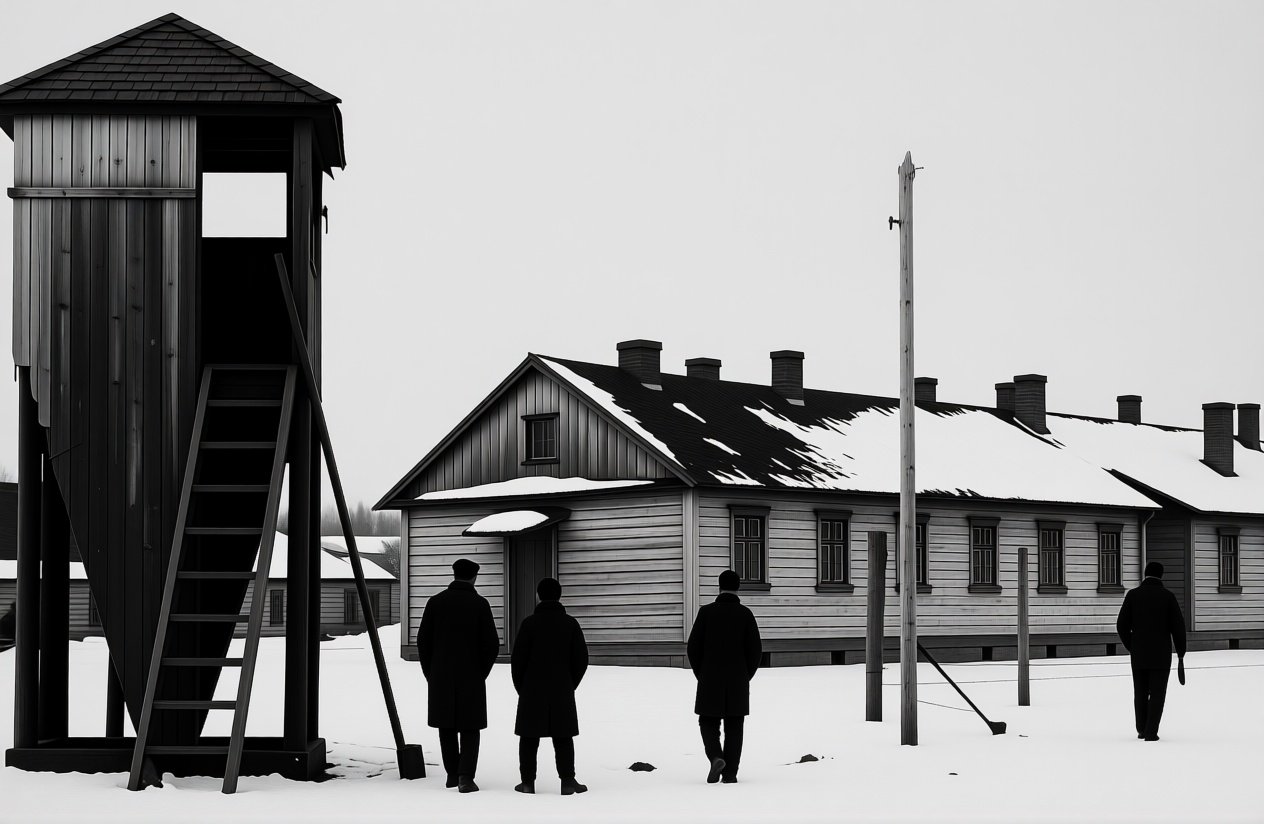
These years, he told “Bitter Winter,” forced him to refine his understanding of human suffering and the search for meaning under extreme conditions. He saw how the absence of freedom intensified the need for inner work. He also saw how the prison system, shaped by historical patterns of repression, continued to rely on mechanisms that degrade rather than rehabilitate.
Rudnev was released in September 2021. The long isolation, the encounters with prisoners seeking spiritual refuge, and the constant pressure of the penal environment left a deep imprint on his present view of spirituality. He believes that faith can flourish even in the harshest places, provided it is offered with sincerity and human presence. Hw also advocates for a radical reform of criminal law and dreams of a world without prisons.
His reflections confirm that jails remain a space where repression and spiritual longing coexist, and where the human spirit continues to seek light even in the darkest corridors.
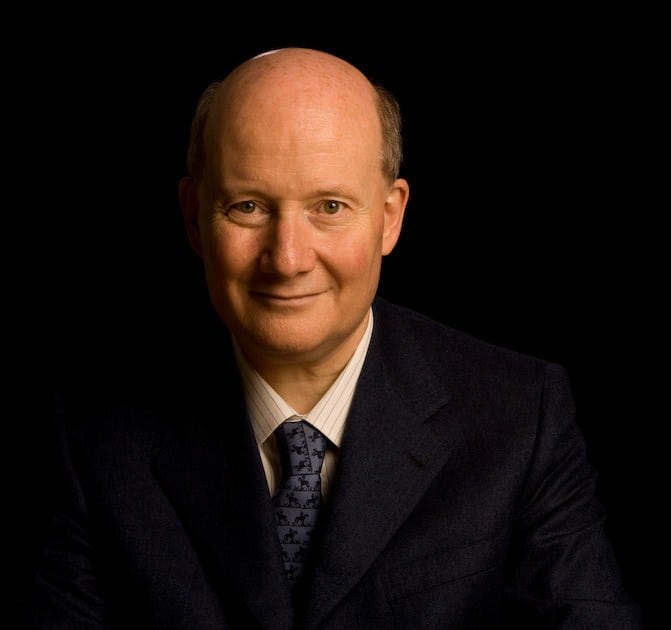
Massimo Introvigne (born June 14, 1955 in Rome) is an Italian sociologist of religions. He is the founder and managing director of the Center for Studies on New Religions (CESNUR), an international network of scholars who study new religious movements. Introvigne is the author of some 70 books and more than 100 articles in the field of sociology of religion. He was the main author of the Enciclopedia delle religioni in Italia (Encyclopedia of Religions in Italy). He is a member of the editorial board for the Interdisciplinary Journal of Research on Religion and of the executive board of University of Pennsylvania Press’ Nova Religio. From January 5 to December 31, 2011, he has served as the “Representative on combating racism, xenophobia and discrimination, with a special focus on discrimination against Christians and members of other religions” of the Organization for Security and Co-operation in Europe (OSCE). From 2012 to 2015 he served as chairperson of the Observatory of Religious Liberty, instituted by the Italian Ministry of Foreign Affairs in order to monitor problems of religious liberty on a worldwide scale.