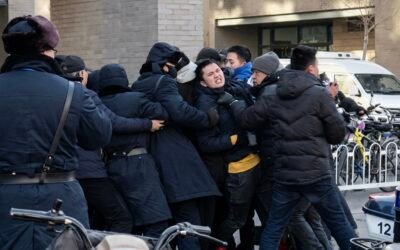
On the eve of the Beijing Olympics, two young men killed 17 Chinese soldiers in Kashgar. An alternative view of the incident by a Uyghur dissident.
by Abdurehim Gheni Uyghur
“Calling the struggle of an oppressed people under colonization ‘terrorism’ is merely a tactic used by aggressors to conceal their own crimes”—Nelson Mandela
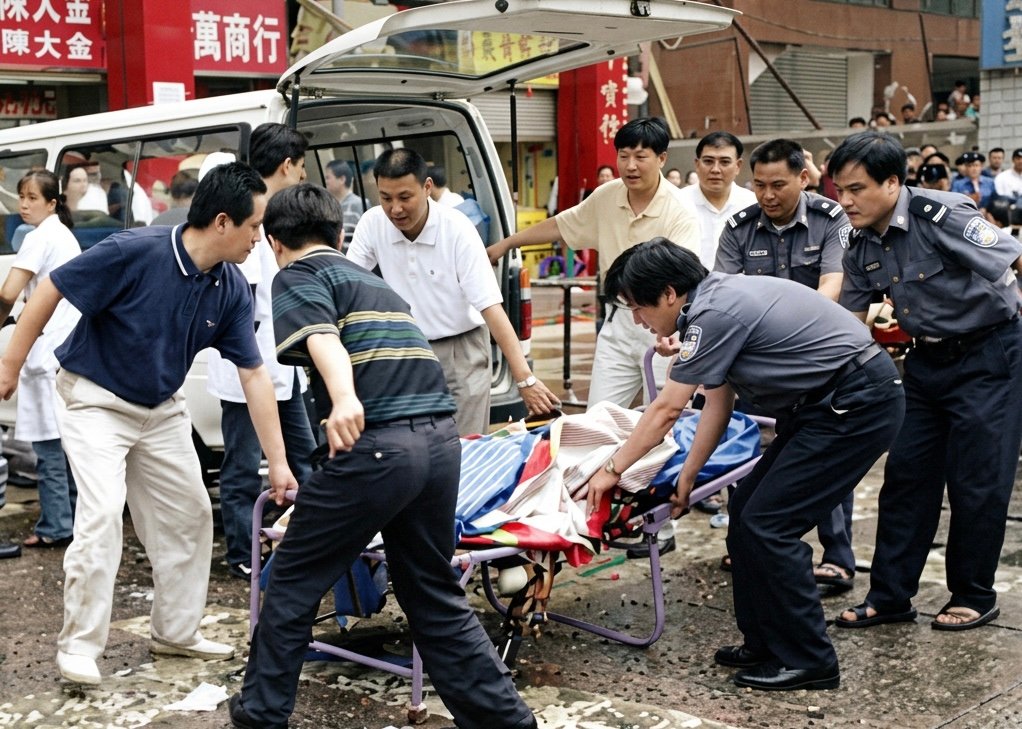
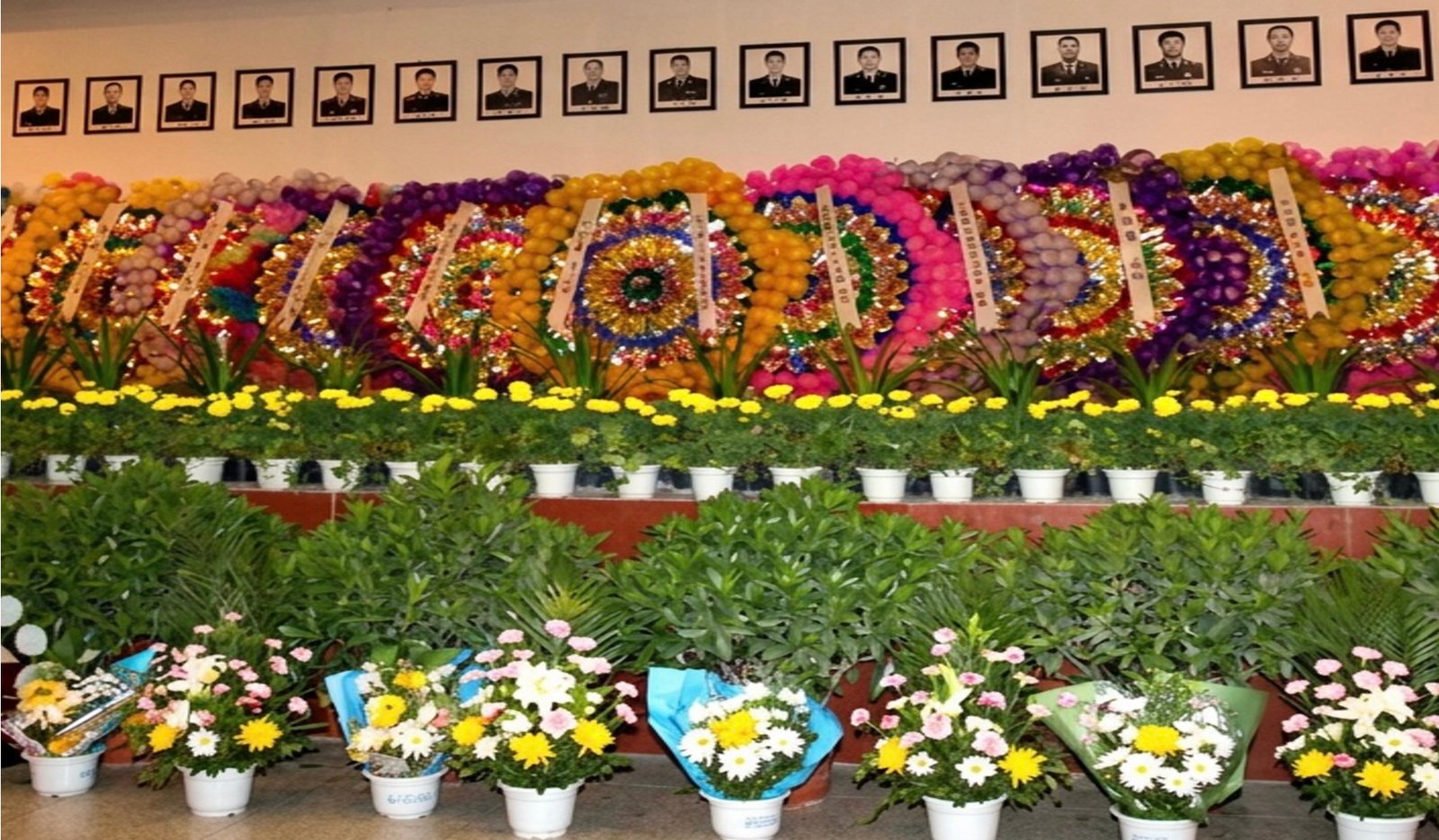
Chinese media on August 4 reported commemorations for the victims of what authorities describe as a “terrorist attack,” an event that continues to generate debate and sharply differing interpretations.
On August 4, 2008—just four days before the opening ceremony of the Beijing Olympic Games on August 8, when the eyes of the world were turned toward China—a major political shock occurred on Semen Road in Kashgar, East Turkestan (which Chinese call “Xinjiang”), directly opposite the Baris (Shadlik) Hotel, a location frequently visited by foreigners.
Two young men, 33‑year‑old Abdurakhman Azad and 29‑year‑old Kurbanjan Himit, carried out an attack against a Kashgar border defense armed police unit. Their action—resulting in the deaths of 17 Chinese soldiers and severe injuries to 15 others—was immediately reported worldwide. Within an hour, major international media outlets covered the incident, highlighting what some observers viewed as a sign of deep internal political tensions and systemic oppression beneath the surface of the Chinese state.
This act was promptly labeled an “extremist terrorist attack” by Chinese authorities. However, when looking beyond official state narratives, some commentators argued that the incident was not merely an act of violence, but rather a public reaction by Uyghurs to decades of systemic pressure and colonial‑style policies.
In the period leading up to the 2008 Beijing Olympics, heightened surveillance and restrictive policies across East Turkestan created significant psychological strain and social instability, which some believe contributed to the incident. According to these perspectives, the driving force behind the Chinese government’s assimilation policies, crackdowns, and repression was not “terrorism,” as stated in official accounts, but rather the accumulated grievances of a population experiencing long‑term marginalization. Since the Chinese state’s takeover of East Turkestan in 1949, critics argue that armed repression and colonial policies have persisted. In this view, the Semen Road incident became a flashpoint reflecting broader socio‑economic and political tensions.
The act was meticulously planned by 33‑year‑old Abdurahman Azad and 29‑year‑old Kurbanjan Himit. Using a truck and simple handmade tools, they targeted armed police units conducting morning patrols on Semen Road. No civilians were harmed; the attack focused solely on armed state personnel. This suggests a politically targeted act rather than indiscriminate violence, though this framing remains controversial and is rejected by the Chinese government.
Throughout history, conflicts between dominant powers and marginalized groups have often been framed through opposing lenses: colonization versus anti‑colonial resistance. From the perspective of those resisting, their actions may be seen as a struggle for justice, while authorities frequently label them as “terrorism” or “violence.” The history of the Chinese Communist Party (CCP) itself is sometimes cited as an example of such duality. During the period when the Kuomintang (KMT) fought Japanese forces, the CCP engaged in guerrilla tactics and armed resistance against the KMT, framing its actions as “national liberation.” Yet, after gaining power, the CCP abandoned this framing and began labeling even limited acts of Uyghur resistance as “terrorism,” presenting a one‑sided narrative to the international community.
Since 1945, many nations across Africa and Asia fought anti‑colonial struggles. Although colonial powers often branded them “terrorists,” many of these movements were later recognized as legitimate liberation efforts. In contrast, Uyghur resistance—regardless of scale—is quickly categorized as “terrorism” under Beijing’s narrative, without independent international investigation.
Although organizations such as Human Rights Watch noted that the attack targeted only armed personnel, and carefully avoided hurting civilians, the Chinese government held a closed‑door trial at the Kashgar Sports Center on April 9, 2009. The two young men were sentenced to death and executed the same day. They were charged with “sabotaging the Olympics, manufacturing explosives, and murder.” Critics argue that the trial reinforced state narratives and suppressed calls for independent inquiry, illustrating how geopolitical narratives can be shaped by powerful actors.
The 2008 Semen Road incident was subsequently used by the Chinese government as justification for a new wave of repression in East Turkestan. Beijing aligned its policies with the global “War on Terror,” presenting its actions as counter‑terrorism while implementing mass detention camps, digital surveillance systems, and policies widely criticized as abusive. From the perspective of Uyghur resistance history, however, the incident is rather viewed as a reaction to overwhelming state pressure.
The August 4 Semen Road incident has been described by supporters as demonstrating tactical planning and targeted action. With limited resources, Kurbanjan Himit and Abdurahman Azad killed 17 armed personnel and injured 15 others without harming civilians. To some, this signaled a message to the international community on the eve of the Beijing Olympics that Uyghurs would not quietly accept policies they view as oppressive.
Kurbanjan Himit and Abdurahman Azad are regarded by many Uyghurs as national heroes whose actions symbolize resistance. According to this viewpoint, when East Turkestan achieves freedom from what they describe as colonial rule, these two men will be commemorated and honored with a monument on Semen Road. Supporters argue that nations remember their heroes for bravery and sacrifice in struggles for liberation, and that the spirit of resistance among youth is shaped by such legacies.
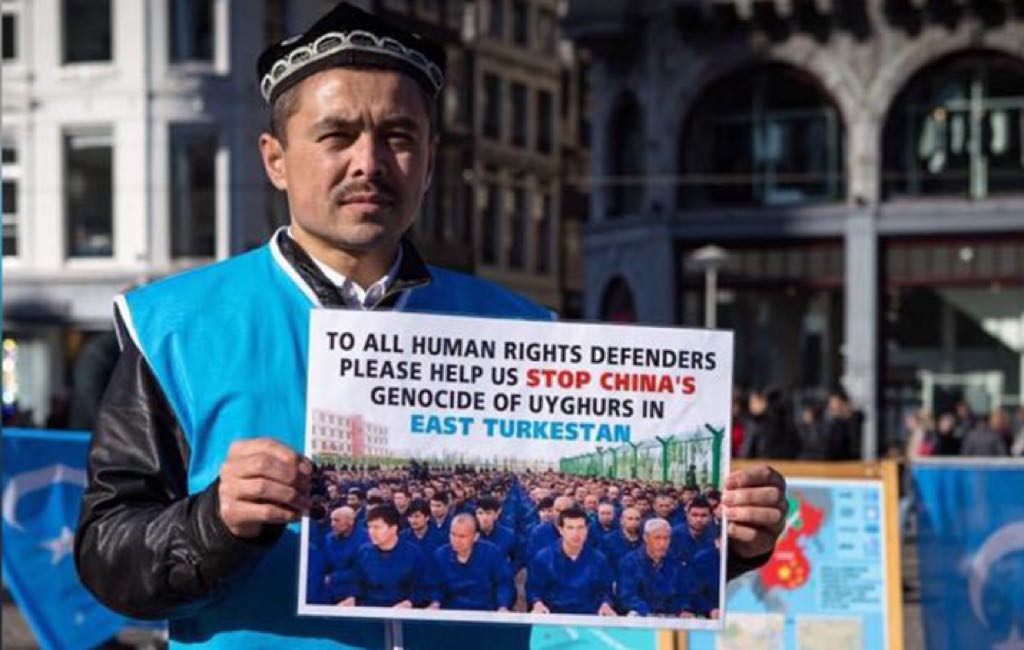
Abdurehim Gheni is a Uyghur activist living in the Netherlands who became famous for his solo protests in Dam Square in Amsterdam. He also educates tourists to the reality of the Uyghur genocide.