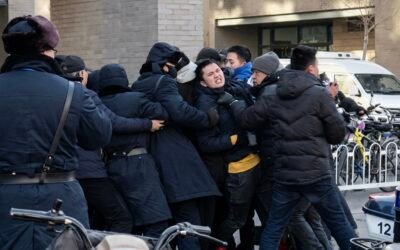
An anthropologist follows pain, care, and birth‑planning violence in the Nu River Valley, offering lessons for other indigenous peoples under Beijing’s rule.
by Massimo Introvigne
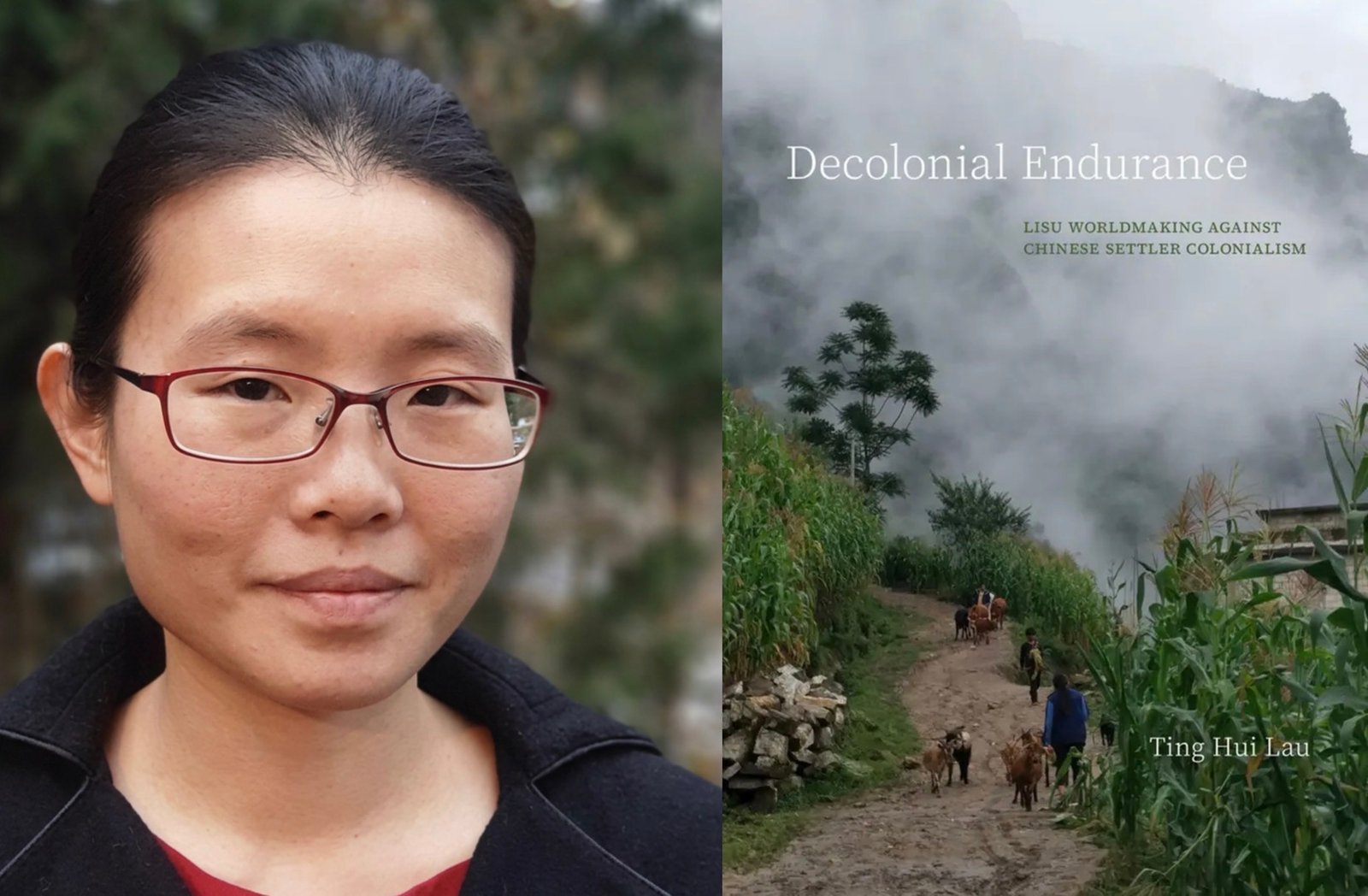
National University of Singapore’s anthropologist Lau Ting Hui’s book, “Decolonial Endurance: Lisu Worldmaking Against Chinese Settler Colonialism” (Redwood City, CA: Stanford University Press, 2026), is anchored in a landscape that Chinese maps present as remote periphery and indigenous scholarship recognizes as a classic borderland of escape. The Nu River Valley, officially part of Yunnan, lies inside what some scholars call “Zomia,” a fluid highland zone where communities historically fled state rule and now confront the tightening grip of modern nation‑states. In this valley, Lisu subsistence farmers live under Chinese sovereignty, Christian missionization, and development campaigns that promise prosperity while eroding the conditions of their own world‑making.
Lau’s central concept, “decolonial endurance,” names the way Lisu communities continue to craft meaningful lives under colonial pressure. She defines it as indigenous world‑making amid cultural erosion and erasure. This practice does not simply preserve fragments of the past but transforms them to sustain relationships with land, spirits, kin, and neighbors under hostile conditions. The book argues that Chinese development in the Nu River Valley operates through colonial appropriation of indigenous land, violence, and economic and ideological domination, and that Lisu endurance responds to this regime through everyday practices of care, storytelling, prayer, alcohol drinking, and play.
The ethnographic foundation is unusually deep. Lau has worked with Lisu subsistence farmers for more than a decade, including two continuous years of participant farming in a village she calls Gosa. She lived in Lisu households, tended livestock, joined rotating mountain feasts, attended Christian exorcisms, and shared the heavy labor of cardamom planting and maize weeding. Her main interlocutors include Zoda, a non‑Christian man in his fifties suffering chronic illness after a forced vasectomy, and his wife, Aunty Yona, a devout Christian who carries much of the household’s farm work. Through them and their neighbors, the book follows how colonial policies enter bodies, fields, and family decisions.
One of the book’s most powerful chapters analyzes China’s birth‑planning policy in the valley. Official discourse often insists that ethnic minorities enjoyed leniency and that the one‑child policy primarily targeted urban Han families. Lau shows that Lisu memories tell a different story. In the Nu River Valley, Lisu were permitted two children and the Nu, another minority, three. Before the policy, families commonly had five to twelve children, a demographic pattern linked to child mortality, the demand for farm labor, and expectations of care in old age. For Christian Lisu, abortion was sinful and large families were part of religious life.
The policy collided with this world and produced what Lau calls reproductive violence. She records the Lisu expression “doing medicine” as a euphemism for sterilization and abortion. “Doing medicine” usually refers to receiving treatment for sickness. It may involve indigenous ritual, biomedical, or Christian healing, but the phrase is also a euphemism for sterilization and abortion procedures. In practice, “doing medicine” often meant strength loss, chronic pain, and nervousness that never healed. Men who underwent vasectomies and women who endured multiple abortions became unable to work as before, and their afflictions quietly reorganized gender roles, reciprocity, and family economies.
The book situates this reproductive violence inside a broader apparatus of colonial development. Since the 1980s, the Nu River Valley has been fenced and guarded by armed men, turned into an internal reservation where entry and exit require registration at checkpoints. Identity recording has moved from handwritten ledgers to digitized systems, and mobile phones and social media extend surveillance into daily life. Lisu families have been relocated from ancestral lands into ethnic‑style apartment blocks, children extracted from villages into Mandarin‑medium boarding schools, women compelled to give birth in hospitals, and subsistence farmers encouraged to abandon their fields for wage labor in distant factories. Lau describes how cultural loss is material and embodied, visible in accidental deaths, chronic illness, delinquency, drug dependency, and the quiet despair of those who feel their life worlds slipping away.
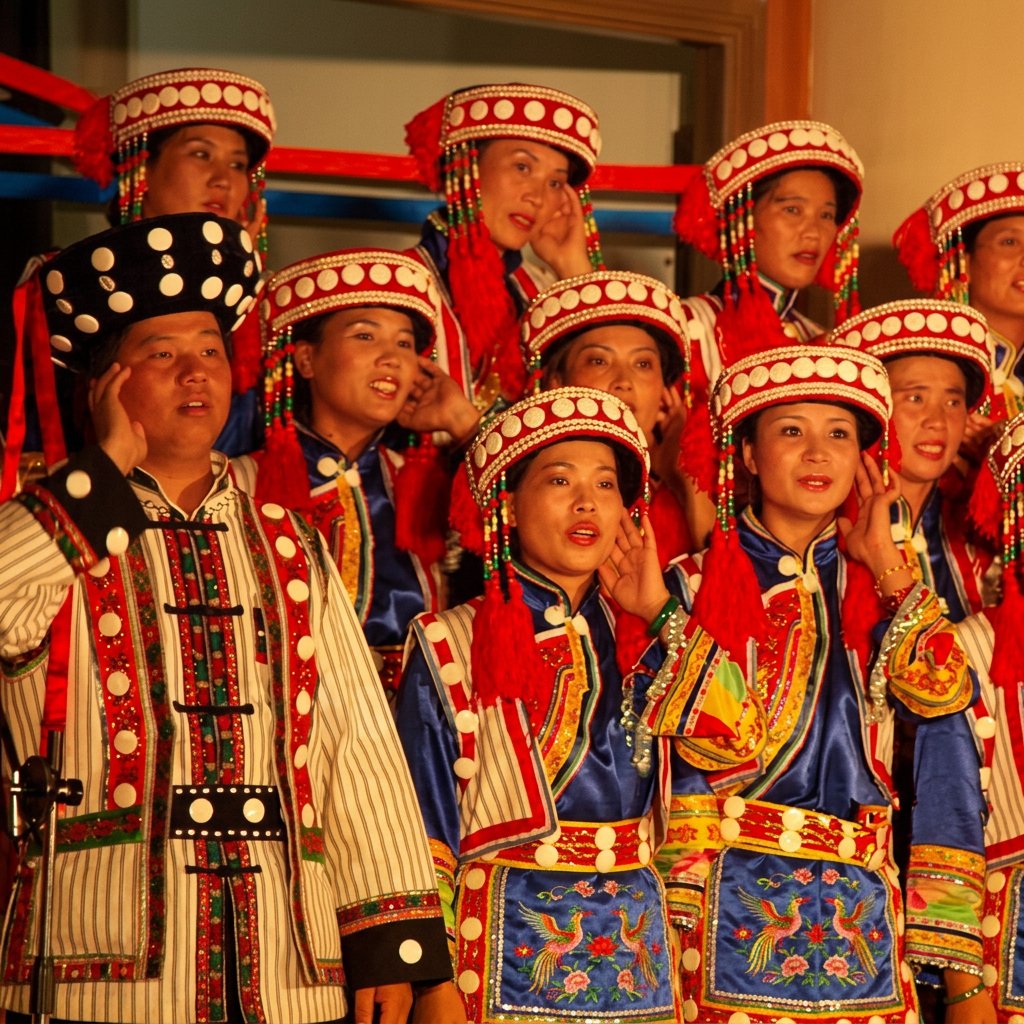
Against this background, the book’s focus on pain and care is crucial. Lau shows how chronic pain from “doing medicine” becomes a form of haunting that keeps silenced histories alive. Zoda’s inability to start the morning fire, his absence from dangerous mountain paths, and his fear of the gorge are not just symptoms of illness; they are reminders of a decision made under coercive policy and of the state’s intrusion into intimate life. Yona explains that “people who do medicine become ill a lot. They don’t have any more strength.” In another case, a couple in Gosa both suffer: the wife is believed to carry a family curse. She is frequently unwell; the husband volunteered for sterilization to protect her, and together they struggle with daily chores and lag behind other families economically.
Women’s bodies carry another register of this haunting. Those who endured repeated abortions speak of heart pain, “nimana,” that can become unbearable. Yona describes the pain in their heart. Drinking hot water can calm the pain a little sometimes, but the pain can become so bad that the heart may peel open and the person can die. Lau recounts the story of Nizi, once known as the most beautiful woman in her village, tall and strong with long dark hair, now frequently ill after multiple abortions. Her niece Nana links Nizi’s fading strength and beauty directly to the policy, showing how reproductive violence reshapes ideals of womanhood and the capacity to participate in community life.
These scenes are not presented as a catalog of victimhood. Lau is interested in how Lisu people live through loss and continue to care for one another. Pain becomes a way of remembering what was taken, and care becomes a way of refusing the state’s attempt to define whose suffering counts. Families adjust workloads, neighbors quietly explain absences, and Christian and non‑Christian networks provide support through prayer, shared meals, and mutual labor. The book traces how these practices of care sustain relationships that do not fit the developmentalist script promoted by officials and missionaries, a script in which Lisu are portrayed as impoverished, primitive, and isolated ethnic minority peasants who must be integrated into the formal economy to become civilized.
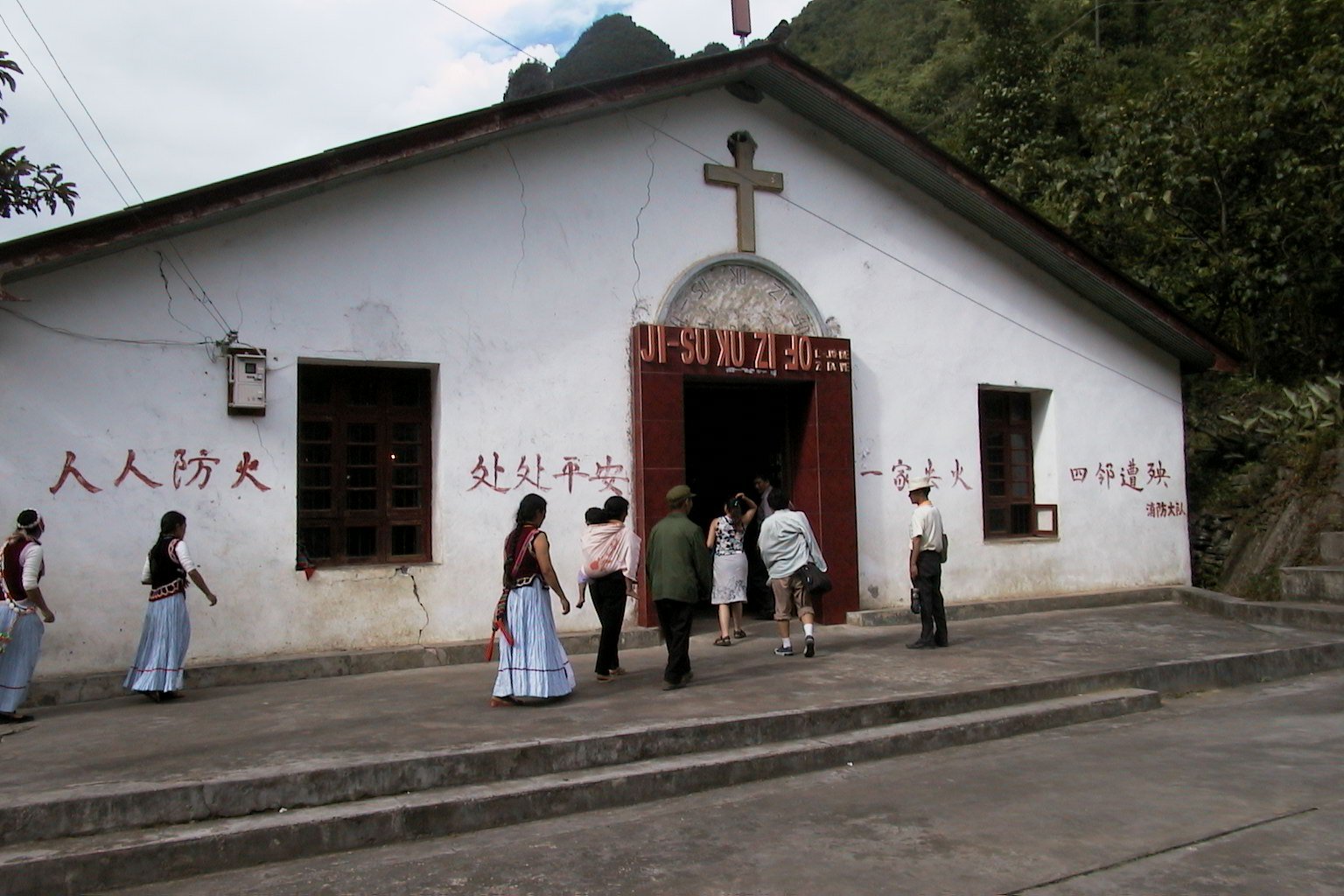
Lau’s theoretical scaffolding draws on indigenous and Black studies, post‑colonial scholarship, and queer and feminist work on embodiment and affect. She engages American Chippewa scholar Gerard Vizenor’s notion of “survivance” to emphasize that indigenous communities do more than survive; they regenerate and enliven cultural practices in creative ways even as states attempt to destroy their world‑making capacities. In her hands, endurance is not passive. It is a politics that allows practices and ideas labeled “backwards” to continue in altered forms, unsettling modern cultures of development and generating new processes and existences. Storytelling, prayer, alcohol drinking, and play are treated as serious modes of decolonial world‑making, not as mere folklore or leisure.
For “Bitter Winter” readers, the book matters beyond the Nu River Valley. Lau’s analysis of Chinese colonialism, sinicization, and reproductive control speaks directly to the situation of Uyghurs in Xinjiang and Tibetans on the plateau. In both regions, authorities present policies of “poverty alleviation,” “vocational training,” and “population optimization” as benevolent modernization. Reports of forced sterilizations, birth‑rate suppression, and the removal of children into boarding schools show that these policies also dismantle indigenous life worlds and reconfigure demography according to Han‑centric norms. Lau’s insistence that development operates through colonial appropriation of land, violence, and ideological domination offers a framework to read these cases together.
Her concept of decolonial endurance is equally relevant. Uyghur and Tibetan communities maintain religious practice, language, and kinship under intense surveillance and repression. They cultivate forms of care, storytelling, and spiritual resilience that do not fit official narratives of “ethnic unity” and “social stability.” Lau’s work suggests that these practices are not marginal details but central to understanding how indigenous peoples under Beijing’s rule continue to world futures for themselves. Pain, in this sense, is not only a symptom of oppression; it is also a medium through which silenced histories circulate and through which communities insist that their suffering and their care remain legible to one another even if the state refuses recognition or compensation.
The book’s strength lies in its refusal to separate grand structures from intimate scenes. Fences, rifles, digitized checkpoints, and development slogans appear alongside morning fires, pig slop buckets, cardamom fields, and conversations on the way to church. The reader sees how colonialism is lived in bodies that ache, in hands that can no longer carry loads, in hearts that hurt after abortions, and in decisions about who will undergo “doing medicine” so that the family can keep its land. At the same time, the reader sees how endurance takes shape in shared labor, in jokes, in prayers, and in the stubborn continuation of practices that officials would prefer to see disappear.
“Decolonial Endurance” deserves attention from anyone concerned with religious liberty, minority rights, and the future of indigenous communities under Chinese rule. It offers a finely observed account of Lisu life in the Nu River Valley and a conceptual vocabulary that travels to other regions where Beijing’s developmentalist colonialism is at work. For Uyghurs, Tibetans, and many others, the question Lau poses—how to live, dream, and hope under colonial conditions—remains painfully familiar, and her answer, grounded in the everyday politics of care and survival, is both sobering and quietly hopeful.

Massimo Introvigne (born June 14, 1955 in Rome) is an Italian sociologist of religions. He is the founder and managing director of the Center for Studies on New Religions (CESNUR), an international network of scholars who study new religious movements. Introvigne is the author of some 70 books and more than 100 articles in the field of sociology of religion. He was the main author of the Enciclopedia delle religioni in Italia (Encyclopedia of Religions in Italy). He is a member of the editorial board for the Interdisciplinary Journal of Research on Religion and of the executive board of University of Pennsylvania Press’ Nova Religio. From January 5 to December 31, 2011, he has served as the “Representative on combating racism, xenophobia and discrimination, with a special focus on discrimination against Christians and members of other religions” of the Organization for Security and Co-operation in Europe (OSCE). From 2012 to 2015 he served as chairperson of the Observatory of Religious Liberty, instituted by the Italian Ministry of Foreign Affairs in order to monitor problems of religious liberty on a worldwide scale.