Odłączenie się nie jest tym samym, co po prostu bycie nieaktywnym. Nie wyklucza się też za drobne błędy, tylko za ciężkie grzechy, za które nie okazano skruchy.


Odłączenie się nie jest tym samym, co po prostu bycie nieaktywnym. Nie wyklucza się też za drobne błędy, tylko za ciężkie grzechy, za które nie okazano skruchy.

Brainwashing was debunked by scholars of new religious movements as pseudoscience already in the 20th century. It now returns in Japan.

Unikanie kontaktów z wykluczonymi byłymi członkami wyznania to typowa praktyka religii monoteistycznych. Uczeni podają argumenty uzasadniające jej stosowanie

Das neue Gesetz verbietet Spenden, die auf „Angst vor Unglück in diesem oder im nächsten Leben und auf dem Vertrauen in „inspirierte“ Lehrer beruhen, und stellt damit alle Religionen unter Verdacht.

The 7th-century Japanese ruler taught that law and its enforcement cannot be independent from conscience.

Ett hårt och orättvist beslut av statsförvaltaren i Oslo och Viken har stoppats genom ett snabbt rättsligt ingripande. Men striden fortsätter.

In 1931, in the landmark case “People v. Blackburn,” the Supreme Court of California stated that claiming an inspired religious knowledge and collecting donations even for a marginal religious movement is part of religious liberty.
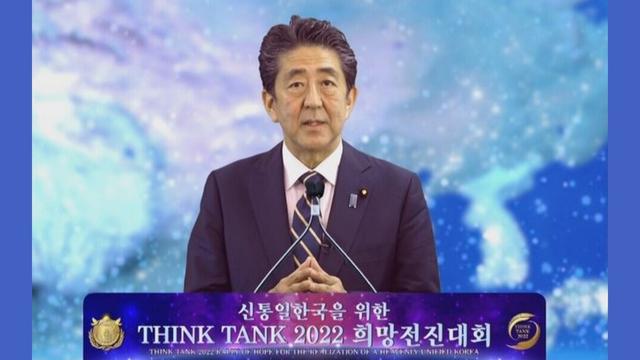
Das japanische Parlament hat Gesetze verabschiedet, die Spenden als betrügerisch einstufen, die durch „Angst“ motiviert sind und bei denen der „freie Wille“ der Spender angeblich unterdrückt wurde.
The new law, by prohibiting donations based on “fear” of misfortunes in this or in the next life and on trust in “inspired” teachers, in fact looks with suspicion at all religions.
El Parlamento japonés ha aprobado leyes que consideran fraudulentas las donaciones motivadas por el “miedo” y en las que supuestamente se ha suprimido el “libre albedrío” de los donantes.