EMISCO has asked the Argentine Attorney General to examine how prosecutors treated Konstantin Rudnev and the young mother they call his victim.
by Bashy Quraishy
Friends sometimes ask me why a network created to defend Muslims in Europe spends time on cases involving Christians or members of new religious movements. My answer has not changed in fifteen years. Discrimination learns its methods on one minority and then applies them to the next, and those who fight it on behalf of a single community end up fighting it badly.
EMISCO, the European Muslim Initiative for Social Cohesion, was founded in The Hague in 2010 and has its seat in Strasbourg. As a member of the Conference of International Non-Governmental Organizations of the Council of Europe and a civil society partner of the OSCE’s Office for Democratic Institutions and Human Rights, it brings the experiences of Muslim communities to European and United Nations forums, working against racism, Islamophobia, and all forms of discrimination together with partners of every faith and of none. Monitoring freedom of religion or belief worldwide, including cases that concern no Muslim at all, belongs to the same mission.
This is why EMISCO, which I serve as Secretary General, has filed a disciplinary complaint with the Office of the Attorney General of Argentina about the conduct of Chief Prosecutor Oscar Fernando Arrigo in the case of Konstantin Rudnev. The name may mean little to most readers, so a few words of background are in order.
Rudnev, a Russian dissident and spiritual teacher, founded a school commonly known as “Ashram Shambhala,” which the authorities of his country, faithful to their habit of calling unwelcome religious minorities “cults,” targeted for years. He was convicted in Russia and served his sentence in full. Having settled in Argentina, he was arrested in 2025 and charged with human trafficking, and the federal prosecutor’s office in San Carlos de Bariloche, headed by Arrigo, has conducted the case ever since.
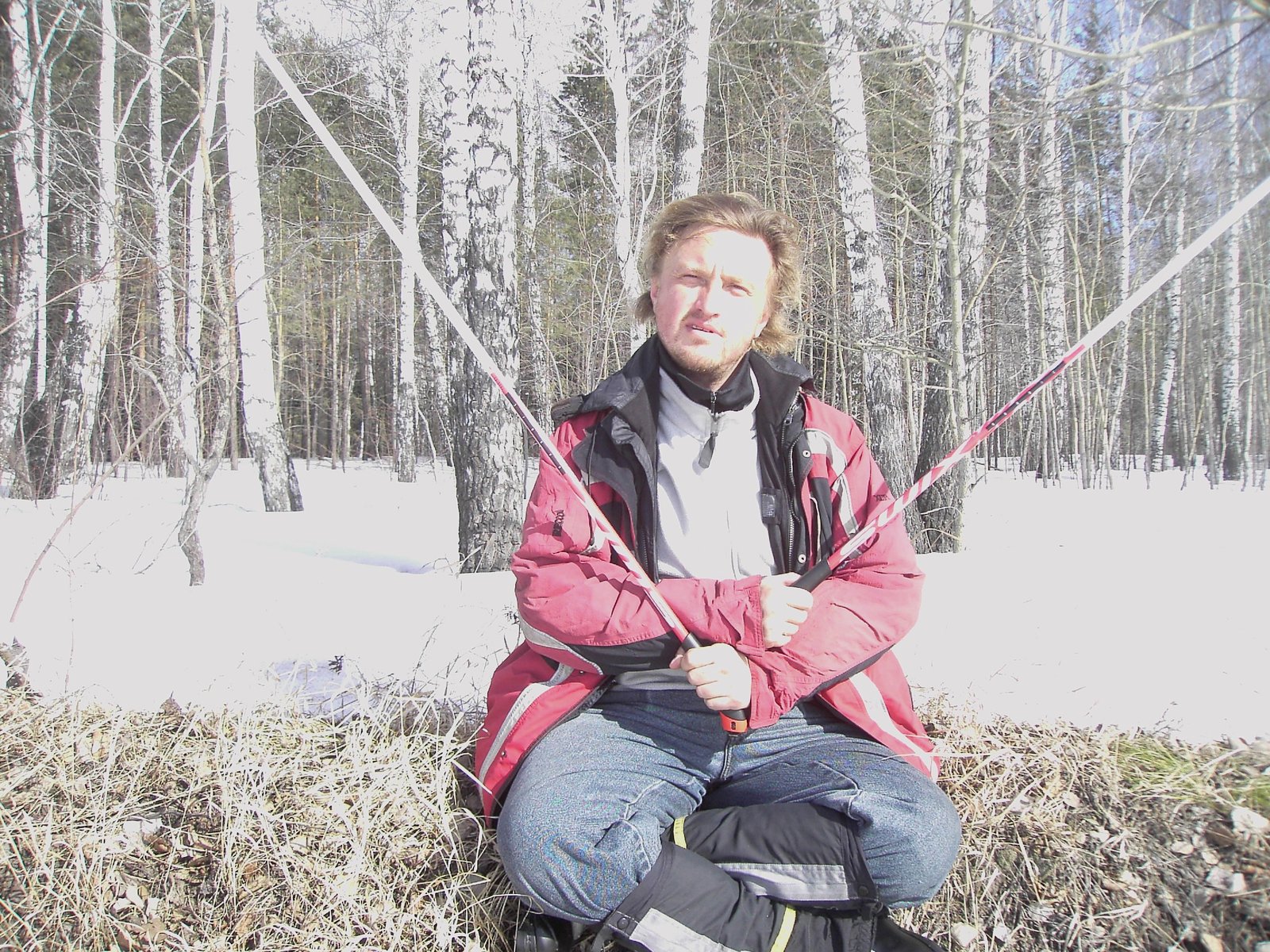
The alleged victim is Elena Makarova, a young Russian woman who traveled to Argentina to give birth. She says she is not a victim, and she has said so in writing again and again. Her handwritten letter of June 2025, addressed to the judge, asked that her name be removed from the list of victims, and in September 2025 she told the court that she had been pressured to accept that role, isolated with her newborn baby in a federal shelter, and kept from freely contacting her lawyer. According to her later filings, the prosecution received the letter and never passed it on to the judge, and her own attorney found himself under criminal investigation for defending her account.
Muslims in Europe know this pattern well. A woman who wears a headscarf is often told she could not have chosen it and that someone must be forcing her. The label “cult” works the same way for members of minority religions, turning faith into a symptom and a person’s own testimony into evidence of manipulation. Makarova’s story looked painfully familiar.
Rudnev himself spent long months in the high-security federal prison of Rawson. Argentine judges ruled in October 2025 and again in April 2026 that house arrest with an electronic bracelet would suffice, and on both occasions the prosecutor’s office appealed and obtained a reversal, first from the review judges and then, in June 2026, from the Federal Chamber of Cassation. By then the Ministry of Security had certified his home as suitable for electronic monitoring, and a court had authorized his transfer to a hospital because the prison’s medical unit could not treat him.
Meanwhile, his health collapsed. Reports by neurologists, cardiologists, surgeons, and orthopedists filed in 2026 describe severe nerve damage in both hands, heart disease that raises the risk of stroke, a spinal condition that has weakened all four limbs, a suspected mini-stroke, and three operations between May and September. Prosecutors nevertheless kept asking for his return to prison. On October 8, 2026, the Forensic Medical Corps of Argentina’s federal judiciary concluded that Rudnev “does not meet the physical conditions to remain held in a penitentiary establishment.”
Our complaint puts four questions to the disciplinary authorities. Did the prosecution respect the word of the woman it designated as a victim? Were its repeated requests for imprisonment grounded in a concrete assessment of the risks and of the alternatives available? Did it weigh the medical evidence each time it took a position? What role did Arrigo play as head of the office whose deputies argued these positions in court?

We read the complaint previously filed against the same prosecutor by ORLIR, the International Observatory of Religious Liberty of Refugees, and relied on the documents attached to it, which our filing cites by number. The analysis is EMISCO’s own and measures the prosecution’s conduct against the duty of objectivity of Argentina’s prosecutors, the exceptional character of pretrial detention, the American Convention on Human Rights, the International Covenant on Civil and Political Rights, the Nelson Mandela Rules on the treatment of prisoners, the United Nations Declaration on the Elimination of All Forms of Intolerance and of Discrimination Based on Religion or Belief, and the Argentine law protecting the right of victims to be heard.
Judicial decisions remain the business of judges, and our complaint leaves them to the courts. EMISCO asked the Attorney General’s office to register the complaint, obtain the case file, review the prosecutor’s conduct, open disciplinary proceedings if the facts are confirmed, keep us informed, and apply the appropriate sanctions, including Arrigo’s replacement in the case.
Some readers may still wonder why a Muslim organization should care about a Russian spiritual teacher in Patagonia. I would answer with a lesson Muslims in Europe learned at great cost. Rights defended only for one’s own community remain fragile everywhere, and the willingness to stand up for others is the best protection any minority can have.
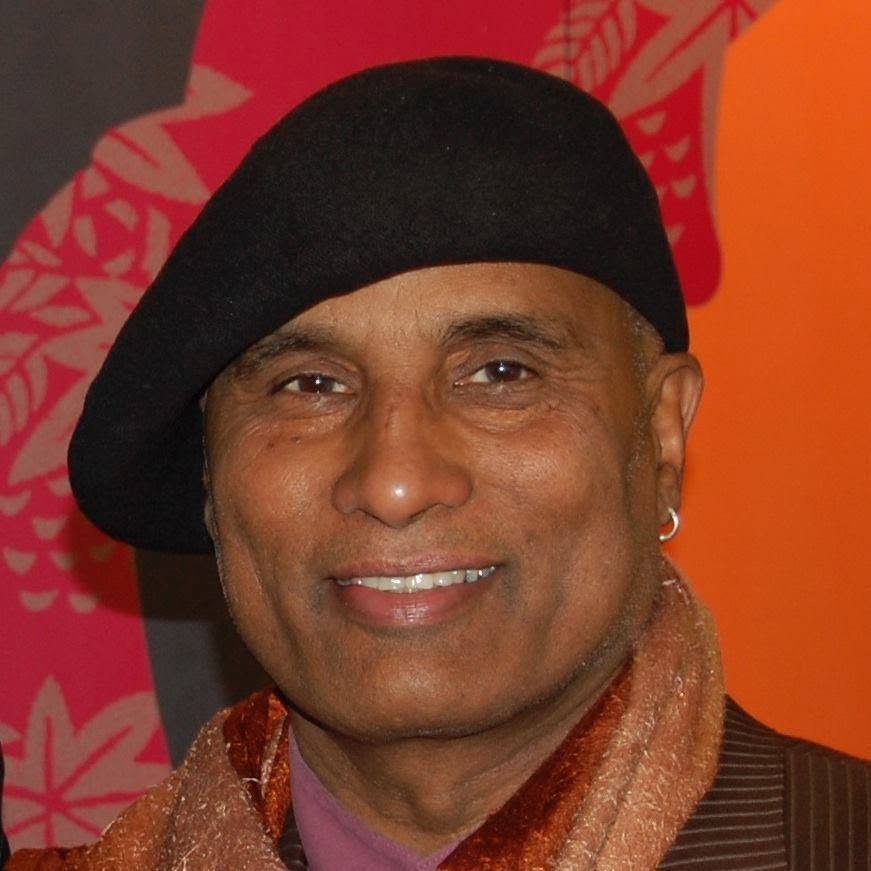
Bashy Quraishy, a Pakistani-Danish human rights activist, served as President of the European Network Against Racism and is the Secretary General of EMISCO, the European Muslim Initiative for Social Cohesion. He has written several books on Europe’s immigration policies.