Recent abductions of Shincheonji devotees and an agreement signed in a Tokyo law office suggest that a criminal practice may be revived.
by Massimo Introvigne

“Bitter Winter” has recently published the text of a paper presented at the CESNUR 2026 international conference in Taichung, Taiwan, on what I called the “triple alliance” between Korean fundamentalist pastors, Japanese leftist anti-cult lawyers, and the Chinese Communist Party. The paper described how these strange bedfellows, who agree on nothing except their hatred of “cults,” cooperated in the campaigns that led to the dissolution of the Unification Church (now Family Federation for World Peace and Unification) in Japan and to the arrests in South Korea of Dr. Hak Ja Han Moon and of Shincheonji’s Chairman Lee Man-hee.
One question remained open. The Korean partners of the alliance include pastors who were, and in some cases still are, professional deprogrammers. Do their friendships in Japan, their continued support from the Chinese Communist Party, and their new protectors in the Korean government mean that deprogramming is coming back?
“Bitter Winter” has covered deprogramming in both Japan and Korea for years. The practice consists of kidnapping adult members of disfavored religious movements, usually at the request and with the active participation of their parents, and confining them until they renounce their faith. Born in the United States, the practice was stopped by courts in North America and Europe before the end of the 20th century. It survived in Japan, where more than 4,000 members of the Unification Church were victims, until the case of Toru Goto, who was confined for more than twelve years. In 2014, the Tokyo High Court held his captors liable, and in 2015 the Supreme Court confirmed the decision. After that, deprogramming in Japan should have ceased, and with a few exceptions it did.
Korea is a different story. Its case law has always been ambiguous. Courts sentence deprogrammers who are caught using open violence, while parents who simply lock up an adult son or daughter at the suggestion of a pastor are often left alone, and police officers called by victims sometimes dismiss the incidents as “family affairs.” Thousands of members of Shincheonji, the World Mission Society Church of God, the Christian Gospel Mission (Providence), and other groups have been victimized. Some died. In December 2017, Shincheonji devotee Gu Ji-in was abducted by her parents for the second time and taken to a remote lodge, where her father bound and gagged her to stop her from escaping. She suffocated, was declared brain-dead, and died in January 2018. The case sparked mass protests in Korea and severe international criticism, including reports from the U.S. Commission on International Religious Freedom (USCIRF) and the U.S. Department of State. Deprogrammers became more cautious, and the number of cases started to decrease.
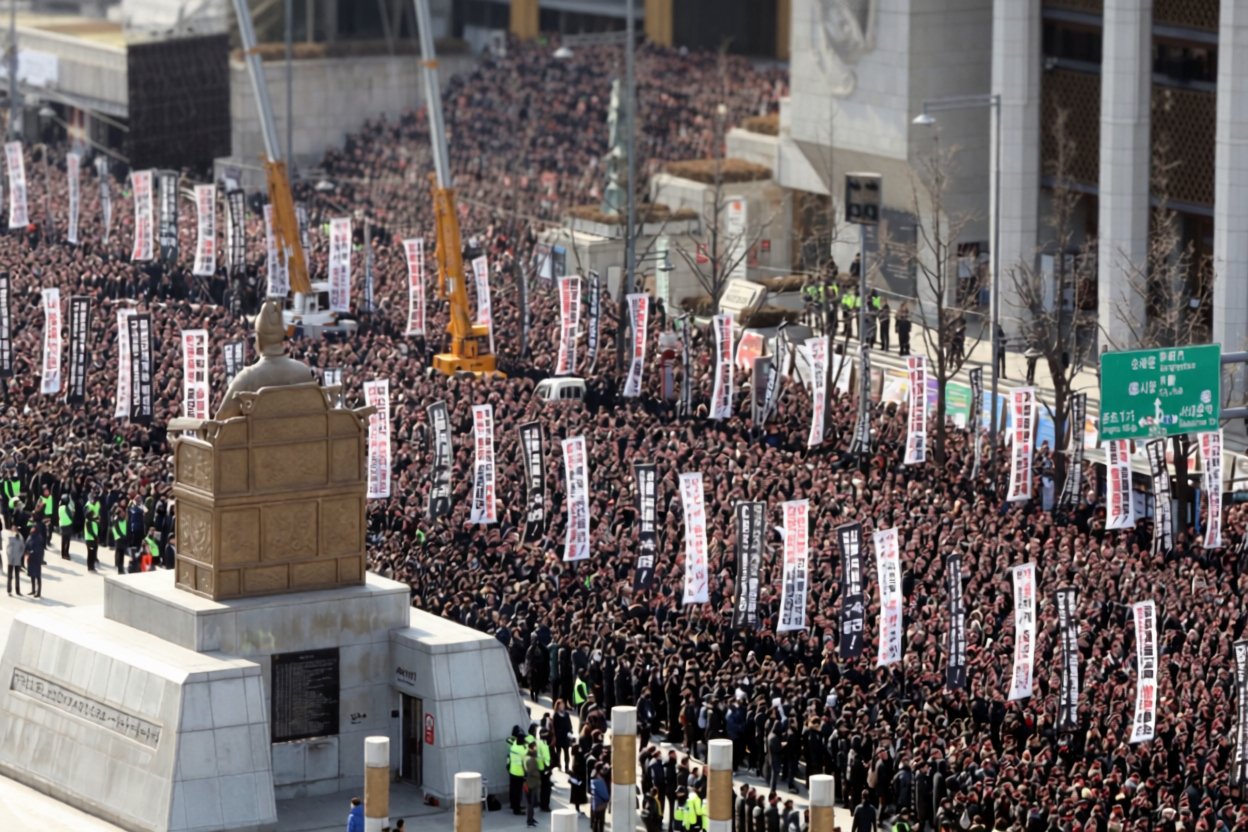
Then the climate changed. The assassination of former Japanese Prime Minister Shinzo Abe on July 8, 2022, by a man who blamed the Unification Church for his family’s misfortunes, unleashed a campaign that ended with the dissolution of the church, ordered by the Tokyo District Court in March 2025 and now final. In Korea, President Lee Jae-myung’s government launched a crusade against “heretical cults” that led to the arrest of Mother Han in September 2025 and of Chairman Lee Man-hee in June 2026. Heresy hunters, who for years had been on the defensive after the Gu Ji-in tragedy, suddenly felt that the government was on their side. Some apparently concluded that the old methods were acceptable again.
Data collected by human rights advocates connected with Shincheonji, and shared with “Bitter Winter,” show what has happened. From January 1, 2003, to October 15, 2026, they documented 2,205 cases of coercive conversion of Shincheonji members. The annual figures grew from a single case in 2003 to 151 in 2013 and 179 in 2016. After Gu Ji-in’s death, they declined to 131 in 2018 and 127 in 2019. The exception was 2020, with 191 cases, the year when Shincheonji was scapegoated in Korea for the COVID-19 epidemic. Deprogrammers prosper in the shadow of public campaigns against their targets. The decline then resumed, with 88 cases in 2022, 64 in 2023, 69 in 2024, and 57 in 2025. In 2026, however, 55 cases had already been recorded by October 15, with two and a half months still to go. The downward trend has stopped and is reversing.
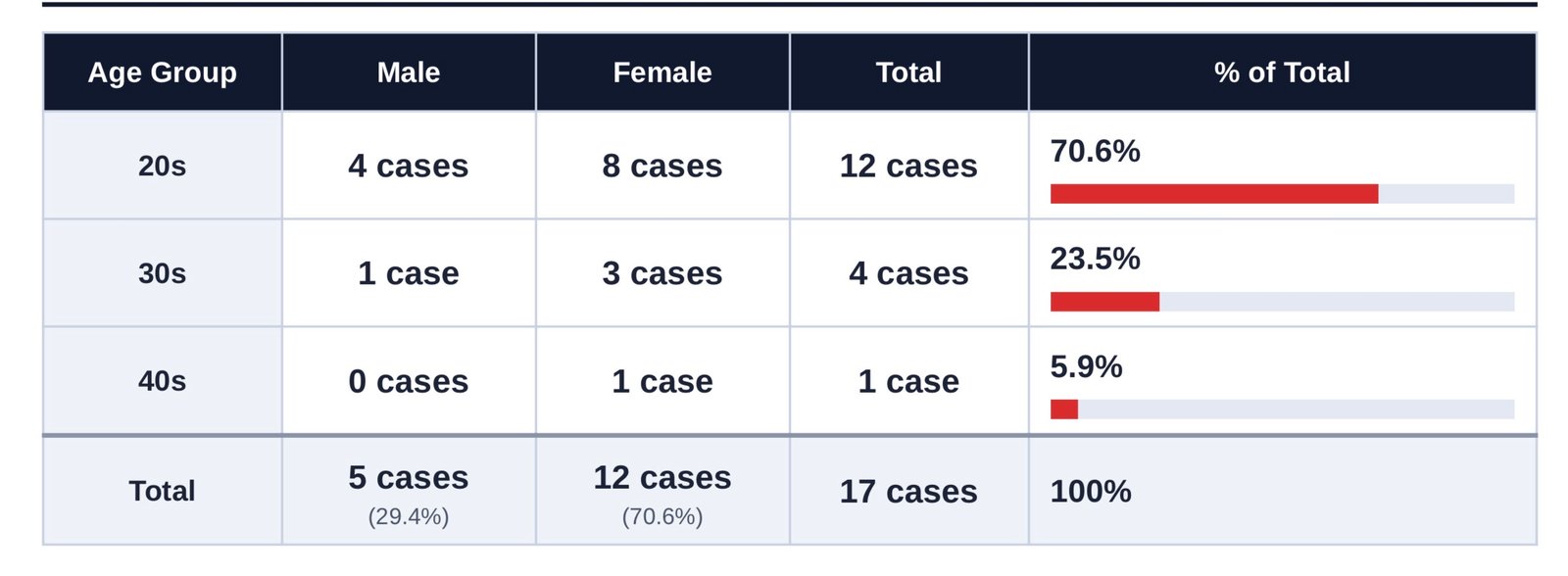
Of the 55 victims in 2026, 42 are women and 13 are men. In 17 cases, which is 30.9% of the total, the victims were physically confined. Twelve of the 17 confined victims were in their twenties, and twelve were women. Restrictions on the freedom to communicate, such as seized phones and isolation from friends and co-religionists, were reported in 52 cases (94.5%), and verbal abuse in 52 cases as well. Among the documented sites of confinement is a guesthouse owned by a Protestant church. From the outside, it looks like an ordinary holiday home with a view of the hills. According to the victims, it is built so that nobody can open the doors from the inside. Hospitality, Korean heresy-hunting style.
Testimonies I examined in Korea earlier this month tell the rest of the story. For obvious reasons, “Bitter Winter” will not reveal names, ages, or places that might identify the victims and expose them to further retaliation. One young woman’s parents followed her until they discovered she attended Shincheonji. They took her by force from the church and confined her for three days in the family home, where she was insulted, threatened, deprived of sleep, and subjected to “conversion education.” Her father threatened her with a knife, and her mother cut her hair by force. Another woman was compelled to leave the room she was renting and to move back with her parents, where her mother struck her legs with a pole from a clothes rack. The family demanded that, as the price for continuing to attend Shincheonji, she pay them a monthly sum for the rest of her mother’s life, sign documents transferring financial obligations, report her daily schedule in detail, and install an app allowing them to track her location in real time. Her mother also chased her with a kitchen knife, stating that the two of them would die together. A male devotee’s family hired a lawyer, presented him with legal documents to modify his family register and waive a gift of shares, and threatened him with a knife, promising to break his ankles if he did not leave Shincheonji. Other members reported boycotts of their businesses organized by local churches and ostracism by their professional associations.
These incidents are not confined to confidential reports. On October 14, 2026, a regional Korean newspaper reported that an adult woman living on her own had failed to show up for work, and a coworker reported her missing. Her parents’ and sister’s phones were also switched off. Location tracking led the police to a villa where all four family members had been living together for about a week, cut off from the outside world, with the aim of persuading the youngest daughter to change her “religious activities.” On the spot, the woman told the police that she was not confined and did not want anybody punished. The police commented that one statement was not enough and that they would keep monitoring her wishes over time. Those familiar with deprogramming know that victims who are still in the hands of their families often say exactly what their families want them to say.
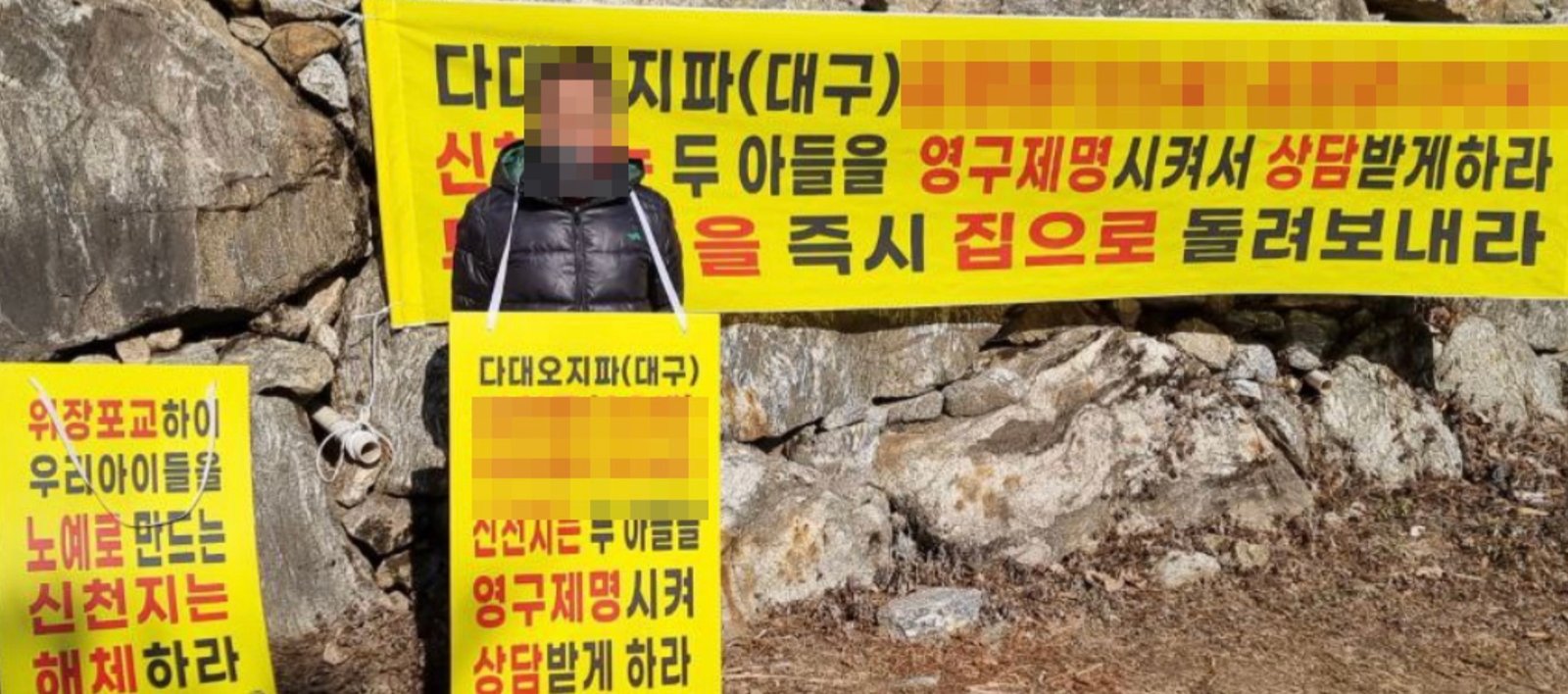
Who trains the families? In Korea, deprogrammers rarely carry out the kidnappings themselves. They instruct the parents, who abduct their adult children and bring them to a church, a guesthouse, or a “counseling center,” where the pastors take over. Families who protest in front of Shincheonji churches are part of the same system. Between October 2025 and October 15, 2026, Shincheonji documented 24 such protests, with banners demanding that sons and daughters be sent home for “counseling,” sometimes displaying the names and personal information of the devotees, even though the protesting parents were in contact with their children without difficulty. Some banners were signed by a “heresy counseling” center. Reporting these protests and promoting them is a website run by Ms. O Myung-ok, a rabid anti-cult activist whose activities were mentioned in a Church of Almighty God refugee case in Italy, where the Court of Rome noted in a decision of June 14, 2024, that, according to Italian intelligence, she was a “special agent” of China.
This brings us back to Pastor Jin Yong-sik, the central node of the triple alliance. Jin is the senior pastor of Ansan Sangnok Church, which belongs to the Hapdong branch of the Presbyterian Church in Korea, and the president of the Korea Christian Heresy Counseling Center Association, known in Korean as Hansanghyeop. He also presides over the World Association Against Heresy, where Chinese Communist Party anti-cultists cooperate with and offer their support to Korean heresy hunters. He is credited with systematizing the methods of “heresy counseling” in Korea and with building a national network of counseling centers, which, according to the association’s own media, now number 25. He is also a convicted felon.
On October 27, 2008, the Korean Christian magazine “Church & Faith,” which is sympathetic to the anti-cult cause, reported that the Third Division of the Supreme Court of Korea had confirmed Jin’s sentence to ten months in prison, suspended for two years, for aiding night-time joint confinement and committing night-time joint coercion under the Act on the Punishment of Violence. The victims were members of the World Mission Society Church of God.
The appellate court whose decision the Supreme Court upheld called the acts of Jin and his co-defendants “grave crimes violating physical liberty and religious freedom under the pretext of recommending conversion.” It added that they deserved severe punishment, also because they had never shown repentance. It rejected the defense’s claim that the acts were justified as socially acceptable behavior. Two members of Jin’s church received suspended sentences of six and four months.

Some victims had been committed to a mental institution, and their families declared that they had followed Jin’s advice to send them to a psychiatric hospital or a sanatorium. Two psychiatrists were convicted of confinement on appeal and fined. In a parallel civil case, on October 9, 2008, the Supreme Court dismissed the defendants’ appeal, confirming that Jin and the two church members should each pay 7 million won in damages to one of the victims, and that all defendants, including a psychiatrist and the hospital, were jointly liable for 20 million won. The civil court explained that trying to convert someone against her will could never be a legitimate purpose, and that confining her and having her committed to a psychiatric hospital were means far too harsh to be tolerated. A 2012 investigation later revealed that Jin’s deprogramming business had earned him more than one billion won.
As readers of “Bitter Winter” know, the conviction did not end Jin’s career. It globalized it. He hosted the secret meeting at Mokwon University in Daejeon in August 2025, where Korean anti-cultists, a Japanese scholar, and Chinese Communist Party delegates called for decisive action against the Family Federation and other “cults.”
“Christian Portal News,” a Korean anti-cult outlet, had also reported on a “Korea-China Anti-Heresy Experts Academic Forum” organized in China at Northeastern University in Shenyang by Jin’s associations on July 21, 2023. It was attended by Chen Dequan and Zhang Chunli, two of the Chinese protagonists of the triple alliance who were also at the Mokwon University secret meeting.
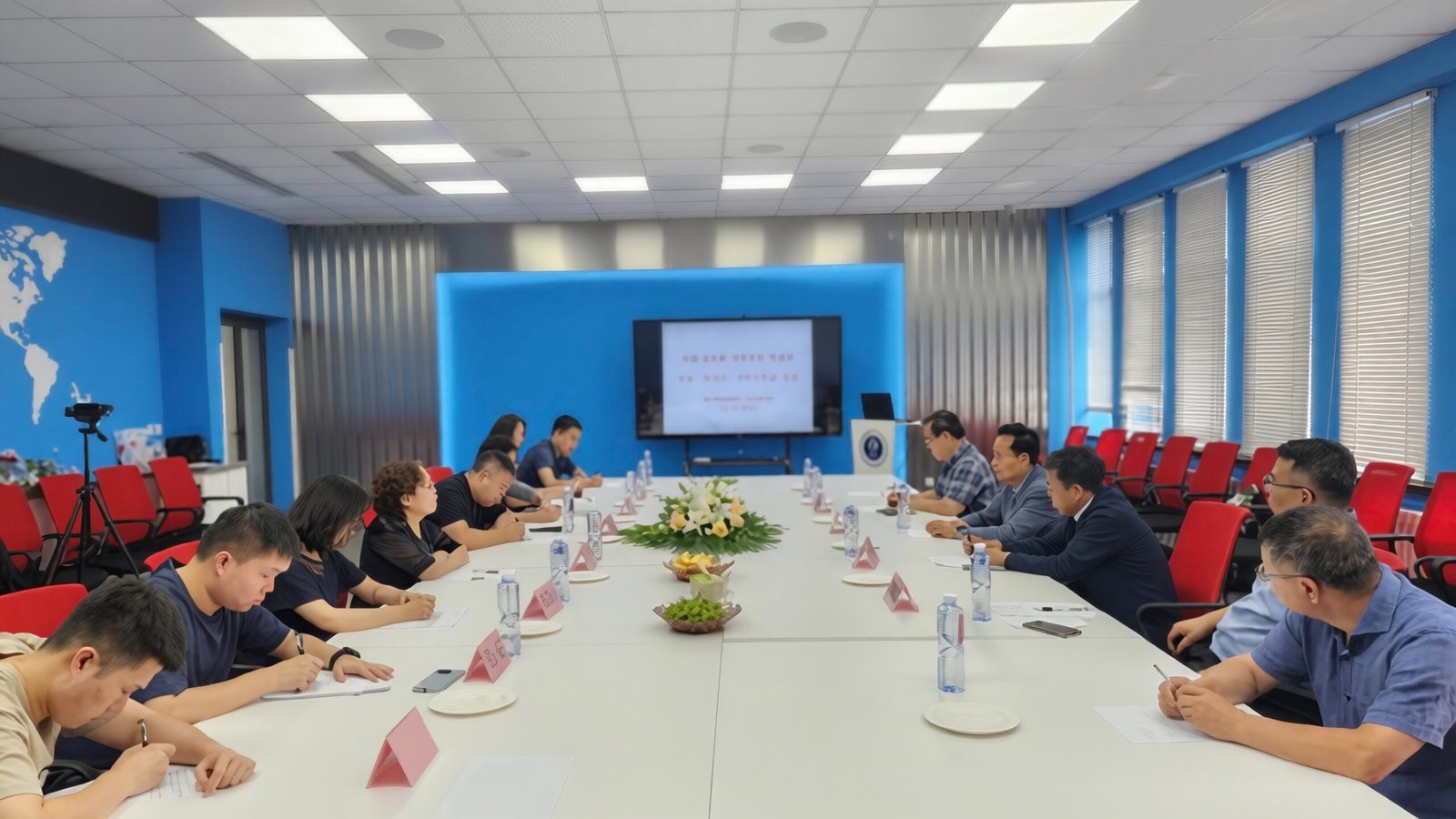
Since 2023, Jin has toured the world lecturing against Shincheonji and the Unification Church while supporting China’s repression of The Church of Almighty God and Falun Gong. The third corner of the triangle, the Chinese Communist Party, is never far away.
But what about the second corner, Japanese anti-cultism? Jin’s network has a Japanese branch, and its leader is the second key figure of this story, Pastor Jang Cheong-ik. Jang is the senior pastor of Tonari Church of Christ in Tokyo, the director of the Japan Christian Heresy Counseling Center, and the representative of a “Heresy & Cult Hotline 110.” He came to Japan as a missionary of GMS, the mission arm of Jin’s own Hapdong denomination. “Church & Faith” reported on November 15, 2010, that the Japan Christian Heresy Counseling Center had been inaugurated on November 9 of that year with a thanksgiving service at a Korean church in Shinjuku, Tokyo. The magazine explained that the center had been founded to counter the Korean “heresies” that had entered Japan, starting with the Unification Church, and to convert the souls who had fallen into them.
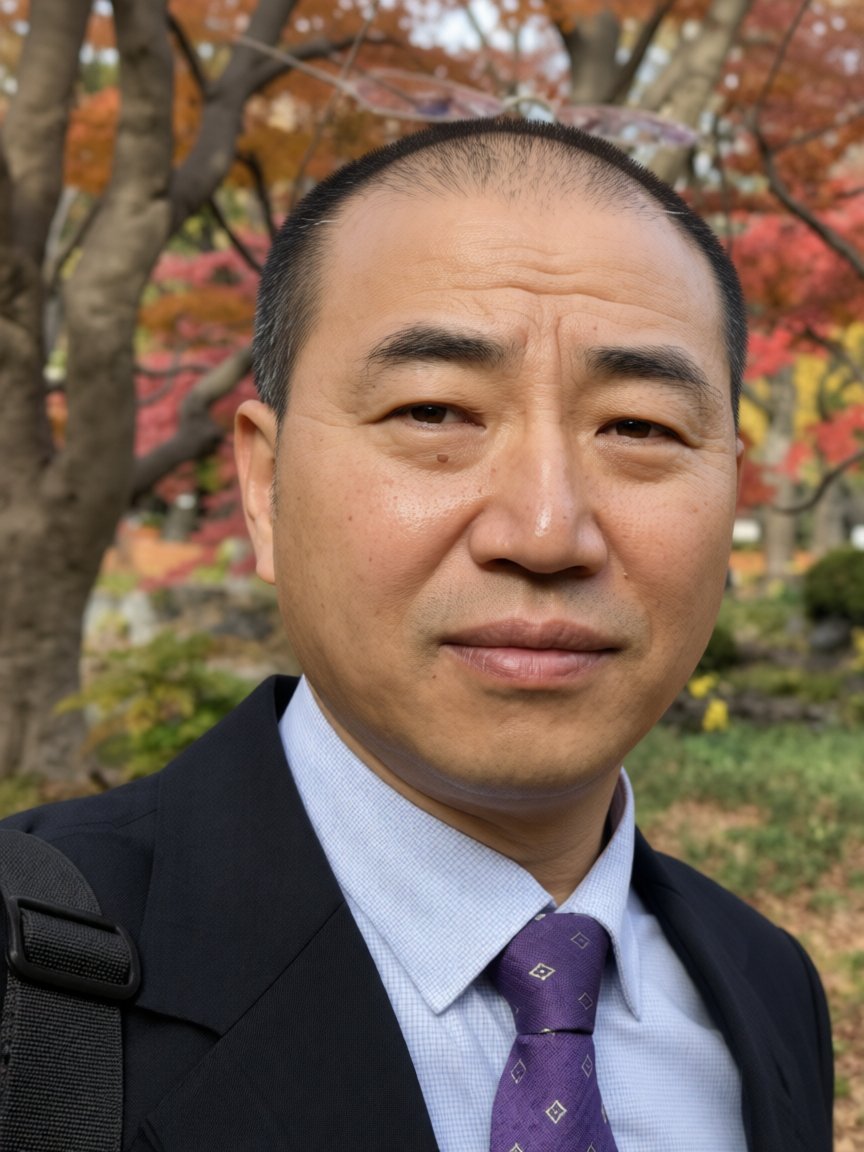
The preacher at the service was none other than Jin Yong-sik, at that time chairperson of the national council of Korean heresy counseling centers, who had been definitively convicted two years earlier. His sermon was titled “Why do we do heresy counseling?” According to the magazine, he explained that about forty false Christs were active in Korea and that some two million of Korea’s 8.6 million Christians had fallen into heresies, and he defined “heresy counseling” (i.e., deprogramming) as a gospel movement saving these souls from the road to perdition. Jang told the audience that he became aware of the problem after meeting a young Unification Church member during campus evangelism, and that protecting Japanese souls who had become the “prey” of Korean heresies was part of a Korean missionary’s mission. The center would rely on seven research members, four in the Kanto region and three in Kansai, and would translate Korean anti-heresy literature into Japanese.
The Tokyo center was never an independent initiative. A Korean Christian weekly reported at the time that Jin’s Korean center and the Council of Korean Churches in Japan had launched it jointly. Hansanghyeop’s statements and its national list of directors include a “Japan (Tokyo) Counseling Center Director,” and in 2019 the two organizations jointly launched the “Heresy & Cult Hotline 110.” In short, it is a branch office of Jin’s deprogramming business in Korea.
After the Abe assassination, Jang’s center joined the campaign against the Unification Church led in Japan by the leftist lawyers, and in 2025 Jang railed against the “connection” between Japanese politicians and the church, the favorite theme of the lawyers’ network.
The crucial document is an article published by “Christian Portal News” on January 13, 2025. It reported that on January 8, 2025, Hansanghyeop, represented by Jin Yong-sik, and the National Network of Lawyers Against Spiritual Sales, represented by attorney Hiroshi Yamaguchi, signed an agreement for “the relief of victims of heretical and pseudo-religious groups and the prevention of damage.” Yamaguchi is one of the historical founding fathers of the lawyers’ network, which, as investigative journalist Masumi Fukuda has documented, was established in 1987 by attorneys belonging to the Communist and Socialist parties. Hansanghyeop proposed the agreement to the lawyers through the mediation of Pastor Jang.
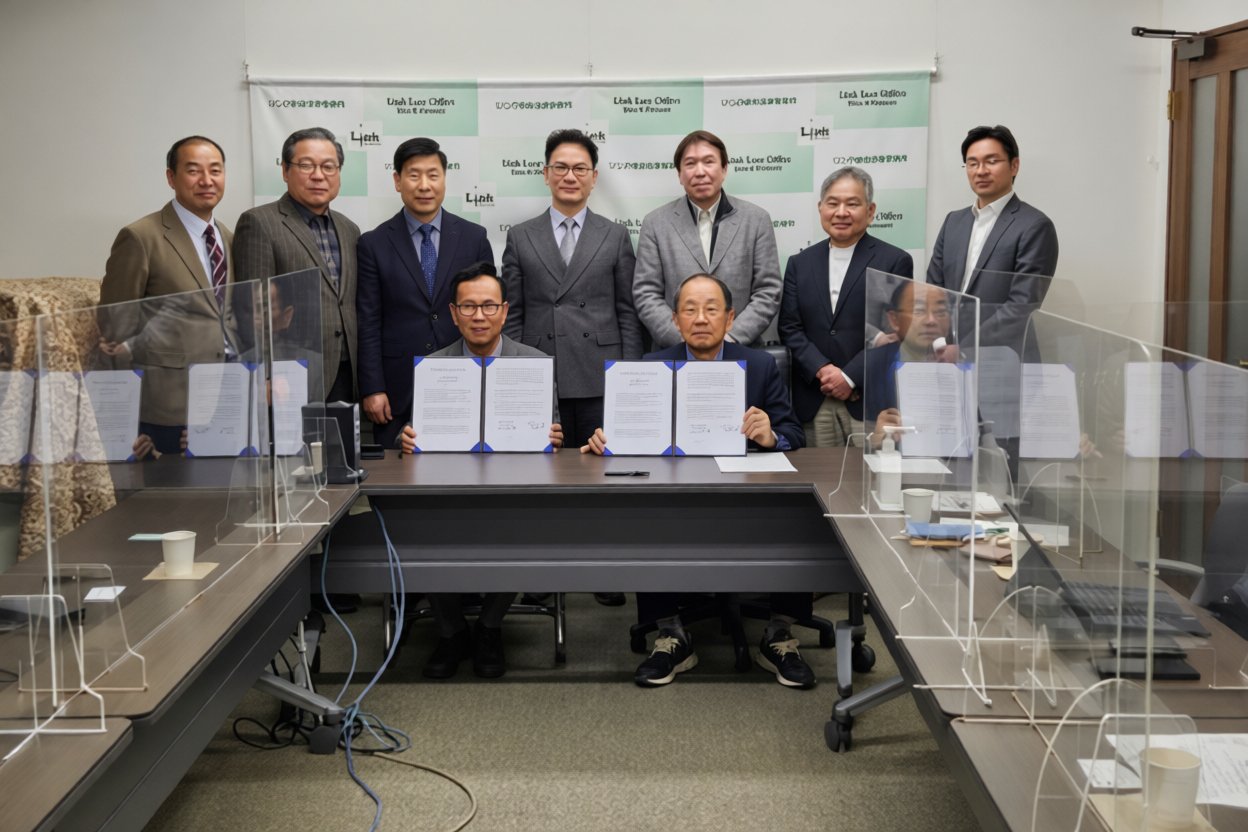
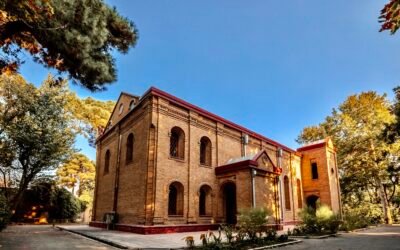
The venue was as significant as the signatories. The ceremony took place in Tokyo’s Chiyoda district, in the offices of Link Law Firm, the firm of attorney Masaki Kito, another leading figure in the Japanese anti-cult movement and in the legal offensive against the Unification Church. The photographs published by the Korean outlet show Jin and Yamaguchi signing and shaking hands. Behind them stood Pastor Jang and the directors of the heresy counseling centers in Gwangju and in Incheon and Goyang, along with the head of the anti-heresy institute of the Kosin Presbyterian denomination. Attorney Hiroshi Watanabe, whom readers of my CESNUR paper may remember from the Seoul press conference he held with deprogrammer Pastor Oh Myeong-hyeon two weeks after Abe’s assassination, also attended. One would expect a network of lawyers to check the criminal record of the persons they sign agreements with. Perhaps they did and found nothing objectionable.
According to the article, Jin opened the ceremony by repeating his estimate of forty self-proclaimed messiahs in Korea and added that their victims were two million. In this arithmetic, every member of a disfavored religious movement is a “victim” and, one may add, a potential target of deprogramming. Jin lamented that Korea, while guaranteeing religious freedom, had no legal instruments to prevent the damage caused by “pseudo-religions,” and asked for help from Japanese lawyers, whose experience and precedents he hoped to use to obtain a law regulating such groups in Korea. The article’s subtitle confirmed that supporting legislation was one of the agreement’s main purposes.
Yamaguchi described the legal campaign against the Unification Church in Japan, from the law passed at the end of 2022 to the government’s 2023 request to dissolve the church, and answered a question by Jin about the “right to ask questions” exercised by the Ministry of Education, Culture, Sports, Science and Technology, a power introduced after the 1995 Aum Shinrikyo attack and used against the Unification Church for the first time. Then came the most interesting part. Yamaguchi explained that, although legal and administrative measures in Japan had been strengthened, the pastors in charge of “heresy counseling” (most of whom had been involved in deprogramming before the Toru Goto Supreme Court decision) were aging, and there was “a serious shortage of ‘counseling personnel.’” He said he envied the systematic way in which Korea runs its “counseling centers.”
In Japan, “counseling” by pastors of former members of the Unification Church was the euphemism used for decades to describe deprogramming. The ministers who confined Toru Goto and thousands of others also called their activity “counseling.” Those who did the job in the 1980s and 1990s are now old, and some of them are dead. Yamaguchi’s lament about the aging of counseling pastors sounds like nostalgia for an era the Goto decision was supposed to have closed. His envy of the Korean centers, coming from the lawyer who had just signed an agreement with the man who built them, invites an obvious conclusion. Japan lacks trained “counselors”; Korea has 25 centers full of them, and the agreement provides for the two organizations to share information and seminars and to carry out “relief and prevention activities” jointly. Read together, these statements suggest Korean deprogrammers are training a new generation of Japanese ones.
The lawyers also asked for information about the “counseling” activities conducted in Korea on major groups, and specifically about the case of Jeong Myeong-seok, the leader of the Christian Gospel Mission (Providence), including the reactions of members to the Supreme Court decision against him and copies of the verdict, which Hansanghyeop promised to provide. Watanabe asked about a group of ex-members of the Christian Gospel Mission reportedly formed after the Netflix documentary “In the Name of God: A Holy Betrayal,” and Jin promised his full cooperation. The new targets, it seems, are already being selected.
Pastor Jang had the final word. He told “Christian Portal News” that the joint action of Korean and Japanese experts would make prevention and “rescue ministry” more efficient, called the agreement a breakthrough in “citizens’ diplomacy,” and said it would greatly help the Japanese “victims” of Korean heresies. “Rescue” is the word deprogrammers throughout the world have always used for what courts call kidnapping and confinement. Jin’s 2010 sermon in Tokyo had already defined heresy counseling as rescuing souls from perdition. The agreement’s vocabulary is cautious, as one would expect from a text drafted in a law firm, but those who know the history of deprogramming in Korea and Japan will have no difficulty decoding it.
The two Korean articles, the confidential data on Shincheonji victims, and the conclusions of my CESNUR 2026 paper fit together. In Korea, a government campaign against “heretical cults” has given new legitimacy to the heresy counseling centers, and the number of coercive conversion cases has stopped falling. Among those who preside over this network is a pastor whom the Supreme Court found guilty of crimes against the physical liberty and religious freedom of his victims, and who cooperates with the Chinese Communist Party’s anti-religious apparatus. In Japan, the lawyers who obtained the dissolution of the Unification Church have formally allied with him and his Tokyo branch, in a law office whose senior partner is one of the campaign’s protagonists, and have publicly complained that Japan no longer has enough “counselors.”
Deprogramming is regarded as a crime in all democratic countries, and for good reason. Its victims are adults who have done nothing except choose a religion their families and their pastors dislike. In Korea, where the courts never fully closed the door, the practice may return in full swing under the protection of President Lee’s anti-heresy crusade. In Japan, the Goto decision should be a sufficient barrier, but ten years ago few would have predicted that a democratic country would dissolve a religious organization because a gunman hated it. Governments, international organizations, and the human rights bodies that once denounced the calvary of Toru Goto and the death of Gu Ji-in should watch closely. The triple alliance has already shown that it can achieve its aims. Allowing it to reopen the guesthouses with doors that cannot be opened from the inside would be a tragedy for religious liberty in East Asia.

Massimo Introvigne (born June 14, 1955 in Rome) is an Italian sociologist of religions. He is the founder and managing director of the Center for Studies on New Religions (CESNUR), an international network of scholars who study new religious movements. Introvigne is the author of some 70 books and more than 100 articles in the field of sociology of religion. He was the main author of the Enciclopedia delle religioni in Italia (Encyclopedia of Religions in Italy). He is a member of the editorial board for the Interdisciplinary Journal of Research on Religion and of the executive board of University of Pennsylvania Press’ Nova Religio. From January 5 to December 31, 2011, he has served as the “Representative on combating racism, xenophobia and discrimination, with a special focus on discrimination against Christians and members of other religions” of the Organization for Security and Co-operation in Europe (OSCE). From 2012 to 2015 he served as chairperson of the Observatory of Religious Liberty, instituted by the Italian Ministry of Foreign Affairs in order to monitor problems of religious liberty on a worldwide scale.