United Nations warns that the situation of Christian communities in Iran has reached a critical moment and urges immediate protective measures.
by Massimo Introvigne
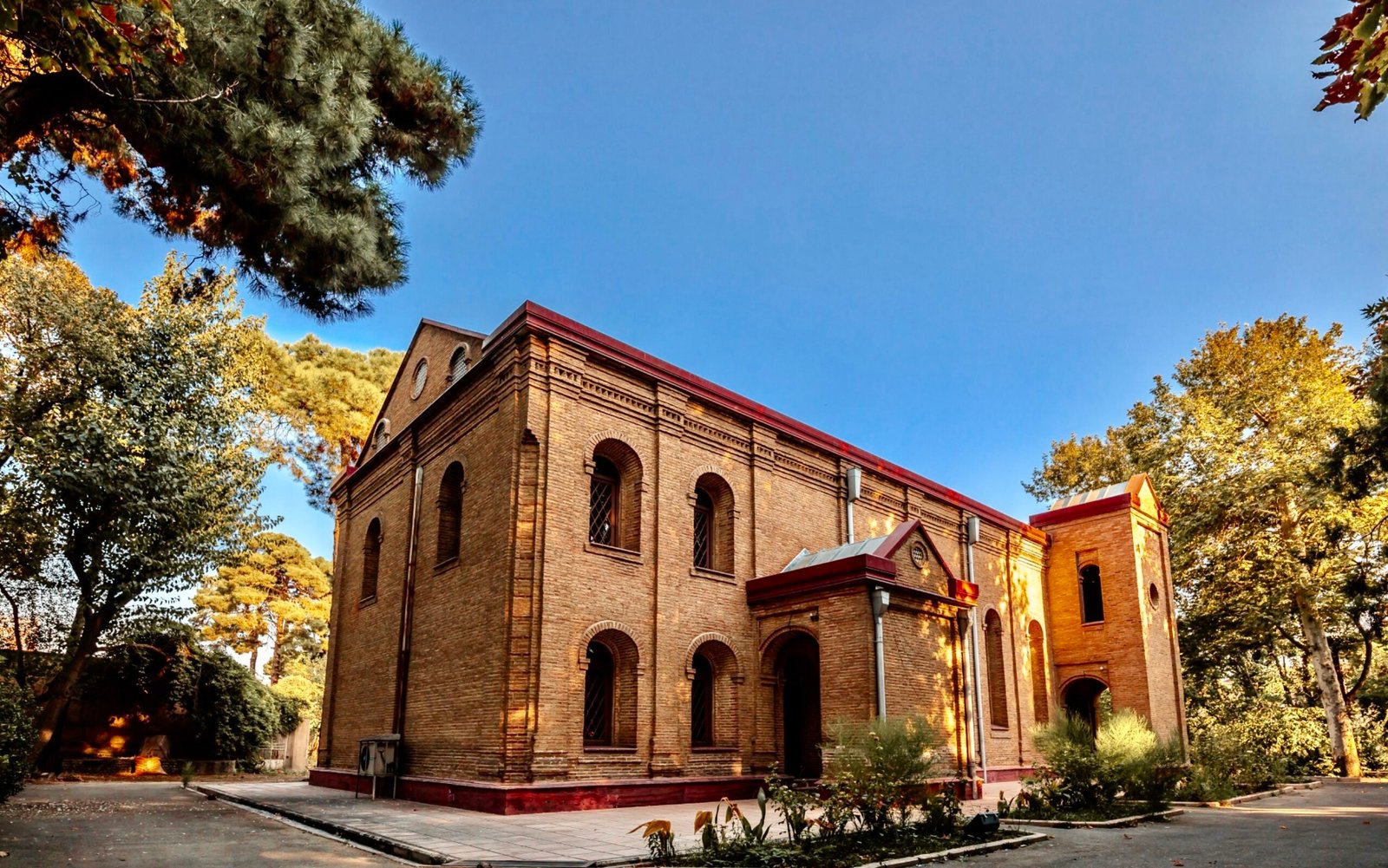
The United Nations has released a communication addressed to the Government of the Islamic Republic of Iran concerning the imminent confiscation of the compound of St Peter’s Evangelical Church in Tehran, the oldest Protestant church in the country, and the forced eviction of its residents. The letter, dated 10 July 2026 and registered as UA IRN 10/2026, was sent by the Special Rapporteur on the situation of human rights in Iran, Mai Sato, and the Special Rapporteur on freedom of religion or belief, Nazila Ghanea. Under UN protocol, such communications are made public after sixty days if no government reply is received, which has now occurred.
The rapporteurs describe information received about the order issued in late June requiring twenty families living in the compound to leave their homes within two weeks. According to the communication, these families belong to Iran’s recognized Armenian and Assyrian Christian minorities and have lived in the compound for many years. The letter states that they have low incomes and depend on the church’s support. It also reports that church leaders were warned that they could face arrest if the families remained. The rapporteurs quote an account that on 28 June, six Ministry of Intelligence agents visited the compound and stayed for several hours, telling residents they had come so the residents would become accustomed to their presence.
The communication explains that the planned confiscation of St Peter’s is part of a long sequence of actions targeting Christian properties. It recalls that on 9 May 2019, agents of the Ministry of Intelligence and EIKO raided the Assyrian Presbyterian church in Tabriz, changed the locks, destroyed the cross on the tower, ordered the warden to leave, and installed surveillance cameras. It also reports that on 4 June 2026 an Evangelical church building in Mashhad was demolished without warning or explanation, after having been forced closed more than twenty years earlier. The rapporteurs note that these incidents follow earlier confiscations, including the seizure of a 10,000‑square‑metre retreat center in Karaj in 2018 and the closure of an Assemblies of God church in Gorgan, which remained unused for more than twenty‑five years before being offered for sale on EIKO’s website.
The communication describes the cumulative effect of these measures. It recalls that around fifty Protestant churches once offered services in Persian in Iran, and that today there are effectively none. The rapporteurs explain that the three Anglican churches that had been permitted to preach in Persian in Tehran, Isfahan and Shiraz have not reopened since the COVID‑19 pandemic.
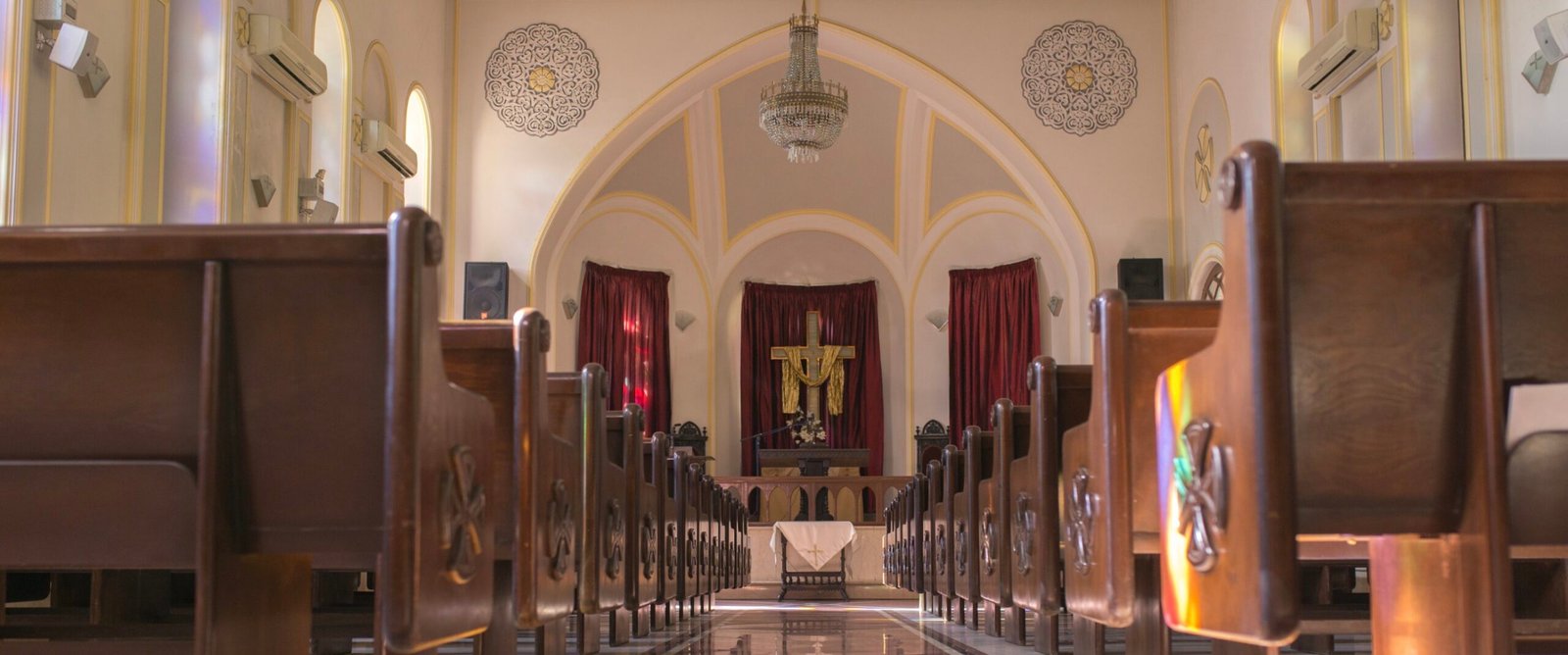
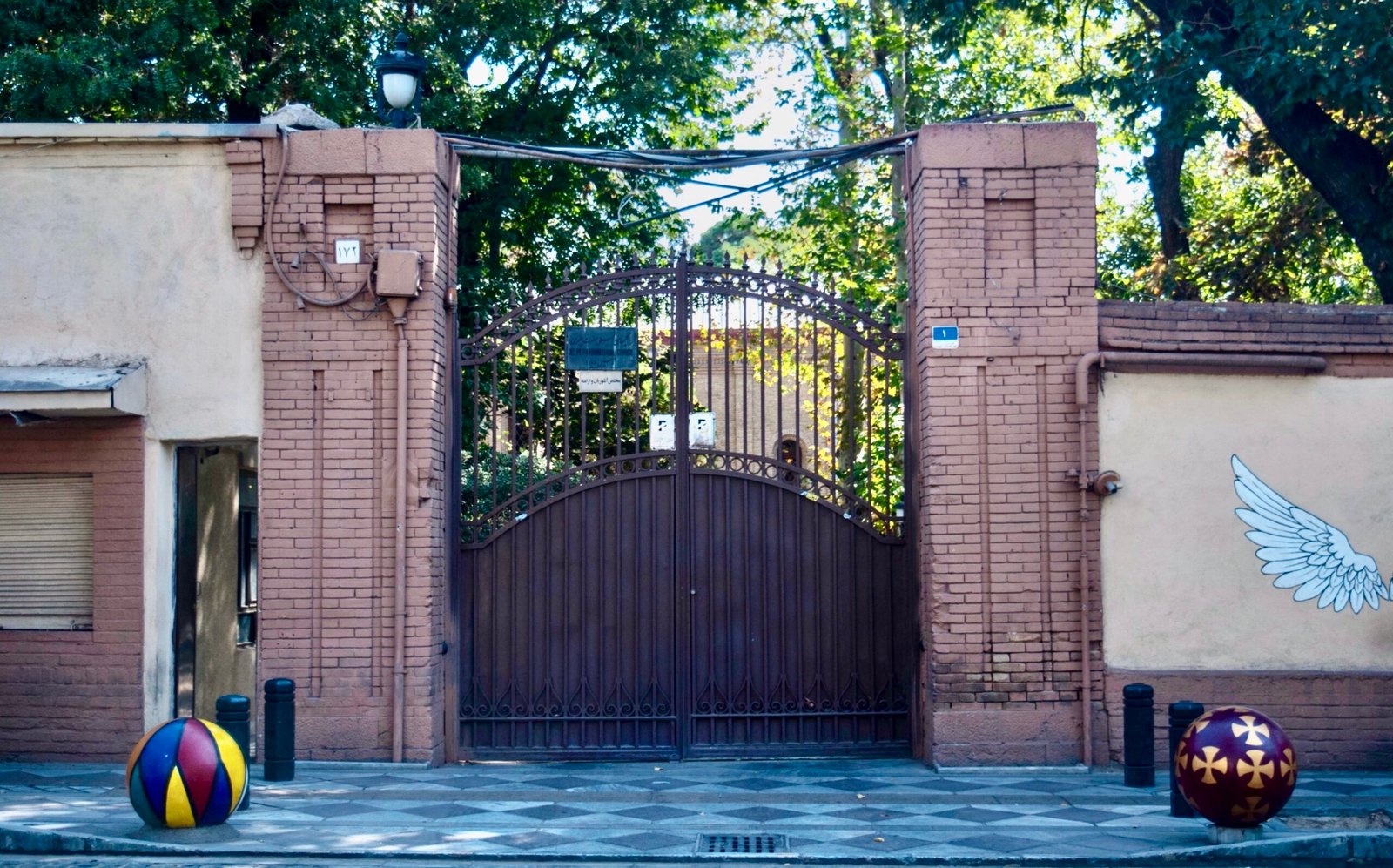
The letter provides detailed context about St Peter’s Evangelical Church. It explains that the compound covers approximately ten acres and includes the church building, two schools, homes for twenty families, and offices of the Bible Society and the Council of Evangelical Churches of Iran. It recounts that the Council was established in 1970 and included Assyrian, Armenian, and Persian‑speaking representatives. After the 1979 revolution, the authorities declined to recognize the Persian‑speaking representative. The Council was able to register again in 1980 but was later required to re‑register and has never been permitted to do so. The rapporteurs state that this lack of recognition has facilitated the confiscation of its property.
The communication quotes the history of state interventions in the compound. It recalls that the two schools were taken over after the revolution and now operate as state schools. It notes that the Bible Society offices were forcibly closed in 1990 temporarily pending an investigation that never concluded. It also recounts that in 1998 a Revolutionary Court ruled that the entire compound should be handed over to EIKO, and that the Council only learned of the ruling in 2008. The rapporteurs state that the case was closed at the direction of the Office of the Supreme Leader. They also recall that in 2013 the church was forced to cease its Persian‑language services to prevent Christians of Muslim background from attending.
The rapporteurs express grave concern at the imminent confiscation of the compound and the eviction of its residents. They write that these developments appear to be the culmination of a decades‑long pattern of measures directed against the Christian community in Iran, especially Persian‑speaking worship. They state that the allegations appear to contravene articles 17, 18, 22 and 27 of the International Covenant on Civil and Political Rights and article 11 of the International Covenant on Economic, Social and Cultural Rights, as well as the 1981 Declaration on the Elimination of All Forms of Intolerance and of Discrimination Based on Religion or Belief.
The communication includes several verbatim reminders of international standards. It recalls that article 18 of the ICCPR guarantees the right to freedom of thought, conscience and religion, including the freedom to manifest one’s religion or belief in worship, observance, practice and teaching. It cites the Human Rights Committee’s General Comment No. 22, which states that the freedom to manifest religion or belief includes building places of worship and that limitations must be established by law, directly related to a specific need, and proportionate, and may not be imposed for discriminatory purposes. It also recalls article 27 of the ICCPR, which provides that persons belonging to ethnic, religious or linguistic minorities shall not be denied the right to enjoy their own culture, to profess and practice their own religion, or to use their own language.
The rapporteurs also refer to article 11 of the ICESCR and General Comment No. 7, which state that forced evictions are prima facie incompatible with the Covenant and that evictions should not render individuals homeless. They recall that appropriate procedural protections must be afforded, including genuine consultation, adequate notice, legal remedies, and measures to ensure adequate alternative housing.
The communication asks the Government of Iran to provide information on eight specific points. These include the legal basis for the 1998 ruling transferring the compound to EIKO, the legal basis for the eviction order, the procedural safeguards offered to the residents, the reported threats of arrest against church leaders, the refusal to permit the Council of Evangelical Churches of Iran to re‑register, the continued closure of the Bible Society, the situation of Persian‑speaking Christians, and the confiscation or demolition of church properties in Tabriz, Mashhad, Gorgan and Karaj.
The rapporteurs urge the Government to take interim measures to halt any action that could lead to the confiscation, transfer, demolition, or repurposing of the compound; to suspend the eviction; and to cease threats and pressure against church leaders, staff, residents, and members. They add that if investigations support the allegations, accountability should be ensured and measures adopted to prevent recurrence.
The communication concludes by noting that the rapporteurs may publicly express their concerns, since the information received is sufficiently reliable to indicate a matter requiring immediate attention. They state that the public should be alerted to the implications of the allegations and that a press release will indicate that they have unsuccessfully contacted the Government to clarify the issues.
The release of UA IRN 10/2026 after the standard sixty‑day period draws renewed attention to the situation of Christian communities in Iran and the future of St Peter’s Evangelical Church in Tehran. The rapporteurs’ appeal for urgent protective measures adds weight to the concerns expressed by Christian organizations and human rights advocates who have monitored these developments for years. Iran is often considered an international threat. It also threatens its citizens who belong to religious minorities.

Massimo Introvigne (born June 14, 1955 in Rome) is an Italian sociologist of religions. He is the founder and managing director of the Center for Studies on New Religions (CESNUR), an international network of scholars who study new religious movements. Introvigne is the author of some 70 books and more than 100 articles in the field of sociology of religion. He was the main author of the Enciclopedia delle religioni in Italia (Encyclopedia of Religions in Italy). He is a member of the editorial board for the Interdisciplinary Journal of Research on Religion and of the executive board of University of Pennsylvania Press’ Nova Religio. From January 5 to December 31, 2011, he has served as the “Representative on combating racism, xenophobia and discrimination, with a special focus on discrimination against Christians and members of other religions” of the Organization for Security and Co-operation in Europe (OSCE). From 2012 to 2015 he served as chairperson of the Observatory of Religious Liberty, instituted by the Italian Ministry of Foreign Affairs in order to monitor problems of religious liberty on a worldwide scale.