A decades‑old allocation for burials is now contested amid inspections, administrative steps, and appeals for protection.
by A. Sahara Alexander
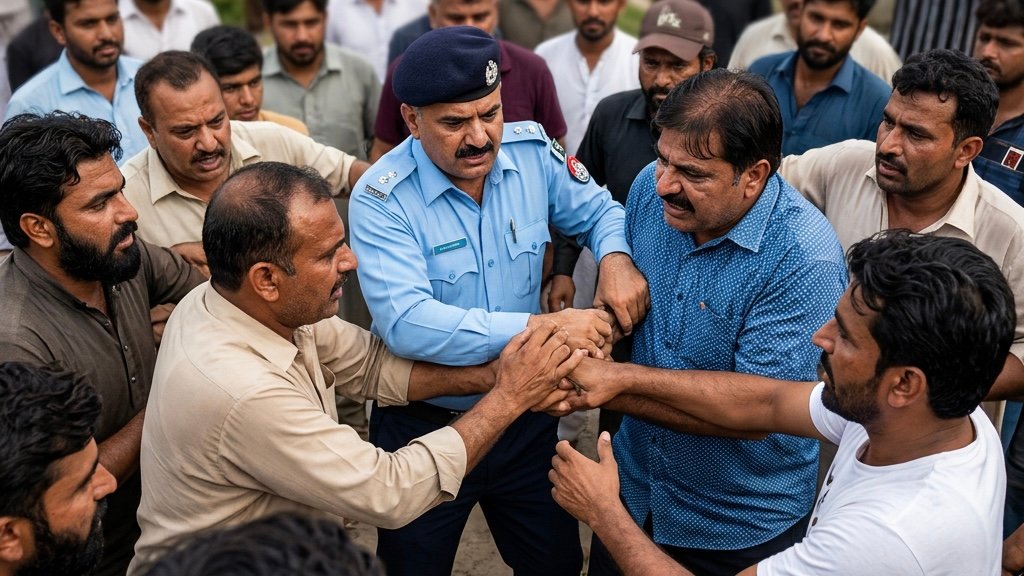
The situation surrounding a Christian cemetery in Islamabad has entered a new phase after recent inspections and public appeals by representatives of the Roman Catholic Christian Society. They maintain that approximately ten kanals were formally set aside for burials many years ago and that the community’s documentation establishes a long history of ownership and use. Their account, reported by the “Pakistan Christian Post,” traces the society’s registration to 7 July 1987 and describes a sequence of acquisitions extending into the mid‑1990s. They refer to arrangements recorded in 1995 and to Mutation No. 2298 as part of the administrative trail confirming the cemetery’s designation.
According to the society, the land was incorporated into planning documents as cemetery space and remained recognized as such before large‑scale development reached the surrounding area. They argue that the chronology is essential, since Bahria Town’s expansion into nearby zones began after 2005, while the Christian community’s land had already been purchased in the late 1980s and 1990s. Their representatives say they have reported attempts to assert control over portions of the cemetery allocation since 2016, and they insist that the original records should guide any assessment of competing claims.
A significant moment occurred on 10 September 2026, when Revenue Department officials visited the disputed site. The society states that the inspection confirmed the presence of graves covering roughly two and a half kanals within the area historically identified as cemetery land. They argue this verification shows long‑standing burial use and that the remaining portion of the allocation should be protected from encroachment or unauthorized development. The inspection’s written findings, once available, will be central to determining what was documented during the visit.
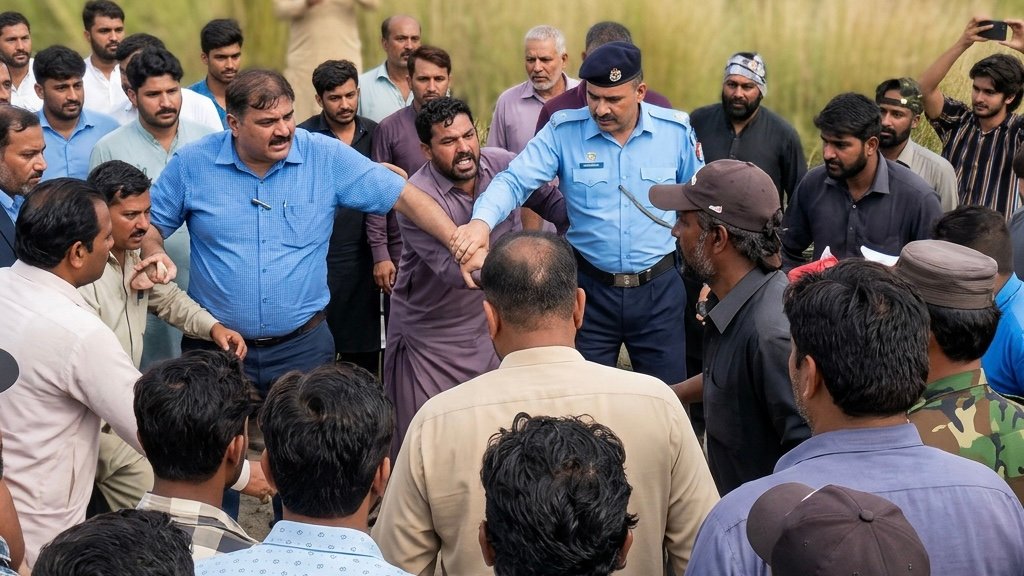
The dispute intensified further after an incident in late September. Representatives of the Christian community say they submitted an application to the police requesting protection for the cemetery and for the land recorded under the society’s name. They report that the response they received did not address the concerns raised in their application. It was also reported that the police tried to prevent the burial of a Christian woman. Their account circulated widely after community members posted details on social media, prompting renewed attention to the case. A complete reconstruction of the episode will require the police’s position, the original application, and any subsequent administrative or legal steps.
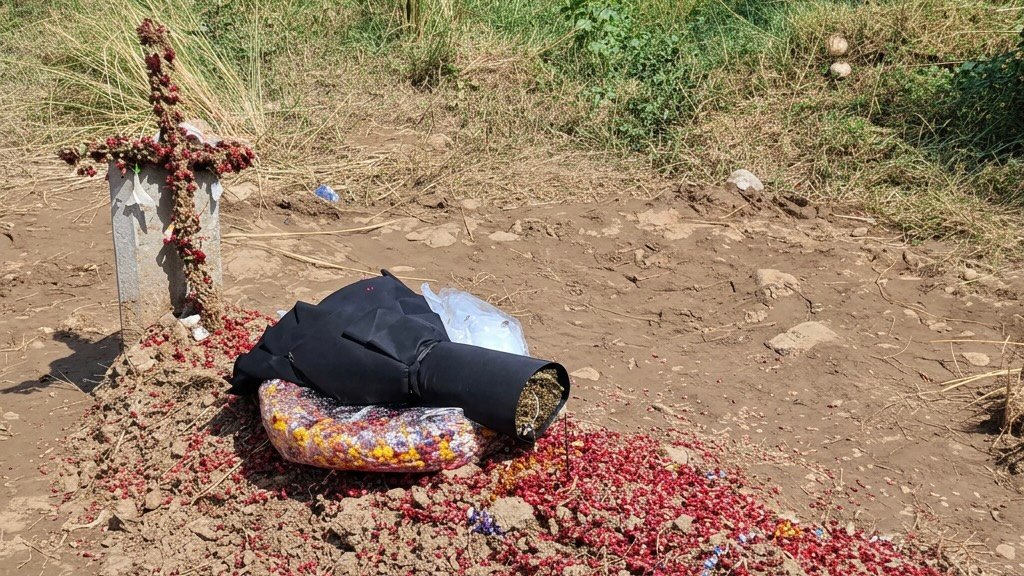
The situation now involves historical records, revenue documents, inspection findings, and the community’s appeals for protection. The Christian society continues to insist that the cemetery allocation should be preserved according to the documentation created decades ago, and the dispute has become an example of how minority property in Pakistan can be exposed to pressure when land rights are contested. The courts will eventually have to rule on the dispute, and proceedings started. But can religious minorities expect to be treated fairly by Pakistani courts?

Uses a pseudonym for security reasons.