CAP‑LC warned that reputational harm exported across borders threatens dissent and freedom of belief.
by Massimo Introvigne
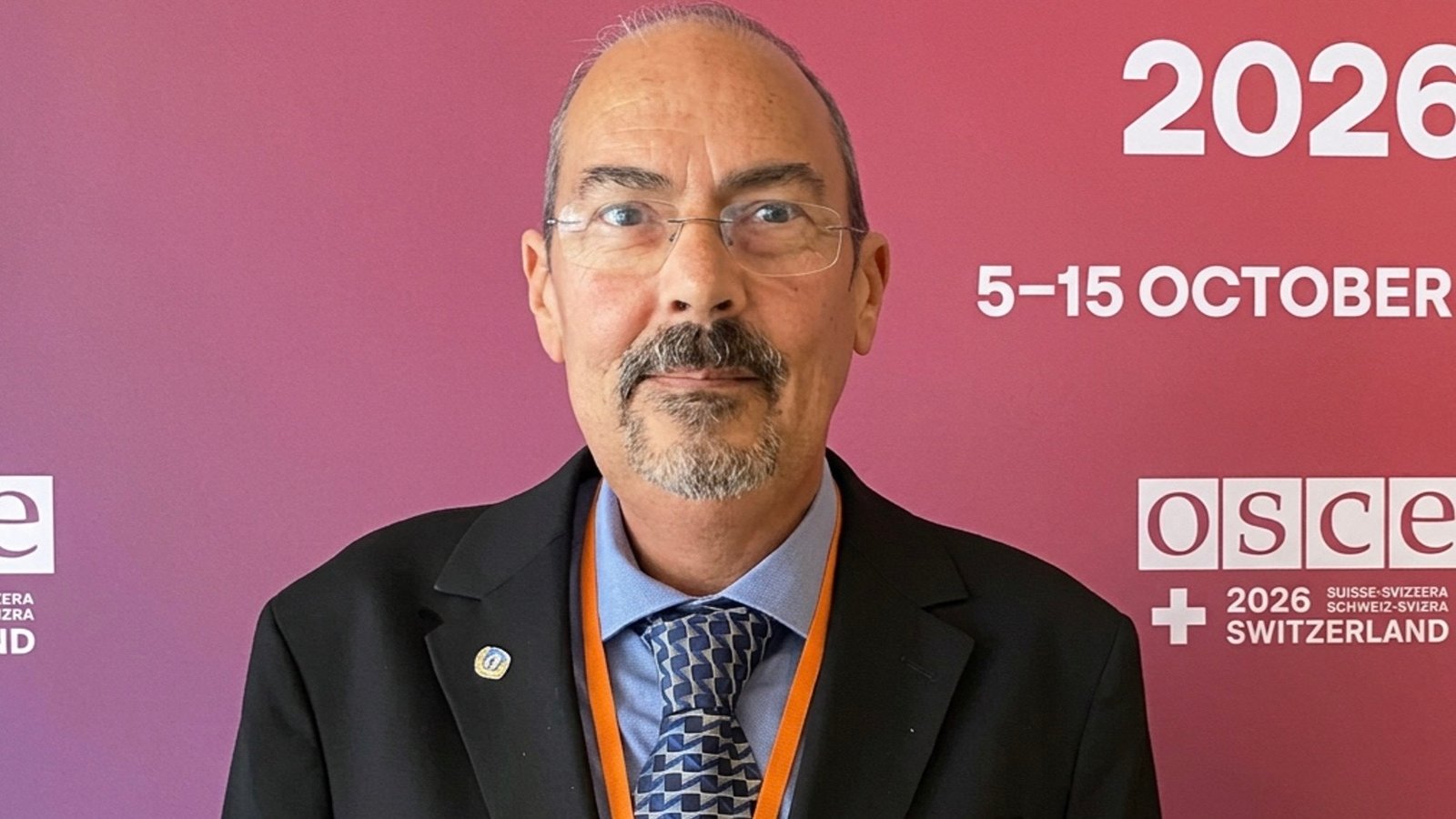
The Warsaw Human Dimension Conference brings together diplomats, experts, and civil society organizations under the auspices of the OSCE (Organization for Security and Cooperation in Europe)’s Office for Democratic Institutions and Human Rights (ODIHR). OSCE is the second-largest international organization after the United Nations that deals with human rights issues. Participating states include all those geographically in Europe, Russia and all the former Soviet republics, the United States, Canada, and Mongolia.
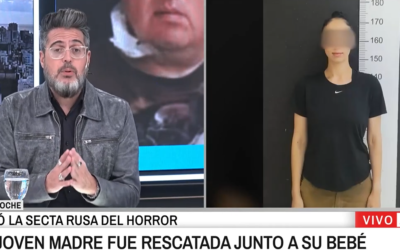
Each plenary session revisits themes that have shaped the institution’s mandate. Plenary Session 4 in 2026 was devoted to tolerance and non‑discrimination, including racism, xenophobia, anti‑Semitism, and intolerance and discrimination against Christians, Muslims, and members of other religions. In that setting, an ECOSOC‑accredited NGO introduced a case that has already attracted attention in “Bitter Winter”: the transnational pressure exerted by the Russian Federation against spiritual teacher Konstantin Rudnev.
The United Nations ECOSOC-accredited NGO Coordination des Associations et des Particuliers pour la Liberté de Conscience (CAP‑LC), known for its work on freedom of religion or belief, submitted a written statement describing how reputational harm can travel across borders and shape the decisions of authorities in countries far removed from the original allegations.
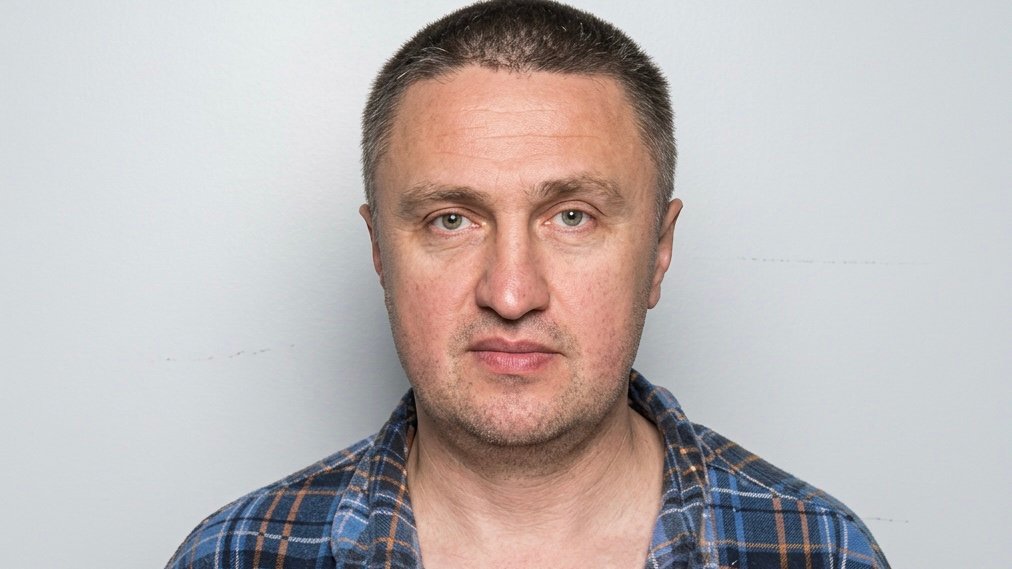
The NGO wrote: “CAP Liberté de Conscience wishes to draw attention to a pattern of transnational pressure originating from the Russian Federation against political and spiritual dissident Konstantin Rudnev, sometimes referred to as the leader of a movement known as Ashram Shambhala. After serving a controversial sentence in Russia, Rudnev relocated abroad, first to Montenegro and later to Argentina. In each location, hostile narratives produced in Russia were circulated to local authorities and media, portraying him as dangerous despite the absence of substantiated evidence. These narratives triggered investigations and restrictive measures that would not have arisen without external influence.”
Readers of “Bitter Winter” will recognize the contours of this story. Rudnev, founder of a spiritual movement that combined meditation, esoteric teachings, and communal life, was arrested in Russia in 2010 and convicted in 2013 after a trial that independent scholars and human rights advocates have described as flawed. The case relied on anonymous witnesses, contested expert testimony, and allegations that shifted over time. After completing his sentence, Rudnev left Russia and attempted to rebuild his life abroad. Montenegro offered a temporary refuge, yet Russian‑language media and online platforms continued to circulate hostile narratives portraying him as a dangerous cult leader. These narratives reached local authorities and contributed to an atmosphere of suspicion.
Rudnev later moved to Argentina, where the pattern repeated itself. Local media reproduced Russian allegations without verification, and authorities initiated investigations that produced no evidence of wrongdoing. “Bitter Winter” has documented how these investigations relied on reputational harm exported from Russia rather than on substantiated facts. The absence of evidence did not prevent restrictive measures, including detention and prolonged legal uncertainty. CAP‑LC’s statement to the OSCE described this sequence as a form of transnational repression, a term increasingly used by scholars and human rights organizations to describe how states extend punitive control beyond their borders.
The written declaration stated: “This method of exporting reputational harm represents a form of transnational repression. It enables a State to extend punitive control beyond its borders by disseminating misleading information.” The phrase captured a phenomenon that has become familiar in cases involving political dissidents, journalists, and spiritual teachers. Hostile narratives produced in one country can shape perceptions in another, especially when local authorities lack independent information and rely on foreign media or unofficial channels. CAP‑LC’s intervention suggested that participating States should treat material originating from Russia with caution, particularly when it concerns individuals whose cases raise fair‑trial concerns or whose activities fall within the domain of spiritual teaching and communal life.
The Rudnev case illustrates how reputational harm can persist long after a sentence has been served. Montenegro and Argentina each encountered narratives that portrayed Rudnev as dangerous despite the absence of substantiated evidence. These narratives triggered investigations and restrictive measures that would not have arisen without external influence. CAP‑LC’s statement invited OSCE participating States to consider how such narratives may affect minority spiritual movements, new religious communities, and individuals who have already completed their sentences yet remain vulnerable to foreign disinformation.
CAP‑LC’s written statement concluded: “CAP‑LC urges the Russian Federation to cease the practice of targeting dissidents abroad through disinformation campaigns. We also call on participating States to treat material originating from Russia criticizing political and spiritual dissidents with great caution.” The appeal carried both diplomatic and practical dimensions. It asked Russia to refrain from exporting disinformation. It invited other states to adopt a critical approach when confronted with allegations that originate in contexts where minority spiritual movements have historically been stigmatized.
The Warsaw Human Dimension Conference offered a platform where issues of tolerance and non‑discrimination intersected with concerns about transnational repression. CAP‑LC’s intervention placed the Rudnev case within this framework, suggesting that discrimination against minority spiritual movements can occur not only through domestic legislation but also through the circulation of hostile narratives across borders. The NGO’s presence in Warsaw demonstrated how civil society organizations can use international fora to draw attention to patterns that might otherwise remain unnoticed.
The Rudnev case will continue to unfold in Argentina, where legal proceedings and appeals remain ongoing. Montenegro has already closed its chapter, yet the reputational harm produced in Russia continues to influence perceptions. CAP‑LC’s written statement added a new layer to the discussion, reminding OSCE participating States that tolerance and non‑discrimination require vigilance whenever foreign disinformation targets political or spiritual dissidents. The appeal for caution echoed concerns already expressed in “Bitter Winter” and reinforced the idea that freedom of belief and protection from transnational repression are inseparable.

Massimo Introvigne (born June 14, 1955 in Rome) is an Italian sociologist of religions. He is the founder and managing director of the Center for Studies on New Religions (CESNUR), an international network of scholars who study new religious movements. Introvigne is the author of some 70 books and more than 100 articles in the field of sociology of religion. He was the main author of the Enciclopedia delle religioni in Italia (Encyclopedia of Religions in Italy). He is a member of the editorial board for the Interdisciplinary Journal of Research on Religion and of the executive board of University of Pennsylvania Press’ Nova Religio. From January 5 to December 31, 2011, he has served as the “Representative on combating racism, xenophobia and discrimination, with a special focus on discrimination against Christians and members of other religions” of the Organization for Security and Co-operation in Europe (OSCE). From 2012 to 2015 he served as chairperson of the Observatory of Religious Liberty, instituted by the Italian Ministry of Foreign Affairs in order to monitor problems of religious liberty on a worldwide scale.