A journalist traces the chain of events that turned a single crime into a nationwide campaign against an innocent religious minority.
by Masumi Fukuda*
*Address delivered at a press conference on the theme “Japan: The Hidden Story Behind the Eradication of a Religion,” organized by Human Rights Without Frontiers at the Brussels Press Club in Brussels, Belgium, June 29, 2026.
Article 2 of 3. Read article 1.
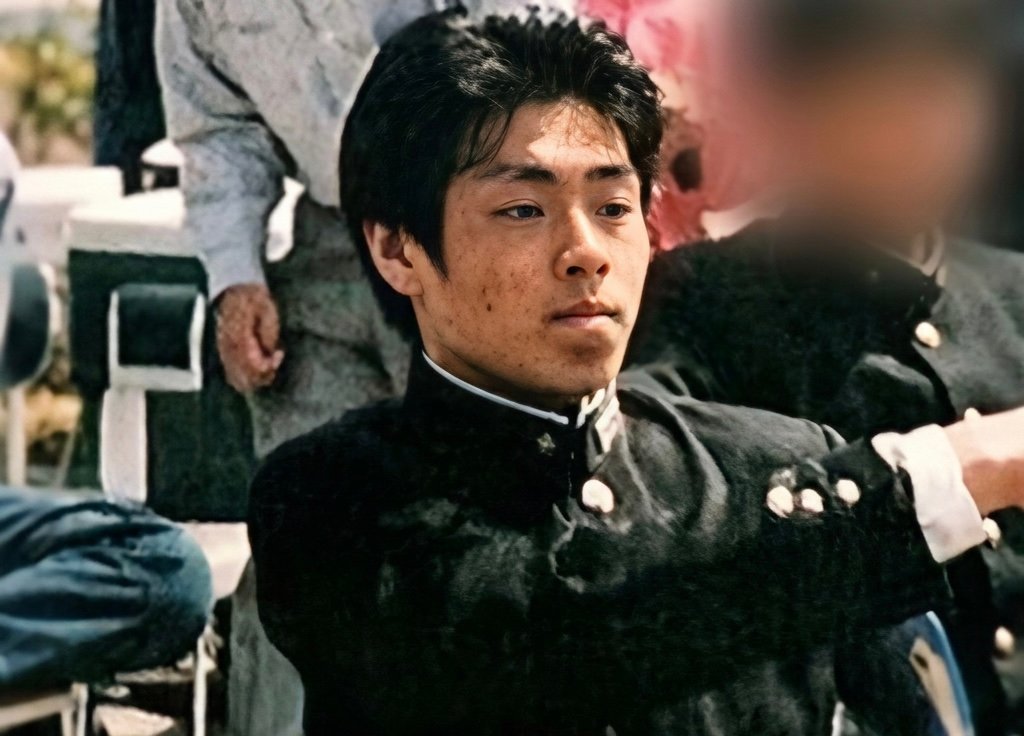
Even those who know little about Japan probably remember the assassination of former Prime Minister Shinzo Abe on July 8, 2022. One of Japan’s longest-serving and most respected leaders, he was shot by a 41-year-old unemployed man, Tetsuya Yamagami.
The motive that Yamagami reportedly gave to police immediately after his arrest sent the investigation in an unexpected direction. According to media reports, he said: “My mother became deeply involved with the Unification Church and went bankrupt because of large donations. I developed a deep grudge against the church. My original intention was to assassinate the church’s leader, Hak Ja Han, but I had no opportunity to do so. Instead, I targeted former Prime Minister Shinzo Abe because of his ties to the church.”
What kind of religious organization is the Unification Church, now known as the Family Federation for World Peace and Unification? Its teachings are rooted in Christianity, but they have long been regarded as heretical by mainstream Christian denominations because they interpret the Bible in distinctive and unconventional ways. As a secular journalist, I do not take sides in these theological debates.
Because the movement has consistently maintained a strongly anti-communist and politically conservative orientation, it has also faced sustained opposition from left-leaning Christian groups, the Communist Party, and lawyers associated with the political left.
By 2022, however, the Unification Church had largely disappeared from public attention. Then Yamagami’s violent act suddenly revived memories of the organization. Many Japanese remembered it primarily as “the group involved in fraudulent spiritual sales.”
During the 1980s, the Unification Church became the subject of intense public criticism because companies operated by church members sold imported pagodas and marble vases from Korea at prices far above their market value. These practices became known as “spiritual sales.”
A group of more than 300 lawyers known as the National Network of Lawyers Against Spiritual Sales (NNLASS), many of whom held left-leaning political views, organized to represent alleged victims. Established in 1987, the organization worked closely with the media to portray these practices as fraudulent and to present the Unification Church itself as a major social evil.
However, the products in question were not imported or sold by the church itself, but by businesses operated by individual members. In my view, the number of victims and the financial losses were greatly exaggerated by NNLASS, and not a single criminal fraud conviction resulted from these sales.
On the contrary, I personally interviewed several people who purchased these items, believed they had experienced profound spiritual benefits, and later joined the church. Because the media rarely reported their experiences, the public received only one side of the story.
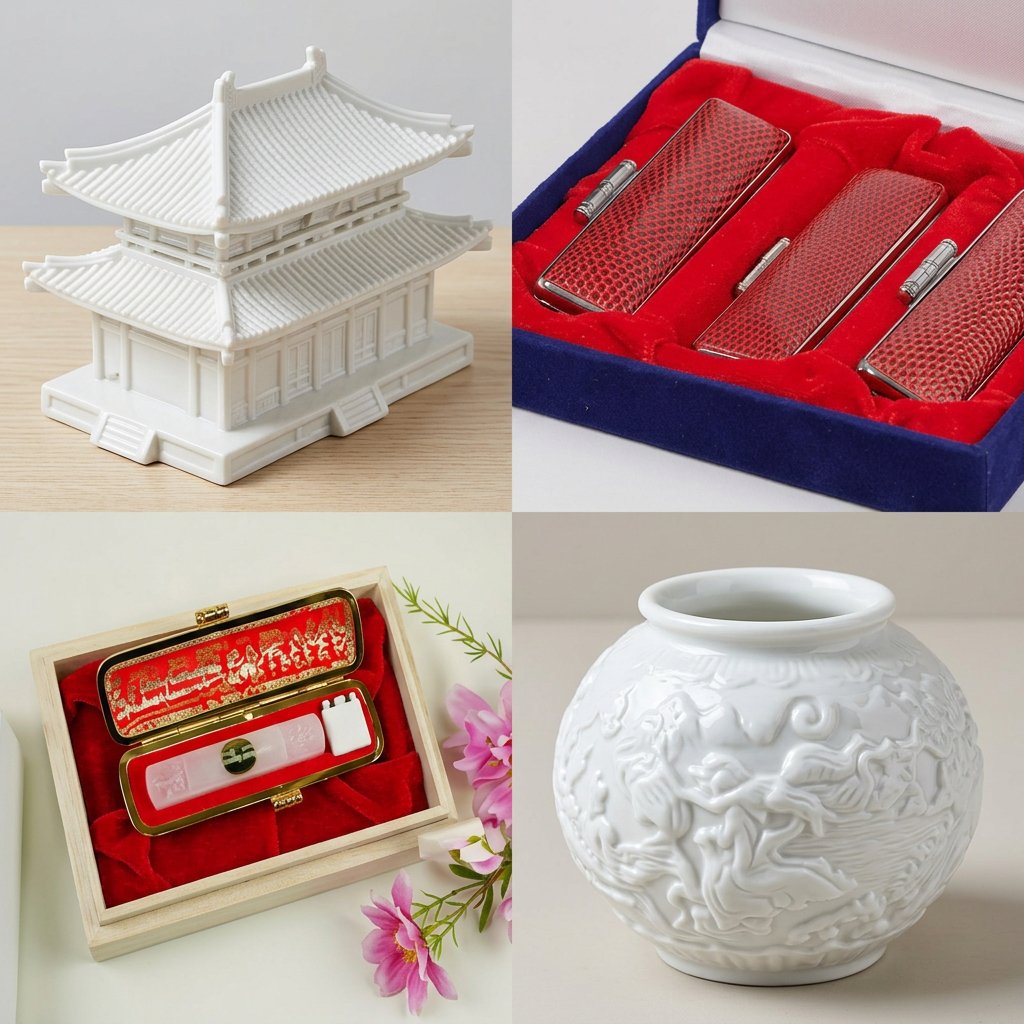
Moreover, the company responsible for importing and selling marble vases and pagodas stopped doing so in March 1987. Reports of new victims steadily declined, and by the time of Prime Minister Abe’s assassination, the practices commonly described as “spiritual sales” had virtually disappeared.
Nevertheless, the public continues to associate the Unification Church with those activities, and that image has remained deeply entrenched.
I believe, however, that NNLASS had a broader objective. According to my research, it also sought to block the enactment of Japan’s proposed Anti-Espionage Law. In 1987, organizations affiliated with the Unification Church were actively campaigning nationwide in support of that legislation. The Communist Party, media labor unions, teachers’ unions, and other left-wing organizations strongly opposed it. NNLASS, which included many lawyers affiliated with the Communist Party, also opposed the bill.
One of its leading figures at the time, attorney Hiroshi Yamaguchi, reportedly stated: “The money the Unification Church earns through spiritual sales is being used to finance its affiliated organizations’ campaign for an anti-espionage law. Therefore, those spiritual sales must be stopped.”
Another lawyer reportedly declared: “The Unification Church and its affiliated organizations must be shut down. They are Japan’s largest right-wing movement. To achieve that goal, we must cut off their financial resources and find ways to expose them through the media.”
In other words, I believe this was not merely a legal dispute over consumer protection. It also reflected a broader political and ideological struggle, in which the political left sought to weaken conservative forces, while atheistic communist groups opposed religious movements that promoted theism.
As early as 1987, Hiroshi Yamaguchi also stated that he wanted to persuade the Ministry of Education, then responsible for supervising religious corporations, to revoke the church’s legal status. From its very beginning, therefore, NNLASS appears to have pursued the long-term objective of dismantling the organization.
Evidence of this is that NNLASS did not limit its criticism to commercial activities. It also argued that religious donations themselves should be regarded as another form of “spiritual sales,” and for decades it has challenged the church on that basis.
In my view, much of Japan’s traditional media, which has generally accepted NNLASS’s perspective, has failed to examine these broader political objectives and continues to portray the organization simply as a defender of victims.
As I mentioned earlier, by the time Tetsuya Yamagami attacked former Prime Minister Abe, the Unification Church had largely faded from public attention. Lawsuits had declined dramatically, and the organization was no longer a major public issue. Yet as soon as Yamagami cited large donations to the church as his motive, old accusations resurfaced almost overnight, and criticism spread rapidly throughout Japanese society.
The dominant public narrative portrayed the Unification Church as a fraudulent organization that used religion as a cover to extract large sums of money from its followers. Its members were depicted as victims of mind control, incapable of making independent decisions. Second-generation believers were widely portrayed as victims of religious abuse by their parents.
The church’s Korean origins were emphasized, and it was frequently described as anti-Japanese. In some media coverage, it was even compared to Aum Shinrikyo and portrayed as an anti-social organization.
This tragedy also produced a disturbing reversal of the roles of victim and perpetrator. Former Prime Minister Shinzo Abe, who was assassinated, was one of Japan’s longest-serving leaders and a statesman who will likely be remembered as one of the country’s most influential political figures. The public widely respected him.
However, as the leading figure in Japan’s conservative movement, he had promoted policies, such as national security legislation, that were deeply opposed by segments of the political left. As a result, some on the left made little effort to conceal their satisfaction after his assassination.
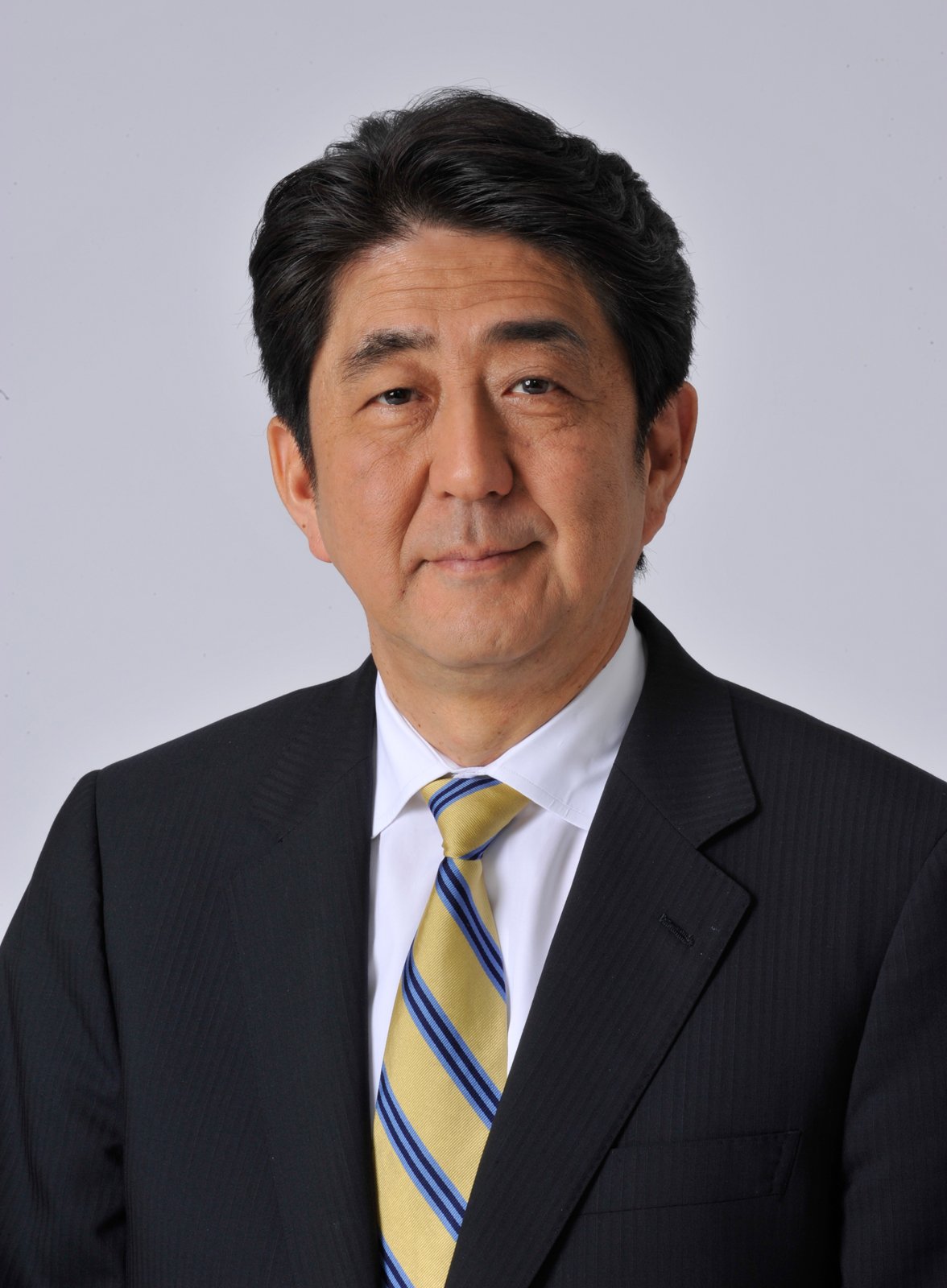
In the public debate that followed, Tetsuya Yamagami was, in some respects, portrayed as a victim of the Unification Church, which had long been depicted as a dangerous religious organization. At the same time, former Prime Minister Abe, because of his alleged ties to the church, came to be portrayed by some as himself bearing responsibility.
As I mentioned earlier, the Unification Church is a conservative religious movement with a strong anti-communist orientation. Because its values overlapped with those of Japan’s Liberal Democratic Party (LDP), it occasionally provided electoral support to LDP candidates, and many LDP politicians had some degree of contact with the organization.
In fact, however, former Prime Minister Abe’s relationship with the church was relatively limited compared with that of many other politicians. It is understandable that Yamagami, who has said that his mother donated approximately 100 million yen to the church, went bankrupt, and destroyed their family, would have developed deep resentment toward the organization.
What many Japanese found difficult to understand, however, was the enormous leap in logic that led him to direct that anger toward former Prime Minister Abe. Nevertheless, the media persistently linked Abe to the Unification Church and subjected him to sustained criticism.
Soon, any politician from the Liberal Democratic Party who had even the slightest connection with the church came under intense public attack.
The political consequences were profound. Facing mounting pressure, then-Prime Minister Fumio Kishida announced that the government would sever all ties with the Unification Church. At the same time, the government adopted a new interpretation of the Religious Corporations Act, allowing civil tort liability, and not only criminal wrongdoing, to serve as grounds for seeking the dissolution of a religious corporation.
The Religious Corporations Council subsequently reached a one-sided conclusion, and the Ministry of Education, Culture, Sports, Science and Technology (MEXT), which supervises religious corporations, filed a petition seeking the church’s dissolution. From that point onward, the question passed to the courts.
In my view, however, the outcome appeared predetermined from the outset, and the judgments of both the trial and appellate courts merely confirmed that conclusion.
I further contend that MEXT, lacking sufficient evidence to justify dissolution, altered or selectively presented statements made by former members in support of its case. If true, this would represent a grave abuse of state power.
From my perspective, the destruction of the Unification Church became an objective of the state itself. That is why I describe this process as a case of state fabrication and religious persecution. The title of my book, “Sacrifice to the Nation,” refers precisely to the Unification Church and its members.
On June 22, the Supreme Court of Japan dismissed the church’s special appeal, making the dissolution order final. The Court’s decision consisted of only four pages. It simply affirmed the rulings of the lower courts without addressing fundamental constitutional questions.
It did not examine whether stripping the church of its legal status would infringe upon the religious freedom of its members, whether a court may evaluate religious doctrine without violating the principle of the separation of religion and state, or whether it was appropriate to conduct key proceedings behind closed doors under Japan’s non-contentious procedure.
In my opinion, the decision was profoundly unjust.

Masumi Fukuda was born in Yokohama in 1956. She graduated from the Department of Sociology of Rikkyo University. After working for a specialty magazine and a magazine production company, she became a freelance journalist. She has reported and written about crime, Russia, and other topics. Her books include “Stalin: A Portrait of His Family” (Bungei Shunju), “Russia, an Assassination State: In Search of a Missing Journalist” (Shinchosha), “The True Nature of Political Correctness” (Hojosha), and others. In 2007, she won the 6th Shincho DocumentaryAward for “Fabrication: The Truth About the ‘Murder Teacher’ in Fukuoka” (Shinchosha).