Ignored diagnoses, denied medicines, and pressure on doctors culminate in a dangerous operation, while prosecutors still insist on returning him to prison.
by Massimo Introvigne
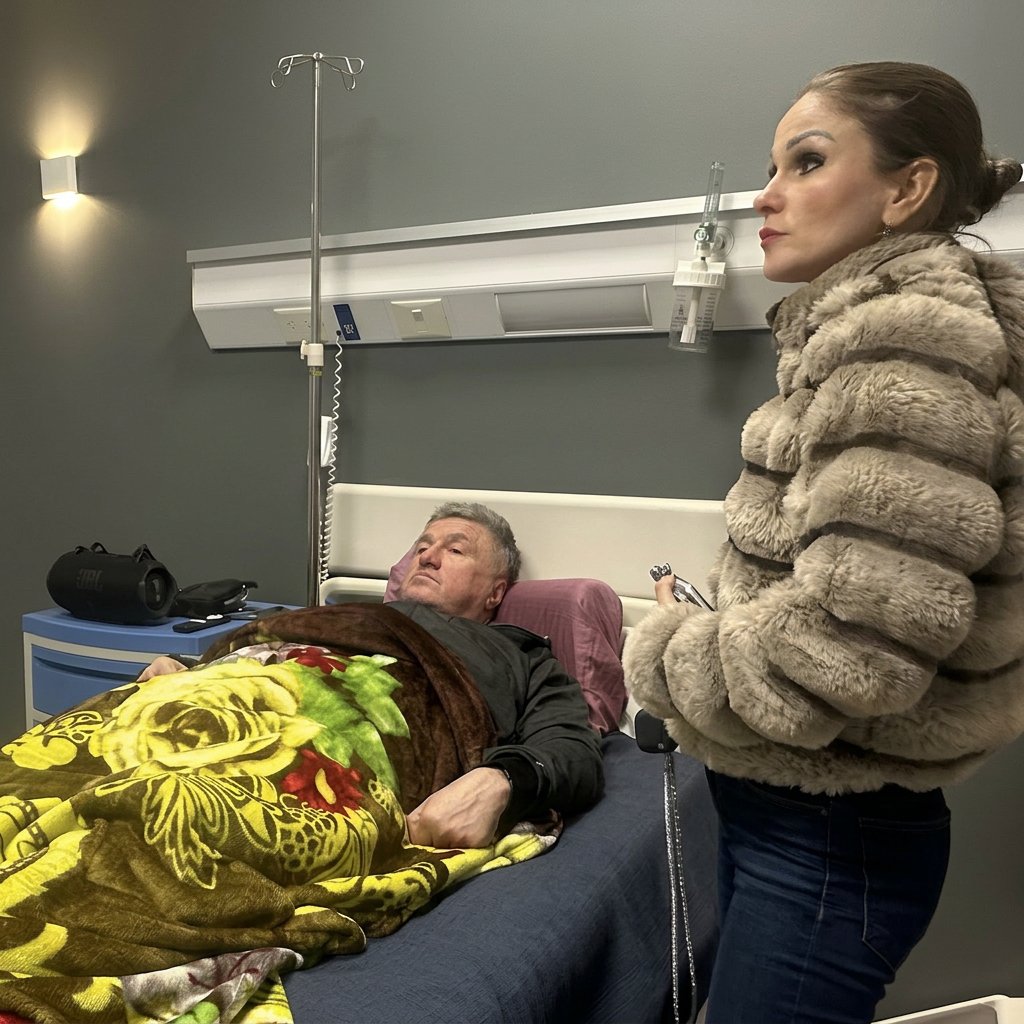
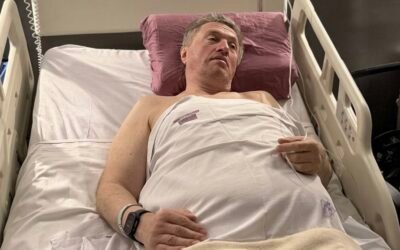
Konstantin Rudnev, the Russian spiritual teacher currently under house arrest in Buenos Aires on vague charges of reorganizing his “cult” in Argentina, has come out of surgery, and has returned to the house arrest location under constant police guard. The police officers never left him for a single moment, removing his handcuffs only to let him sign documents, and immediately before the operation. It is a scene that reveals everything: a gravely ill man, reduced to a wheelchair, escorted like a dangerous criminal while in reality he is the victim of a judicial cruelty that has lasted for more than a year. His current condition is not the result of fate or illness. It is the direct consequence of the prosecutors’ decisions, omissions, and hostility.
His wife’s testimony describes a pattern that is impossible to dismiss as a coincidence. At a crucial hearing, respected medical specialists unanimously stated that Konstantin urgently needed examinations. The prosecutors blocked everything. They refused to authorize the tests, objected to every request, and prevented any meaningful medical evaluation. They ignored the presence of an officially appointed interpreter, certified and assigned to the prison, who was never once called. They handed him documents in Spanish, hoping he would sign without understanding. They subjected him to treatments of the wrong specialization, without proper diagnosis, and his condition deteriorated rapidly. He began fainting. He lost 50 kilograms. He stopped being able to walk.
When he was finally taken to the hospital in Rawson, the situation became even more disturbing. Several doctors examined him, but none of them recorded a single complaint. Not one symptom. Not one diagnosis. His wife and the interpreter both noticed that the doctors were frightened and nervous, and were avoiding communication and documentation. The suspicion that the prosecutors exerted pressure on the hospital is the only explanation that fits the facts. Even the interpreter had difficulty gaining entry, and the lawyer was denied access despite authorizations from two courts.
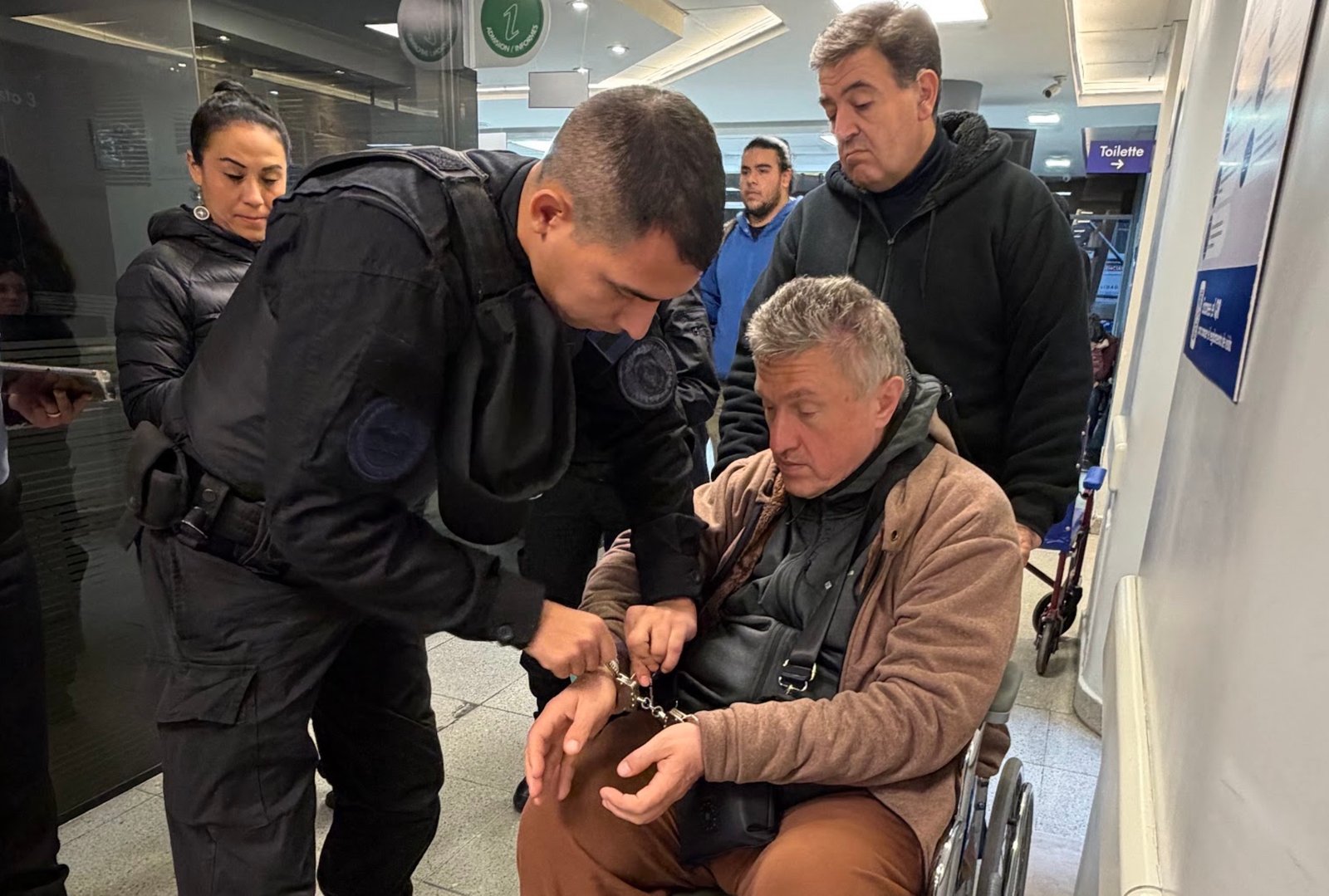
The prison ignored every recommendation from Konstantin’s attending doctors. Medications prescribed by specialists were refused with the simple statement: “We will not buy anything.” This refusal continued even after a court decision. He was denied painkillers despite severe pain. He was denied proper nutrition. He was placed on a salt-free diet that made his condition worse. He fainted repeatedly. He became terrified for his life. The cumulative effect of these actions is that a healthy man who loved long walks in nature, who came to Bariloche for tourism and mountain hiking, was turned into a disabled person in a wheelchair after fourteen months of detention.
The medical evaluations conducted before the surgery confirm the gravity of the situation. A neurosurgeon stated that the cervical protrusions put Konstantin at risk of total paralysis except for the head and that he requires permanent medical care, continuous monitoring, and daily physiotherapy. A cardiologist recorded extremely severe Grade III arterial hypertension, with readings of 185 over 113, and warned of the risk of heart attack or stroke. An orthopedic specialist confirmed the need for daily physiotherapy and constant medical supervision. These are the clinical facts. And they show that the prosecutors, by obstructing treatment for months, knowingly exposed a gravely ill man to life-threatening danger.
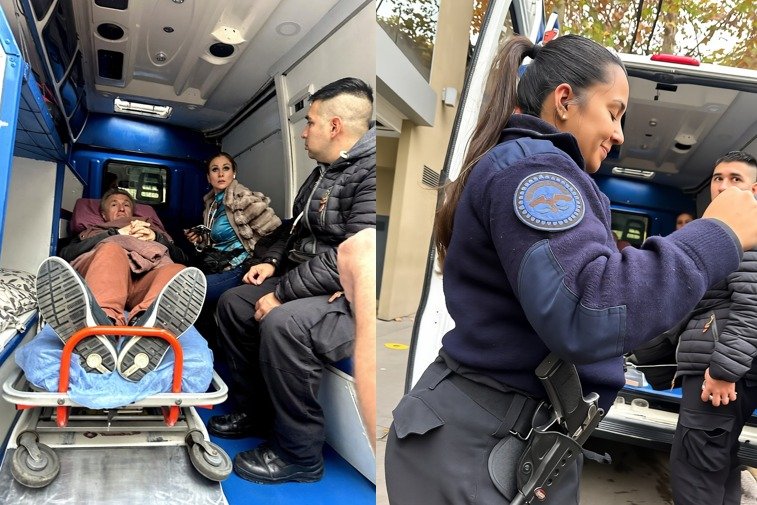
Even the logistics of his transfer reveal the same hostility. A police airplane had been organized for him, guarded by both SPF and PFA officers. It required no effort from the prosecutors, no risk, no cost. They refused. They insisted on driving him, despite his condition. When Konstantin asked for at least an ambulance so he could travel lying down, they denied that as well. They did not even consider the request. The refusal was absolute, irrational, and cruel.
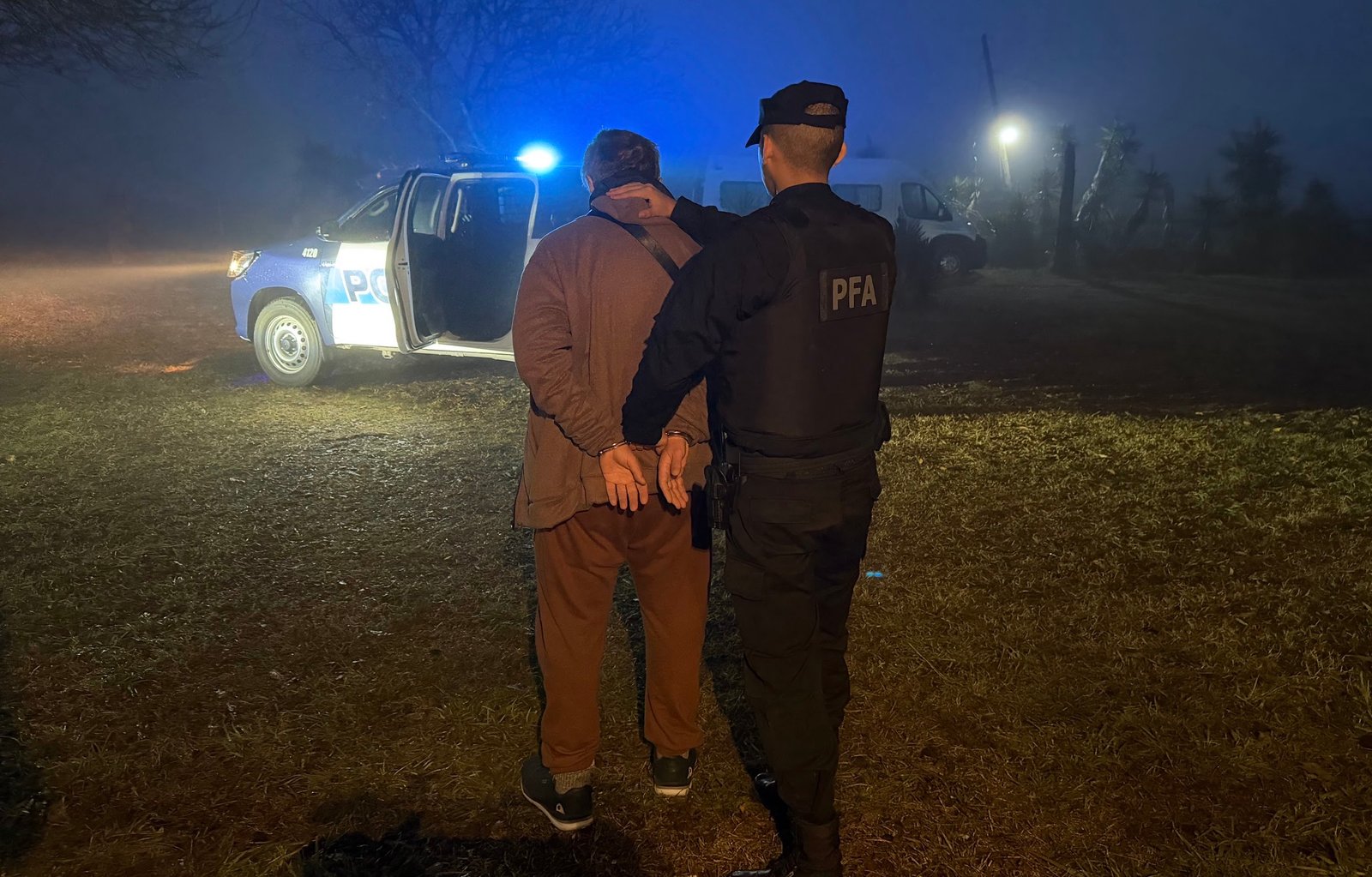
The surgery he underwent on May 26 is the inevitable result of this long chain of decisions. He endured the operation badly. And while he struggles to recover, the prosecutors are still trying to send him back to prison. The hearing to review the cassation appeal on the cancellation of his house arrest has now been scheduled for June 3. The timing is almost surreal. Immediately after a serious surgery, before he has even completed the rehabilitation period, they already want to send him back to prison. Instead of ensuring that he receives the care he urgently needs, they are pushing to return him to the very environment that destroyed his health.
This is a case of institutional mistreatment, abuse of power, and deliberate cruelty. The prosecutors’ behavior cannot be explained by law, procedure, or caution. It reflects personal hostility, or perhaps the execution of someone’s order, but in any case, it is incompatible with the role they hold. Officials who behave in this manner should not remain in office. The motions for their recusal should be granted. The situation of Konstantin Rudnev is a test for the Argentine justice system. On June 3, the question will not be only whether he can remain under house arrest. The question will be whether the rule of law still has meaning when confronted with such open and persistent cruelty.

Massimo Introvigne (born June 14, 1955 in Rome) is an Italian sociologist of religions. He is the founder and managing director of the Center for Studies on New Religions (CESNUR), an international network of scholars who study new religious movements. Introvigne is the author of some 70 books and more than 100 articles in the field of sociology of religion. He was the main author of the Enciclopedia delle religioni in Italia (Encyclopedia of Religions in Italy). He is a member of the editorial board for the Interdisciplinary Journal of Research on Religion and of the executive board of University of Pennsylvania Press’ Nova Religio. From January 5 to December 31, 2011, he has served as the “Representative on combating racism, xenophobia and discrimination, with a special focus on discrimination against Christians and members of other religions” of the Organization for Security and Co-operation in Europe (OSCE). From 2012 to 2015 he served as chairperson of the Observatory of Religious Liberty, instituted by the Italian Ministry of Foreign Affairs in order to monitor problems of religious liberty on a worldwide scale.