I read the text written by the Russian spiritual master while in jail in Argentina with both sorrow and admiration.
by Massimo Introvigne
There are moments in the history of religious liberty when a text, born in suffering, becomes more than a personal testimony. It becomes an indictment, a mirror, and a prophecy. Konstantin Rudnev’s “Manifesto of Humanity” belongs to this rare category. To understand its force, one must first understand the man who wrote it and the ordeal that shaped every line.
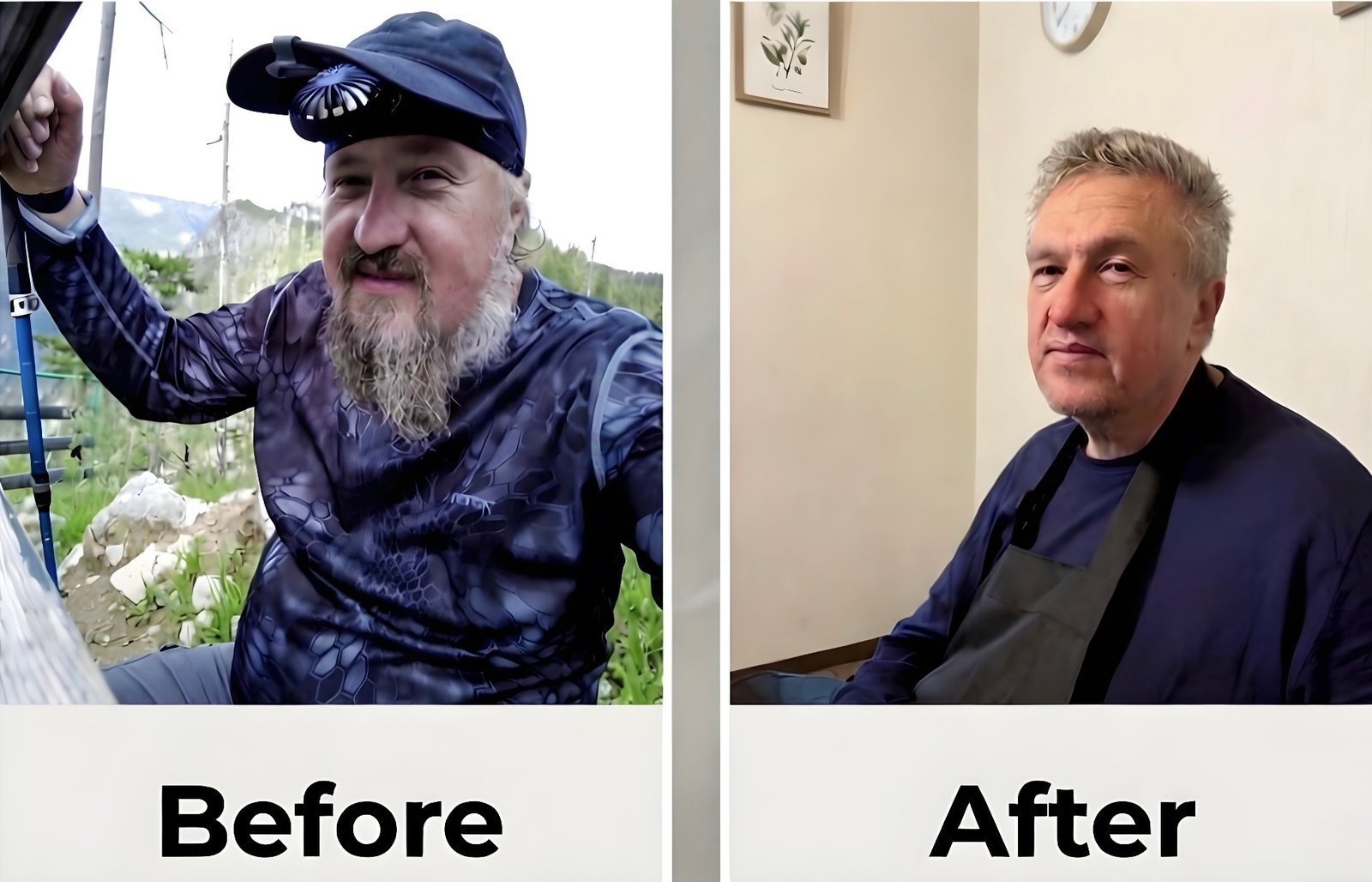
Rudnev’s story is by now well known to those who follow the long shadow of authoritarian repression. After eleven years in Russian prisons on charges widely recognized as politically motivated as a “cult” leader, he emerged not as a broken man but as someone determined to rebuild his life. He sought refuge in Argentina, hoping for distance from the machinery of persecution that had crushed his community and branded his teachings as “extremist.” Instead, he found himself trapped once again—this time in a labyrinth of misunderstandings, prejudice, and prosecutorial zealotry.
Preventive detention, a tool meant to be exceptional, became a new form of punishment. And in Rawson Prison, Rudnev encountered conditions that would test the limits of any human being: cold, isolation, deprivation of sunlight, and the slow erosion of the senses that comes from being cut off from the natural world.
It was only after fourteen months of this ordeal that he was allowed, for the first time, to stand under the open sky again. He has been granted house arrest and should now be hospitalized, but prosecutors are trying their worst to have him put in jail again. After spending 14 months in prison, she has been under house arrest for only one week, and the prosecutors are now requesting that he be sent back to prison. As explained by authoritative international legal scholars, these prosecutors have exhibited bias and cruelty and should be removed from the case to protect not only justice but Rudnev’s own life.
The “Manifesto of Humanity” was written in that moment of fragile freedom, when the sun touches the skin like a revelation and the wind feels like a rediscovered language. It is not a political document, nor a theological treatise. It is the cry of someone who has seen what happens when a system forgets that punishment must never become annihilation.
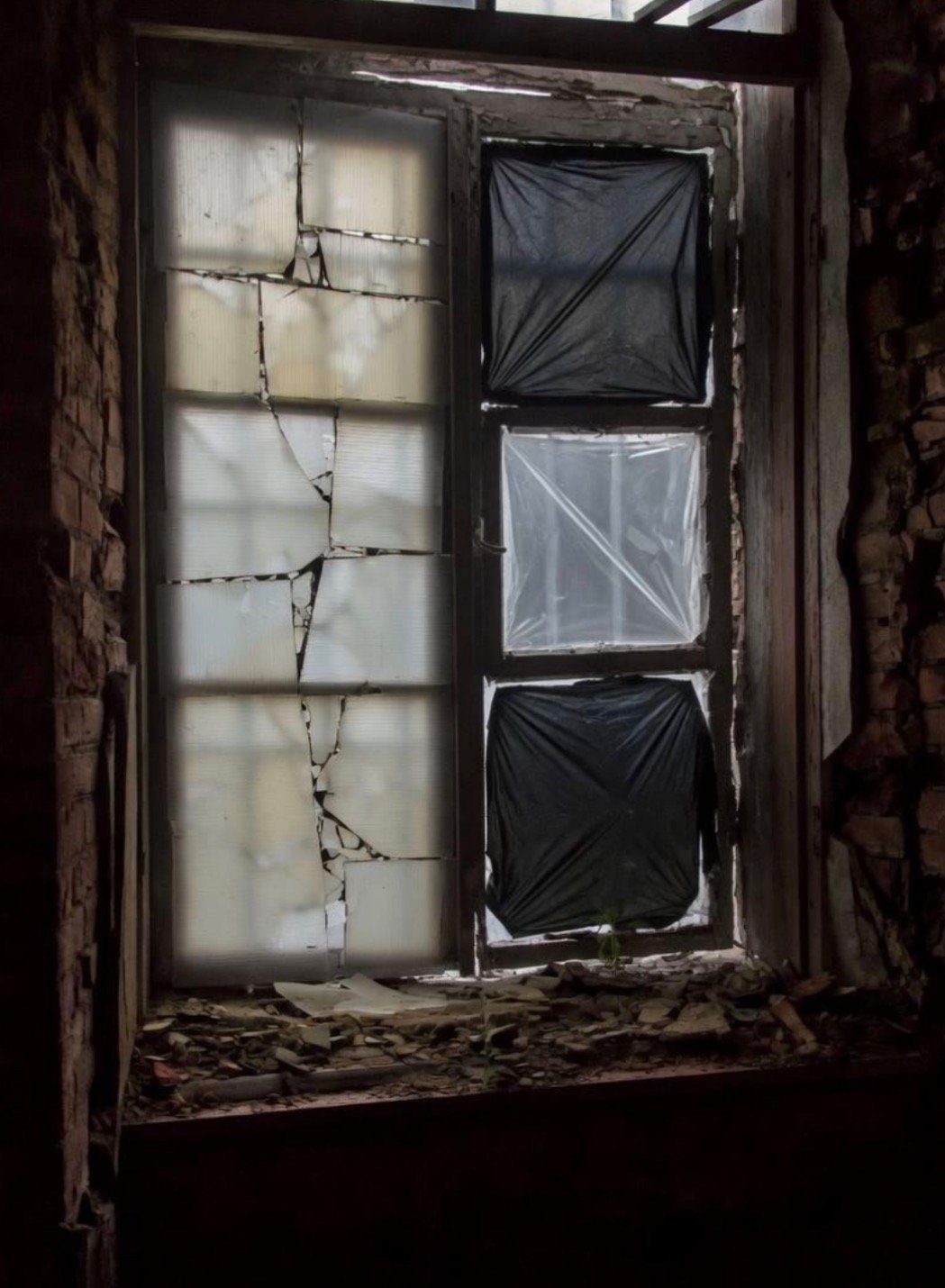
Reading the manifesto, I was struck first by its simplicity. Rudnev does not write as a philosopher or a jurist. He writes as a man who has lived in a place where the absence of sunlight becomes a form of torture, where windows are translucent barriers that blur the world into a ghostly abstraction, where winter cold enters through every crack and turns a cell into a refrigerator of human bodies. He writes as someone who has watched prisoners pace endlessly through hallways because there are no walks, no yards, no sky. He writes as someone who has seen men return from prison not rehabilitated but psychologically shattered, physically damaged, and spiritually diminished.
But the manifesto is not merely a catalogue of suffering. It is a meditation on what it means to be human. Rudnev insists that the deprivation of nature is an assault on the very structure of the human person. A society that locks people away without sunlight, without air, without the possibility of seeing a tree or feeling the warmth of the day, is not administering justice. It is dismantling the human soul. And when this is done to people who have not even been convicted—people held in preventive detention for years because investigations move at a glacial pace—the injustice becomes almost metaphysical.
What gives the manifesto its extraordinary power is that Rudnev does not speak only for himself. He speaks for the thousands he saw in Rawson Prison, men who stuff plastic bags into window gaps to survive the winter, only to have their makeshift insulation torn away during inspections. He speaks for those who freeze at night because heaters are forbidden, who breathe air that is colder inside than outside, who develop illnesses that will follow them for life. He speaks for those who have not been found guilty of anything yet endure conditions that would be unacceptable even for the convicted. He speaks for families who lose years with their loved ones because a prosecutor “imagined something,” because a system allows suspicion to become a sentence.
The manifesto is also a challenge. Rudnev asks whether a society can call itself humane if it accepts a system that destroys people before they are judged. He asks whether justice can exist without sun, without air, without the basic dignity of being allowed to feel alive. He asks whether those who wield the power to imprison should not themselves be held accountable when they inflict irreversible harm on the innocent. And he asks, with a clarity that is almost painful, whether we have forgotten that the purpose of justice is not to crush but to restore.
As a scholar who has spent decades studying new religious movements and the mechanisms by which states repress them, I read Rudnev’s manifesto with a mixture of sorrow and admiration. Sorrow, because his words confirm once again how easily fear and prejudice can deform institutions. Admiration, because despite everything—despite Russia, despite Rawson, despite the cold, the isolation, the humiliation—he writes not with bitterness but with a profound appeal to humanity. He asks for reflection. He asks for responsibility. He asks for a world in which punishment does not mean the slow destruction of a human being.
The “Manifesto of Humanity” is a moral compass. It reminds us that the measure of a society is not how it treats the powerful, but how it treats those who are powerless, voiceless, and forgotten behind polycarbonate windows. It reminds us that sunlight is not a luxury. It is a right. It reminds us that justice without humanity is not justice at all.
And above all, it reminds us that even in the darkest places, a human being can still stand under the open sky, feel the warmth of the sun, and speak a truth that demands to be heard.
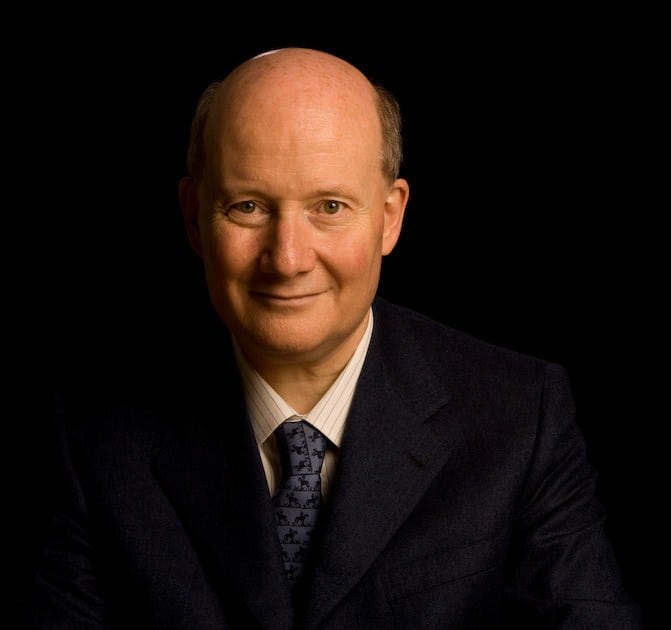
Massimo Introvigne (born June 14, 1955 in Rome) is an Italian sociologist of religions. He is the founder and managing director of the Center for Studies on New Religions (CESNUR), an international network of scholars who study new religious movements. Introvigne is the author of some 70 books and more than 100 articles in the field of sociology of religion. He was the main author of the Enciclopedia delle religioni in Italia (Encyclopedia of Religions in Italy). He is a member of the editorial board for the Interdisciplinary Journal of Research on Religion and of the executive board of University of Pennsylvania Press’ Nova Religio. From January 5 to December 31, 2011, he has served as the “Representative on combating racism, xenophobia and discrimination, with a special focus on discrimination against Christians and members of other religions” of the Organization for Security and Co-operation in Europe (OSCE). From 2012 to 2015 he served as chairperson of the Observatory of Religious Liberty, instituted by the Italian Ministry of Foreign Affairs in order to monitor problems of religious liberty on a worldwide scale.