A series of nearly identical videos by Uyghur women married to Han men reveals a state-aligned narrative disguised as individual expression.
by Mao Biya
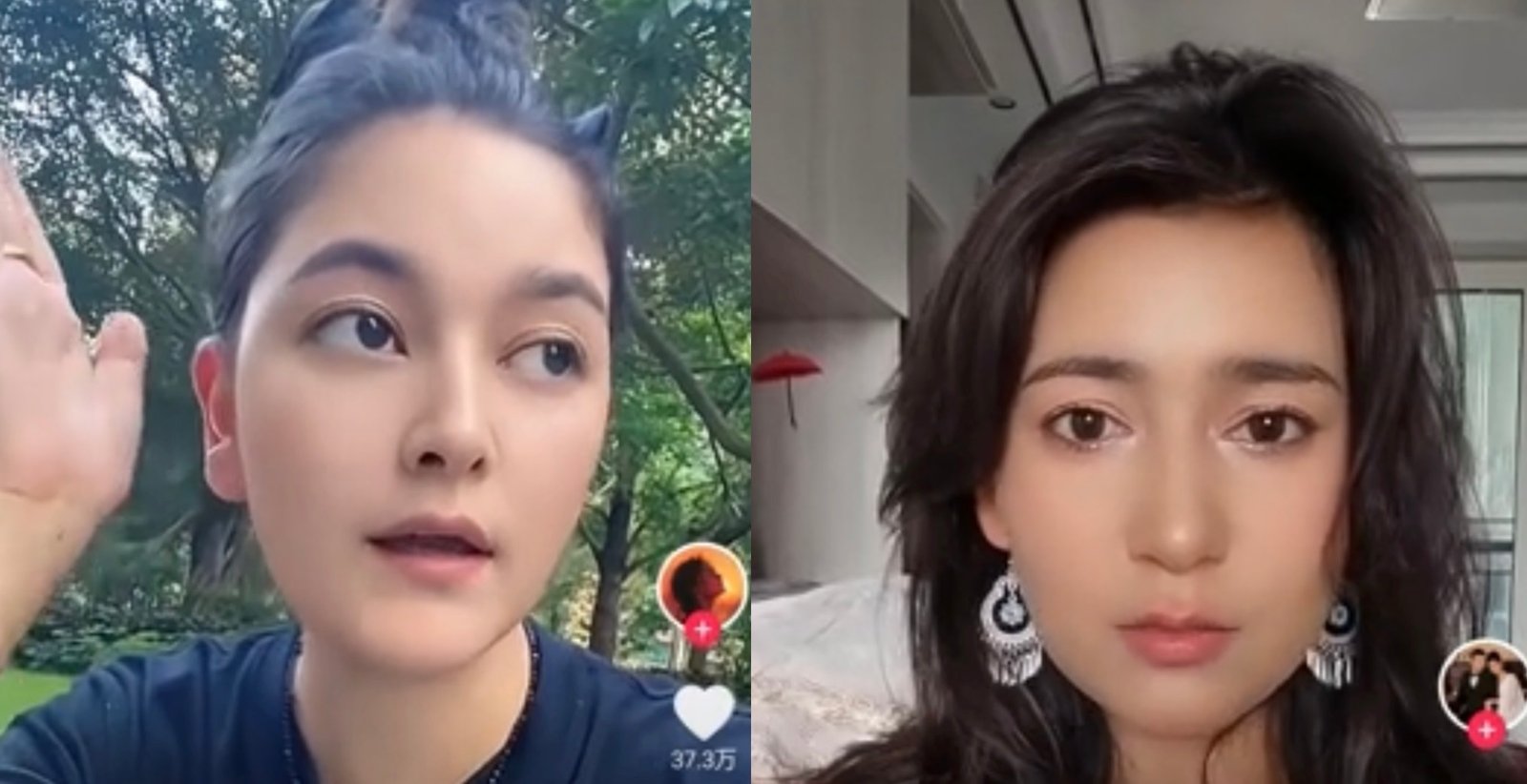
The “Kashgar Times” deserves credit for noticing what many observers had only sensed: a sudden flood of Douyin videos in which Uyghur women, all married to Han Chinese men, deliver strikingly similar monologues about love, loyalty, and belief. While the newspaper’s irony is sharp, the real story—and what matters most to readers—is the videos themselves. They form a coordinated campaign that uses the aesthetics of personal confession to advance a political message.
Across dozens of clips, the structure barely changes. Each woman begins by claiming she is under attack online for marrying a Han man. She describes accusations of betraying her people, her religion, or her ancestors. She then pivots to a declaration that she does not practice Islam, often adding that many young Uyghurs no longer believe in religion at all. She concludes by affirming that her true faith lies in the Communist Party or the national flag and that her marriage contributes to “ethnic unity.” Even the defensive refrain, “this is my life, this is my freedom,” appears with uncanny regularity.
The uniformity is not subtle. One woman says she has a “clear conscience” because all ethnic groups are “one Chinese family.” Another proclaims her “faith is the Communist Party.” A third insists that marrying a Han man “should be encouraged more.” A fourth declares that the five-star red flag is her only belief. These are not variations on a theme; they are the same theme, repeated with minor cosmetic differences.
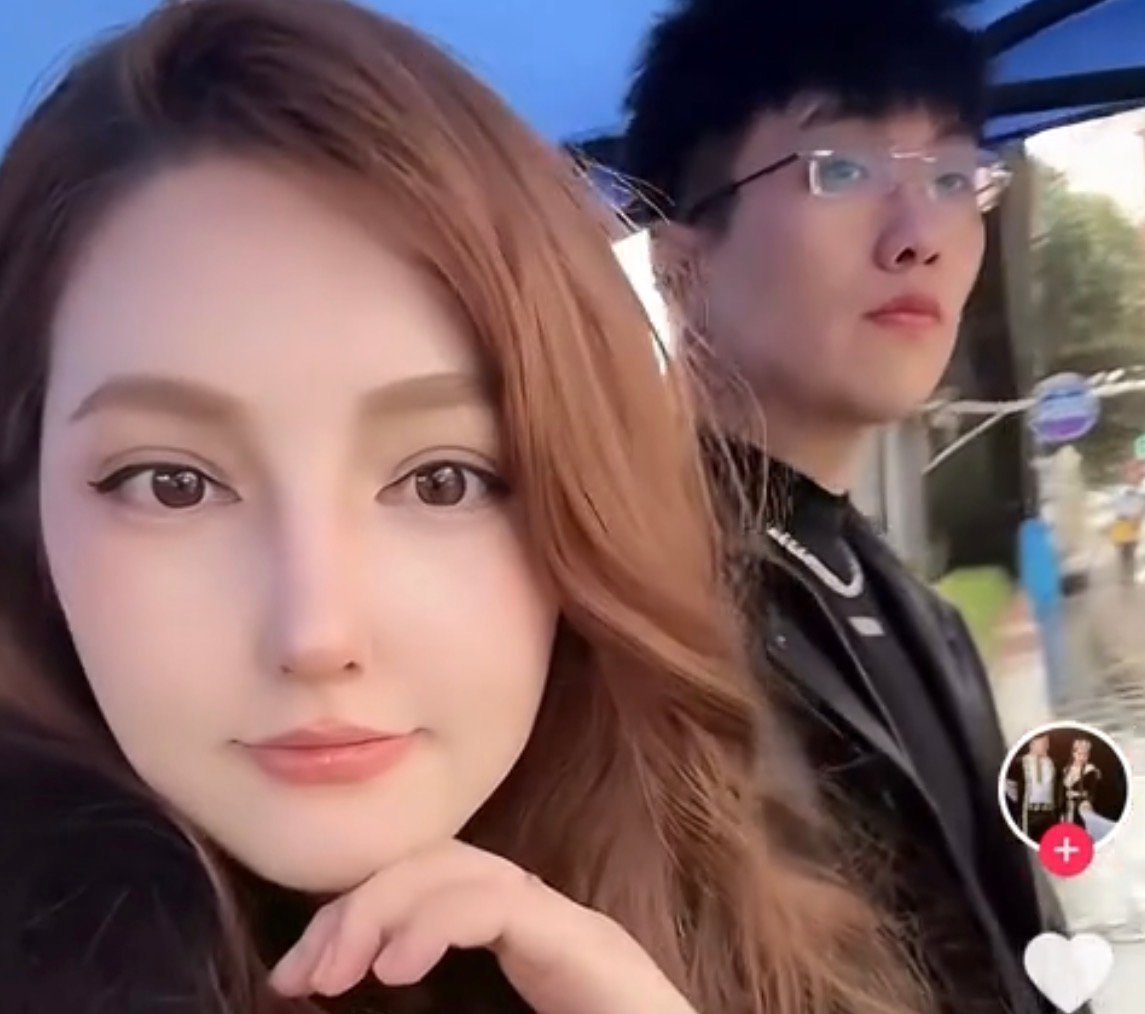
Equally telling is the narrative of online harassment. The women describe torrents of abuse, private messages condemning them to hell, and strangers calling them traitors. Yet in Xinjiang’s tightly controlled digital environment, where comments on religion or identity are quickly removed and sometimes punished, such widespread criticism would be unlikely to last long enough to become a trend. It is probably not even real. The lack of visible evidence for this backlash is part of the story. The videos require the viewer to accept a conflict that cannot be independently verified.
The campaign also reframes intermarriage as a civic duty. These marriages are not shown as personal relationships but as contributions to national cohesion. The women insist that critics are jealous, ignorant, or extremist—categories that, in Xinjiang, carry serious implications. Dissent is unacceptable, and the only response is celebration.
A second article of the “Kashgar Times” documents how matchmaking companies incite Uyghur women to marry Han Chinese men and break free from their families’ alleged religious strictness.
Obviously, the videos do not acknowledge the documented pressure on Uyghur women to marry Han men or the consequences of refusing. They do not mention the broader context in which religious practice has been restricted, Islamic expression discouraged, and political loyalty elevated as the main marker of identity. Instead, they present a world where rejecting Islam, embracing the Party, and marrying across ethnic lines are simply natural choices for modern young women.
Beyond the mechanics of the campaign, the videos themselves tell the deeper story: a narrative constructed through repetition, where personal testimony becomes a vehicle for political messaging, and where the boundaries of “freedom” are defined by how closely one’s words align with official ideology.
The challenge for viewers is not to watch these videos as isolated expressions but to recognize the choreography behind them. Their sameness is not accidental. It is the point.

Uses a pseudonym for security reasons.