Shandong Women’s Prison has cut Feng Guichun off from communication and essential purchases since 2025, imposing punitive isolation and leaving her in deteriorating health.
by Song Baozhai
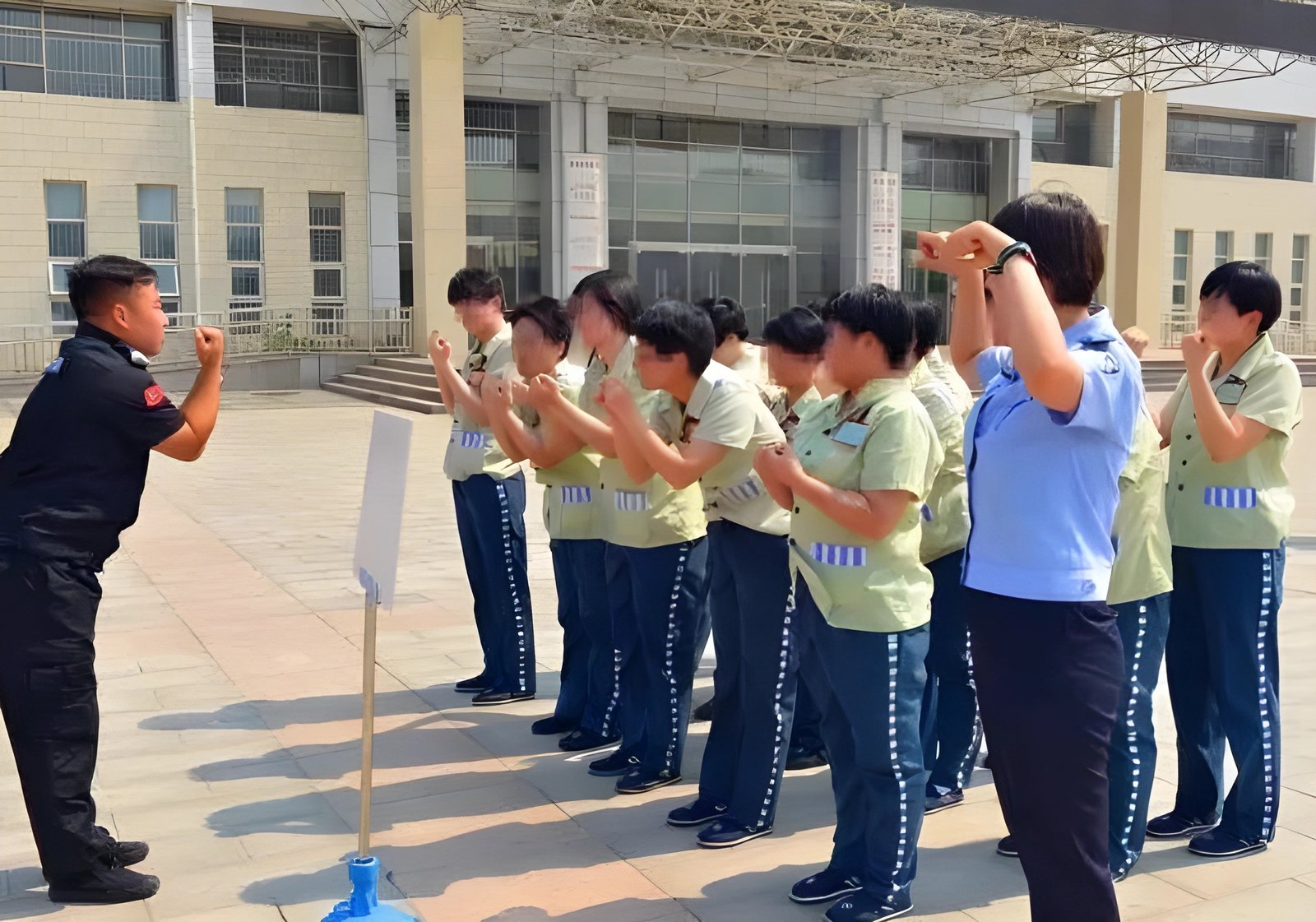
The case of Feng Guichun, a Falun Gong practitioner from Linyi, Shandong, offers yet another illustration of how even the modest rights theoretically granted to inmates in Chinese prisons are routinely denied to prisoners of conscience. According to information her relatives and co-religionists transmitted to human rights organizations, Feng, who is serving a four‑year sentence, has been stripped of her rights to communicate with the outside world and to purchase basic necessities inside Shandong Women’s Prison. These are rights that ordinary inmates, including those convicted of violent crimes, normally retain, yet they are withheld from those detained for their beliefs.
Feng was abducted, framed, and wrongfully sentenced after being arrested on August 24, 2023, for telling co-workers about Falun Gong. She was initially held in the Linyi City Detention Center, and on May 30, 2024, the Lanshan District Court sentenced her to four years in prison and a fine of 30,000 yuan. She appealed, but the Linyi Intermediate Court upheld the verdict. In October 2024, she was transferred to the Eleventh Ward of Shandong Women’s Prison, where she was immediately subjected to “small cell” solitary confinement and coercive “transformation” measures.
In August 2025, after she submitted a petition to the Supreme Court challenging her conviction, the prison retaliated by placing her again in a “small cell,” a punishment widely reported by former detainees as involving extreme isolation, sleep deprivation, and psychological pressure. Her family filed complaints, but no authority intervened. From October 2025 onward, because she refused to sign documents renouncing her faith, the prison deprived her of communication and shopping rights, effectively cutting her off from the outside world and from the ability to buy supplementary food or daily necessities. These measures, though illegal even under China’s own regulations, are commonly used against Falun Gong practitioners.
When relatives were finally allowed to meet her on April 22, 2026, they were shocked by her appearance. Months of inadequate nutrition had left her face darkened and her body severely emaciated. She told them that three of her teeth had become loose, making chewing difficult. Her family expressed deep concern and dissatisfaction, fearing that her health may deteriorate further under the current conditions.

Feng, a woman in her thirties, unmarried, and employed at the Linyi Central Blood Station and the Linyi Government Service Center, had no criminal record and no history of misconduct. Her only “offense” was peacefully sharing information about a spiritual practice the Chinese Communist Party has banned since 1999. Her sentence runs until August 23, 2027, but her family worries that the combination of retaliation, isolation, and deprivation may cause irreversible harm long before that date.
Her case underscores a grim reality: in Chinese prisons, the already limited rights afforded to inmates are selectively withheld from those detained for their conscience. For Falun Gong practitioners, the system is designed not merely to punish but to break their will, using tools that would be considered violations even within China’s own penal framework. Feng Guichun’s deteriorating health and the punitive measures imposed on her are part of a broader pattern in which the state treats peaceful believers as enemies to be crushed rather than citizens to be governed by law.

Uses a pseudonym for security reasons.