The inspection follows a similar tour of Xinjiang and asks for more political pressure, religious supervision, and intensified social management.
by Lopsang Gurung
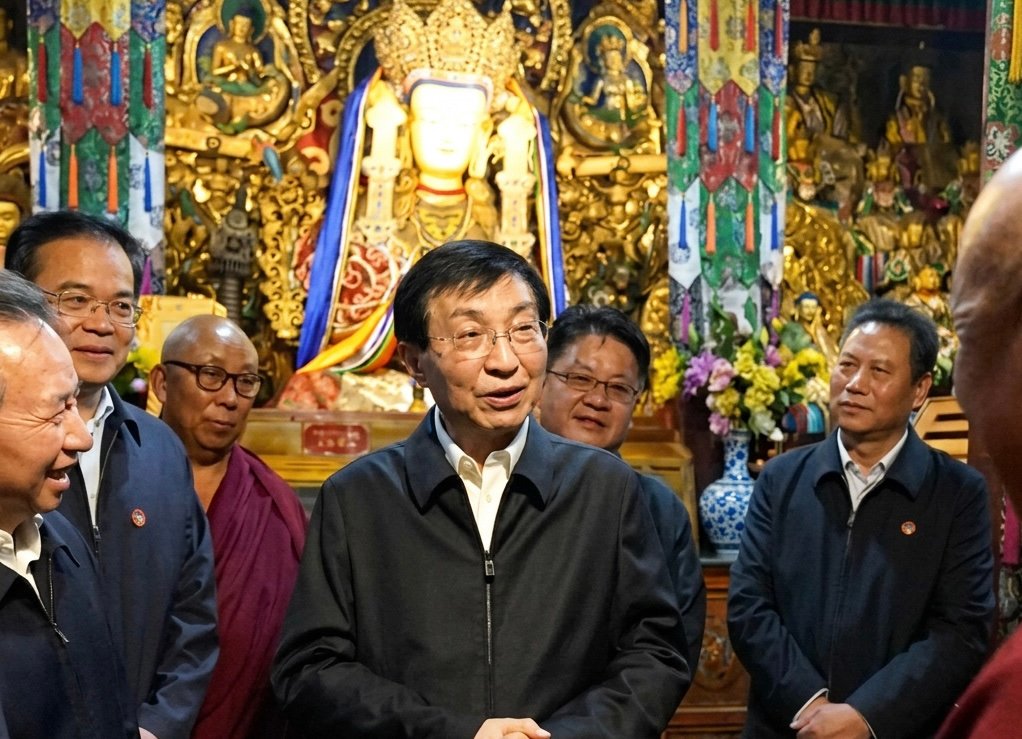
From July 19 to 22, Wang Huning, Chairman of the CPPCC National Committee and a member of the Politburo Standing Committee, conducted an extensive inspection in Tibet. The itinerary was presented as a routine visit to promote stability and development, yet the timing and locations he chose suggest a different purpose. Only weeks earlier, from June 5 to 9, he had conducted a parallel tour in Xinjiang. Both regions are home to ethno-religious minorities and are central to the enforcement of the new Law on Ethnic Unity, which expands state control over identity, culture, and religion.
In Tibet, Wang visited Lhasa, the Ali prefecture, and several villages and institutions. He stopped at Lhasa Unity Park, Sera Monastery, Zanda County’s Tolin Monastery, local police stations, clinics, and border villages. These visits were described as opportunities to observe social stability, ethnic unity, temple management, border development, and cultural preservation. The official narrative framed the tour as a celebration of progress and harmony. However, the selection of sites precisely corresponds to the areas where the new law requires intensified supervision.
During his meetings with cadres and residents, Wang emphasized the need to implement the Party’s strategy for governing Tibet after the new law came into force on July 1. He reiterated the formula of stability, development, ecology, and border security, linking these themes to the construction of a modern socialist Tibet during the Fifteenth Five-Year Plan. He also urged officials to strengthen legal governance, consolidate social management, and maintain a stable political environment. These directives align with the requirements of the new law, which mandates that ethnic unity be promoted through administrative, educational, and cultural mechanisms.
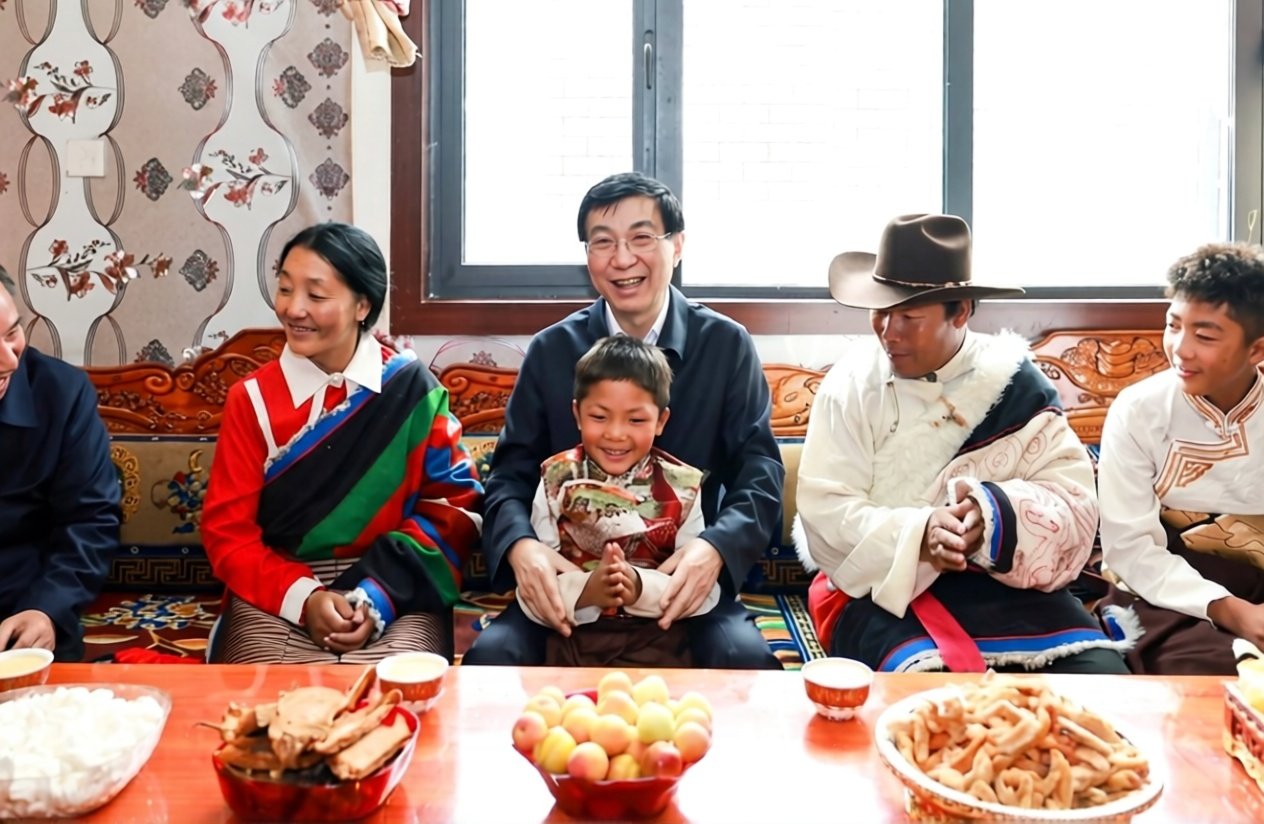
Wang devoted considerable attention to propaganda efforts aimed at reinforcing national identity. He linked the anniversaries of the Party’s founding and of Tibet’s so-called “peaceful liberation” to campaigns that promoted awareness of a unified national community. He called for visible, effective educational programs, the creation of model zones of ethnic unity, and the integration of ethnic unity into all development initiatives. This approach transforms every policy area into a tool for political assimilation.
The tour also focused on religion. Wang visited major monasteries and instructed officials to guide Tibetan Buddhism so it would adapt to socialist society. He reiterated the formula used in Mainland religious policy, in which Sinicization and the legal governance of religious affairs are central requirements. The message was directed at monastic leaders and local administrators, who are expected to enforce doctrinal supervision, ritual regulation, and political loyalty.
Cultural heritage was another theme of the inspection. Wang called for the protection and use of historical documents, archaeological objects, and cultural relics to present a narrative of ethnic integration and civilizational unity. This approach turns cultural preservation into a political instrument, interpreting history through the lens of national cohesion. It corresponds to Xi Jinping’s efforts to use history and archaeology to support the false claim that Tibet was “always Chinese.”
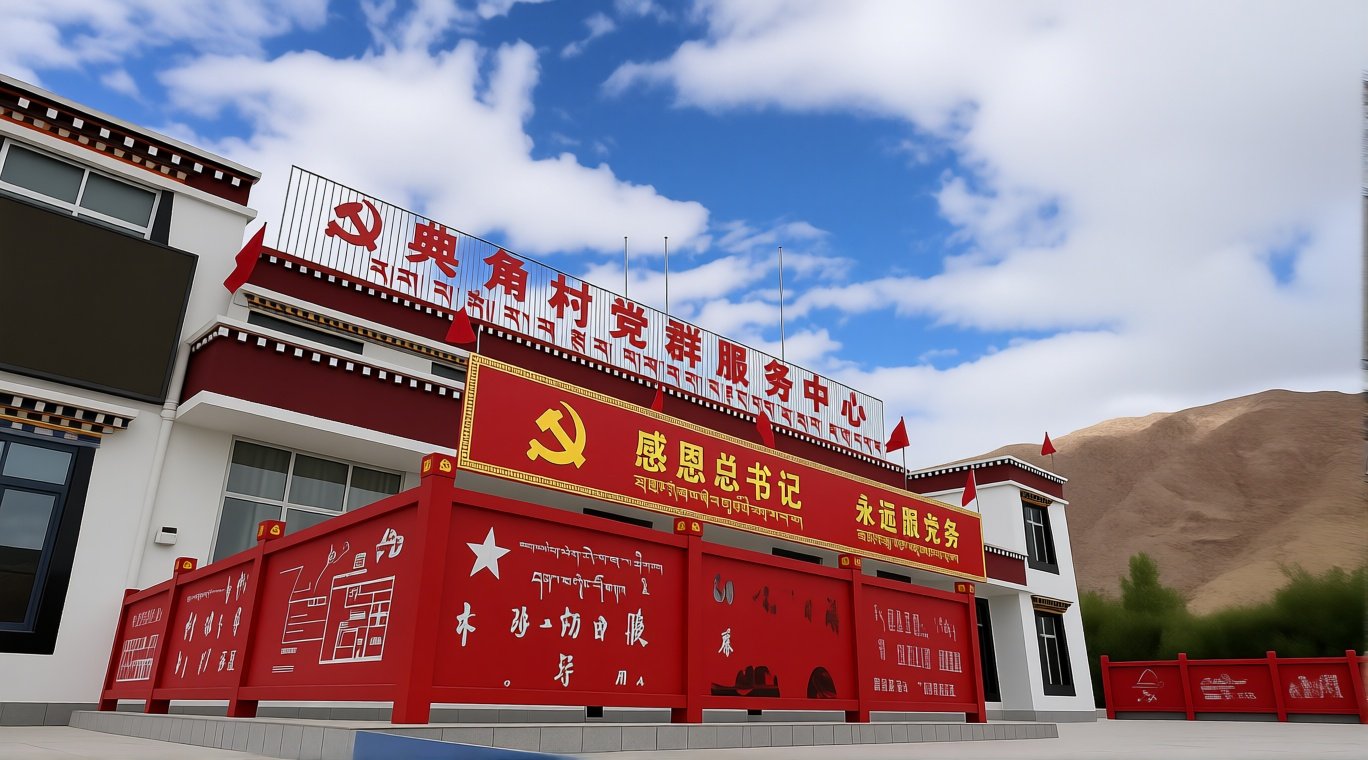
The tour concluded with meetings at the Ali prefecture’s CPPCC offices, where Wang addressed national and regional committee members. His presence in both Xinjiang and Tibet within a short period demonstrates a coordinated effort to ensure that the new Law on Ethnic Unity is applied with full intensity in regions where minorities live under strict supervision. The law expands the scope of state intervention in identity, culture, and religion, and Wang’s inspections show how this intervention is carried out through political pressure, administrative oversight, and ideological campaigns.
The inspection’s actual function was to reinforce a system in which ethnic and religious life is subordinated to political directives and autonomy exists only as a formal concept. The new law provides the legal framework, and Wang Huning’s tours provide political enforcement.

Uses a pseudonym for security reasons.