Lobsang Tenpa had already spent months in custody in 2025. He was accused of encouraging devotees to pray for the Dalai Lama.
by Lopsang Gurung
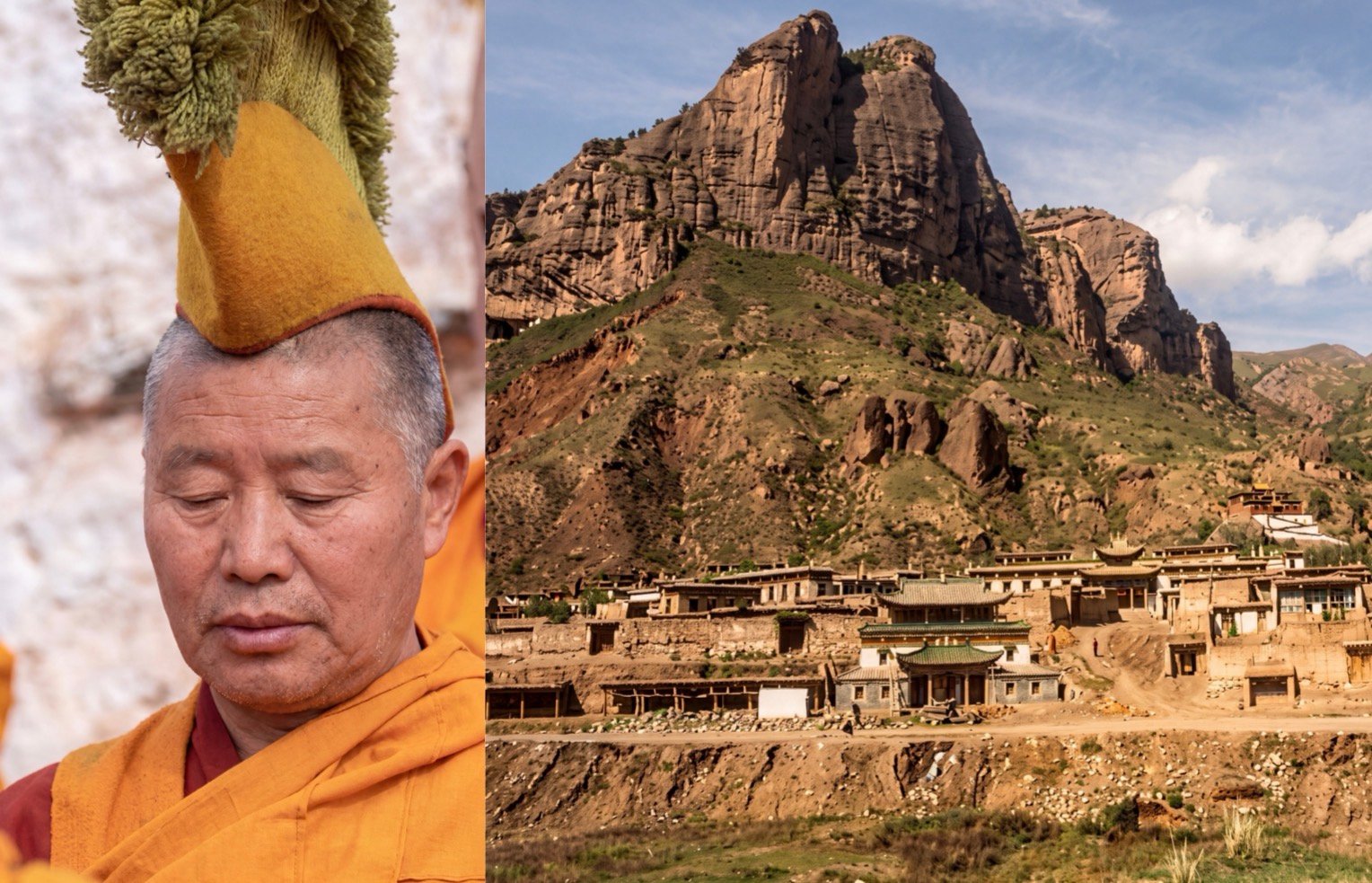
In the months before the Dalai Lama’s 90th birthday in July 2025, a senior monk at Ragya Monastery in the Golog Tibetan Autonomous Prefecture of Amdo (which China includes in Qinghai Province) started a simple devotional campaign. Lobsang Tenpa, also known as Tenpa Gyatso, asked lay Tibetans in his area to recite prayers for the Dalai Lama’s long life and to memorize the mantra of his name. Those who completed the most recitations received certificates of merit decorated with quotations from the Dalai Lama’s teachings.
For the Chinese authorities, this was enough. In May 2025, police in Machen County detained the former abbot and interrogated him for several days. His detention then lasted for several months before he was eventually allowed to go home.
His freedom proved temporary. On August 5, 2026, while Ragya’s monks were observing their summer retreat, officers of the Machen County Public Security Bureau posted a notice in Chinese on the door of his monastic residence, banning anyone from entering. For some time, nobody knew where they had taken him or why.
Details surfaced only gradually. Police had reportedly searched his rooms and found, in his private shrine, portraits of the Dalai Lama and several photographs of Kyabje Shingza Rinpoche, the head lama of Ragya. They also seized a USB flash drive storing teachings and videos of the Dalai Lama. Images of the Tibetan leader are treated as contraband in large parts of the Tibetan plateau, and their possession has repeatedly led to arrests.
Authorities first held Lobsang Tenpa in Golog. Around October 5, according to Tibet Times, a Tibetan news outlet based in Dharamshala, India, he received a five-year prison sentence. Authorities moved him to a large prison in Xining, the provincial capital, which locals reportedly call the “Brick Factory.” The charges have never been made public. It is also unknown whether he was allowed a lawyer of his own choice, or whether his relatives were ever officially informed of his arrest and trial.
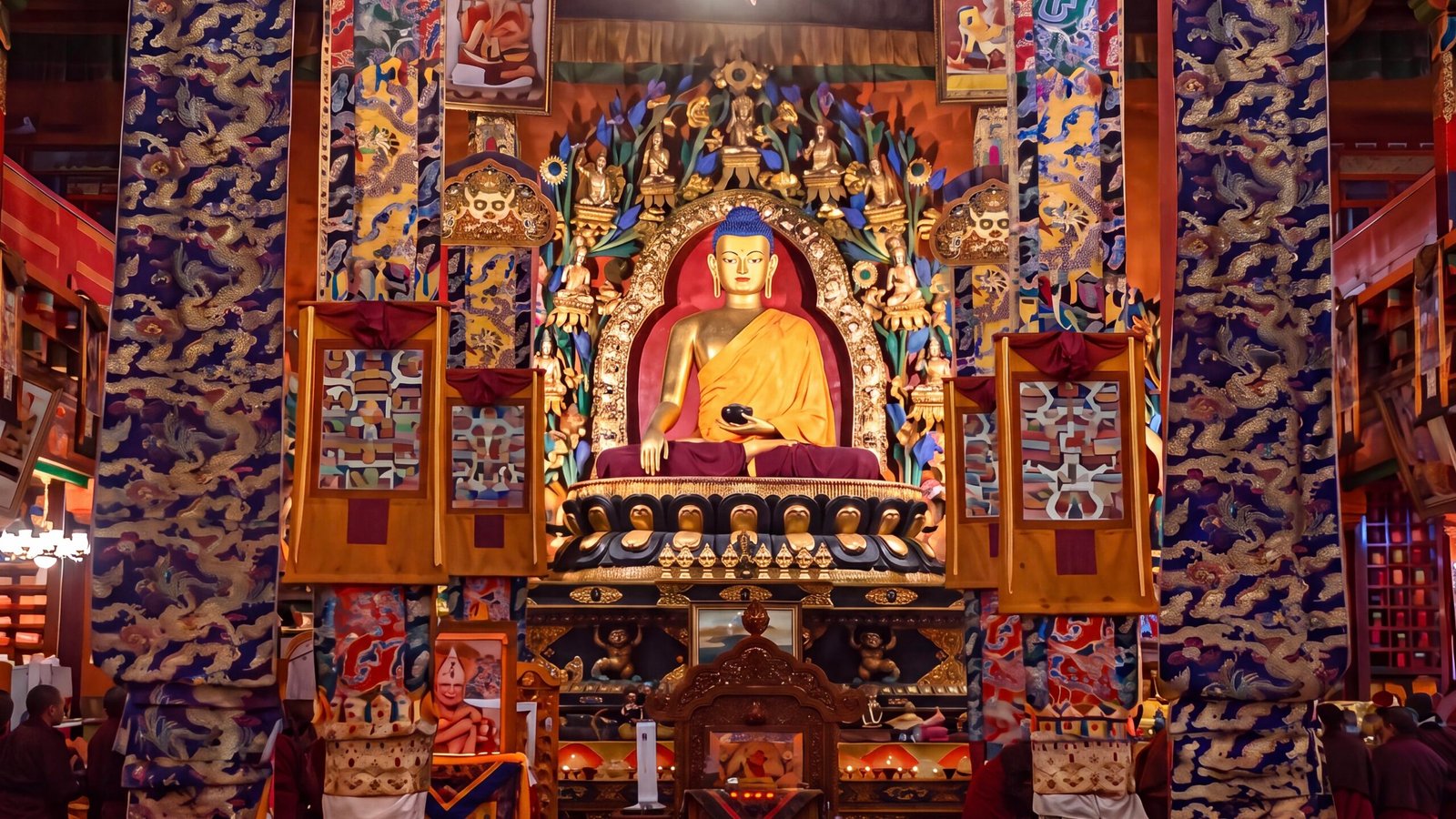
The man now serving five years was once among the most respected figures of his monastery. Born in 1965 in Hashi Hade, one of the four Tsangki tribal communities, to Kalsang Dargye and Phagtsa, he started school at eight and finished primary education. In 1983, as Tibetans cautiously revived Buddhist practice after the devastation of the Cultural Revolution, Zopa Gyatso, a respected master who had led Ragya as abbot, ordained him, and he joined the monastery as a student.
In 2000, aged 35, he became Ragya’s 54th abbot, an office he held until 2005. The monastery’s own historical record portrays him as a dedicated scholar, firmly attached to his Tibetan identity, and loyal without reservation to the Dalai Lama—qualities that have now cost him his freedom.
In Machen, people reportedly avoid speaking about his case, aware that even a conversation about the imprisoned former abbot may bring the police to their door. His story joins a long list of Tibetan monks punished for keeping a photograph, a recording, or a prayer devoted to the man Beijing calls a “splittist” and most Tibetans continue to regard as their spiritual guide.

Uses a pseudonym for security reasons.