A CCP-controlled delegation promotes Beijing’s line while regional partners intensify pressure on the Unification Church, Shincheonji, and other groups labeled as “cults.”
by Massimo Introvigne
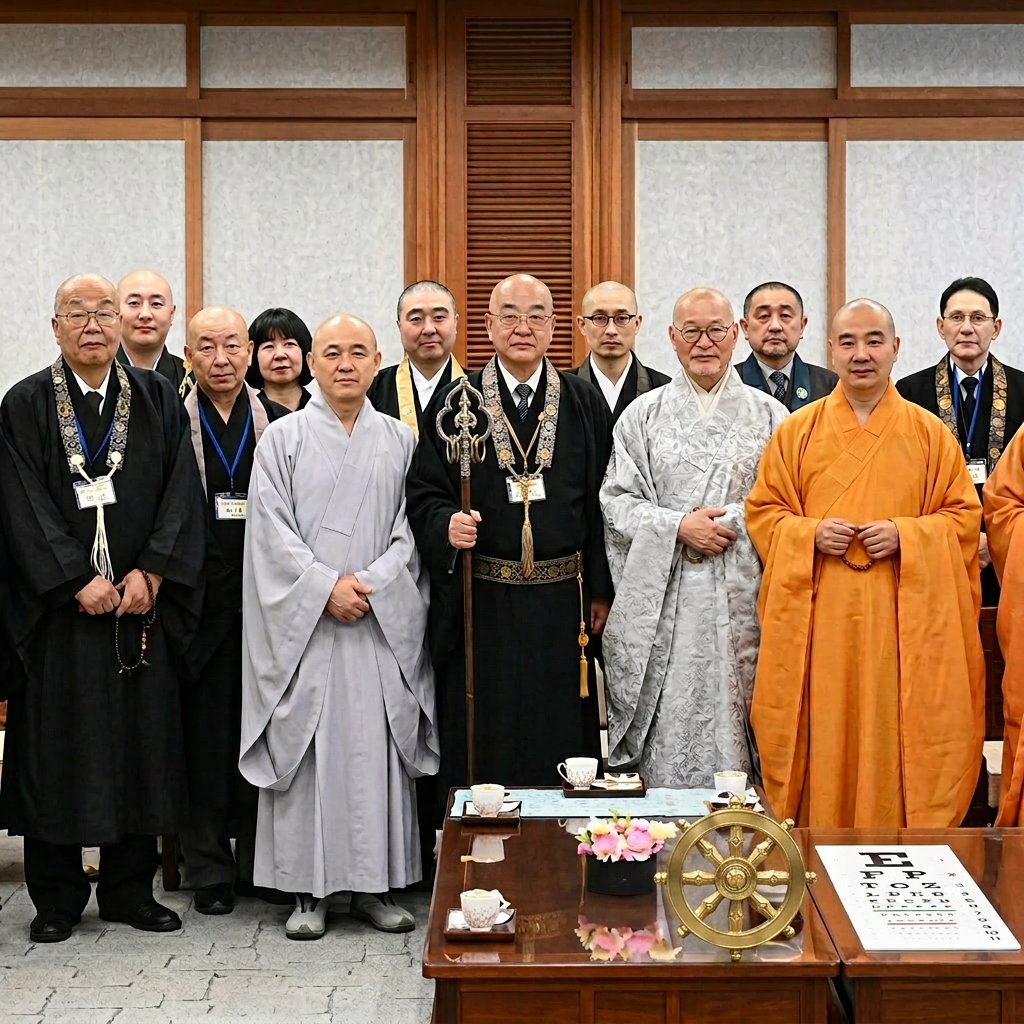
A delegation from the China Buddhist Association (CBA), led by vice president Zong Xing, traveled to Seoul from March 30 to April 2. They attended the preparatory meeting for the 26th China-Korea-Japan Buddhist Friendship Exchange Conference. Chinese media portrayed this visit as a continuation of the “golden bond” of trilateral Buddhist cooperation, an idea established in 1995 by senior monks from the three countries. Official reports described the gathering as a way to contribute to regional stability and world peace, using the familiar language that defines Chinese religious affairs propaganda.
However, these reports did not point out that the China Buddhist Association is not an independent religious group. A December 2022 report by the United States Commission on International Religious Freedom (USCIRF) found that the CBA serves as a tool of the Chinese Communist Party (CCP) to control Buddhism inside China and promote state narratives outside. USCIRF called the association “a conduit and endorser of state propaganda” and criticized its role in the government’s ongoing violations of religious freedom. According to the same report, the CBA is responsible for spreading CCP propaganda against religious movements the Party labels as “cults,” including groups that are not connected to Buddhism. The USCIRF denounced the China Buddhist Association’s “complicity in the government’s systematic, ongoing, and egregious violations of religious freedom.”
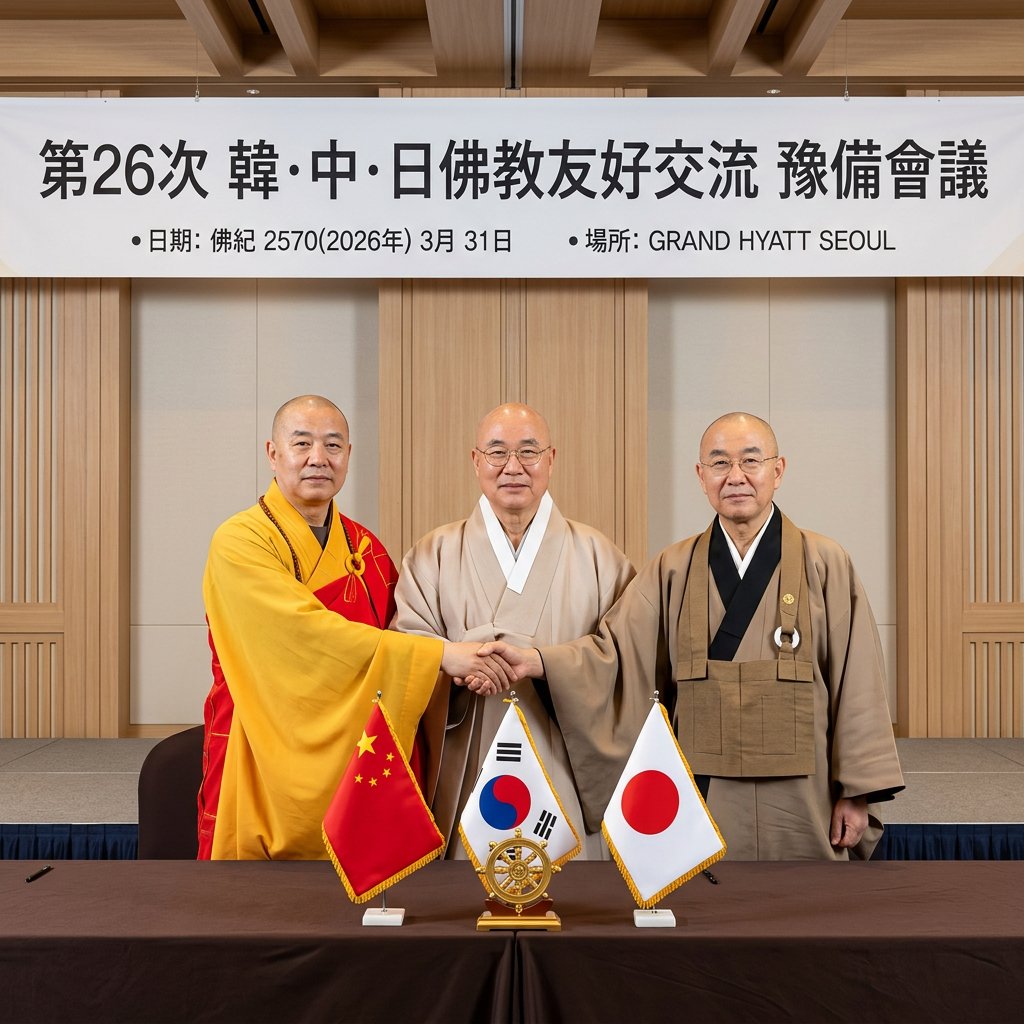
Zong Xing has openly supported using Buddhism to promote CCP political messages. In 2025, he faced backlash in Taiwan for turning his attendance at the funeral of respected monk Jing Yao into an opportunity to advocate for Taiwan’s “reunification” with the People’s Republic of China. His recent meetings in Seoul included discussions with Ven. Jinwoo of the Jogye Order, Ven. Deoksu of the Cheontae Order, and Ven. Sangjin of the Taego Order.
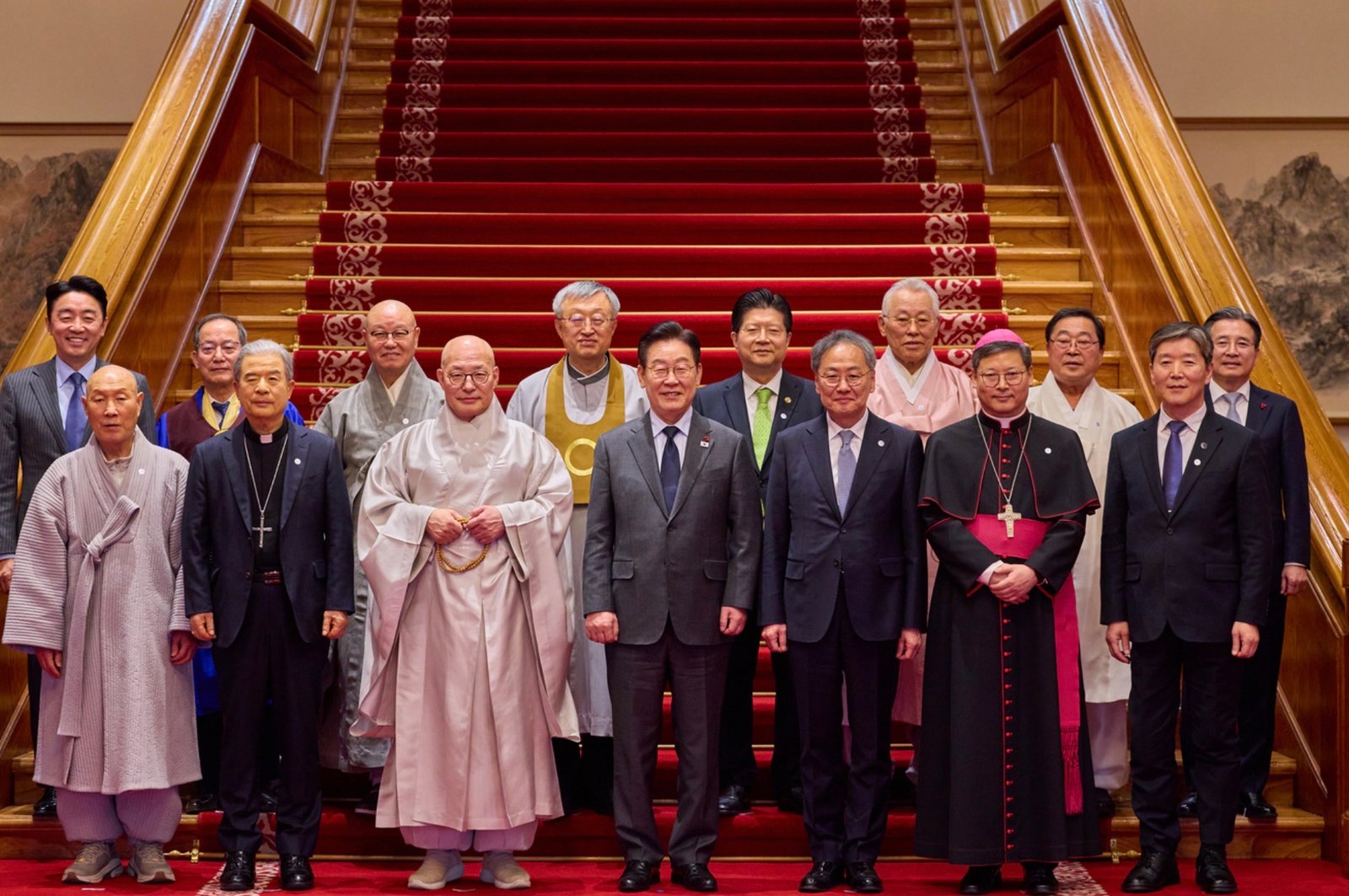
These are the same Buddhist leaders who met with South Korean President Lee Jae-myung on January 12, 2026 at the Blue House. During that meeting, President Lee called for action against “pseudo-religious” groups like the Unification Church and Shincheonji, which were labeled as “heretics.” While it is unclear if all participants endorsed Lee’s stance, Ven. Jinwoo openly supported the initiative.
“Bitter Winter” has previously reported on how Chinese experts have worked alongside South Korean and Japanese anti-cult activists to promote policies aimed at groups seen as hostile to Beijing, including the Unification Church. President Lee’s administration has joined this movement, adopting a pro-China stance and increasing pressure on religious communities that criticize his government or are viewed as unfriendly to China.
Zong Xing’s visit to Korea should be seen in this context. Under the guise of “peace” and “friendship,” the CBA delegation likely pushed Beijing’s agenda to support Lee’s campaign against religious movements that both governments consider hostile. Japanese Buddhists are also involved in the trilateral dialogue, but in Japan, the PRC has faced more challenges in gaining Buddhist support against groups like the Unification Church and Jehovah’s Witnesses than it has in Korea.
Additionally, China continues to collaborate with South Korean Christian anti-cult activists and lawyers who criticize the Unification Church and Shincheonji. This partnership now faces a challenge: President Lee and his party are advocating for a bill that would allow the government to dissolve religious organizations quickly. Many Korean Christian groups oppose this proposal, fearing it could eventually target them, particularly those with conservative views not aligned with the administration.
To maintain their long-standing cooperation with Chinese and local anti-cult organizations, some Christian leaders have suggested a more focused approach. As reported by “The Korea Times,” the Korean Society of Church Law has proposed a law specifically targeting the Unification Church and Shincheonji rather than a general law. Some Christian pastors and lawyers have indicated they would accept such an ad hoc law as long as it does not extend to their own churches.
This special-purpose law would raise significant constitutional and international law issues. However, both anti-cult activists and the Chinese international propaganda have shown little reluctance to support measures that target religious minorities they deem undesirable. In this atmosphere, the China Buddhist Association’s “friendship” diplomacy seems not like a simple spiritual exchange but rather another means for Beijing to push its regional agenda against groups it views as threats.

Massimo Introvigne (born June 14, 1955 in Rome) is an Italian sociologist of religions. He is the founder and managing director of the Center for Studies on New Religions (CESNUR), an international network of scholars who study new religious movements. Introvigne is the author of some 70 books and more than 100 articles in the field of sociology of religion. He was the main author of the Enciclopedia delle religioni in Italia (Encyclopedia of Religions in Italy). He is a member of the editorial board for the Interdisciplinary Journal of Research on Religion and of the executive board of University of Pennsylvania Press’ Nova Religio. From January 5 to December 31, 2011, he has served as the “Representative on combating racism, xenophobia and discrimination, with a special focus on discrimination against Christians and members of other religions” of the Organization for Security and Co-operation in Europe (OSCE). From 2012 to 2015 he served as chairperson of the Observatory of Religious Liberty, instituted by the Italian Ministry of Foreign Affairs in order to monitor problems of religious liberty on a worldwide scale.