Was Bandera a “Nazi”? A “Nazi collaborator”? Or a temporary “Nazi ally”? The answer matters.

Nazism in Ukraine—Separating Facts from Fiction. 2. Nazi Germany and Stepan Bandera
read more

Was Bandera a “Nazi”? A “Nazi collaborator”? Or a temporary “Nazi ally”? The answer matters.

One accusation against modern Ukrainians is that they honor early nationalist antisemitic leaders such as Symon Petliura.
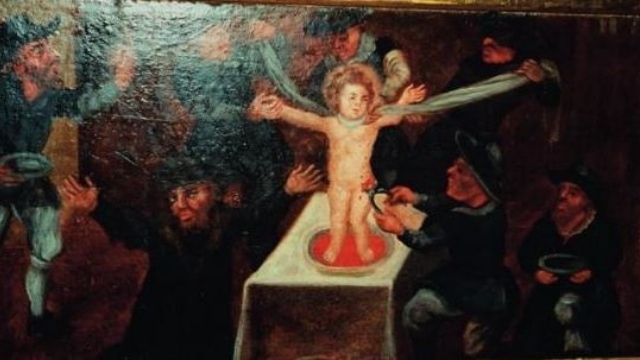
Jews have been killed for centuries based on a slanderous accusation. While often repeated, that it is false is certain.

After ten years, Anders Breivik is still called by some a “Christian fundamentalist.” But who is he and what motivated the man who carried out the Utøya massacre?

Will the legal protection of the content of confession and similar practices against its mandatory disclosure, even when a crime is involved, survive the present assault?

Scientology is a unique example of a religion where confidentiality is part of the essence of its central religious practices.

U.S. case law and state laws recognize a confessional privilege for all religions. However, the pedophile priest crisis led to calls for abolishing it.

While in Italy the Concordat with the Catholic Church creates a special situation, in other countries attacks against the legal protection of the confessional secret are gaining momentum.

A very important book critically addresses proposals that statutes protecting the confidentiality of religious confession should be abolished.

The earlier stories of the popular detective series were written by a secular humanist. But the Stratemeyer Syndicate made them into a Christian answer to “bad” dime novels.