A federal judge in Bariloche leaves defense motions unanswered and keeps alive a compulsory confinement order that the medical evidence no longer supports.
by Massimo Introvigne
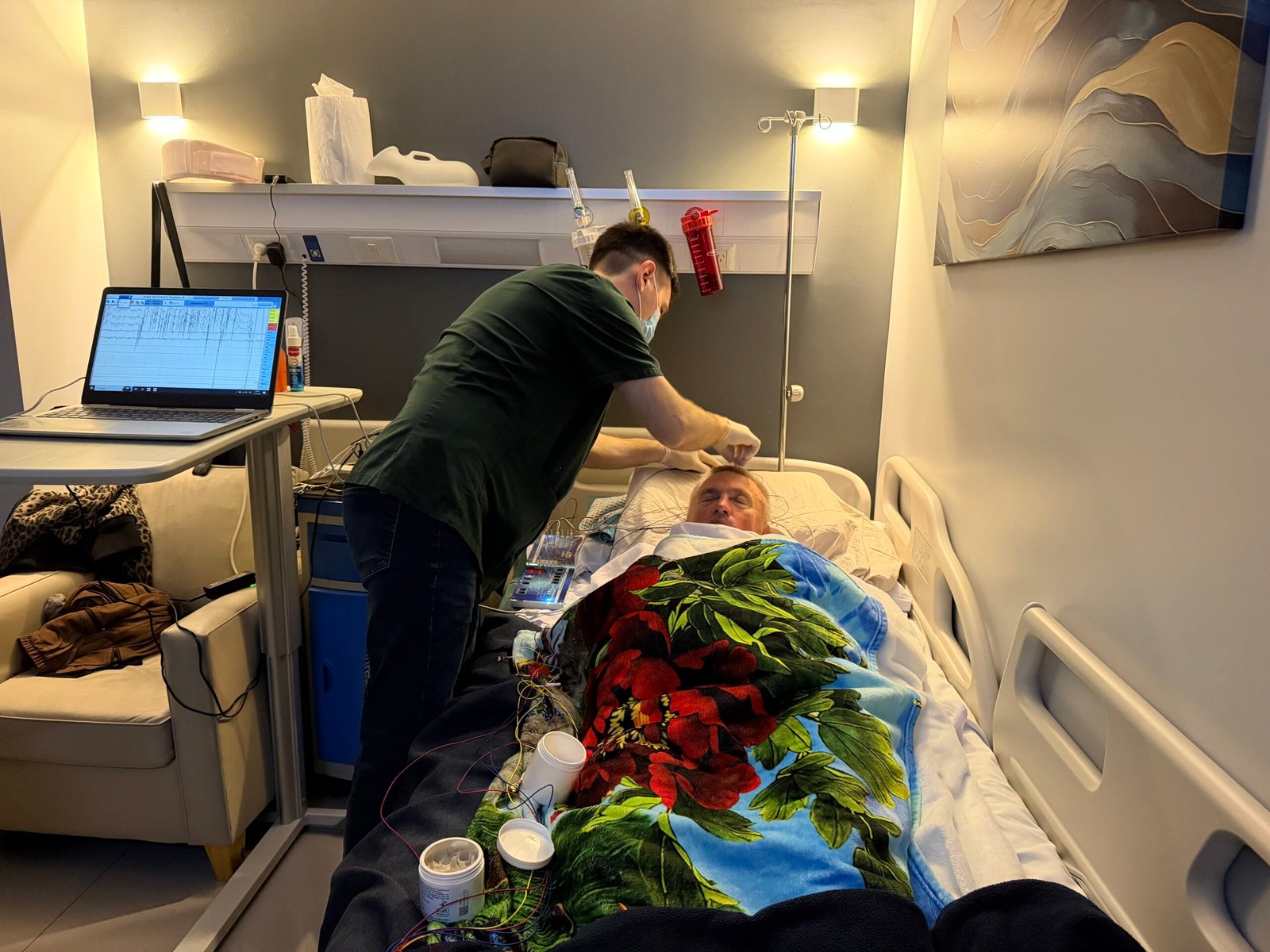
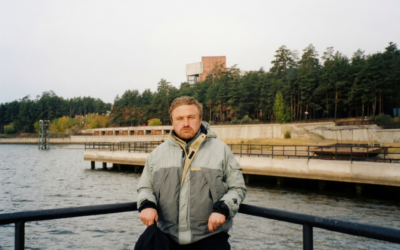
Konstantin Rudnev is a Russian spiritual teacher who was arrested at the airport of Bariloche, in Argentine Patagonia, in March 2025. He is accused of having trafficked a young Russian woman, Elena Makarova, who has always denied being a victim of anyone, except the Argentine prosecutors, who keep calling her one. Rudnev spent more than a year in the high-security federal prison of Rawson, where he lost 53 kilograms. Since May 2026, after emergency surgery, he has been under house arrest in San Vicente, in the province of Buenos Aires. The case, and the many problems of the Argentine criminal system it reveals, are discussed in the collective book “Dangerous Justice,” which I co-edited and which can be downloaded free of charge.
Based on information and documents from Konstantin Rudnev’s defense, I can now report on the latest developments. Unable to send Rudnev back to prison, the prosecution has found a new way to take him out of the house where he is held: a compulsory hospitalization in a public hospital, under police custody, which the defense fears would turn the hospital into a prison. The new federal judge in charge of the preliminary proceedings in Bariloche, Leandro Agustín Gómez Constenla, has endorsed the idea and has so far left the defense’s motions against it unanswered.
The first thing to understand is how ill Rudnev is. As documented by the defense, he suffers from chronic inflammatory demyelinating polyradiculoneuropathy, a disease of the nerves that affects the motor functions of all four limbs. He also has hypertension that is difficult to control, with hypertensive heart disease, a history of transient ischemic attack, emphysema with a severe restrictive ventilatory pattern, compressive cervical myelopathy, arthritis of the hips and knees, and a measurable neurocognitive decline. He is largely confined to bed or to a wheelchair. He does not understand Spanish.
On October 8, 2026, the Cuerpo Médico Forense, the official forensic medical body of Argentina’s Supreme Court, delivered its report. As even the newspaper “La Nación” acknowledged in an article of November 2, the experts concluded that Rudnev “presents a functional deterioration and cardiorespiratory compromise that prevent him from remaining in a common [prison] ward.” The report also noted some shortcomings of the house where he is under house arrest: his bed was not orthopedic, his wheelchair lacked support for the head and trunk, and it could not pass through the door of his room. Finally, the experts suggested a comprehensive medical evaluation.
Here the story takes a strange turn. In the same article, largely based on information from the prosecution, “La Nación” wrote that “the doctors of the Court determined categorically” that Rudnev should not stay in a private home either, and “therefore recommended his transfer to a hospital with strict security measures.” Other Argentine media repeated the claim. The forensic report contains no such conclusion. The experts recommended a hospitalization so that a series of medical examinations could be carried out.
What followed was a tour of Argentine hospitals. The court first ordered Rudnev’s admission to the Hospital Fernández in Buenos Aires, which did not take place. The defense then arranged, at Rudnev’s own expense, his admission to the Hospital Italiano and to the Hospital Británico, two leading private hospitals of Buenos Aires. Neither had a bed available. On October 29, 2026, the judge ordered Rudnev’s hospitalization in the Hospital Regional Cuenca Alta Néstor Kirchner in Cañuelas. The next day, the hospital’s executive direction informed the court in writing that it could not comply. It had no beds, it could not guarantee the conditions for police custody, and it was unable to perform some of the neurological examinations required.
On the same October 29, Rudnev suffered a hypertensive crisis, with blood pressure readings of 210/100, and was rushed to the Clínica Monte Grande, a private clinic where he had been treated before. He remained there until November 6. During those eight days, specialists in internal medicine, cardiology, neurology, pneumology, and surgery examined him, and a long list of tests was performed, including a Doppler echocardiogram, a chest CT scan, blood gas analysis, a nocturnal respiratory polygraphy, an arterial Doppler of the lower limbs, and an assessment of his ability to swallow. He was discharged with a prescription for outpatient follow-up, medication, and nocturnal non-invasive ventilation at home.
Meanwhile, the family addressed the shortcomings of the home noted by the forensic experts. On November 11, a clinical physician, Dr. Víctor Hugo Pecci, visited the house and certified in writing that an orthopedic bed had been installed, that the wheelchair had been fitted with a headrest, and that Rudnev had been moved to a larger room from which the wheelchair could reach the bathroom and the exit of the house. He concluded that the previously noted deficiencies had been remedied and that the house allowed Rudnev to receive the care he needs.
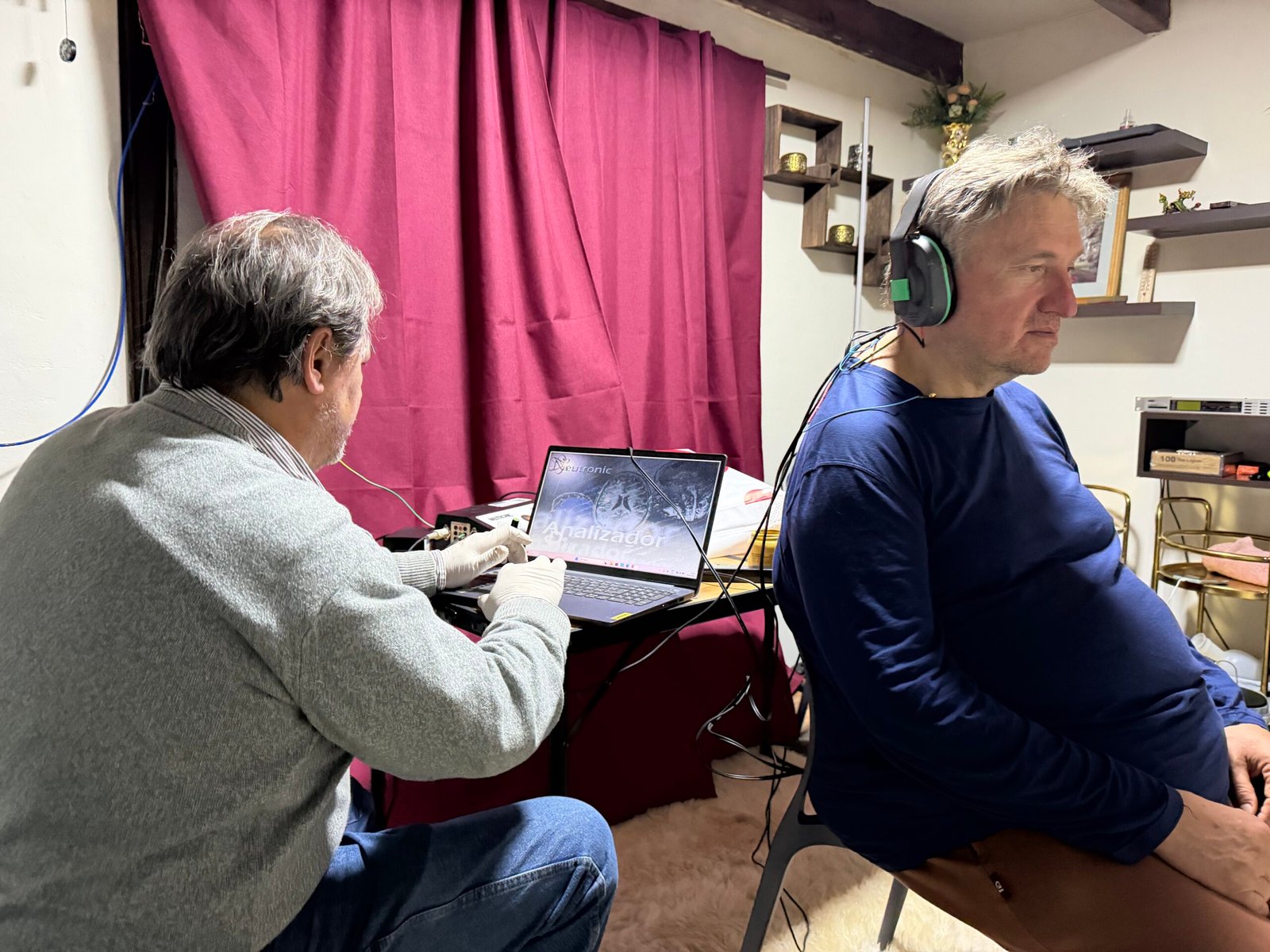
In other words, the examinations the forensic experts wanted have been carried out in a hospital setting, and the improvements to the house they asked for have been made. The defense submitted the results and, on November 11, the complete medical records of Rudnev’s stay in the clinic. It asked the judge to forward them to the forensic experts, so that they could say whether anything was still missing and update their opinion. This appears to be the obvious next step. The forensic body formulated the requests, and it should decide whether they have been satisfied.
Judge Gómez Constenla chose another path. On November 10, he rejected the defense’s request to suspend the compulsory hospitalization, stating only that the defense’s arguments “do not shake the grounds” of the October 29 order, which he declared final. In the same decision, having realized that the hospital in Cañuelas could not admit Rudnev, he asked the health ministries of the Nation and of the province of Buenos Aires to find a place for him in an unspecified “high-complexity public hospital.” The order thus survives without a hospital, a date, or a time limit.
On November 15, the defense appealed. Its brief argues that the November 10 decision contains no examination of the new facts submitted to the court and is therefore arbitrary; that a precautionary measure must be reviewed whenever circumstances change; and that a less harmful alternative was available and never considered. It asked for a hearing before the judges responsible for reviewing such decisions, with a Russian interpreter. At the time of writing, the defense’s November 11 motion has remained unanswered for more than a week, and, as the defense understands it, the deadlines have passed without the appeal being forwarded to the higher court.
The defense also stresses the medical risks of the transfer. A cardiology report of November 3 connects Rudnev’s episodes of high blood pressure with stress and his chest pains with the fear of returning to prison. A neurology report of October 22 states that emotional stress aggravates his weakness and pain, and recommends a calm and stable home environment, with the constant assistance of a person who speaks Russian. Moving a bedridden man, just discharged after eight days in a clinic, to a public hospital yet to be identified, under police custody and without a guaranteed interpreter, to repeat tests that have largely been done already, is hard to reconcile with any legitimate procedural purpose.
The defense fears that the real purpose is a different one: to replace house arrest with a form of detention in a hospital, where Rudnev would again be isolated from his family, unable to communicate, and in the hands of those who have treated him as a dangerous criminal from the first day. The fear is understandable. During his detention in Rawson, as documented in “Dangerous Justice,” Rudnev was made to swallow pills daily without being told what they were, and only later did his lawyer discover that the medication was lowering his already unstable blood pressure. Medicine used as an instrument of control has a long and sad history, which Russians know well, and which Rudnev has reason to fear.
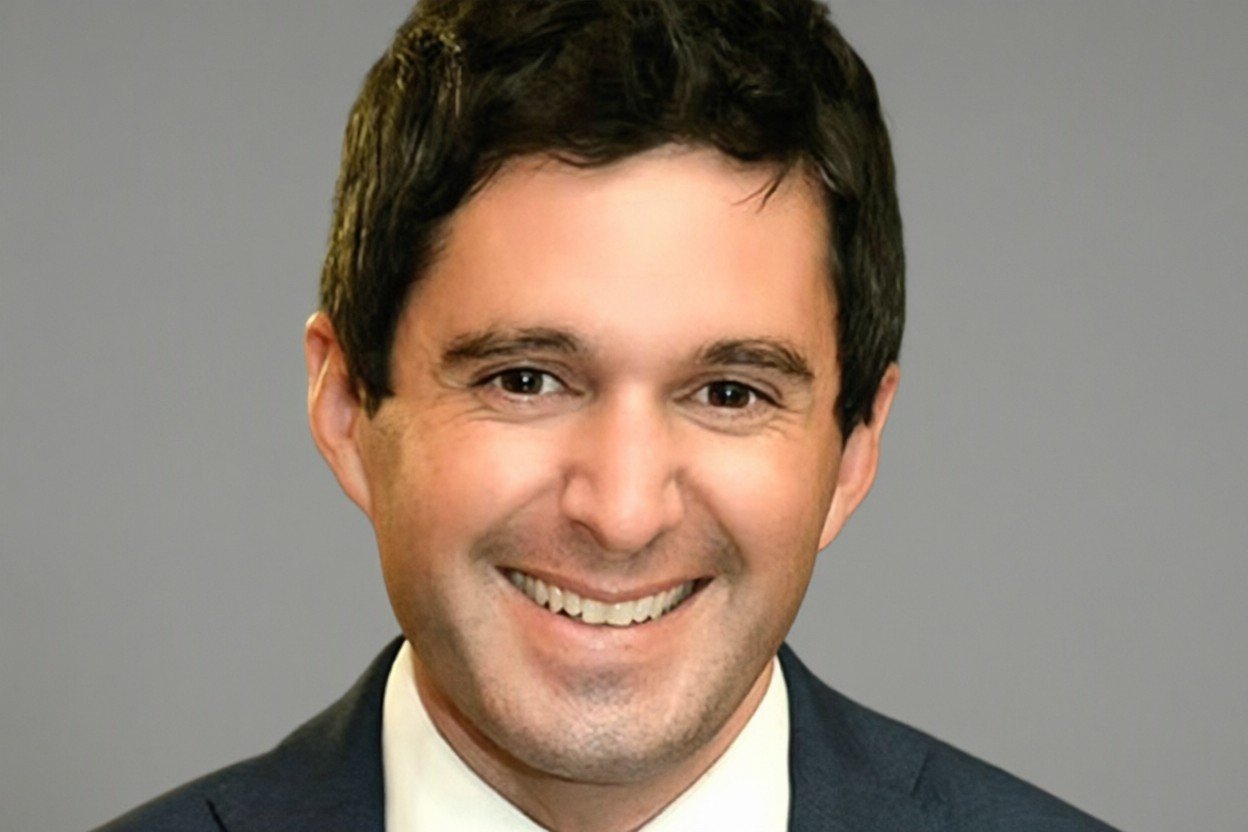
The defense had high hopes when Judge Gómez Constenla was appointed, and trusted that he would examine its submissions with care. So far, his decisions have consistently followed Prosecutor Fernando Arrigo’s line, while the medical evidence, the defense’s motions, and its appeal remain substantially unaddressed. Ruling on the parties’ motions is among a judge’s most basic duties. A delay that benefits only one side inevitably raises questions about the court’s independence from the prosecution, and those questions deserve an answer. Justice requires judges who decide according to the law and the evidence, whatever the prosecutors wish.
For these reasons, the defense is considering asking for the recusal of both the prosecutor and the judge. Against the prosecutor, it points to what it regards as personal animosity: according to the defense, Makarova herself declared in her recorded testimony in the “Cámara Gesell,” the interview room used in Argentina for vulnerable witnesses, that the prosecutors targeted Rudnev from the beginning and tried to make her testify against him. The defense also points to a loss of objectivity, since the prosecution keeps repeating charges that the evidence collected has not confirmed, such as the drug charge, while new stories keep surfacing in the media, including attempts to connect Rudnev with a hard drive. Several NGOs have already filed complaints asking the competent authorities to examine Arrigo’s conduct. Arrigo has been accused of serious wrongdoing in other cases too, including those of Facundo Jones Huala and the police officers accused in connection with the death of Franco Casco. Against the judge, the defense would invoke his apparent alignment with the prosecution and his failure to rule on the motions.
Three demands follow from all this, and they are reasonable. The compulsory hospitalization order should be revoked, since its purpose has been achieved. The judge should rule on the defense’s motions and forward its appeal to the higher court without further delay. The competent authorities should also examine whether the prosecutor and the judge can still be regarded as impartial in this case.
Article 18 of the Argentine Constitution states that the Nation’s prisons are for security, not punishment. The country’s Supreme Court, in the well-known “Verbitsky” decision, has affirmed that the State has a reinforced duty to protect the health of those in its custody. A seriously ill man who has never been tried and who has submitted to every examination asked of him deserves the protection of these principles. Turning a hospital into a prison would deny it.
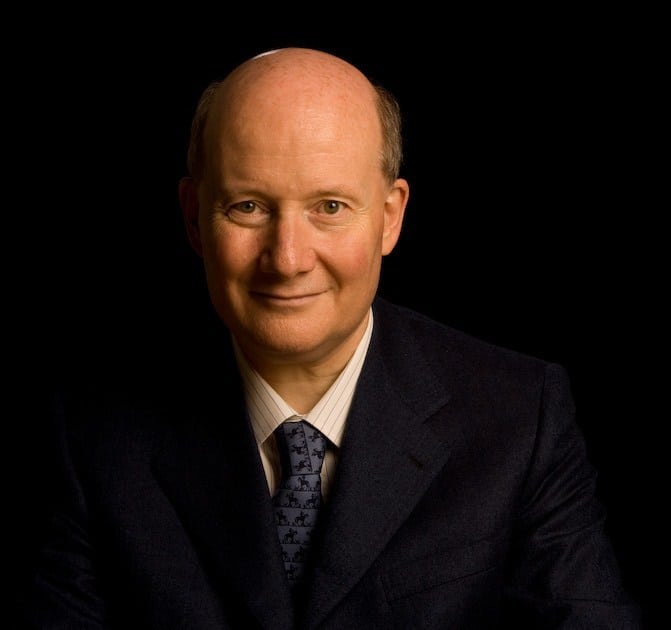
Massimo Introvigne (born June 14, 1955 in Rome) is an Italian sociologist of religions. He is the founder and managing director of the Center for Studies on New Religions (CESNUR), an international network of scholars who study new religious movements. Introvigne is the author of some 70 books and more than 100 articles in the field of sociology of religion. He was the main author of the Enciclopedia delle religioni in Italia (Encyclopedia of Religions in Italy). He is a member of the editorial board for the Interdisciplinary Journal of Research on Religion and of the executive board of University of Pennsylvania Press’ Nova Religio. From January 5 to December 31, 2011, he has served as the “Representative on combating racism, xenophobia and discrimination, with a special focus on discrimination against Christians and members of other religions” of the Organization for Security and Co-operation in Europe (OSCE). From 2012 to 2015 he served as chairperson of the Observatory of Religious Liberty, instituted by the Italian Ministry of Foreign Affairs in order to monitor problems of religious liberty on a worldwide scale.