The Russian spiritual teacher compared Siberian shamanism with the Toltec path described by Carlos Castaneda.
by Susan J. Palmer
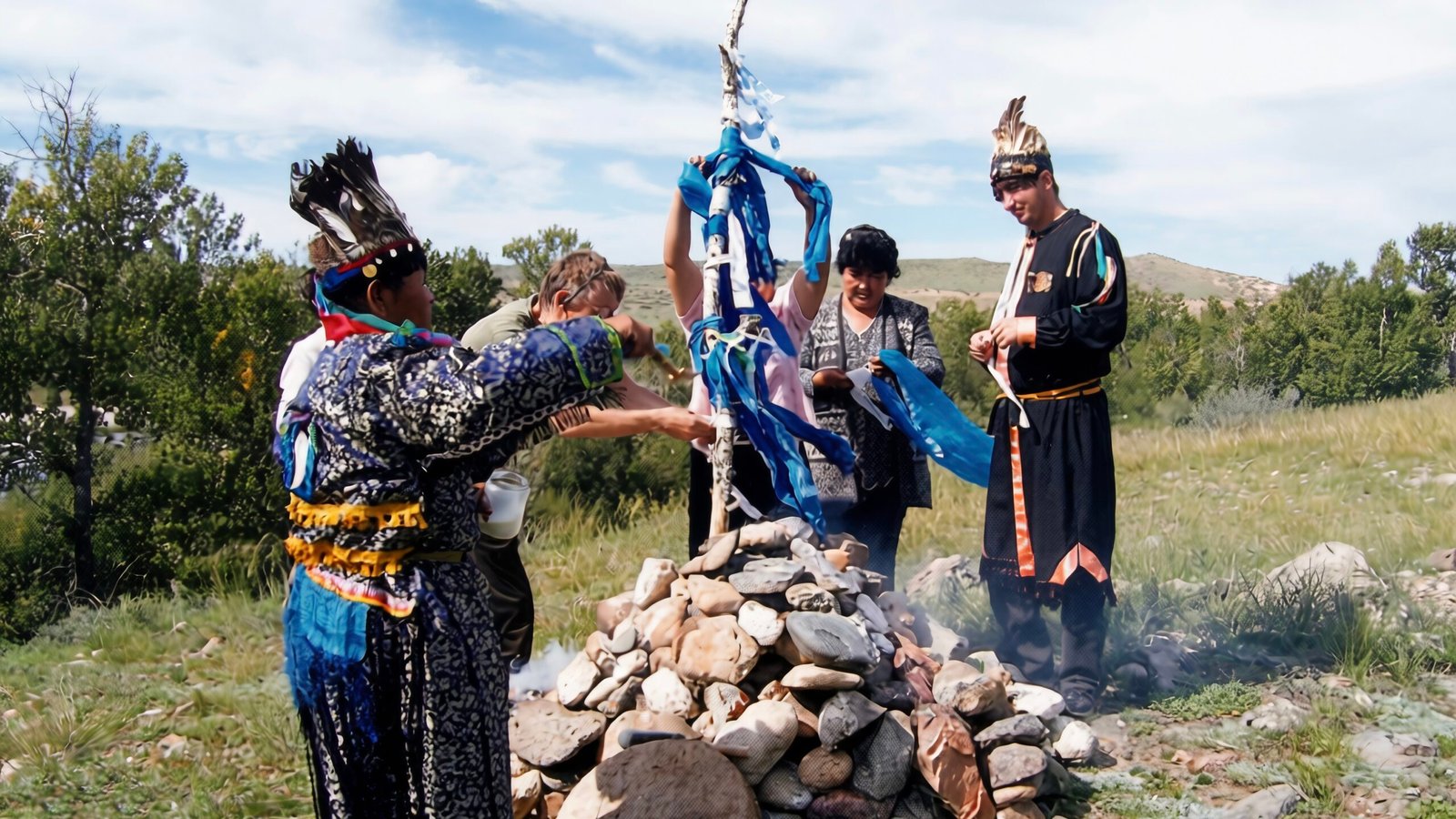
This article explores the shamanic elements in the life and teachings of a Russian mystic who founded and led, from 1993 to 2010, the Siberian spiritual community that came to be known as “Ashram Shambhala.”
Konstantin Rudnev, born in 1967, was a prominent spiritual teacher in Russia. He started as a yoga instructor, became an inspirational lecturer, and later emerged as the charismatic leader of an international new religious movement. His teachings incorporated elements of Christianity, Tibetan Buddhism, New Age ideas, and shamanism. Rudnev was a practicing neo-shaman who occasionally wore the dress of a Siberian shaman. His former students or “tutors,” who carry on his work today, recall attending workshops in shamanic techniques and witnessing magical healings at Ashram Shambhala.
Rudnev’s teachings on shamanism blend two seemingly incongruous traditions. The first is the ancient, indigenous shamanism of the Altai people of Siberia. The second is the Yaqui/Toltec “way of knowledge,” as presented in the twelve books Carlos Castaneda (1925–1998) published between 1968 and 1998.
In exploring Rudnev’s career as a shaman and teacher of shamanic knowledge and practices, I will first describe the social and historical context of this niche area of religious studies, starting with Siberian shamanism as a Russian field of study and moving on to Mircea Eliade’s (1907–1986) seminal work on shamanism. I will then turn to Konstantin Rudnev’s own account of his training and experiences as the apprentice of a Siberian shaman, and to his interpretation and application of Castaneda’s writings.
This study draws on a single-session interview with Konstantin Rudnev, who currently lives in Argentina. He is recovering from surgery and speaks only Russian. I therefore composed a list of questions and sent them through an intermediary to Rudnev’s wife, Tamara Rudneva. She relayed my questions to her husband, translated his answers into English, and emailed them to me.
Rudnev uses the term “shamanist” and explains how “shamans” differ from “shamanists”: “A shaman is like a priest who has developed the ability to communicate with the gods and with spirits. Shamanists are people who share the worldview of shamans but do not possess such abilities. Shamanists might, to some extent, communicate with the spirit of a river, the spirit of the hearth fire, Choktal, or the spirits of the taiga and the mountains. They may establish communication with such earthly spirits. But they cannot contact the gods and greater spirits because they lack the ability. Shamanists are simply people who share the shamanic vision of the world, but are not, so to speak, priests who communicate with the gods and perform certain complex rituals.”
The term “shaman” derives from the word “šaman” in the language of the Evenki (formerly called Tungus), a Tungusic people of Siberia. It means “one who knows,” and refers to a magician, sorcerer, or medicine man. Russian scholars were the first to observe this magical and religious phenomenon in Siberia. British archaeologist Paul G. Bahn has called Siberia “the heartland of true shamanism,” and argues that the word “šaman” should be restricted to its cultural region of origin.
Some of the earliest studies of Siberian tribes were written in German by Russian folklorists, ethnographers, and anthropologists, such as Wilhelm Radloff (1837–1918), author of “Aus Sibirien” (1884). Soviet ethnographer Leonid Pavlovich Potapov (1905–2000) noted that, during the anti-religious repression of the 1930s, shamanic rituals were forbidden and ritual paraphernalia such as drums and costumes were confiscated by the authorities. Many of these early studies include photographs of shamans in bear costumes holding drums or riding reindeer.
Despite the Communist regime’s suppression of religion, studies of Siberian shamanism were available in Russian libraries, and they sparked Rudnev’s interest.
In our remote interview, he explained how this interest developed: “I had been interested in Siberian shamanism for a long time, since childhood. Fragmentary information had always been passed down. Scholars collected folklore and fragments of information about shamanism from different people who often were not even shamans themselves but knew something about the tradition. In Soviet times, pre-revolutionary authors wrote scholarly books exploring Siberia before the Revolution, where they found shamans and studied their folklore and shamanic traditions. I read a book called ‘Chosen by the Spirits’ by Vladimir Nikolaevich Basilov [1937–1998]. Surprisingly, it was an actual book [as opposed to a samizdat ‘black market’ book]. It was essentially the first accessible book on shamanism at the time, which is surprising because shamanism was considered a kind of religion, and religion was considered evil, ‘the opium of the people.’ In practice, books about religion were hard to obtain. I began searching through libraries for the scholarly works of [Andrei Viktorovich] Anokhin [1869–1931] and [Leonid Pavlovich] Potapov on Siberian shamanism.”
“Shamanism in our country,” Rudnev continued, “was extremely rare. It existed only in Altai, Tuva, Buryatia, or somewhere else in the more remote regions of Siberia… Since I lived in the city of Novosibirsk and no one knew anything about it, I only encountered shamanists (people who follow shamanic traditions); when I arrived in Altai, I found a genuine shaman. I also encountered shamans from Tuva. Since Tuva became part of Russia during the war, it partially escaped that brutal period in the 1930s when shamans were being exterminated, because at that time it had not yet become part of Russia. Elements of shamanism were also preserved in the Far North, in Yakutia. And it was still possible to encounter shamans there as well. But all genuine shamans mainly live in nature, that is, in the taiga or tundra, and it is relatively easy to encounter urban shamans, who just play at shamanism. But the spirits leave the cities and are mainly found in wild places with no people. Genuine shamans settle in these places to contact powerful spirits.”
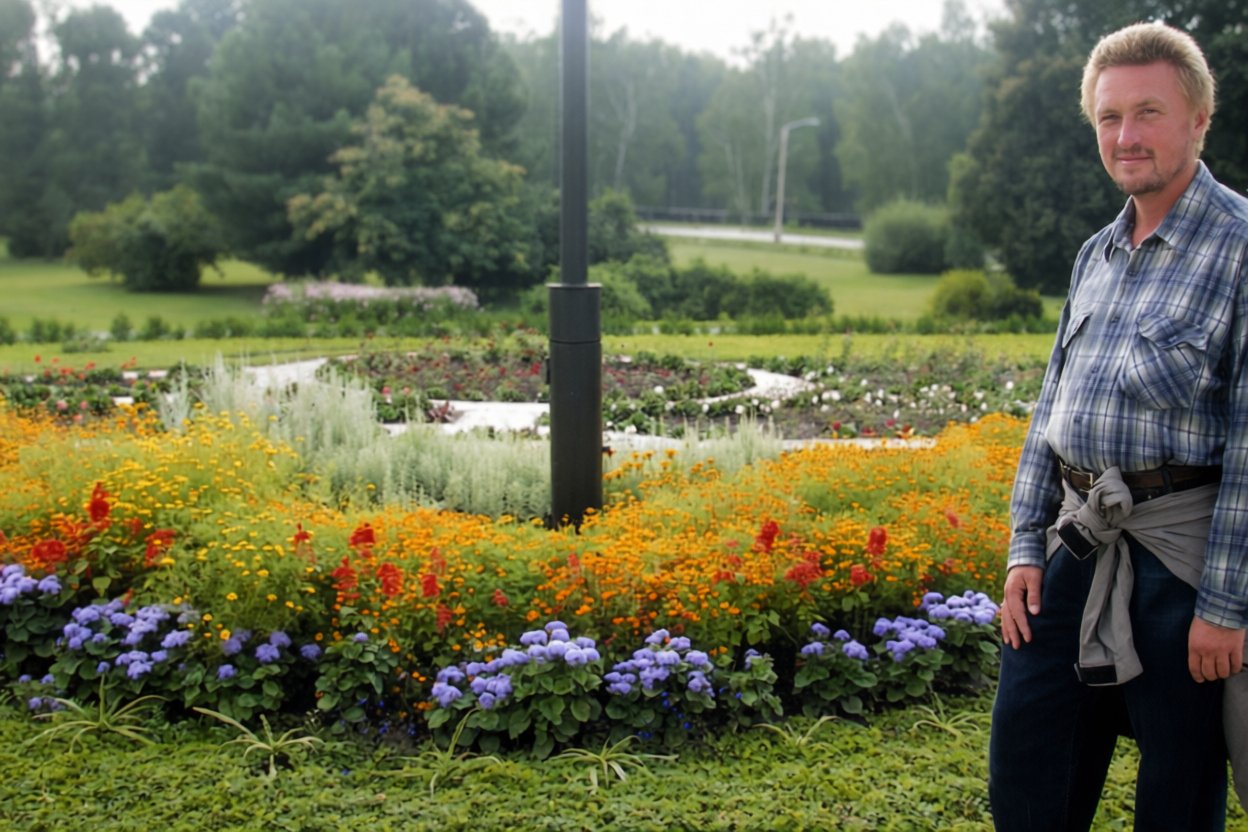
Mircea Eliade was born in Romania. A prolific writer who spoke six languages, he became a leading scholar of religious studies in the 20th century. He moved to the United States in 1956 and helped found the Chicago School of the phenomenology of religion.
Ethnographies of shamans in specific tribes by Russian and German researchers had been published since the 18th century, yet Eliade wrote the first analytical and comparative study of this ancient and universal type of religion. His book “Le Chamanisme et les techniques archaïques de l’extase” was published in French in 1951 by Librairie Payot in Paris and translated into English in 1964 as “Shamanism: Archaic Techniques of Ecstasy.”
The subtitle of the book sums up its main thesis. For Eliade, “shamanism” involves the mastery of techniques that induce trance states and ecstatic or out-of-body experiences, which today we would call “altered states of consciousness.” In the ecstatic state, the shaman is empowered to perform magical acts and to travel to other realms of the cosmos. The word “ecstasy,” from the Ancient Greek “ékstasis,” means “standing outside of the self.”
Eliade offered vivid examples of this ancient, universal religion among hunter-gatherer tribes still living in “Stone Age” cultures close to nature. He outlined the basic elements of shamanism: the shaman’s role in the tribe or community; the shaman’s powers, which include flight to the spirit world, healing the sick, helping hunters, and magical sight; and the shaman’s vocation, training, and initiation. Since Eliade’s book appeared, “shaman” has become a generic term.
Rudnev reports that “after studying the subject in some detail,” he received a vision: “The Spirit of Siberia appeared to me and said that I would become a shaman and that I had to restore the shamanic teaching, because there was no clearly defined shamanic teaching in any book.”
Then in his early twenties, Rudnev decided to travel to Altai, where authentic shamans could still be found living in the taiga: “I reached the village of Tyungur; beyond it, there are no more settlements, and the foothills of Belukha begin. There I wandered through the taiga. It was as though something was guiding me, some power. I came to Altai, and the Spirit led me to a shaman. That is how I met the Altai Kam and began studying under him. I later described my further training with him in my books, where I reconstructed Siberian shamanism as it was and how to practice it. It can be said that the spirits chose me and brought me to the Altai Kam for training. He also received a sign from the spirits and, having the ability to see a person, to see who they are objectively, he saw that I was capable of absorbing the teachings, of becoming a shaman.”
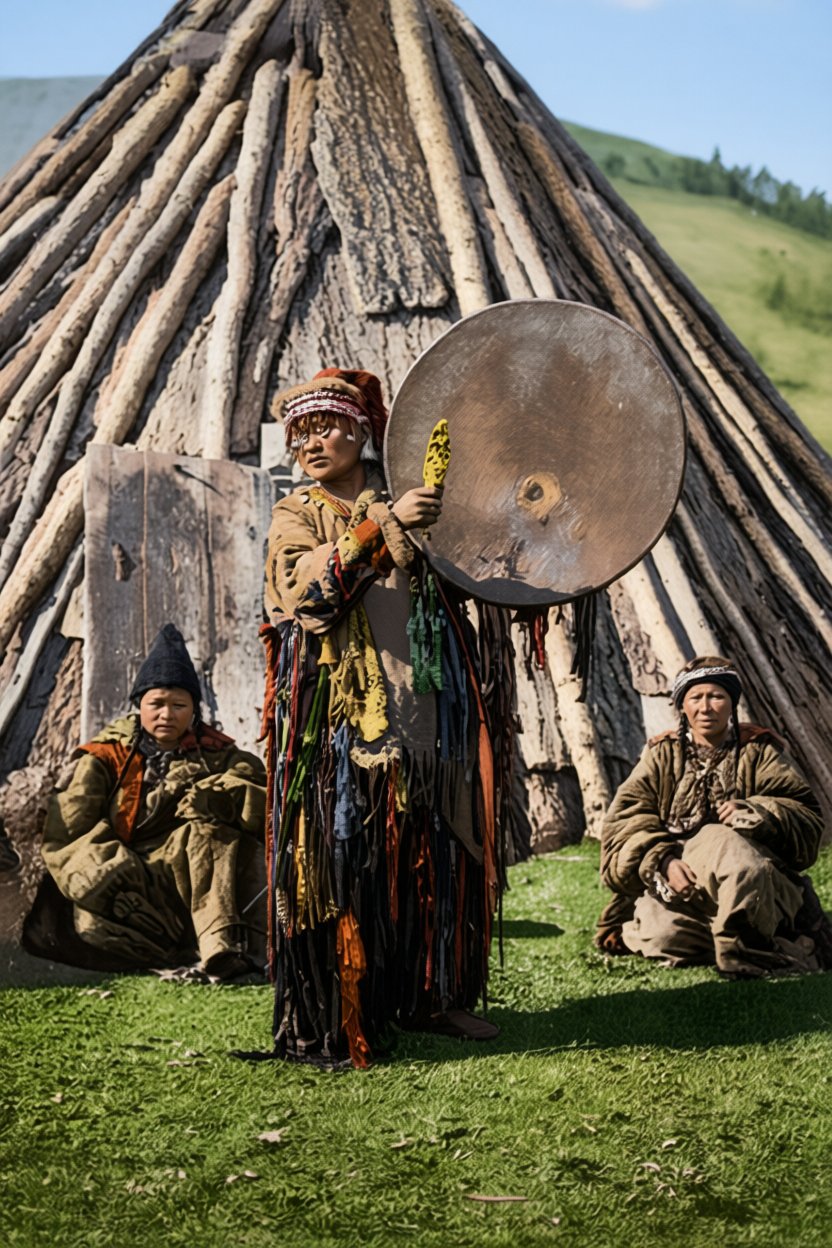
This is how Rudnev describes his apprenticeship with the Altai Kam: “He was a calm, wise, and benevolent elder, but also strict. He did not allow violations of shamanic traditions, and he did not allow anything that would unnecessarily disturb the spirits. For example, it was forbidden to burn garbage in the fire or throw it into water, because this desecrated these elements and displeased the spirits. He strictly made sure nothing like this happened and that all shamanic traditions were observed. I tried to study diligently, remember everything, and practice spiritually. He gave me instructions and assignments on how best to do things; on which gods exist, which worlds exist, which spirits there are, and the paths of disease in the shamanic world and the world of dreams—I learned all of this from him.”
In 1987, having feigned mental illness, Rudnev managed to escape from both the hospital and the army. He then began teaching yoga, and by 1993 he had established an intentional community in the forest near Novosibirsk, later known as “Ashram Shambhala.” His developing spiritual worldview was eclectic, and combined Hindu Vedanta with Siberian shamanism, Tibetan Buddhism, Tantra, and the concepts of karma and reincarnation. He recalls coming across Carlos Castaneda’s first book, “The Teachings of Don Juan: A Yaqui Way of Knowledge” (1968), which purports to describe the teachings of a Yaqui sorcerer from Sonora, Mexico. In later books, Castaneda connected this tradition with the pre-Columbian Mesoamerican Toltec civilization, which flourished between the 10th and the 12th century CE.
Rudnev remembers: “I learned about the teachings of Don Juan when I was about twenty years old, and I came across a samizdat book [an unofficially circulated book that was retyped or copied]. At that time, Castaneda’s books were available only in samizdat. I was impressed by Castaneda’s experiences and his interactions with Don Juan. I began trying many of the spiritual practices Castaneda describes, and I achieved certain results. I began to realize that this was a kind of Toltec shamanism. In his first book, Castaneda calls Don Juan a ‘sorcerer.’ However, in his later works, he calls him a ‘shaman’ [in the Toltec tradition], which involves direct communication with spirits, specific relationships with nature, and tuning oneself to the perception of the subtle world rather than the physical world we are accustomed to perceiving.”
Rudnev also spoke of the similarities and differences between the two shamanic traditions: “Toltec shamanism complements Siberian shamanism but also differs from it. One similarity is that Castaneda, like a Siberian shaman, was taught to feel with his body, to feel with his being, with his cocoon, to feel the world around him, to see it differently, to see it not simply as the physical reality that we see, but to see it as fields of energy, as a field of energy, as the interaction of certain powers.”
From Castaneda, Rudnev learned practices absent from Siberian shamanism, such as the Toltec practice of “stalking”: “Stalking is when a person adapts to the surrounding environment, to the society around them, and behaves in such a way as to play the necessary role that will help them achieve a certain goal—to remain unnoticed or to create a [lesson] for their student, or to create some unusual situation for other people. [Castaneda] described his stalking experiences in a particularly amusing way, such as the episode where Don Julian taught Don Juan by frightening him with allies, and Don Juan dressed in women’s clothing to try to escape them. He felt like a woman and realized how difficult it was to be a woman, as men began making advances toward him.”
Rudnev explained the purpose of “stalking” and how he applied it in his own life: “Stalking was practiced [when interacting] with a petty tyrant [when] it was necessary to play certain roles; a pious role [with] priests or the owners of the estate. [In other roles he would] tease the petty tyrant, driving him into a frenzy through his impeccability; Don Juan could deal with this petty tyrant. For Siberian shamans, these stalking practices do not exist because they live far away from people, in the remote taiga, and interact very little with people, except with members of their own tribe. Practically speaking, they had nowhere to use stalking, whereas the Toltecs lived in a more developed society, especially during the Spaniards’ conquest. So, they had to practice stalking to survive among these conquerors. Thus, stalking proved very useful and developed to a fairly high level. I also, during the Communist period, had to practice stalking so that I would not be put in a mental hospital or in prison. I had to pretend to be cunning. For me personally, since I was living in a Communist country at the time… I also had to play the role of someone who sympathized with the Communist Party and its ideology, pretending to share it. Of course, it was nonsense, an absurdity being imposed on people. I had to practice a peculiar kind of stalking very intensively in those years because they wanted to put me in a mental hospital. People were put in mental hospitals and repeatedly injected with drugs. They tried [this] on me to turn me into a vegetable, but it did not work. And then they wanted to perform a lobotomy on me so that I would become completely stupid and stop disturbing people with my ideas. But I managed to escape from the mental hospital at that time, and then Perestroika began, and later the Communist regime ended.”
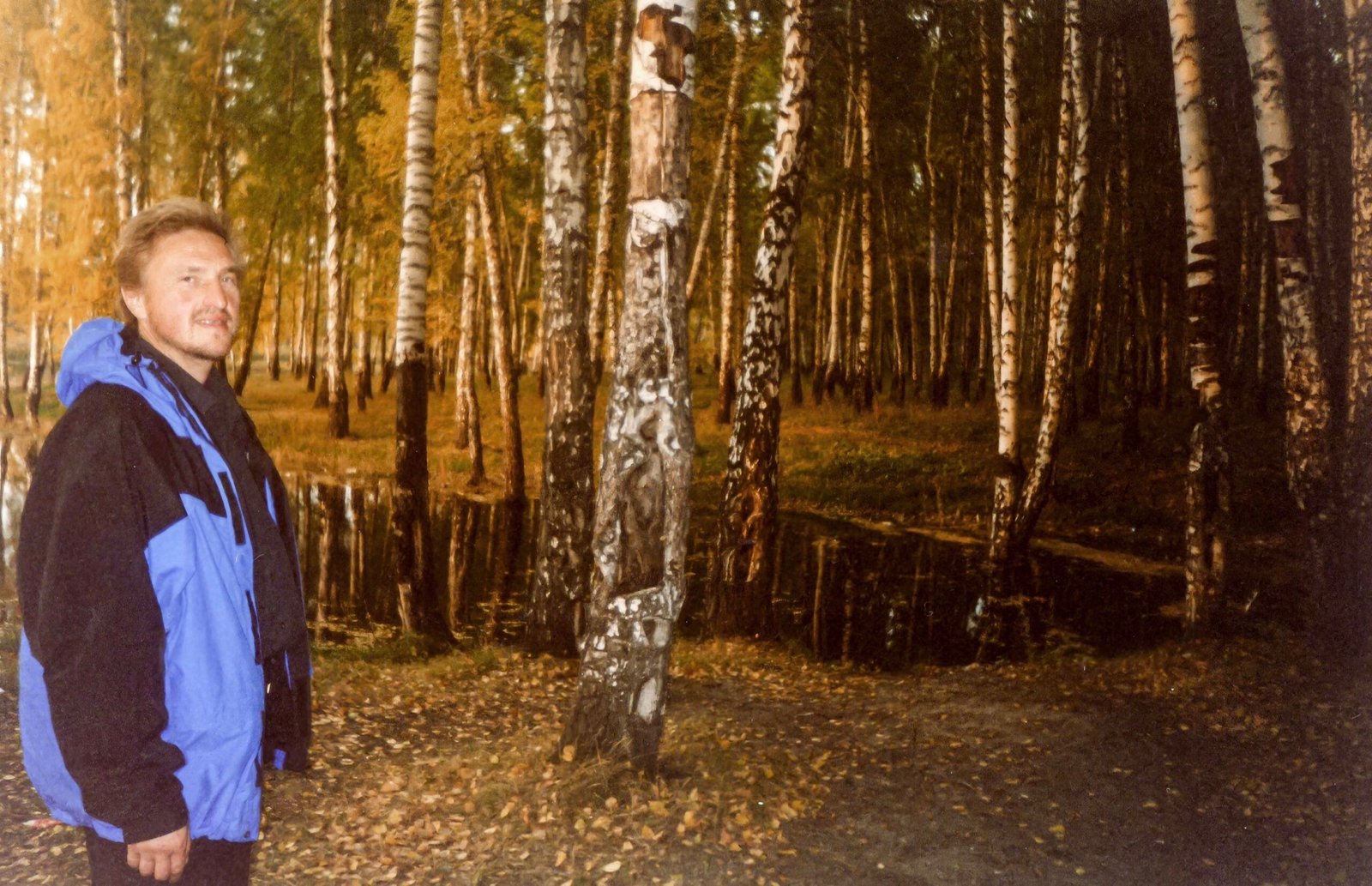
The shamanism Eliade describes and the Toltec shamanism depicted in Castaneda’s books differ sharply in the role the shaman plays in the tribe. Don Juan Matus is a solitary magician whose role in the Yaqui community remains a mystery. His mission seems to be the pursuit of occult knowledge, spiritual power, and longevity. In “A Separate Reality” (1971), “Journey to Ixtlan” (1972), “The Eagle’s Gift” (1981), and other books, Castaneda writes about a camaraderie of apprentices who support each other on their spiritual journeys. As Rudnev noted, “Castaneda’s Toltecs concealed who they were and kept contact only with a small group, led by a ‘Nagual.’ Only the people in this tiny group knew one another, interacting for the sole purpose of [self] development.”
In our interview, Rudnev observed that Siberian shamans use their magical powers to serve their community, while the Yaqui/Toltec shamans seem to perform no useful role for their tribe: “Siberian shamans constantly turn to the Spirits with requests to help the inhabitants of their settlement; their tribe lived in the forest, communicated with spirits, and sometimes residents turned to them with various problems and illnesses. When a person was lost in the taiga, a shaman could determine whether they were still alive and where they were. The shamans also treated mental illnesses—the so-called return of the soul from the lower world. Sometimes, they practiced divination for hunters: which part of the taiga to go to for successful game hunting. They also predicted the weather because, in the wilderness, a blizzard and low temperatures can make you lose your way and lose the trail, as a kind of snowy haze can continue for hours. All the tracks disappear, and you can easily die in such conditions. The shamans can predict favorable weather for hunters in the taiga. Castaneda barely describes any interaction with these powers, spirits, or gods. Don Juan [doesn’t ask] the spirits or gods for help in healing certain people or for some other purposes. Such descriptions are absent, except for talking to the spirit of Datura or Peyote, or to allies to frighten a disciple, or for something else like that.”
Rudnev summed up his comparison as follows: “The Toltecs distanced themselves from people and simply practiced stalking, meaning they concealed their identity. They did not provide practical help to the people around them, whereas a [Siberian] shaman lives to help people. His spirits specifically make him a shaman so that, first and foremost, he can help his tribe and… perhaps some other people whom he encounters. This is a major difference.”
In his third book, “Journey to Ixtlan” (1972), Castaneda learns from Don Juan and his companion, Don Genaro, that psychotropic drugs such as peyote and datura are useful only for opening the first windows into alternate realities. Shamanic training, on the other hand, can establish a deeper, more reliable, and permanent connection with unseen worlds. Rudnev compared the use of psychedelic substances by Siberian and Yaqui shamans: “In Siberia, shamans consumed vodka or fly agaric mushrooms. They traditionally used fly agaric mushrooms because they grew in the taiga. Vodka became known later, when Russians came to Siberia.”
Rudnev added that fly agaric mushrooms were mainly used by “very weak” shamans, and vodka mostly by urban shamans who do not know how to establish contact with spirits. Weak shamans, he explained, become dependent on these substances, so they can get lost or simply waste time and fail to accomplish the required task: “A weak shaman cannot enter a state of trance and enter the subtle plane, the world of dreams, as it is also called, or the world of the higher heavens, or the underworld. Or they can do so only with difficulty. Vodka and drugs switch off the rational part of the mind (which is what prevents a person from entering the subtle world). When it is switched off, it becomes easier to do so. It is not without reason that drunkards suffering from delirium tremens see devils, or that drug addicts also see various visions.”
“For a weak shaman,” Rudnev continued, “all these things—ayahuasca, mushrooms, peyote, LSD—well, yes, they help one see the world differently, see another reality, but a person has no control over it. He is like a helpless infant carried off somewhere, and he does not know where he is being carried. He wanted to reach Ulgen but ended up with Erlik instead. He wanted to reach Erlik but met Ayami. At the same time, a shaman knows what he wants to see. For example, he needs to see where a lost hunter is. He cannot simply eat a lot of fly agaric mushrooms and wait to be carried off somewhere. He needs to see where the lost hunter is. That is, he has a clear goal. He knows what he needs to see, how to see it, where he needs to fly, what he needs to understand, or where and whom he needs to ask for help.”
Rudnev also explained why Castaneda needed to ingest psychotropic plants as part of his training: “Well, as Don Juan said, only weak shamans use peyote, mushrooms, or ayahuasca… And he used these substances with Castaneda only because Castaneda was very strongly rooted in the rational part of himself… Castaneda, even when he saw allies, did not believe that he had seen them, because they did not exist in his rational picture of the world. He constantly thought that he had imagined something, that he had seen things. That is, he did not want to believe he was seeing, for example, spirits, the subtle world, or the world of energy. He did not want to believe it and tried every possible way to explain it rationally—that he had imagined it, or seen things, to preserve his rational perception, his rational picture of the world. If it had been an ordinary Indian living somewhere in nature, not particularly attached to rationality, he would have seen all of this more quickly and believed it more quickly because he was already inclined toward it; he had such a shamanic worldview. Don Juan would not have needed to spend as much time with him as he did with Castaneda to finally shake his perception and teach him to see this invisible world, the subtle plane.”
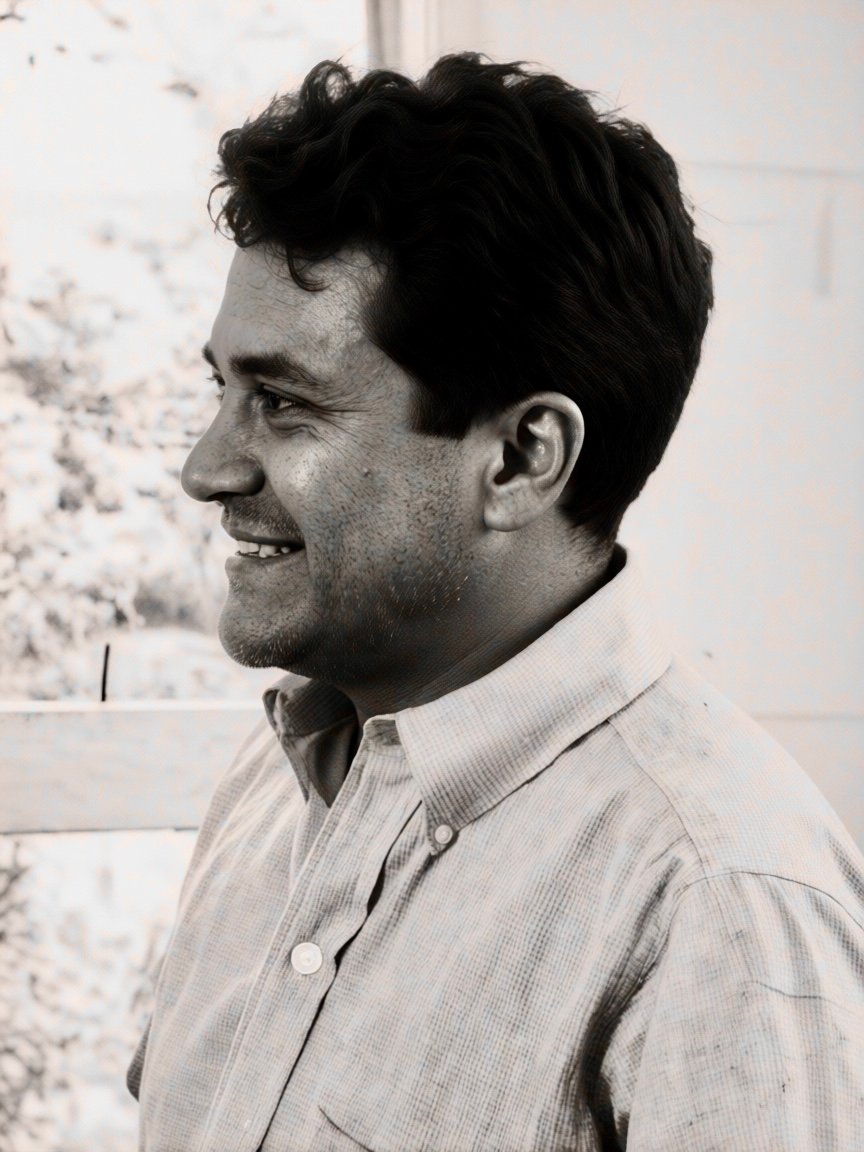
Rudnev then described the traditional methods Siberian shamans use to enter a state of trance: “Through music, people enter religious ecstasy or go on shamanic journeys. Music immediately affects the emotional part of our nature, and all of this helps one enter a trance. Siberian shamans use the rhythm of the drum, and there is vorgovanie [a shamanic throat-singing practice]. It is not a repeating mantra; it is simply some spontaneous sound. The aerophone [a bullroarer] is a kind of stick attached to a rope; you spin it around, and it produces a buzzing sound. Rattles are also used. The khomus (jaw harp, or guimbarde) is another instrument. For Europeans, it is not clear what a khomus is, or why this rather rare instrument is used so often by Siberian shamans. The khomus is held with the teeth. When the khomus’ tongue vibrates, the whole head begins to vibrate, producing a guttural sound that intensifies the vibration; because of this, the whole head sort of hums. If played correctly, the khomus helps one enter this kind of trance state.”
Rudnev told me how he met his spirit helper during his first “kamlanie,” a special shamanic ritual of communication with the spirits: “I can describe my first encounter, when I met a spirit helper in my shamanic drum, made from deer hide. During my first kamlanie, I saw this deer. It would seem the deer had died long ago, since its hide was being used. But I saw the deer’s soul on the subtle plane, and we began to communicate. This deer carried me during the kamlanie through different worlds, through different places; it began to carry me. And I began to move around on it. That was how I first encountered a spirit helper.”
“Before that,” Rudnev added, “I had encountered spirits, that is, not a helper, just spirits of the locality, Ayami. That is, you come to a place that feels alive, for example, in the taiga. It may be a river or a mountain, or simply a forest. Suddenly, you feel that someone is nearby. You look, and no one is there; it is an uninhabited area, but it feels as though someone is present. It is this persistent impression. And when you begin to go deeper into yourself, deeper into these inner sensations, Ayami begins to appear on the inner screen, the face of Ayami. And there is this kind of silent conversation, if you can call it that. Ayami, so to speak, conveys a certain attitude toward me through her feelings and energies. Well, for example, she welcomes the fact that I have come to this territory. And I welcome her as well. Well, this kind of welcoming attitude was only because I treated nature, the river, the mountain, the forest, with great reverence, and so I received a corresponding response.”
He also spoke of the shaman’s relationship with wild animals: “It is difficult to establish contact with wild animals because they are very wary and afraid of people. Animals have this fear—the instinct of self-preservation—and it is difficult to communicate with them. But if you tune yourself to the vibration of love, to such sublime states, then animals sense it easily, unlike people. And animals came to the Altai Kam for healing. A bear came, and it had a large splinter in its paw. At first, I was frightened and thought, ‘What’s the bear doing here?’ The bear came right up to the yurt. I thought, ‘What is happening? Why did the bear come here?’ But the Altai Kam was sitting calmly: ‘The bear has come for help,’ he said. The bear gave him its paw. He removed the splinter from its paw, and it ran off into the forest. That is, animals sense they can get help here, and that people treat them kindly. They sense these emotional vibrations and respond. If an animal senses fear, it may attack. If it is a predatory animal, its instinct to attack may be triggered. Therefore, you need to control your emotions to maintain certain relationships with animals.”
Former students who lived in his ashram had told me about Rudnev’s magical healing powers, so I asked him whether he used shamanic techniques to heal and how the process worked. He explained that he often entered a trance state in which the subtle body left the physical body and entered the subtle plane, where new powers and abilities, including the ability to heal, become accessible: “The shaman uses different techniques, depending on the person’s illness. Some people do not have enough Kut (life energy) for the organism to cope with the disease. The shaman must transmit this Kut into the person’s immune system. If a person is, for example, old, ill, or leads an unhealthy lifestyle, his immune system often lacks the energy to recover. Therefore, this life energy must be transmitted from outside—from other people, or by connecting, say, to Ayami or the spirits of the place—into his immune system or into the diseased organ.”
“But some illnesses,” Rudnev explained, “belong to the psychic sphere—the so-called ‘theft of the soul.’ For example, a mother grieves over the loss of her son,
and her soul, Tes [also spelled ‘Tyos’ in Rudnev’s books], is carried away into the world of Erlik, into the world of the past; thus, she develops a mental disorder. Then the shaman, in a trance, must fly to the world of Erlik, into the past where her soul has become entangled and stuck. Tes (her soul) is retrieved and returned to the woman, and psychic recovery follows. Another psychic illness is paranoia. This happens when a person crosses into the world of the future, Ulgen, and gets stuck. The boundary between the real and the unreal disappears, and hallucination becomes reality. In these cases, the soul Bos becomes entangled in the future. Then the shaman must fly to Ulgen to return the soul Bos to the physical world. In this way, the person is healed from a paranoid state and returns to a sober state. Schizophrenia arises when the soul leaves, goes into the lower world, goes into the past. Then the person becomes completely apathetic and loses interest in the life around him. In other illnesses, for example, in depression, the same thing may arise. That is, the person ceases to perceive the physical world because his soul has gone.”
“Depression,” Rudnev added, “is also Erlik. The soul has become entangled there. Everything becomes uninteresting to the person. He finds no meaning in the physical world, as if he does not perceive it. Sometimes an evil spirit enters a person; what we call ‘possession’ includes alcoholism, drugs, or gambling addiction. Evil spirits can enter a person and possess him with an idea, such as communism and so on. The person is so possessed that he no longer understands the unreality of these ideas, and evil spirits feed on his energy and on his negative emotions. Then the evil spirit must be placed into another object and expelled, carried away to a swamp, and so on, so that, confined inside that object, the evil spirit remains far from the person and cannot return to harm him again. There is a method to expel evil spirits. In the modern world, this is called ‘exorcism.’”
I asked Rudnev, “What sensations arise when you conduct a healing session? How does it feel inside?” He answered: “Sometimes, you feel the energy—from nature, from the Higher—pass through you and heal the person. In more complex situations, the healer takes on some of the bad energy himself, so he begins to feel the illness. Then the shaman must access new energies or purification systems to remove this negative energy from himself. Many healers do not know purification methods, and then bad things happen: the healer takes the negative energy from the patient onto himself, so the patient feels better. But then, when the healer treats his next patient, he transmits the negative energy from his last patient to the new one. Such a reshuffling arises.”
Comparing Castaneda’s Yaqui way of knowledge with the path of the Siberian shaman, Rudnev found them similar in many ways. Both interact with nature, animals, and the spirit world. He identified, however, profound differences in their gods and in their views of the afterlife.
In Rudnev’s view, the Yaqui path does not go deeply into the world of the gods, while Siberian shamanism goes directly into the depths of the unseen universe. Their gods also differ. Siberian shamans believe the gods are allies who will help them if they relate to them properly and behave correctly. In Toltec magic, on the contrary, the shaman must fly past the Eagle to avoid becoming its food. The Eagle depicted in Castaneda’s books closely resembles Erlik, the god of death in Siberian shamanism, who also feeds on the memories and impressions people received during their lives.
In some ways, the two gods are similar, yet Siberian shamanism shows a more reverent attitude toward the gods. Many shamans and shamanists turn to the gods for help, whereas the Toltecs regard the Eagle as a kind of monster, the mighty tyrant who forces people to live and then feeds on them after death.
In “Journey to Ixtlan,” Castaneda suggests that death accompanies us throughout life, always within arm’s reach: “Death is our eternal companion… It is always to our left, at an arm’s length.” In “The Eagle’s Gift,” he explains: “The Eagle… has granted a gift to each of those beings… any one of them… has the power to keep the flame of awareness, the power to disobey the summons to die and be consumed. Every living thing has been granted the power, if it so desires, to seek an opening to freedom and to go through it.”
Rudnev compared this goal with that of the “ancient seers,” who wanted to preserve themselves in an etheric state after leaving the physical one. Once out of the physical world, they could move to the etheric plane and exist there like ghosts or spirits, retaining their individuality.
“But for Don Juan’s party, the Naguals,” Rudnev said, “their goal was to fly past the Eagle, to break free from this reality and not to remain there as a spirit or something else, but to become the whole of infinity, that is, this entire Eagle. Yes, we are placed in the physical body to gain a certain experience of physical existence and, as in a gym, to work on certain qualities here, but nothing more. As soon as we have worked on certain qualities and acquired the necessary experience, we must go to the subtle plane, because that is our home, so to speak. And here we are like guests, as though we were in some gym, training ground, or reality show, going through various trials, difficulties, and so on, various ordeals, to gain experience and train ourselves. In my book, ‘Secrets of the Dead,’ I describe in detail the entire subtle plane, what it is like, what happens there, and why we live here, what for… After reading this book, all of this becomes very clear.”
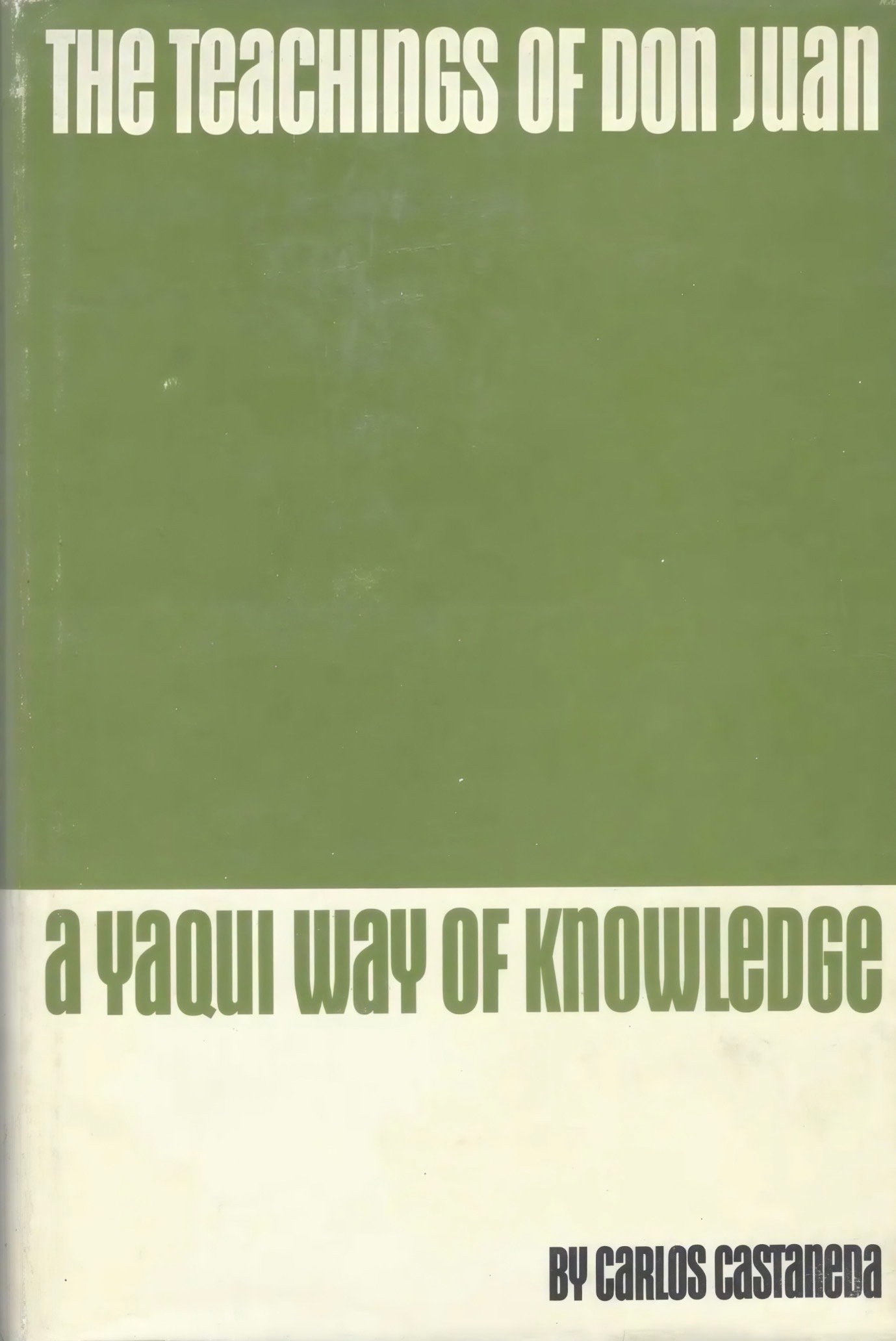
Rudnev described life on earth as a lesson, a “gym”: “We receive certain lessons here. Many things that we experience in the physical world do not exist in the subtle world—pain, hunger, cold, limitations of perception, perceiving everything through the physical body. So, we train. We learn to be conscious, to exercise our will, to exercise self-control, because on the subtle plane everything comes too easily, and it is very difficult to train anything there. Whereas here everything comes with difficulty. If we use life’s difficulties for development, development proceeds quickly. You can compare it to a gym, right, where people train. In the gym, it is difficult for you; you run, you jump, you use some exercise machines, but your muscles become strong, and you become a strong, active person. That is the comparison. We cannot develop lying on the beach. Unless, of course, we do some sports there. But in the gym, although it is difficult for us, we develop, improve ourselves, and become better.”
Examining Rudnev’s teachings on shamanism raises an intriguing enigma. After their initial best-selling success, Castaneda’s books became highly controversial. His first book (1968) was his published M.A. thesis, submitted to the Anthropology Department of UCLA. His third book (1972), “Journey to Ixtlan,” was his retitled Ph.D. dissertation, “Sorcery: A Description of the World” (1973). Since the 1970s, allegations have circulated that Castaneda faked his research and that Don Juan, the Mexican Yaqui sorcerer, never existed.
One of Castaneda’s colleagues read the passage in “The Teachings of Don Juan” about Castaneda’s meetings with Don Juan in Arizona, checked his calendar, and realized he had seen Castaneda in the UCLA library on that very date. He reported this to the Department of Anthropology, which started an investigation and found “all kinds of discrepancies.” Richard de Mille (1922–2009), a psychologist and writer, checked the library records for “Castaneda” and found that, on the day Castaneda claimed to have attended a peyote ceremony in the Sonoran Desert of Mexico, he was actually sitting in the UCLA library reading a published account of one. De Mille also pointed to the absence of Yaqui words in the books, despite Castaneda’s claim that he had spent months with Don Juan. Journalist Dean Chavers wrote, “Castaneda was awarded a doctorate from the Department of Anthropology at UCLA. But once they learned about the fraud, they took the doctorate back—the only case I know of where this has happened.” Others, however, claim the doctorate was never revoked.
The distinguished American anthropologist Weston La Barre (1911–1996) panned Castaneda’s “A Separate Reality” (1971), calling it “pseudo-ethnographic, self-indulgent, and lacking in anthropological value,” and “a superficial and pretentious narrative.” In 1973, a cover story in “Time” magazine revealed that Castaneda had misrepresented his own biography.
After Castaneda died in 1998, his books continued to be bought and cherished. Still, heated debates over how to categorize them go on. Are they authentic records of anthropological research, or should they be classified as novels, or as imaginative nonfiction? Should they be interpreted as inspired philosophical treatises or as sacred texts? And who was Carlos Castaneda? Was he an intrepid anthropologist, or a brash hoaxer who made fools of academia and illustrious publishing houses?
I put these questions to Konstantin Rudnev, and this was his answer: “Well, I can see that Castaneda really did see the subtle plane and its structure. He really did encounter Don Juan, a genuine shaman, and Castaneda studied shamanism because he described things there that were later confirmed both in my personal experience and in the experience of other shamans. Much of what he described is indeed true; it is indeed reality. Since seeing the subtle plane is so extraordinary, many people with a rational worldview naturally cannot understand it. To them, it seems like some beautiful fairy tale.”

Susan J. Palmer is an Affiliate Professor in the Religions and Cultures Department at Concordia University in Montreal. She has directed the Children on Sectarian Religions and State Control project at McGill University, supported by the Social Sciences and the Humanities Research Council of Canada (SSHRC). She is the author of fourteen books, notably The New Heretics of France (Oxford University Press, 2012).