The tragedy of Lobga Rangzen is a reminder of how easily unresolved questions can fade from international discourse without ever truly being resolved.
by Marco Respinti
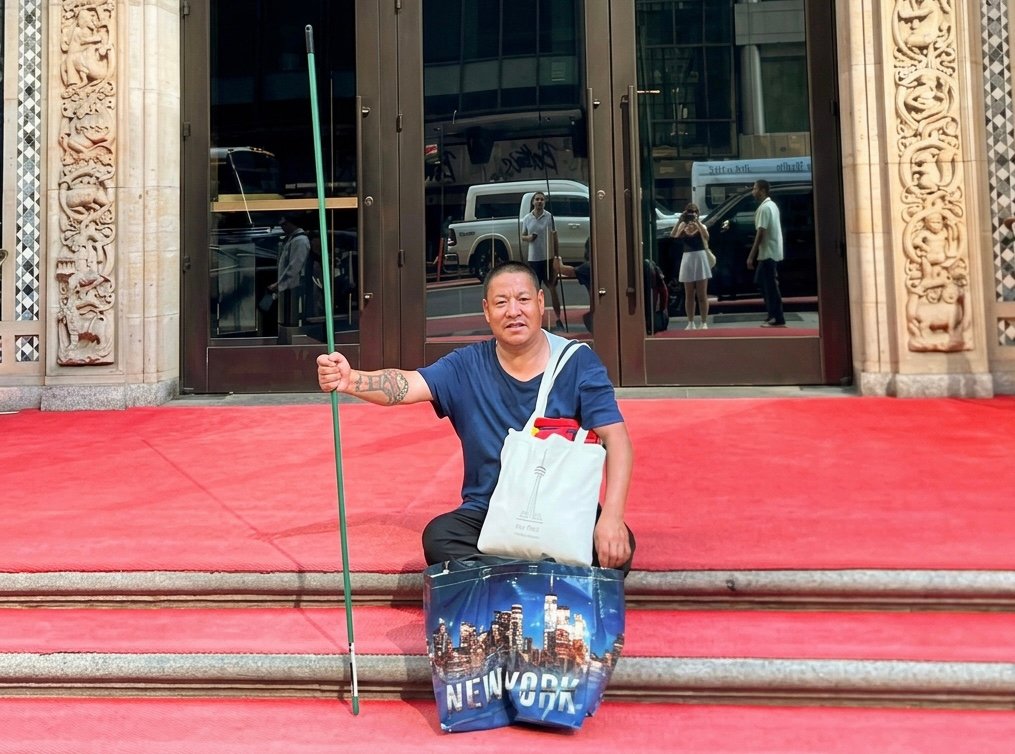
Some incidents cost good people their lives, and others continue to torment those who remain. Can any of us imagine the suffering a man must endure to kill himself in the horror of a fire, as 52-year-old Tibetan activist Lobga Rangzen (Lobsang Palden) did on July 2, 2026, in front of the United Nations Headquarters in New York? The answer is no. This is why we remain bewildered by such an extreme form of protest. Only one thing we all know for sure: the pain the Chinese Communist Party (CCP) inflicts on the many Lobga Rangzens living within the boundaries of the People’s Republic of China (PRC) is so immense that it leaves all of us literally without words.
“Bitter Winter” has published important comments on the case of Lobga Rangzen by a Tibetan commentator and, very significantly, by a Uyghur activist who advocates for a common moral reaction by all the ethnic and religious groups oppressed in the PRC by the CCP. Yet, there is room for more pitiful reflections.
In fact, the incident was tragic not merely because a life was lost, but because it underscores an uncomfortable reality. Tibet increasingly enters global consciousness only through moments of extraordinary despair. Amid diplomatic crises, elections, and wars, Tibet has steadily faded from the list of issues commanding sustained international attention. Yet the political, cultural, and human questions surrounding the Tibetan plateau have not disappeared.
For much of the twentieth century, Tibet occupied a prominent place in discussions of human rights, religious freedom, and cultural preservation. Governments debated it, international organizations passed resolutions, and civil society movements kept the issue visible. Today, however, the geopolitical landscape has shifted considerably. As economic engagement with the PRC has deepened, many governments have grown increasingly cautious about publicly addressing Tibet. Strategic competition with Beijing continues, but it is more often framed around trade, technology, maritime security, or the Republic of China in Taiwan than around occupied Tibet.
This changing international environment has produced an uncomfortable paradox. While Tibet has de facto become more integrated into the PRC’s governance and development framework, international scrutiny has become comparatively weaker.
Beijing has long maintained that once-sovereign Tibet is an integral part of the PRC, implying that it has always been so, and argues that decades of investment have transformed the region through infrastructure, education, and poverty alleviation. From the perspective of the Chinese communist state, stability and development are presented as mutually reinforcing objectives. According to the PRC’s Seventh National Population Census (2020), the Tibet Autonomous Region (TAR) has a population of slightly less than 3.65 million, of whom over 90 percent identify as ethnic Tibetans. While Beijing has invested heavily in transport infrastructure, healthcare, education, and poverty alleviation across the region, concerns persist about preserving Tibetan language education, managing monastic institutions, and the extent to which local communities participate in shaping policies affecting their cultural and religious life.
Over the past decade, governance in Tibet has increasingly incorporated digital monitoring and community-level security mechanisms that mirror broader trends across the PRC. Official documents have highlighted the expansion of grid-style social management, extensive CCTV coverage, and the integration of digital technologies into local governance. At the same time, regulations governing monasteries have become more institutionalized, with greater emphasis on administrative oversight and political education. Beijing authorities argue that these measures are essential to maintaining stability and preventing separatism, while critics contend that they have narrowed the space for independent religious and cultural expression.
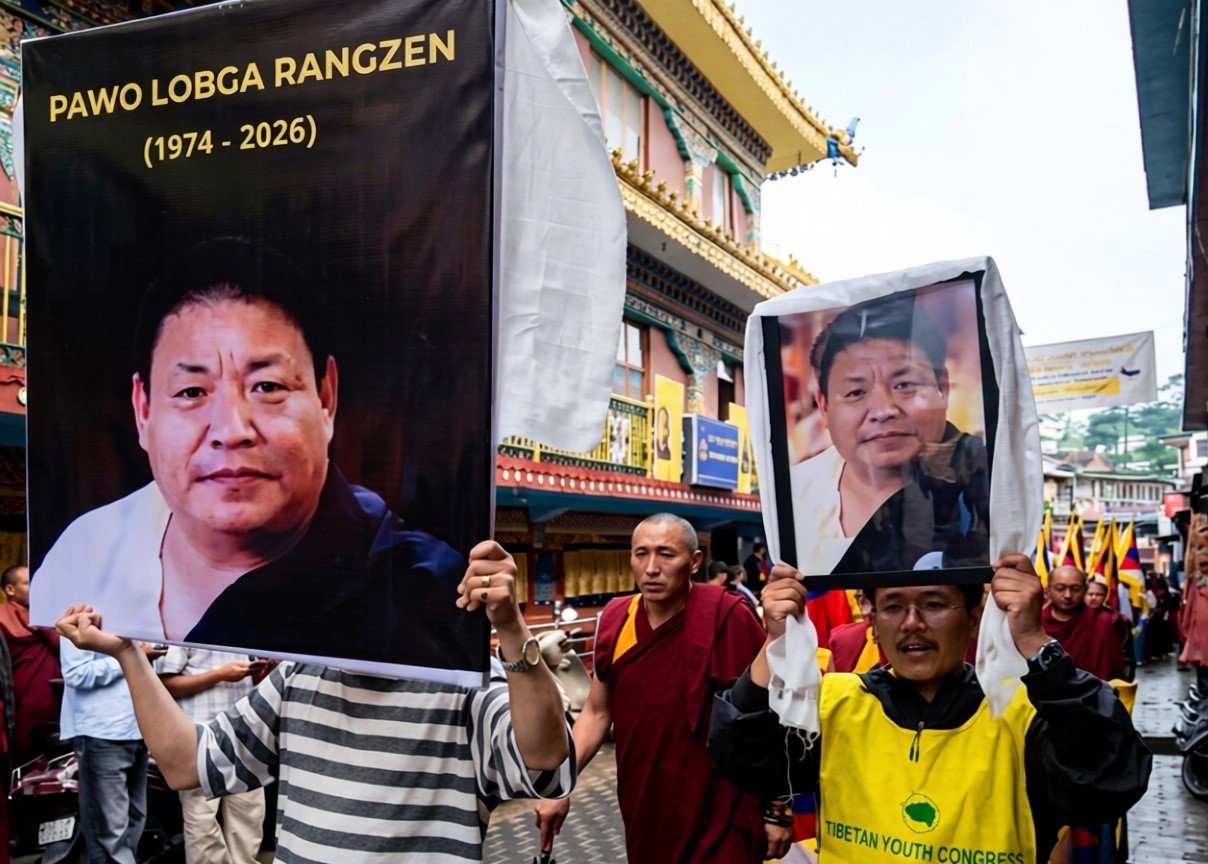
The debate surrounding Tibet today is therefore not simply about economic development but about whether rapid modernization can coexist with the preservation of a distinct civilizational identity. Beijing often justifies these measures as necessary for social stability and national cohesion, but critics argue that they also narrow the space for distinct Tibetan cultural expression.
As a result, many discussions about Tibet today are less about immediate political confrontation than about the long-term survival of a unique civilizational identity. This may be why acts such as self-immolation continue to carry such profound symbolic weight.
According to the Central Tibetan Administration (or the Tibetan government in exile), at least 157 Tibetans have reportedly self-immolated in protest since 2009, and “Campaign for Tibet” counts 159: the overwhelming majority in Tibetan regions and a smaller number in exile. These acts prompted grief and reflection. Yet they never represented a mainstream political strategy, nor have Tibetan leaders encouraged them. At the same time, they have reflected a profound sense among some individuals that conventional avenues of political expression no longer command sufficient international attention.
Self-immolation is not a policy instrument. It changes no laws, redraws no borders, and rarely alters state behavior. But it forces a difficult question on observers—the very decisive question I started with: what conditions lead individuals to conclude that sacrificing their own lives is the only remaining way to communicate political frustration?
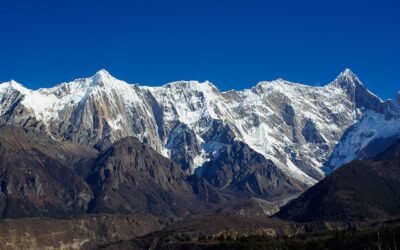
Nonetheless, the fading visibility of Tibetan despair matters because Tibet holds a unique place in Asian geopolitics, beyond questions of sovereignty. The Tibetan plateau is central to Asia’s water security, feeding major rivers that sustain nearly two billion people downstream. It remains strategically important amid the India-PRC boundary dispute, environmental sustainability, Himalayan ecology, and regional connectivity. Any meaningful discussion of Tibet therefore intersects with questions of climate resilience, border management, and regional stability as much as with culture or religion.
But these broader strategic dimensions often overshadow the lived experiences of Tibetans. Perhaps the most significant challenge today is not the lack of international sympathy but the lack of sustained international engagement. Tibet has become episodic, revisited only when extraordinary events occur, whether they involve protests, policy announcements, or the Dalai Lama’s succession. Between these moments lies a prolonged silence that is gradually normalizing the status quo.
The tragedy of Lobga Rangzen should therefore not be remembered merely as another isolated protest. Rather, it should serve as a reminder of how easily unresolved questions can fade from international discourse without ever being truly resolved.
For policymakers, this does not necessarily require choosing sides in longstanding sovereignty disputes. Instead, it calls for renewed attention to issues that enjoy broader international consensus: the preservation of cultural heritage, the protection of linguistic diversity, freedom of religious practice, environmental stewardship of the Himalayan plateau, and sustained dialogue among stakeholders. These concerns transcend geopolitical rivalry and remain relevant irrespective of broader strategic competition.

Marco Respinti is an Italian professional journalist, member of the International Federation of Journalists (IFJ), author, translator, and lecturer. He has contributed and contributes to several journals and magazines both in print and online, both in Italy and abroad. Author of books and chapter in books, he has translated and/or edited works by, among others, Edmund Burke, Charles Dickens, T.S. Eliot, Russell Kirk, J.R.R. Tolkien, Régine Pernoud and Gustave Thibon. A Senior fellow at the Russell Kirk Center for Cultural Renewal (a non-partisan, non-profit U.S. educational organization based in Mecosta, Michigan), he is also a founding member as well as a member of the Advisory Council of the Center for European Renewal (a non-profit, non-partisan pan-European educational organization based in The Hague, The Netherlands). A member of the Advisory Council of the European Federation for Freedom of Belief, in December 2022, the Universal Peace Federation bestowed on him, among others, the title of Ambassador of Peace. From February 2018 to December 2022, he has been the Editor-in-Chief of International Family News. He serves as Director-in-Charge of the academic publication The Journal of CESNUR and Bitter Winter: A Magazine on Religious Liberty and Human Rights.