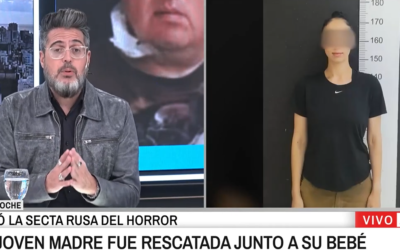
After serving 11 years in a Russian jail, the leader of a Russian spiritual movement has been arrested again in Argentina.
by Massimo Introvigne and María Vardé
Article 1 of 4.
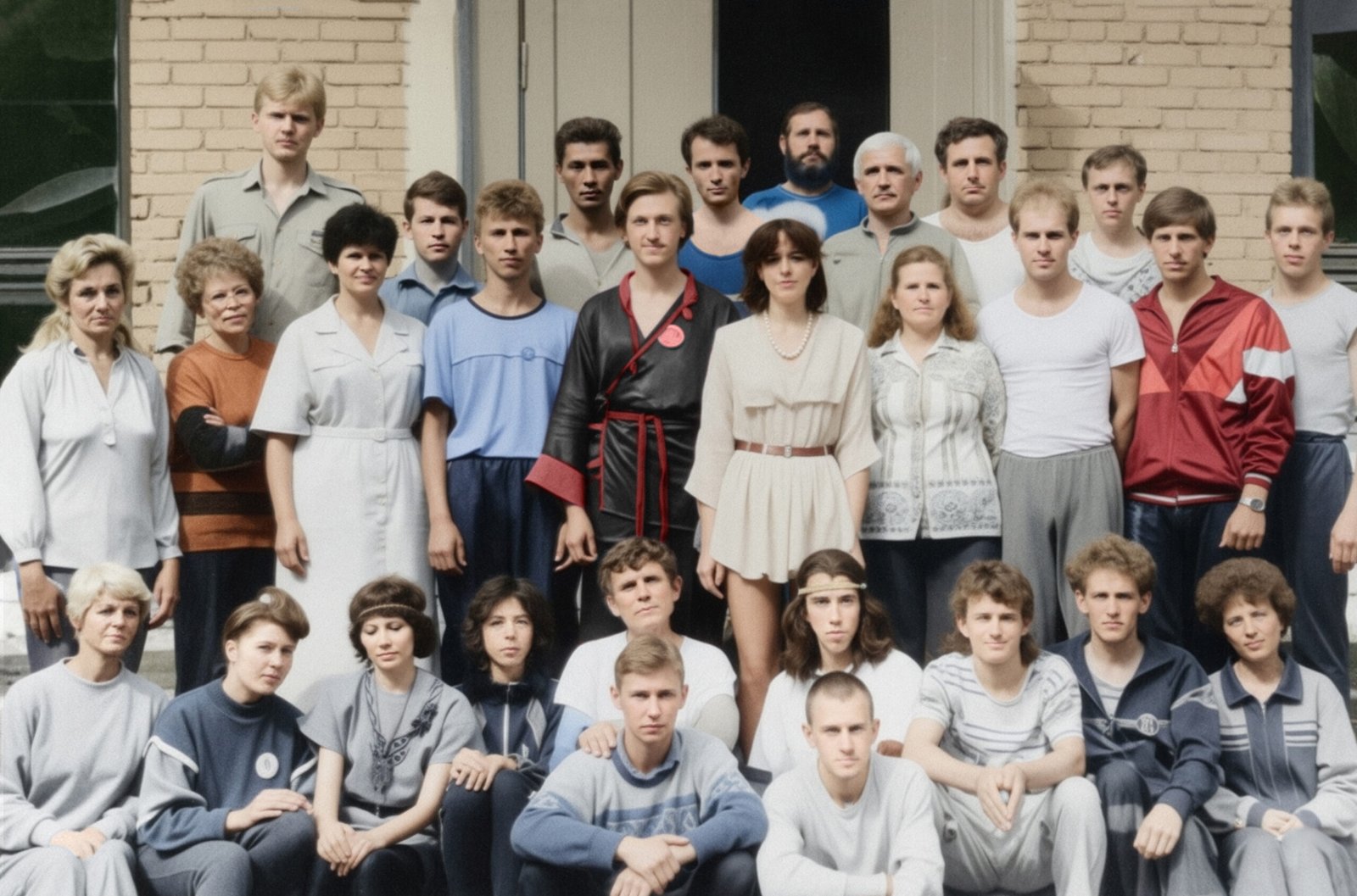
In 2024, one of us (Introvigne) developed an interest in a Russian movement identified by anti-cult sources, prosecutors, and the media as “Ashram Shambhala” while studying a French anti-cult organization called Groupe d’étude du phénomène sectaire (GéPS, Study Group of the Cult Phenomenon) and its role in the prosecution in France of the Romanian neo-Tantric group MISA, to which Introvigne had devoted a book. At the origins of GéPS is the strange story of a University of Angers medical researcher called Hugues Gascan. Having quarreled for personal and professional reasons with a female colleague, P.J., Gascan started accusing her of being part of a “cult,” Omalpha, led by Canadian Tantric teacher Jean Bouchart d’Orval. P.J. filed criminal charges against Gascan for “harassment” and had him sentenced in first degree, on appeal, and by the Court of Cassation on May 14, 2013. These decisions were embarrassing for Gascan. They concluded that he had spied on P.J. and his behavior towards her amounted to an “obsession” legally defined as “harassment.”
Gascan, however, decided to continue a crusade against neo-Tantric groups, eventually joining forces with Alban Bourdy, a disgruntled ex-member of a group led by Chilean Tantric teacher Soledad Domec. Gascan and Bourdy claimed that both Bouchart d’Orval and Domec were “disciples” of a Russian spiritual master called Konstantin Rudnev, who had allegedly founded an organization called “Ashram Shambhala.” Bourdy also claimed, falsely, that “Ashram Shambhala” and MISA were connected. In a book he published, Bourdy offered lurid details on “Ashram Shambhala” and Rudnev, including accusations of rape and drug dealing, based on material published by Russian anti-cultists (including the notorious Alexander Dvorkin) and the Novosibirsk decision that had sentenced him to jail in 2013.
At that time, Introvigne’s main interest was MISA and GéPS’ role in the campaign against it in France. However, in 2025 María Vardé came across the story of a Russian woman harassed by the police and prosecutors in an Argentinian hospital where she went to give birth, and presented as a supposed “victim” of “trafficking” allegedly carried out by “the cult Ashram Shambhala” and Rudnev. The latter was himself in Argentina, was arrested in March 2025, and remains in jail there. Alongside him, nineteen other individuals— adult women of Russian nationality—were also arrested under the hypothesis that they belonged to the same organization; to date, they have consistently denied having known him prior to the initiation of the case.
This led us to a more thorough investigation of Rudnev and “Ashram Shambhala” by seeking the documents of the Russian case, the literature written by or on behalf of Rudnev, and the testimony of the lady who gave birth in Argentina and Rudnev’s wife and brother. In addition, we conducted interviews with several of the women arrested simultaneously with Rudnev, who reiterated that they had not known him prior to the initiation of the case, allowing us to compare these direct testimonies with prosecutorial and media framings.
In this series, we will reconstruct the life of Konstantin Rudnev, his essential teachings, the Russian trial, and the recent events in Argentina.
Konstantin Rudnev was born in Novosibirsk on August 4, 1967. His childhood was set against a backdrop of paradoxical values. While the family was raised in the “spirit of communism,” they were never fervent patriots.

The central figure in their upbringing was not their parents, but their grandmother, a native Muscovite who had survived the Stalinist-era repressions and was exiled to Novosibirsk after World War II.
She was a deeply religious woman, and Konstantin valued her wisdom and presence far more than that of his parents. Her home served as the family’s gathering point, and it was under her influence that he and his brother first glimpsed a life lived outside the narrow ideological confines of the Soviet state.
As a youth, Konstantin struggled with social interactions. His brother recalls that he faced difficulties communicating with his peers and was often the target of bullying. This social friction became a primary motivator for his personal evolution. Konstantin began to view his inability to handle these social challenges as a sign of imperfection. He became obsessed with the idea of changing his life to avoid such “incidents,” believing that by becoming more perfect, he could transcend the suffering caused by others.
The brother reports that, in the Soviet era, non-ideological information was scarce, found mostly in two specific magazines: “Fizkultura i Sport” (Education and Sport) and “Nauka i Religiya” (Science and Religion). When Konstantin was about 15, his brother showed him an article on yoga found in one of these journals. This sparked an intense, home-based practice that lasted until Konstantin was called for military service. Together, the brothers trained their bodies and devoured spiritual literature, with Konstantin processing this information into his own unique, independent conclusions.
The year 1987 marked a turning point. The brothers met a man described as “very advanced” in esoteric terms. This encounter triggered what his brother calls the “opening of consciousness,” a state where Konstantin began to perceive truths hidden from the common mind. He was overcome by the realization that he possessed knowledge others lacked—knowledge he felt would be beneficial for humanity to know.
During the Gorbachov-era Perestroika, as individual initiatives were finally permitted, the brothers explored various spiritual paths. They spent time with Christian groups, such as Adventists and Baptists. Though they did not join these faiths, Konstantin was deeply impressed by their unwavering devotion and loyalty to their ideas, a trait he would later cultivate in his own system.
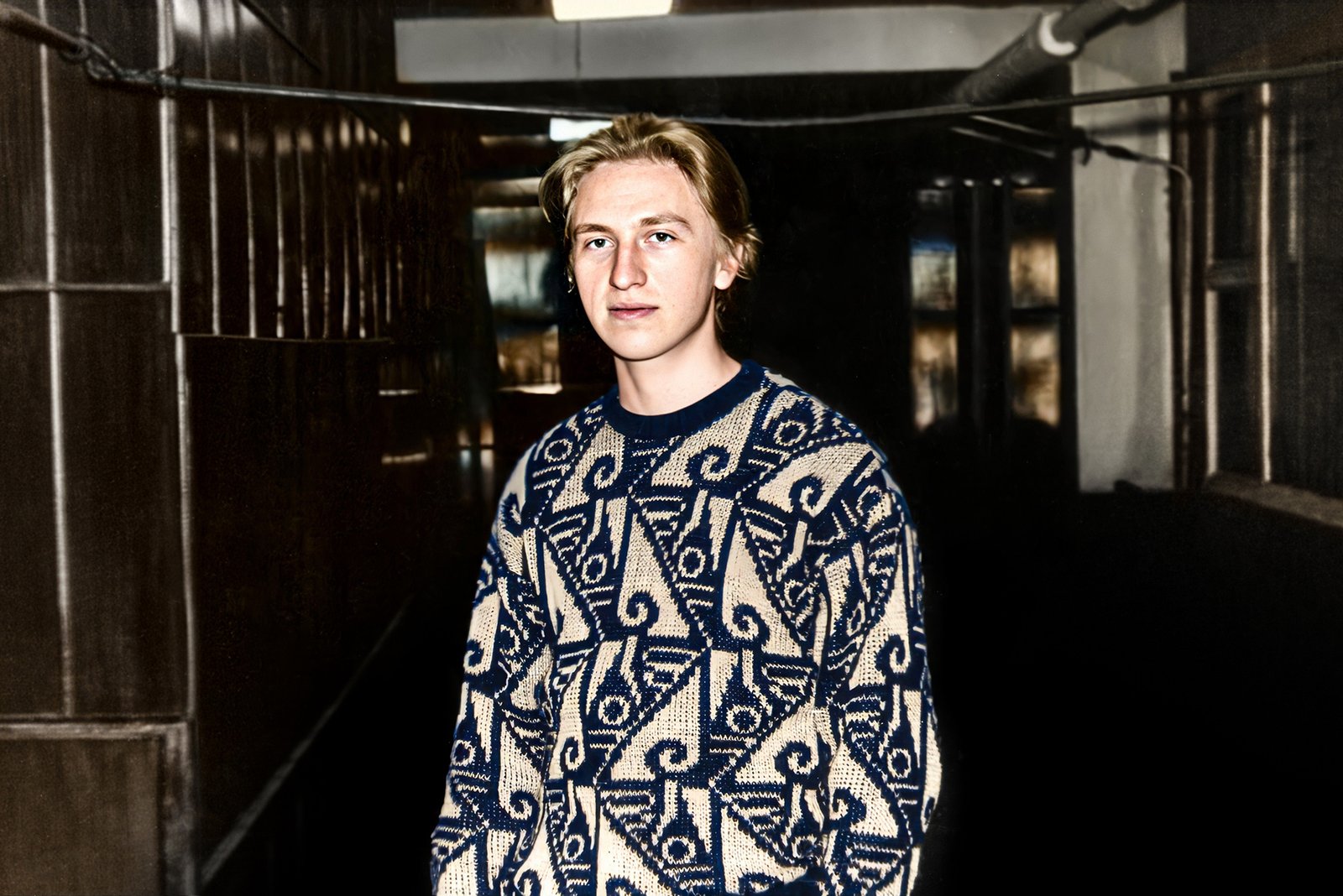
Konstantin had grown up in an ordinary Soviet household, attended School No. 187, and followed the expected path into compulsory military service after graduation. But the Russian army of that era was not merely a place of discipline and routine; it was an institution defined by systemic hazing, a practice so entrenched that it shaped the country’s entire cultural attitude toward conscription. Hazing—“dedovshchina”— was not a metaphor but a daily reality of psychological degradation, physical beatings, and, in the worst cases, fatalities. Young recruits were routinely subjected to violence by older soldiers who operated with near-total impunity. Stories circulated of conscripts being hospitalized, maimed, or driven to suicide. In many regions, parents viewed military service not as a civic duty but as a genuine threat to life, something to be avoided if one had the means or connections. Those who served were often assumed to be the ones whose families had failed to “get them out” (of the military), a phrase that carried both social judgment and grim resignation.
Within this environment, evading service became not only a survival strategy but, for some, a form of ideological refusal: a rejection of becoming, as many described it, a cog in the system. One of the most common methods was to feign mental illness, a tactic so widespread that it had become an unspoken tradition. According to his family, Rudnev made this choice consciously after witnessing the brutality inside the barracks, including an incident in which a young recruit was beaten and raped before attempting suicide by slitting his wrists. Such events were not aberrations but part of a pattern of institutionalized violence that shaped his decision. By presenting symptoms that would lead to psychiatric hospitalization, he ensured he would not be returned to the army. The family argues that this episode— later used by prosecutors to imply underlying mental illness—was in fact a calculated act of self-preservation, a response to conditions that many Russians of his generation understood all too well. In their view, the psychiatric record reflects not pathology but a deliberate and rational attempt to escape an environment that routinely destroyed young men both physically and psychologically.
After he was discharged from both the hospital and the army, in 1988–1989, Konstantin seized the opportunity to organize a yoga group. While it began with postural hatha yoga, he quickly realized that physical exercises were merely a gateway.
He felt a strong internal motivation to be a teacher and a “carrier of knowledge,” believing that these spiritual truths could transform lives for the better. He was particularly influenced by the works of Carlos Castaneda.
Konstantin’s system was a synthesis of many forms. He believed that while religions might appear different, they shared a common essence. He incorporated hatha-yoga, shamanism, and even “magical practices,” such as “astral karate,” taught in late Soviet years by controversial teacher Valery Averyanov.
His brother notes that Konstantin’s rejection of a “normal” life was a deliberate choice. After being assigned to work in a foundry—which Konstantin described as a “biblical hell” due to the unbearable heat—he realized it was impossible to teach and work a manual job simultaneously. He committed himself to professional teaching, even though the Soviet authorities viewed his lack of conventional employment as “parasitism.”
At just 21 years old, Konstantin was already engaging in intellectual battles with mature scholars and academics, many of whom, according to his brother, could not defeat him in spiritual disputes. His brother defends the financial aspect of the organization, stating that money was not the goal but a means to sustain the group.
Furthermore, Konstantin believed in a “formula” where a student must give something of themselves to receive knowledge; otherwise, they would gain nothing.
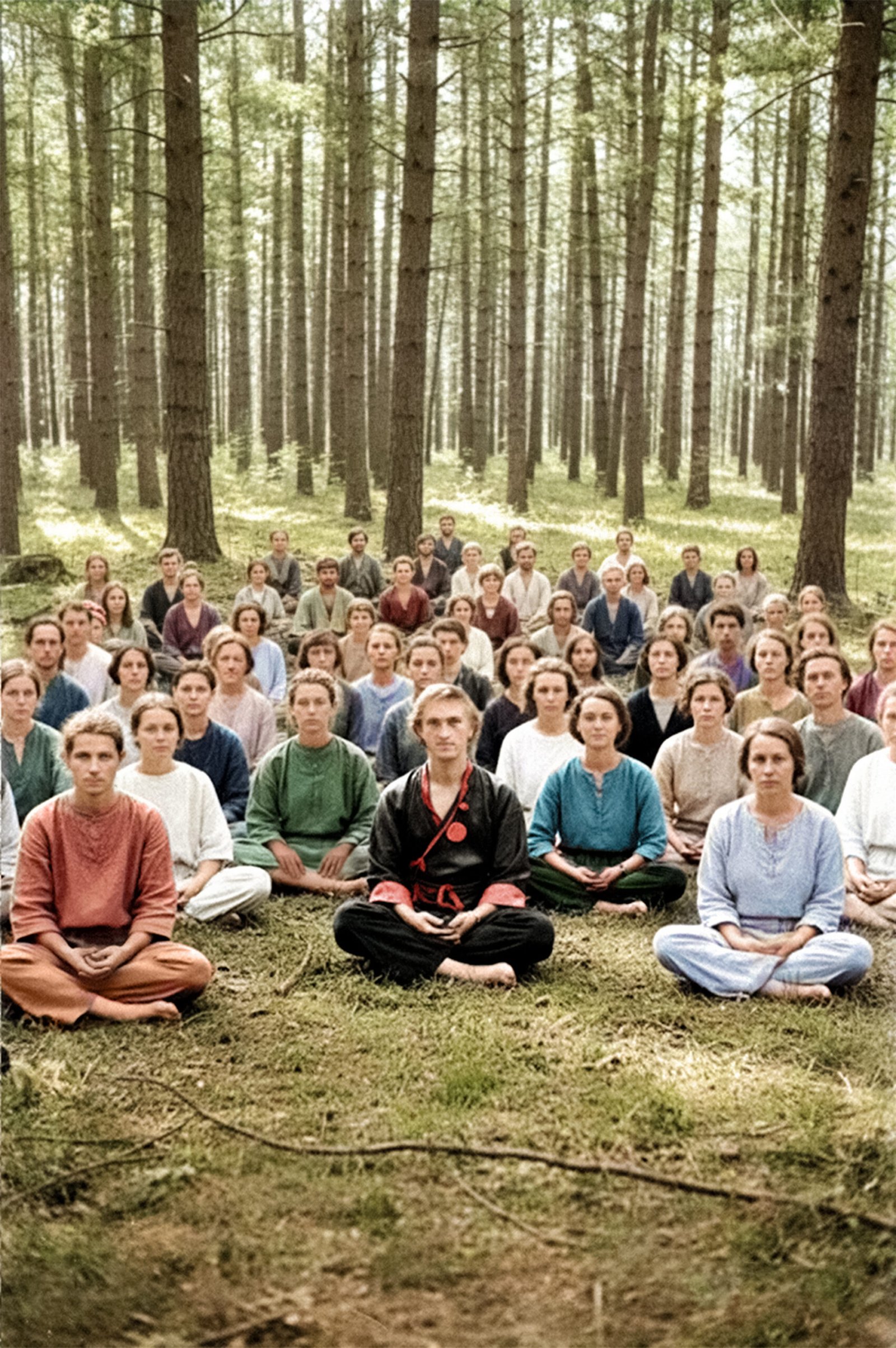
Konstantin held a cynical view of government structures. He argued that the State seeks to turn people into “fools and cowards” to make them easier to control. He viewed the Soviet obsession with communism as a “dream” that led to senseless destruction and suffering. He often cited the character Pavel Korchagin, the protagonist of the quintessential Soviet novel of the 1930s, “How the Steel Was Tempered” by Nikolai Ostrovsky, as an example of someone who “died for a lie,” a type of hero beneficial to governments but tragic to humanity. Later, Rudnev extended this criticism to the Putin regime.
This stance, combined with the growing popularity of his groups, led to friction with the Russian Orthodox Church, which in these years felt it was losing spiritual influence. The Church and the active Russian anti-cult movement also noted with concern the growth of Rudnev’s followers, which they estimated at some 20,000 in the early 21st century.
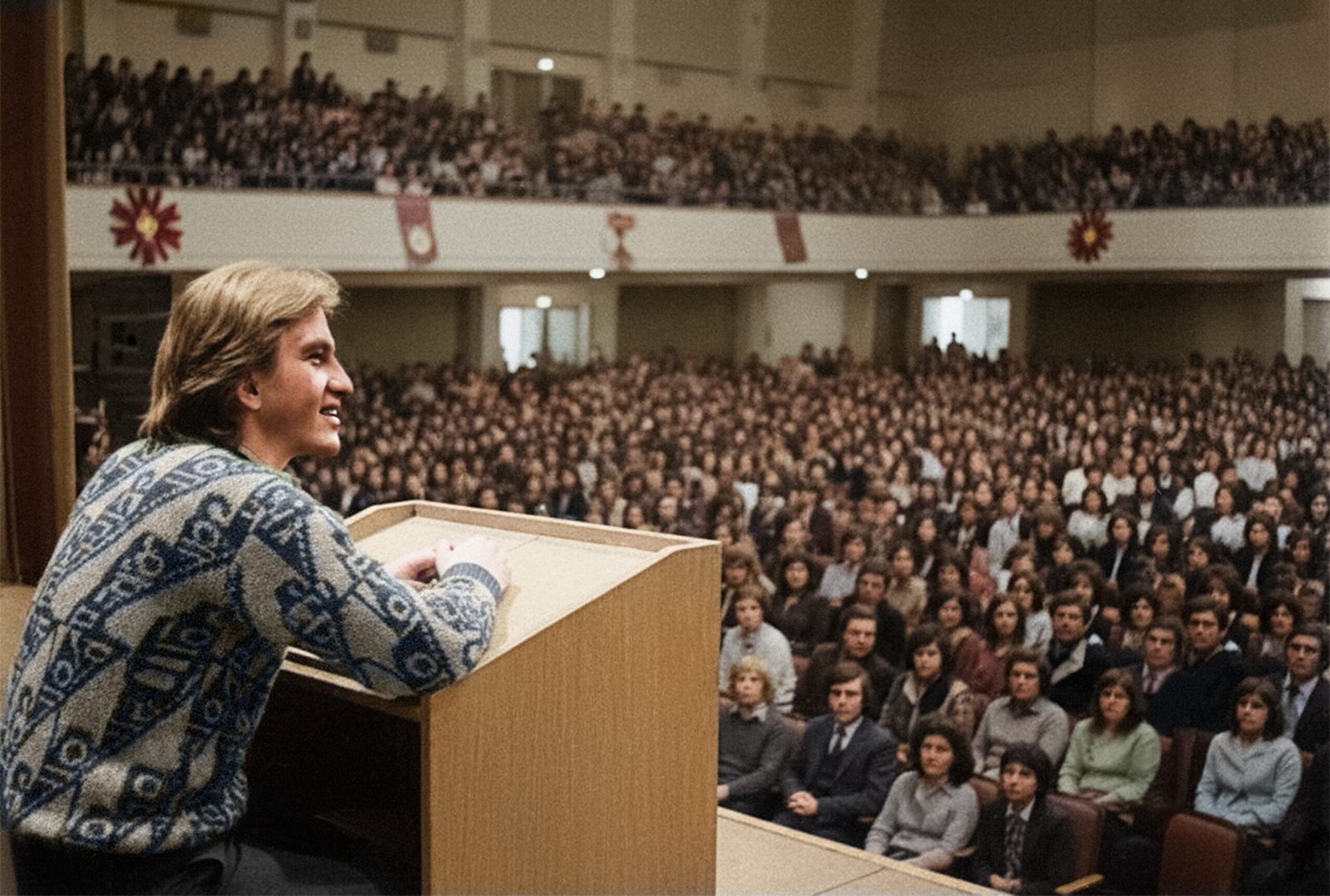
Contrary to many public narratives, his brother reveals that Konstantin was a wealthy man by inheritance. Their biological grandfather, a half-German who had been expelled to Germany in the 1930s, had worked for the industrialist Krupp family and earned a substantial pension. Upon his death in 1993, he left Konstantin a “considerable sum” of money. The existence of the inheritance was proved in the Novosibirsk trial. It was also documented that Konstantin used part of his money, and of what he received from his followers, for charitable work in India and elsewhere.
Konstantin’s life took a dark turn in September 2010, when he was arrested at a cottage near Novosibirsk and sentenced in 2013 to 11 years in a strict-regime penal colony. The court case will be the subject of the third article in this series.
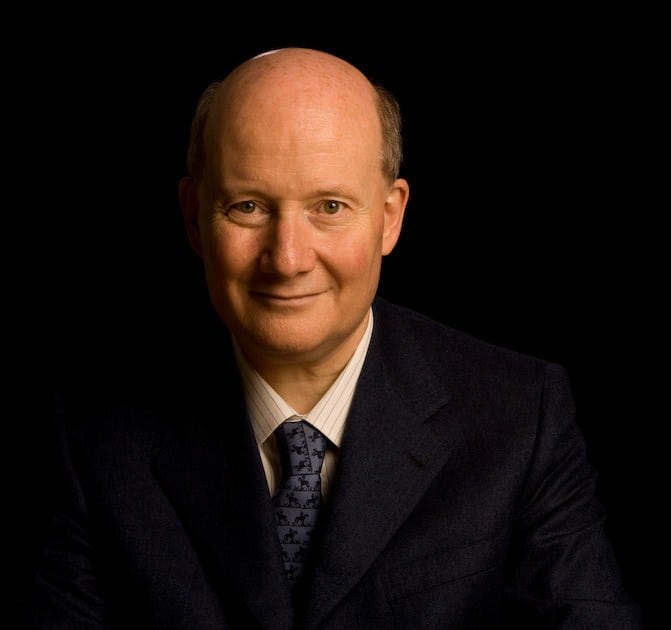
Massimo Introvigne (born June 14, 1955 in Rome) is an Italian sociologist of religions. He is the founder and managing director of the Center for Studies on New Religions (CESNUR), an international network of scholars who study new religious movements. Introvigne is the author of some 70 books and more than 100 articles in the field of sociology of religion. He was the main author of the Enciclopedia delle religioni in Italia (Encyclopedia of Religions in Italy). He is a member of the editorial board for the Interdisciplinary Journal of Research on Religion and of the executive board of University of Pennsylvania Press’ Nova Religio. From January 5 to December 31, 2011, he has served as the “Representative on combating racism, xenophobia and discrimination, with a special focus on discrimination against Christians and members of other religions” of the Organization for Security and Co-operation in Europe (OSCE). From 2012 to 2015 he served as chairperson of the Observatory of Religious Liberty, instituted by the Italian Ministry of Foreign Affairs in order to monitor problems of religious liberty on a worldwide scale.