Submitted by CAP LC and United for Human Rights on May 23, 2026.
by Thierry Valle
Download the statement in PDF as filed (the number will be attributed by the Council later)
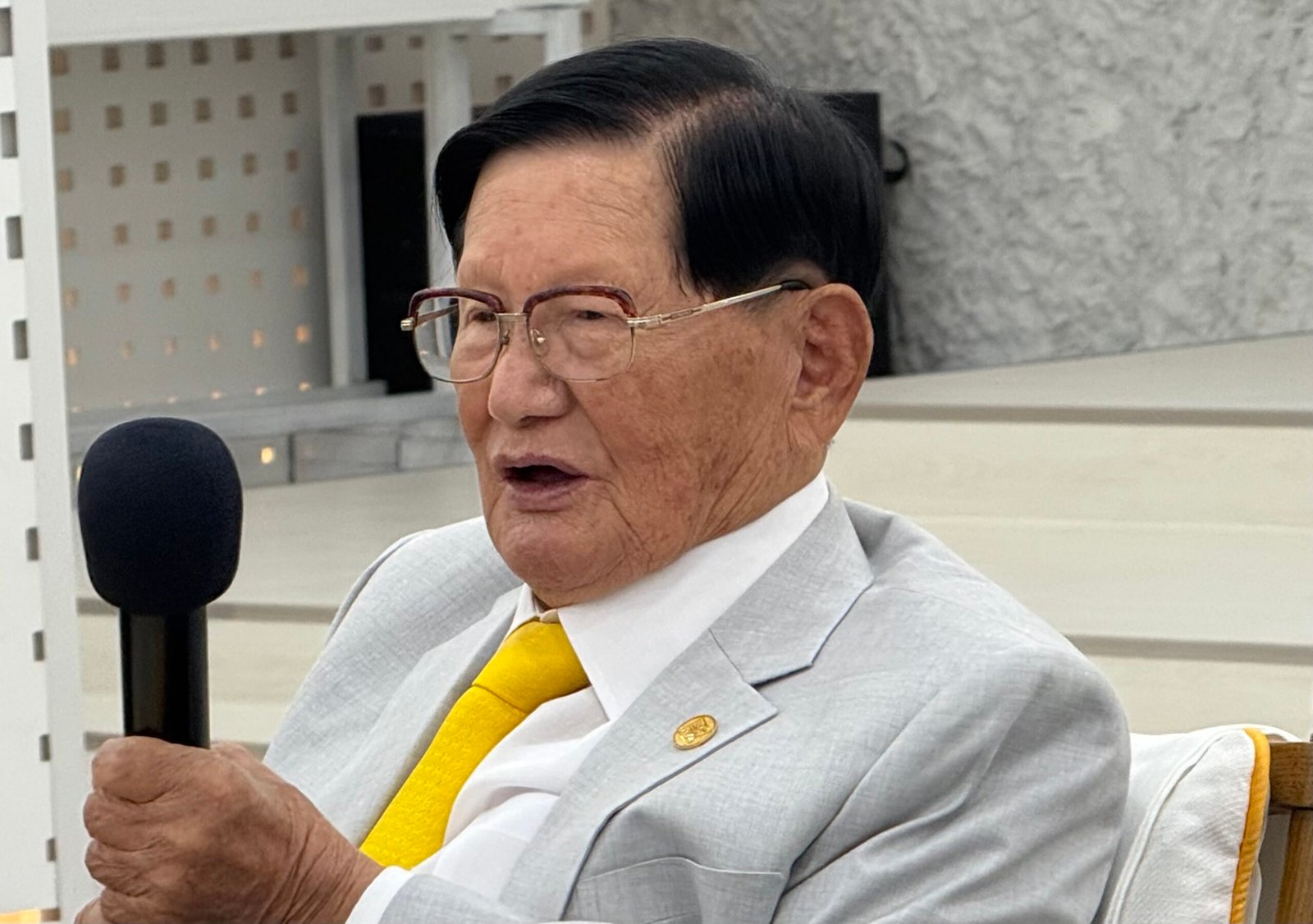
Coordination des associations et des particuliers pour la liberté de conscience (CAP LC) submits this statement to inform the Human Rights Council of a serious and worsening pattern of discrimination affecting members of Shincheonji, a Korean Christian new religious movement. CAP LC has previously raised concerns about the stigmatization of this community in the Republic of Korea. Today, however, the problem has expanded beyond Korea and has become a transnational phenomenon. Material produced in Korea by anti heresy activists, hostile religious groups, and political actors is now circulating internationally, influencing administrative decisions and shaping public opinion in several countries. This diffusion has created a global environment in which Shincheonji members face discrimination, suspicion, and, in some cases, threats to their safety.
In Australia, a parliamentary Inquiry on “cults” in Victoria has targeted Shincheonji, relying on allegations that mirror Korean anti heresy rhetoric. In February 2026, the Australian Charities and Not for profits Commission publicly disclosed an investigation into Shincheonji’s Melbourne congregation, an unusual step that risks prejudicing public opinion. In the United Kingdom, the Charity Commission rejected Shincheonji’s application for registration because it is a “cult,” a term without legal meaning but with significant stigmatizing power. In France, the media reported in April 2026 that former members had filed a criminal complaint based on vague accusations of “spiritual abuse” and mistreatment. In Germany and other German-speaking countries, a sustained campaign by certain media outlets and church actors has already resulted in workplace discrimination. It has been reinforced by a 2025 book by Evangelical activists, one of whom is a pastor (O. Koch and J. Lorenz, “Die Seelenfänger von Shincheonji: Wie eine koreanische Neureligion Menschen manipuliert,” Freiburg: Herder), that portrays Shincheonji as manipulative and provides no verifiable evidence. In all these cases, the common source of the allegations is material originating in Korea.
Within Korea, the situation has intensified. Since late 2025, political actors have framed the fact that some Shincheonji members joined a political party as evidence of improper “religion–politics collusion,” disregarding the right of every citizen to participate in political life under Article 25 of the ICCPR. In December 2025, the President ordered the creation of a joint police–prosecutor task force explicitly targeting Shincheonji. The task force has conducted numerous raids and summoned more than sixty individuals for questioning. Particularly concerning is the reopening of cases previously closed with findings of no wrongdoing. Senior officials have publicly referred to Shincheonji as a “criminal organization,” statements incompatible with the presumption of innocence. Government documents have listed the eradication of Shincheonji’s alleged political involvement as a national policy objective, a departure from the principle of state religious neutrality.
Administrative decisions have also been affected. During the COVID 19 pandemic, Shincheonji facilities were subjected to prolonged closures not applied equally to other religious groups, resulting in severe economic losses. Forced to abandon their main worship spaces, Shincheonji communities had to rent multiple smaller venues, incurring substantial monthly costs and significant one time expenses. The cumulative financial damage since 2020 exceeds 5.8 billion KRW. These losses stem from restrictions that disproportionately targeted one religious group and raise concerns under Articles 18 and 21 of the ICCPR and Article 17 of the Universal Declaration of Human Rights.
In October 2024, Shincheonji contracted with a public agency to hold a large religious event at Imjingak Peace Park. All administrative requirements were met, yet on the day of the event, the public agency abruptly canceled the reservation, citing security concerns unrelated to the gathering. Other events in the same region proceeded without interruption. Evidence indicates that the cancellation was prompted by pressure from religious groups opposed to Shincheonji. The selective cancellation of a religious event after all legal requirements had been met constitutes a restriction on freedom of religion and assembly that does not meet the criteria of necessity and proportionality required under international law.
CAP LC is also deeply concerned by continuing reports of coercive de conversion attempts and violence against Shincheonji members by private actors. In 2025 alone, documented cases included one death, multiple instances of confinement, interference with communication, threats, and psychological harassment. Victims have reported being forcibly taken from their places of worship, confined for days, threatened with weapons, deprived of sleep, and pressured to renounce their beliefs. Others have faced workplace discrimination, economic boycotts, and social exclusion. These incidents violate fundamental rights protected by the ICCPR and reflect a broader social environment in which discrimination against Shincheonji is normalized.
CAP LC urges the Government of the Republic of Korea to reaffirm its commitment to freedom of religion, non discrimination, and state neutrality. Investigations must be conducted in accordance with the ICCPR, avoiding selective enforcement and stigmatizing language. Public officials should refrain from statements that label a religious minority as a threat. Administrative decisions must be based on objective criteria and applied equally. The government should also take effective measures to prevent and punish coercive de conversion attempts.
CAP LC further calls on governments in Australia, the United Kingdom, France, Germany, and other countries where Shincheonji members face discrimination to ensure that administrative and judicial decisions are based on verified evidence rather than imported stereotypes. The term “cult,” lacking a legal definition, should not influence regulatory or judicial processes. States must protect the rights of all religious minorities and ensure that freedom of religion is not undermined by transnational networks promoting intolerance.
The Human Rights Council has consistently affirmed that freedom of religion or belief includes the right to form, join, and manifest one’s religion without coercion or discrimination. The situation of Shincheonji, both in Korea and internationally, illustrates how defamatory narratives can cross borders, shaping public perception and influencing state action. CAP LC respectfully urges the Council to monitor these developments closely and to remind all states of their obligations under international human rights law.

Thierry Valle has been an active advocate for human rights for more than two decades. He has lectured extensively concerning freedom of religion and belief around the world. He is the president of CAP Liberté de Conscience, an European NGO with United Nations ECOSOC consultative status, created two decades ago and dedicated to protect freedom of religion or belief.