Thailand’s royal pardon for two prisoners spreads anxiety across the diaspora, where release from jail has often been the prelude to deportation to China.
by Kok Bayraq
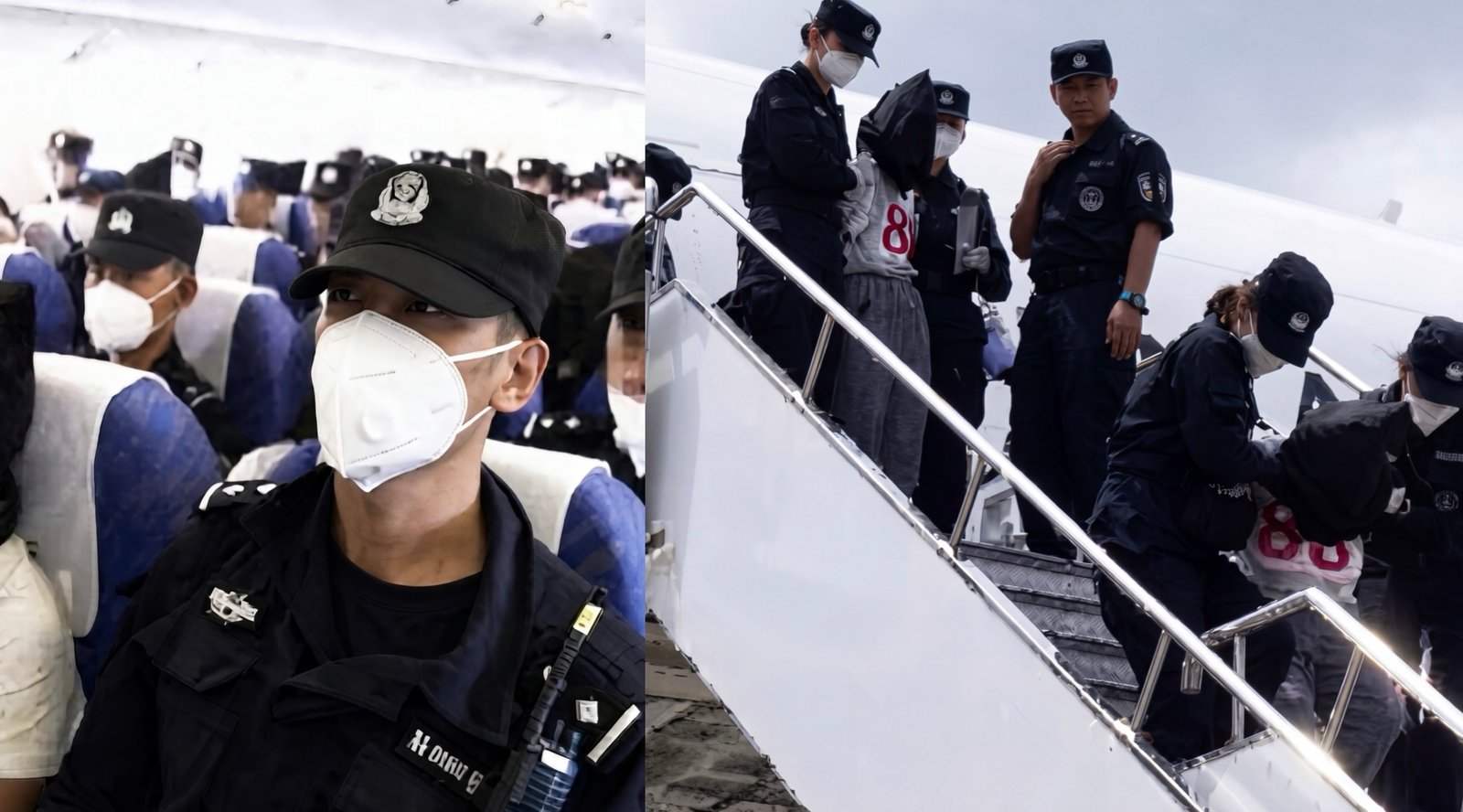
On October 21, media outlets reported that two Uyghurs imprisoned in Thailand had received a royal pardon from the Thai king. Instead of celebrating, Uyghurs in exile became deeply anxious. For them, the pardon suggested that the two men might be moving closer to an even more terrifying fate: being returned to the People’s Republic of China. “Bitter Winter” has already covered the story of the two pardoned men now at risk of deportation, in an article by Ruth Ingram. As expected, China has stepped in and asked for their deportation, claiming that the two are criminals for whom arrest warrants have been issued in China.
Their lawyer, Natalie, visited the five imprisoned Uyghurs in July and informed them that their prison sentences had been reduced by one year and that they would soon be released. Instead of responding with excitement, the prisoners reacted with fear and anxiety. Their pleas followed one another. “Tell the UN Human Rights Committee! Ask them to prevent our return to China!” “Tell the Committee Against Torture! If we are returned, we will die under torture. Ask them to find a way to save us!” “Tell the Thai government! We are willing to accept any punishment, no matter how severe, as long as they do not send us back to China!”
Their fears were not without reason. Thailand had previously deported 100 Uyghurs to China in 2015 and another 40 in 2025, despite international opposition and, in the latter case, appeals and recommendations from U.S. Secretary of State Marco Rubio. In Indonesia, six Uyghurs were returned to China after completing their prison sentences. What should have been the good news of their release became the beginning of their disappearance. They have not been heard from since.
In 2009, 22 Uyghurs in Cambodia were under United Nations protection. In December of that year, Cambodian security officers informed them that they would be transferred to a safe house. After spending three days in this supposedly safe location, they were deported to China. Even their desperate resistance at the airport, including throwing themselves against the aircraft entrance to avoid boarding, proved futile. In the autumn of 2010, Ershidin Israil, who had been accepted for resettlement in Sweden, was preparing for his journey in Kazakhstan. Kazakh security officers told him to stay for some time in a safe house. Knowing what a safe house meant from the tragedy of the Uyghurs in Cambodia, he fled from the UN shelter, went into hiding, and attempted to escape. With nowhere else to go, he eventually returned to the safe house under the guidance of UN personnel.
Fear of good news, alarm at the prospect of release, and attempts to escape what should have been welcome developments are no new phenomena. They existed in the early 2000s as well, in Southeast Asia and also in the Middle East and South Asia. In 2002, Omer Kanat, then deputy director of Radio Free Asia, traveled to Afghanistan on a reporting assignment and visited two imprisoned Uyghurs. He asked the prison warden for permission to see the prisoners, and the warden immediately opened their cells and allowed both men to accompany him without guards. Surprised, Kanat asked, “You have simply handed these prisoners over to me. What if they escape? Wouldn’t you get into trouble?” The warden replied, “No, they won’t escape. Even if they do, they’ll come back.”
As it turned out, the two prisoners had already escaped several months earlier. Without passports, they had been unable to find a way to reach a third country. They eventually returned voluntarily to prison because, if caught outside, they risked being deported to China. The two Uyghurs told Kanat, “What we fear most is a political change in Afghanistan that might lead to a pardon for prisoners like us.” Their fears eventually came true. An amnesty for prisoners was announced after Hamid Karzai came to power. As a result of this supposed act of mercy, the two Uyghurs were released.
They had no passports, however, and no means of traveling to a third country. Eventually, they joined the Taliban simply to survive. According to Kanat’s recollection, he questioned their decision to take up arms. “Why are you carrying weapons when you are seeking asylum in a third country?” he asked. They replied, “How can you sleep under the same roof with people who are fighting while you do nothing?” The two Uyghurs were never deported to China. They later died in battle.
In Dubai, three imprisoned Uyghurs became increasingly distressed as the end of their sentences approached. They wrote letters to this author asking for help to save them. As they had feared, their release brought no happy ending. Six years have passed since their prison sentences ended, and there has been no information about their whereabouts. While in prison, these Uyghurs had contacted us once a week. Since their release, not a single word has been heard from them.
This fear of good news is not confined to prisons. On social media, announcements frequently appear about the discovery of underground mineral resources, the construction of major new projects, or the building of highways. State media report such developments with excitement and pride. Among Uyghurs, the same news often spreads through social media and communities as a source of anxiety. Recent examples illustrate the contrast. “New mineral wealth has been discovered in Qumul! It may be one of our country’s largest deposits!” “Valuable minerals have been discovered in Aksu! The deposits are so extensive that they may last for a hundred years!” Yet the voices of those sharing such news are subdued, their heads lowered.
Why? Because the discovery of underground resources means that millions of new settlers may arrive. It means that thousands of additional security personnel may be deployed to protect these projects, that thousands of Uyghurs may lose their farmland, and that hundreds of villages may be deprived of their water sources. And so, there exists a people on this earth for whom good news does not necessarily bring happiness, a people who have learned to fear good news. They are the Uyghurs, the very people whom China has described as “the happiest Muslims on earth.”
How many more people will the Thai king’s supposed good news bring to tears? How many more lives will be turned upside down, and how many nights will be spent sleepless, haunted by fear of what this royal pardon may bring? That is a picture of just one side of the Uyghur genocide.

Uses a pseudonym for security reasons.