Following pressure from China, a Catholic university withdrew the keynote speech of one of the world’s leading experts on Chinese religion.
by Massimo Introvigne
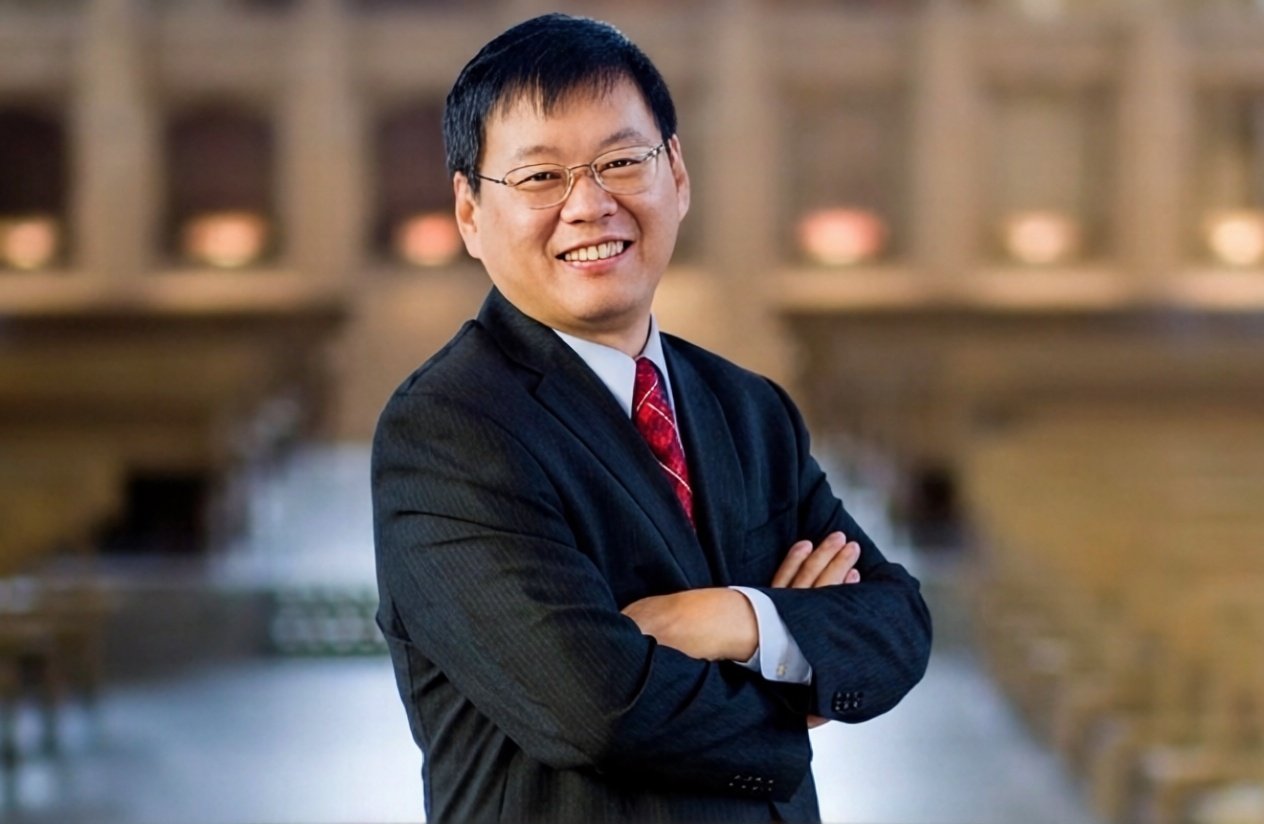
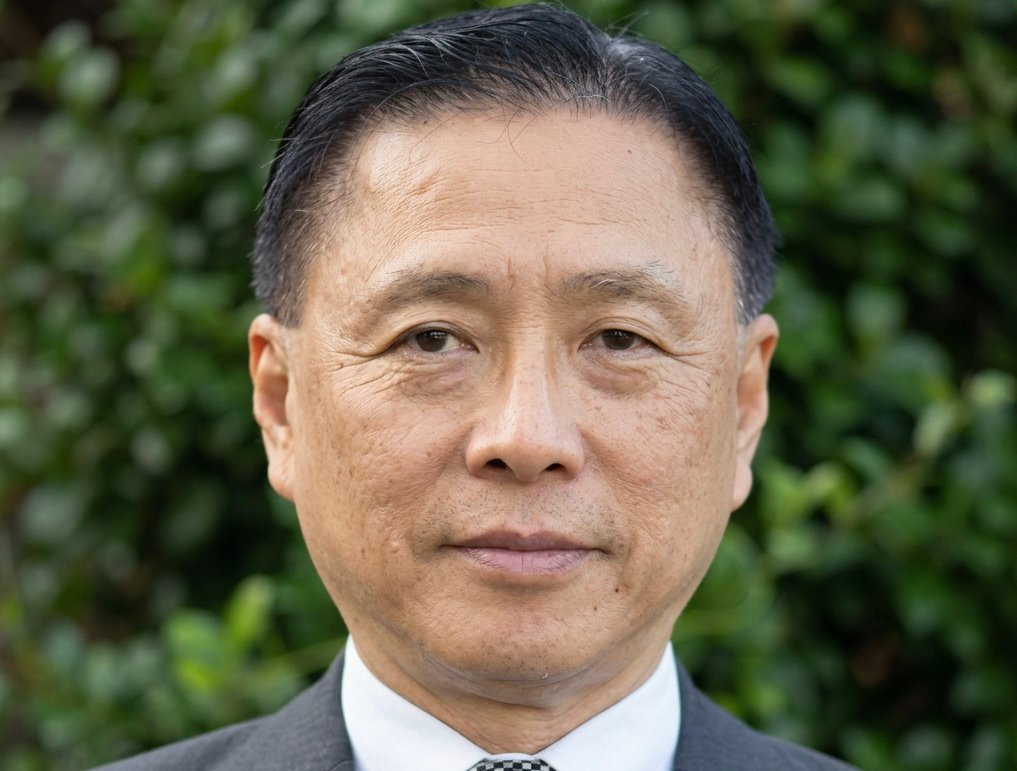
Fenggang Yang is widely regarded as the foremost Chinese sociologist of religion and one of the world’s leading authorities on religion in China. His books shaped an entire field, and generations of scholars, myself included, learned from his work and from conversations with him at international conferences. His presence at academic meetings has always been a guarantee of intellectual seriousness. For this reason, the incident he described in a statement transmitted to “Bitter Winter” and other specialized media has generated profound concern.
Yang has taught at Purdue University since 2002 and founded the Center on Religion and Chinese Society, later renamed the Center on Religion and the Global East. His research on immigrant religion, religious change in China, and religion in East Asia earned him the presidency of the Society for the Scientific Study of Religion in 2014–15 and the founding presidency of the East Asian Society for the Scientific Study of Religion. His reputation is solidly established across continents.
In September 2025, Yang accepted an invitation from the US-China Catholic Association (USCCA) to deliver a keynote address at its biennial conference scheduled for July 31–August 2, 2026, at the University of St. Thomas in Houston. St. Thomas is a Catholic institution, affiliated with the Diocese of Galveston-Houston. Yang’s lecture, titled “Transforming Guanxi: Chinese Christian Transnational Ties and the Making of Social and Spiritual Capital,” was announced on the USCCA website and in its newsletters.
On May 16, 2026, Yang received an unexpected email from Peter Tan, Chair of the USCCA Board of Directors. Tan wrote that he had just returned from Shanghai, where two government officials confronted him about Yang’s participation in the conference. Two days later, during a Zoom call, Tan told Yang that the officials had asked him to remove Yang’s name from the program.
Tan could not identify the officials or explain their motives. He nevertheless asked Yang to consider withdrawing.
Yang replied on May 19 that he wished to proceed with the keynote. His topic was academic, and he had lectured at Catholic institutions, including inside the Vatican, without difficulty. He also raised a fundamental question: how Chinese officials could presume to instruct a US organization to erase a scholar from an academic program. He regarded this as a serious violation of religious freedom and academic freedom in the United States.
Tan insisted that the hosting university and the Archdiocese of Galveston-Houston might force the cancellation of the entire conference if Yang remained on the program. Yang asked Tan to consult the university and the diocese and report back. Tan never confirmed that he had spoken with either. He also never communicated a decision from the USCCA Board. Instead, Yang’s name disappeared from the website on June 1.
Yang sought clarification. He emailed Tan and other USCCA leaders on June 2, requesting an explanation and a formal board decision. Tan replied on June 5 that he would convene the board on June 8 and inform Yang that evening. No message arrived. After Yang’s inquiry, the Board Secretary, Anne Tsui, wrote on Tan’s behalf and asked for a Zoom meeting. Yang was traveling from June 10 to 19 and could not attend. Tan then sent him a summary of the board minutes. Yang found the minutes filled with mistaken statements and asked for corrections and a formal letter of disinvitation, possibly with an apology.
Tsui wrote that she would convene the Executive Committee. Yang waited until June 28, then sent another inquiry. Tsui finally sent a letter dated June 29, stating that the board was requesting his withdrawal, apologizing, offering to pay a honorarium, and asking Yang to keep the letter and the details of the situation strictly confidential. The request for secrecy added a further troubling element.
Yang responded on June 30. He stated that he had never withdrawn, that he accepted the board’s decision and the apology, and that he did not want the honorarium, although he expected a refund of the dormitory fee he had paid. He also wrote that he could not remain silent. He described the pressure from Chinese authorities as an egregious violation of religious freedom and academic freedom, and he expressed disappointment that a US-based Catholic organization had cooperated with such pressure. He added that this cooperation was hurtful and that it revealed a failure of institutional courage.
On the same day, Yang learned that a senior academic had resigned from the USCCA’s emeritus director role to maintain his commitment to professional academic integrity. He asked that all references to him be removed from the USCCA website. Yang expressed appreciation for this gesture of solidarity.
The facts, as Yang reported them, raise a disturbing question. A Catholic university and a Catholic association accepted the removal of a distinguished scholar from an academic program after a request conveyed by Chinese officials. The decision was taken without transparency, without a clear explanation, and without a willingness to defend academic freedom. The result is a precedent that encourages further interference.
China’s long-arm repression is well documented. The troubling element in this case is the cooperation of a US-based Catholic organization with demands originating from Chinese authorities. The consequences extend beyond one conference. They concern the integrity of academic life and the freedom of religious institutions in the United States.
The Vatican has a controversial agreement with the Beijing regime regarding the appointment of Chinese bishops. Although the agreement’s details are secret, I would be surprised if it included provisions that prevent academics critical of the Chinese Communist Party from speaking at Catholic universities. A clarification from Rome is both necessary and expected.
Update (August 7, 2026): On August 7 the University of St. Thomas wrote to us stating that the University had no part in the decision to exclude Professor Yang, which was taken by the USCCA only.

Massimo Introvigne (born June 14, 1955 in Rome) is an Italian sociologist of religions. He is the founder and managing director of the Center for Studies on New Religions (CESNUR), an international network of scholars who study new religious movements. Introvigne is the author of some 70 books and more than 100 articles in the field of sociology of religion. He was the main author of the Enciclopedia delle religioni in Italia (Encyclopedia of Religions in Italy). He is a member of the editorial board for the Interdisciplinary Journal of Research on Religion and of the executive board of University of Pennsylvania Press’ Nova Religio. From January 5 to December 31, 2011, he has served as the “Representative on combating racism, xenophobia and discrimination, with a special focus on discrimination against Christians and members of other religions” of the Organization for Security and Co-operation in Europe (OSCE). From 2012 to 2015 he served as chairperson of the Observatory of Religious Liberty, instituted by the Italian Ministry of Foreign Affairs in order to monitor problems of religious liberty on a worldwide scale.