What happened to the movement can only be understood by looking at decades of attacks against the “cults” based on the rhetoric of “saving the children.”
by Susan J. Palmer
Article 1 of 3.
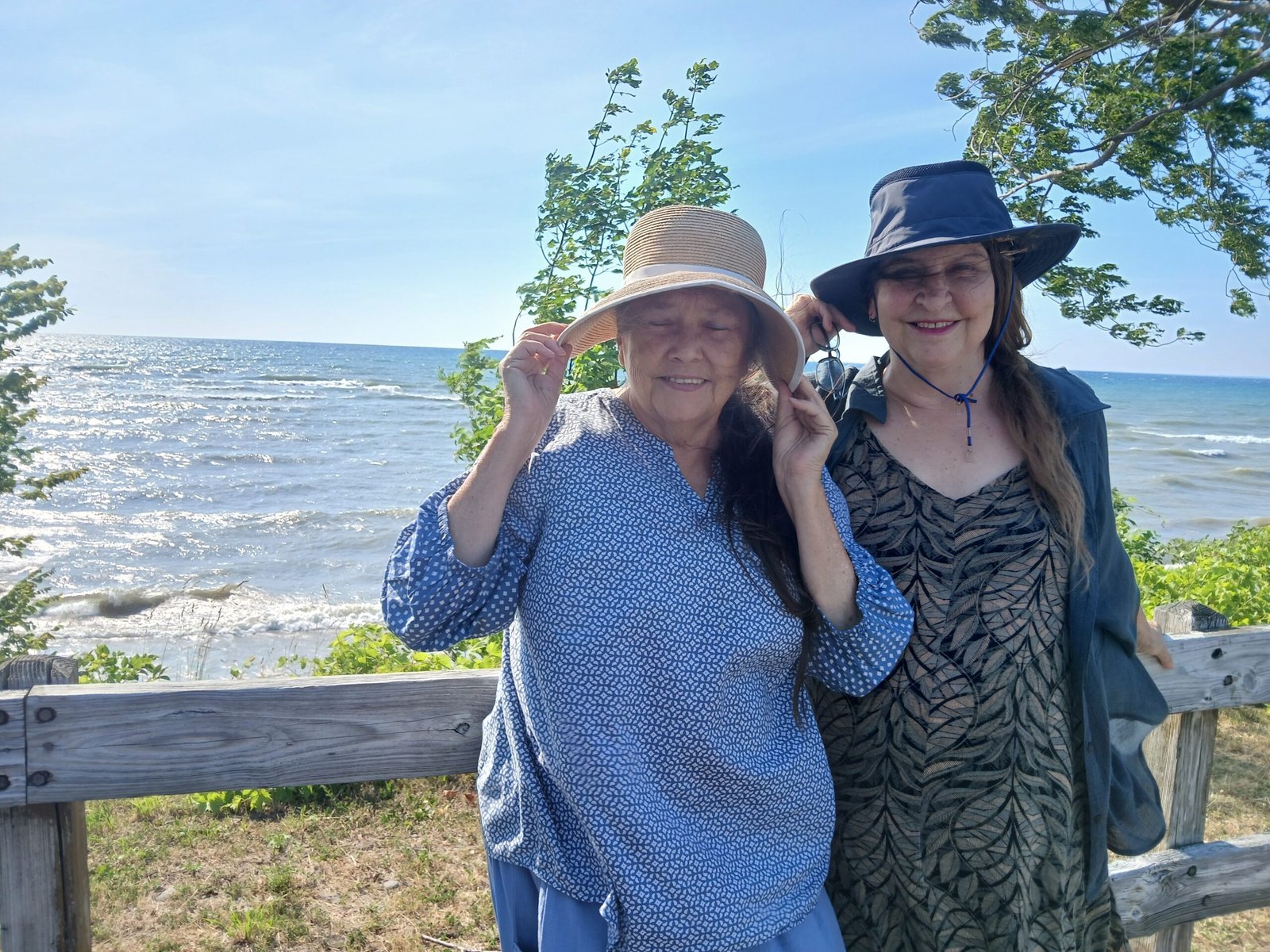
On February 11, 2026, the Child Protection Services (CPS) descended upon the Twelve Tribes Community in Hamburg, N.Y., and seized 14 of their children.
This action followed a turbulent period in this small, spiritual community. The Twelve Tribes, since settling in Hamburg in 1993-94, has flourished. Its local restaurant, the Yellow Deli, was very popular and received enthusiastic reviews. But in January 2026, a terrible event occurred.
One of their brothers (39), a married man with children, raped a young girl (14). On January 4, she told her parents, and the man confessed to his crime to a community shepherd [pastor]. The culprit was held internally under “house arrest” for a few days while the shepherd persuaded him to give a full account of what had happened and to turn himself in. On January 8th, the shepherd escorted him to the police station, where he gave his full confession. The man is currently in prison awaiting sentencing, having pleaded guilty. The detective said he had “never seen anything like it,” referring to the fact that the perpetrator turned himself in and made a full confession to a crime of that nature.
The family of the victim was provided with a private residence by the group where they could be alone. An announcement was made to the community the next morning that they had left and would not be seeing them, and that they would not be seeing the “missing brother” either.
The Twelve Tribes devotees felt they had dealt appropriately with their deviant member, but they were deeply disturbed by his transgression. In their culture, marriage is sacred. Extramarital (and premarital) sex is forbidden, and rape is more than a crime; it is a heinous sin. They embarked on an intense process of healing as a community during their morning and evening gatherings, where the brothers and sisters of the Twelve Tribes dance, sing, pray, and offer personal testimonies. But three weeks later, the community experienced an even more traumatic event.
On February 4, the CPS received a call from Massachusetts. A former member of the Tribes, a 13-year-old boy, had been telling his school friends that “terrible things happen” in the Twelve Tribes in Hamburg. He himself had been raped, he claimed, and had witnessed other children being raped. A mandated reporter overheard him and made a report to CSR (a child abuse hotline), which then contacted the CPS in Hamburg.
On February 10, a NY police detective showed up at the boy’s house to conduct a forensic interview with him and his father. After an admonition from the officer that “he had better tell the truth,” the boy recanted his former statement and admitted he was never raped, nor had he witnessed any sexual abuse—but only that he had heard “rumors of rapes” in the Twelve Tribes. The father confirmed his son’s recantation.
On February 11, the CPS brought a petition before the judge in which they included the boy’s initial allegations but failed to clarify the significance of his February 10 recantation. Instead, the CPS claimed that the children were in imminent danger, and prompt removal was the only recourse. That same day, police cruisers and CPS workers appeared at the Twelve Tribes’ home and apprehended 14 children. During the raid, the parents received no paperwork with notice of the allegations against them. Nor did they receive any notice attesting to their right to be heard, as is required by New York law.
My aim in writing this article is to communicate an accurate account of this dramatic and controversial legal event that includes the experiences and perspectives of the members of the Twelve Tribes, unlike the journalistic and “anti-cult” accounts of the same set of events that might follow. My second aim is to share my reflections on how the media treat parents and children in new religions, the courts, and the anti-cult movement.
I was contacted by Jean Wiseman (a.k.a. Swantko, a former Public Defender from Vermont) and her husband, Eddie Wiseman (both long-term members of the Twelve Tribes who provide support in the group’s legal battles), who invited me to serve as an expert witness in this case. Thus, I was able to visit the community in Hamburg (July 13–17), live in their household, and observe their way of life. I interviewed 8 of the parents whose children had been taken and accompanied them to their first day of trial on July 16, 2026.

The Twelve Tribes began in Chattanooga, Tennessee, in 1972 as a small Bible study group called “The Vine House Community Church.” The group relocated to Island Pond, Vermont, in 1978, where it evolved into a communal, millenarian movement that required total commitment, obedience, voluntary labor, and divestment of worldly goods. The Tribes have since established communities all over the world. Their way of life is based upon the Book of Acts 4:32, which states: “And the multitude of them that believed were of one heart and of one soul…[and] they had all things common.” As one brother explained, “We live a life of devotion, just like the first disciples of Yahshua [Jesus]. It is a simple life of healing and hope, striving to overcome all our selfishness as we learn to love each other. Our children are the centerpiece of our hope.”
Sociologists David Bromley and Anson Shupe in their 1981 book, “Strange Gods,” have argued that the American public’s fear of “cults” has been influenced by the “anti-cult movement”—a network of different interested parties ranging from worried parents whose children joined “cults,” to ex-members or “career apostates,” to psychologists specializing in brainwashing theory, to journalists seeking sensational material for articles, to lawyers involved with cases related to NRMs. I would argue that the history of the Twelve Tribes cannot be understood without examining the interference of the anti-cult movement.
In the 1980s, the group became a target of deprogrammers, hired by worried parents who feared their children had been brainwashed into joining a “cult.” By the 1990s, as the first generation of disciples matured, married, and had children, anti-cult activists gave up trying to deprogram the adults. They began to focus on the group’s most vulnerable point: their children. Three factors explain this new strategy.
The first factor was the 1991 “United States v. Fishman” case, which dealt a fatal blow to the admissibility of expert testimony in “brainwashing”-related cases. Since then, anti-cult activists and deprogrammers have been focusing on the second-generation “problem,” relying opportunistically on a few concrete examples of “cultic” child abuse.
The second factor was the “Kelly Plan,” developed in 1983 by “cult deprogrammer” Galen Kelly. He conceived of a new strategy for combating the Northeast Kingdom Community Church (NEKCC) in Island Pond, Vermont (today known as the “Twelve Tribes”). Kelly’s plan, titled “Investigative Proposal Regarding Island Pond,” provided a model for building a coalition of opponents to “cults,” as well as a means of supplanting the old “brainwashing” claims with new claims of child abuse. It also promoted the concept of “collective child abuse” to be applied to “cults” and communes as an efficient means to prosecute the whole group, as opposed to individual members. The Kelly Plan was commissioned and developed by Priscilla Coates, executive director of the Citizens Freedom Foundation, an early anti-cult organization. This plan was shared with the state government of Vermont and was a major factor behind the 1984 Raid in Island Pond.
The third factor behind this new strategy was the “child savers’ movement,” which enabled anti-cult activists to make use of new concerns and changes in the law regarding child abuse in the 1980s—what Phillip Jenkins called “the Child Abuse Revolution.” America’s anti-cult organizations began to rely on the notion that children “trapped” in the “cults” were routinely neglected and abused. This negative stereotype was taken up by journalists, whose articles serve to defame and stigmatize those new religions branded as “cults.”
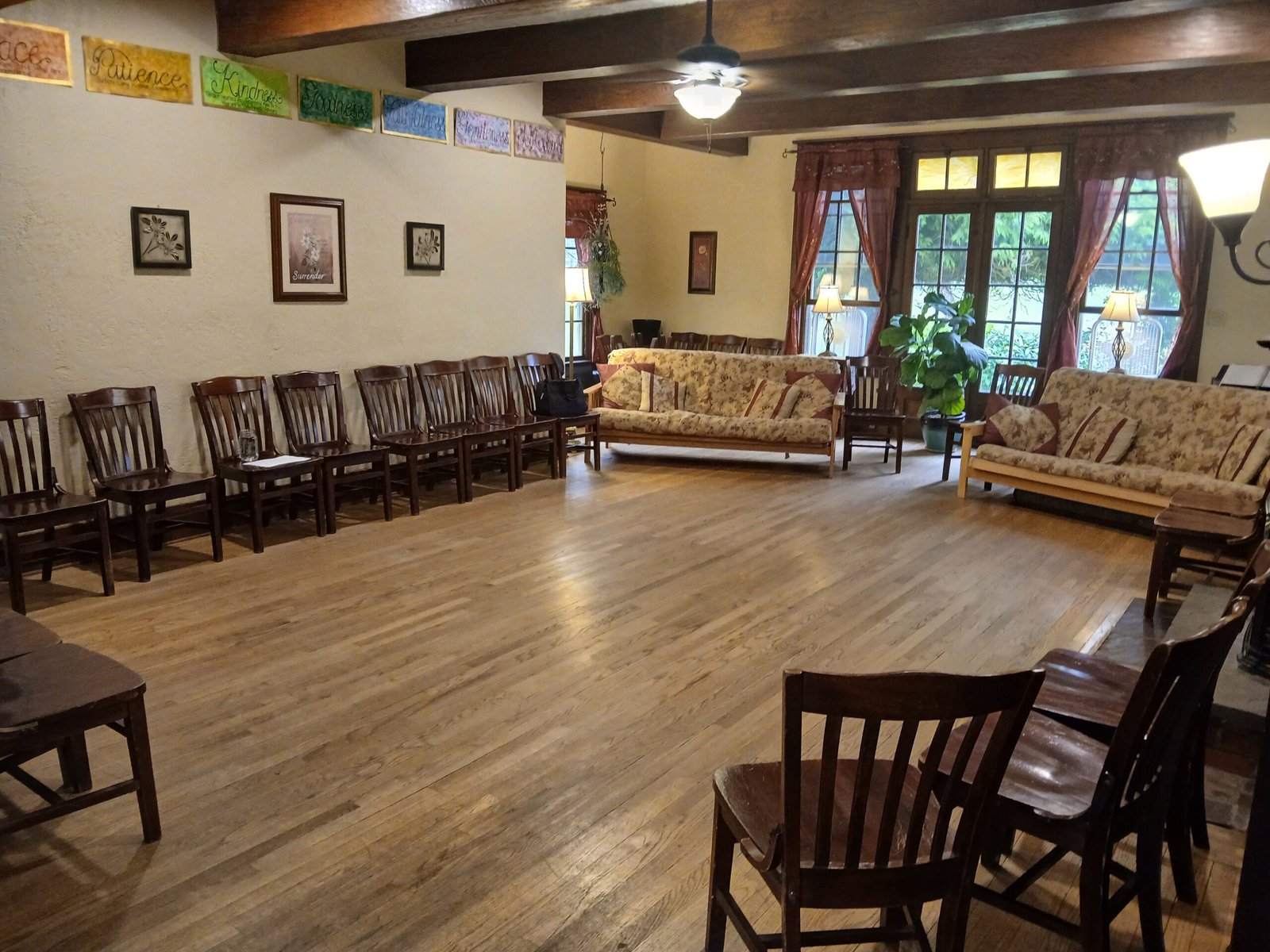
Over the years, the Twelve Tribes communities have experienced government raids on their children by police accompanied by social workers in six countries: USA (1984), Canada (1995), France (1996, 2015), Germany (2013), Spain (2014), and Australia (2020). All these raids were sparked by allegations of harm to children. While a few complaints listed child labor, home schooling, medical neglect, and home births, the main complaint has always been “child physical abuse,” referring to the Twelve Tribes’ practice of disciplining children with a “thin rod” (balloon stick). This controversial practice has received negative media coverage in which journalists have relied, almost exclusively, on the complaints of apostates.
One of the caseworkers in the Hamburg case, who came to inspect the children, was overheard saying: “Island Pond did it wrong. We did it right!” This caseworker was referring to the very first raid on the Twelve Tribes (then known as “Northeast Kingdom Community Church”) in Island Pond, Vermont, on June 22, 1984. The story of the raid and its happy ending has become a sacred tradition and an annual festival in the Twelve Tribes held on June 22, comparable to the Exodus or Passover in the Jewish tradition.
At dawn on June 22, 1984, ninety Vermont state troopers arrived at the community homes in Island Pond, Vermont, accompanied by fifty Social Rehabilitation Services workers. State police searched the households and took 112 children into protective custody. The children, accompanied by their parents, were bused twenty miles to the courthouse in Newport, Vermont. There, District Judge Frank Mahady held forty individual detention hearings and, by the end of the day, released all the children to return home with their parents. He later ruled that the search warrant issued by the state was invalid; that the raid had been “unconstitutional”; and that the whole exercise had been a “fishing expedition” since there had been no individual complaints against named parents, nor any evidence of abuse of seized children.
All 112 children from Island Pond were released to their parents by evening without submitting to a search for bruises or medical examinations, as had been the intention of the state authorities, and the legal process ended abruptly.
Frank Mahady (1939–1992) is enshrined in the eschatology of the Twelve Tribes as one of the “Righteous Servants” sent by “Our Father” to assist them during the Last Days. After such a spectacular legal victory, it was unthinkable that the Twelve Tribes could ever be raided again in the New England area of the United States. But one sexual crime by a deviant member rendered the community vulnerable to its opponents.
When the police arrived on January 9, 2026, to check out the scene of the crime (which the perpetrator had confessed to the day before), they were accompanied by CPS workers who inspected all the children. They found no marks or evidence of abuse or neglect and left, saying, “We have no concerns. You won’t see us again.” However, after the Massachusetts boy’s allegation went public, they returned, explaining, “It is legal to spank in the state of New York with the hand, but not if you are holding an implement.” In their renewed investigation, they again found no signs of abuse or neglect.

Susan J. Palmer is an Affiliate Professor in the Religions and Cultures Department at Concordia University in Montreal. She has directed the Children on Sectarian Religions and State Control project at McGill University, supported by the Social Sciences and the Humanities Research Council of Canada (SSHRC). She is the author of fourteen books, notably The New Heretics of France (Oxford University Press, 2012).