「カルト」が「洗脳」を行っているという理論は、世界的には信用を失っているが、日本では奇妙な成功を収めている。その事態について、日本人研究者が考察する。


「カルト」が「洗脳」を行っているという理論は、世界的には信用を失っているが、日本では奇妙な成功を収めている。その事態について、日本人研究者が考察する。
A Japanese scholar reflects on the strange success in Japan of discredited theories about “brainwashing” allegedly practiced by “cults.”

Il satanismo “anticosmico” di alcune band Black e Death Metal odia tutto e tutti. Il suicidio è una conseguenza logica.
The “anti-cosmic” Satanism of some Black and Death Metal bands hates everything and everybody. Suicide is a logical consequence.
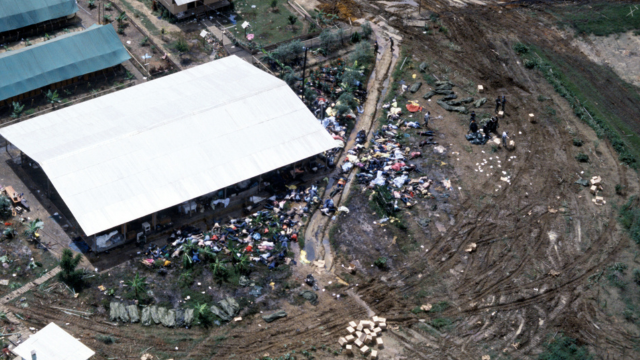
La retorica sulle “sette” oscura quello che è accaduto nei casi di Jonestown, del Tempio Solare, di Heaven’s Gate e di Kanungu – e il perché.
The “cult” rhetoric obscures what happened in Jonestown, the Solar Temple, Heaven’s Gate, and Kanungu—and why.
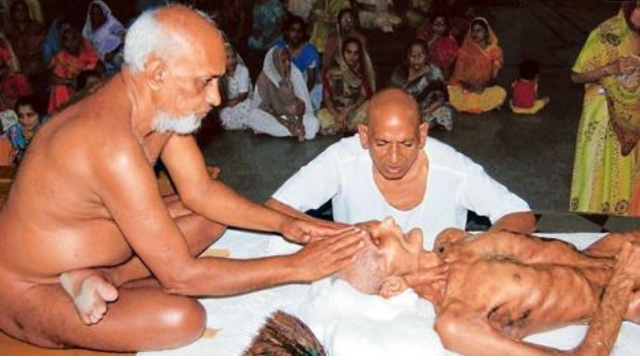
Mentre i giainisti cercano la liberazione spirituale alla fine della vita, l’auto-immolazione buddhista e gli attentati suicidi musulmani sono forme diverse di azioni politico-religiose.
While Jains seek spiritual liberation at the end of life, Buddhist self-immolation and Muslim suicidal bombing are different forms of politico-religious actions.

Due casi molto diversi di auto-immolazione: i combattenti ebrei a Masada e le donne indiane nel rituale del Sati.
Two very different cases of self-immolation: Jewish warriors at Masada, Indian women in the Sati ritual.