From Mainland China, Japan, and Korea to the Tai Ji Men case in Taiwan, different categories of actors operate to reduce freedom of religion or belief.
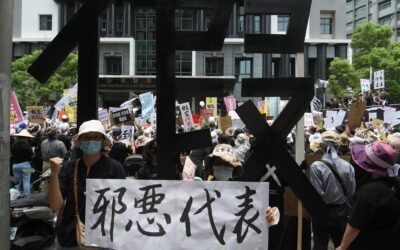

From Mainland China, Japan, and Korea to the Tai Ji Men case in Taiwan, different categories of actors operate to reduce freedom of religion or belief.
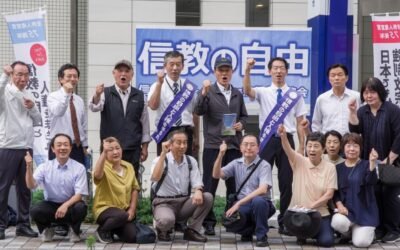
The statute allowing dissolution should be interpreted restrictively. This is not reflected in the High Court’s decision.

The path to full freedom of association in France was long and not easy. What was achieved there has inspired scholars of the Japanese Constitution.
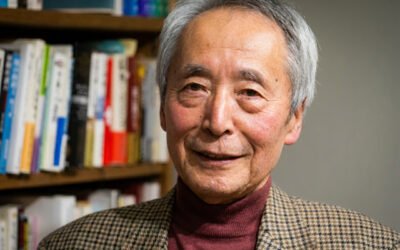
The associations’ right to exist and operate as legal persons is a fundamental, universal right. The Japanese Constitution also recognizes it.

A leading Japanese Constitutional Law scholar offers a critical analysis of the High Court decision.

オウム事件は、ディプログラミングに基づく「カルト対策」が有効に機能せず、火に油を注ぐ結果をもたらすことを明らかにした。
The Aum case proved that the “anti-cult measures” based on deprogramming methods did not work, and ended up adding fuel to the fire.

ディプログラミングが西洋社会で禁止された後も、日本ではそれが行われ続け、弁護士や左翼活動家が支援に回った。
Deprogramming continued in Japan after it was banned in the West. Lawyers and left-wing activists supported it.
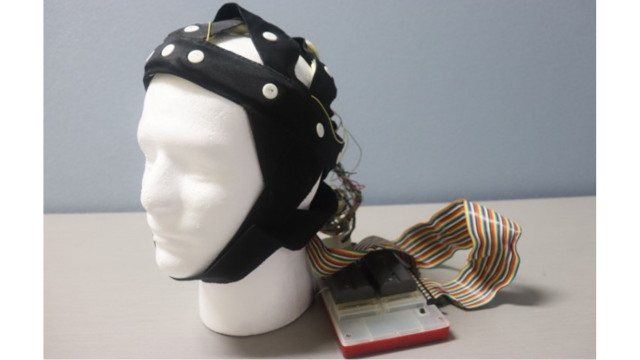
MKウルトラに影響され、オウム真理教は「マインド・コントロール」が実在すると信じ、信者に対して実験を繰り返した――成功することはなかったが。