A peaceful spiritual community is driven across borders by China’s transnational pressure and escalating threats.
by Massimo Introvigne
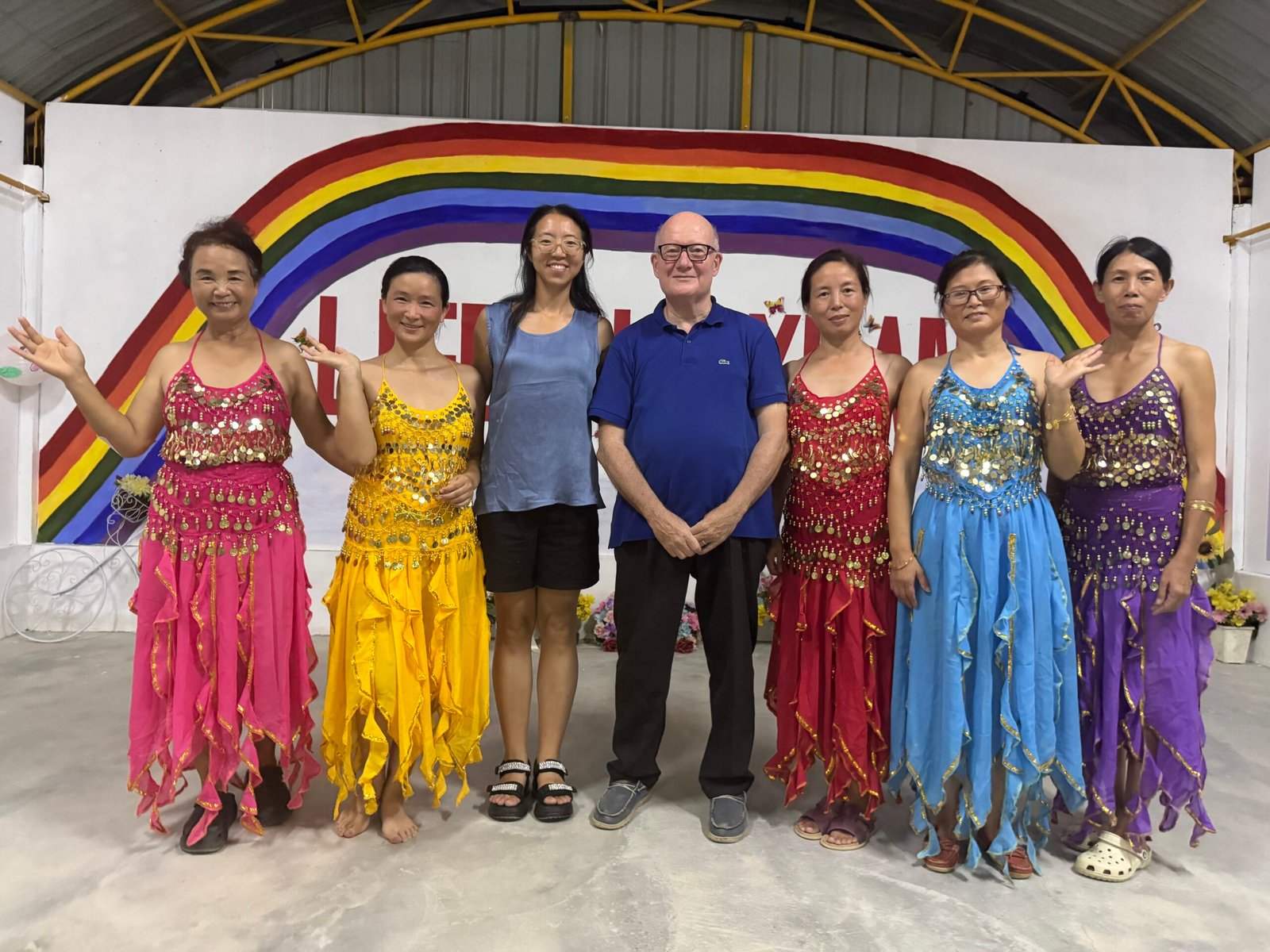
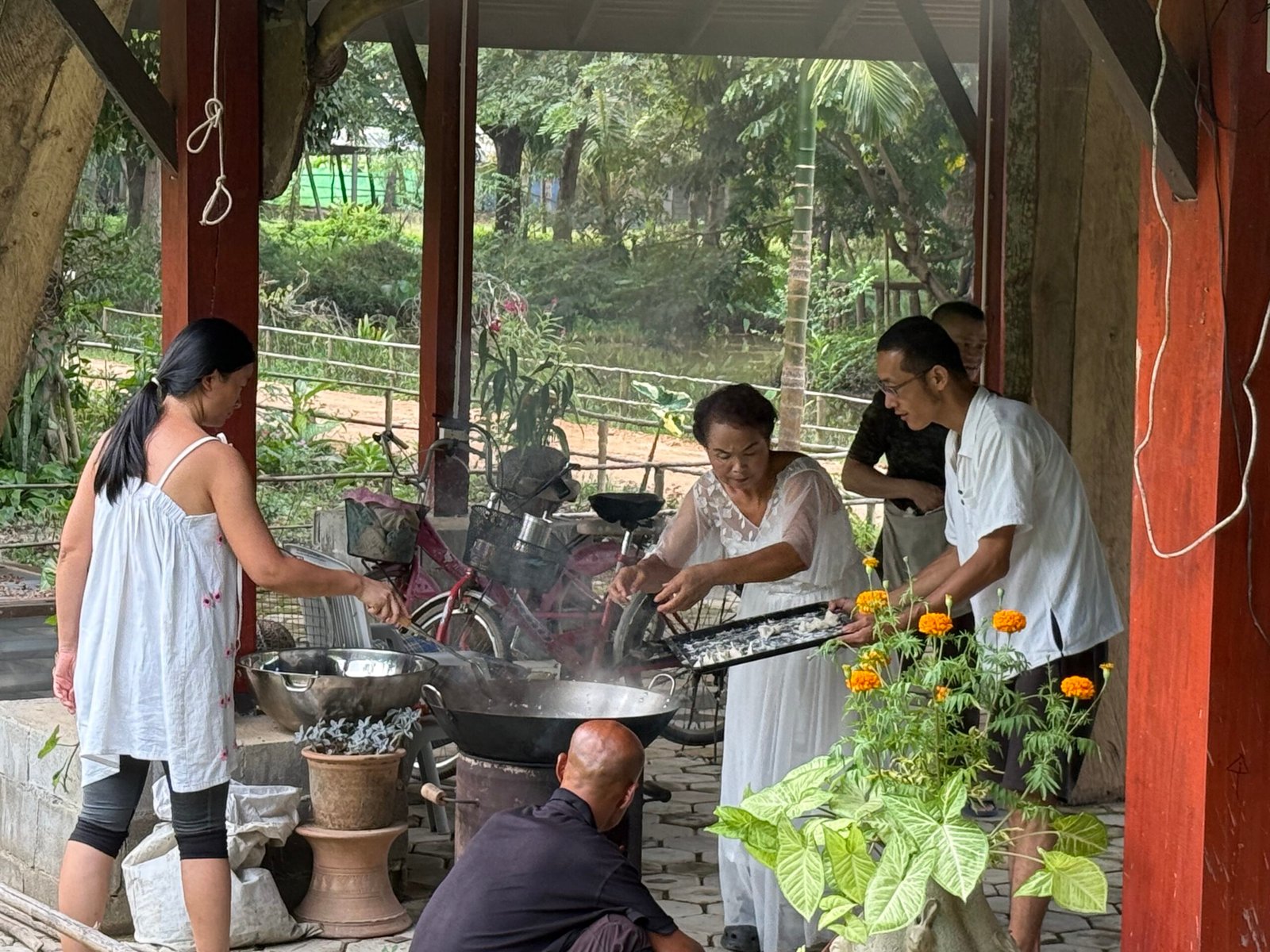
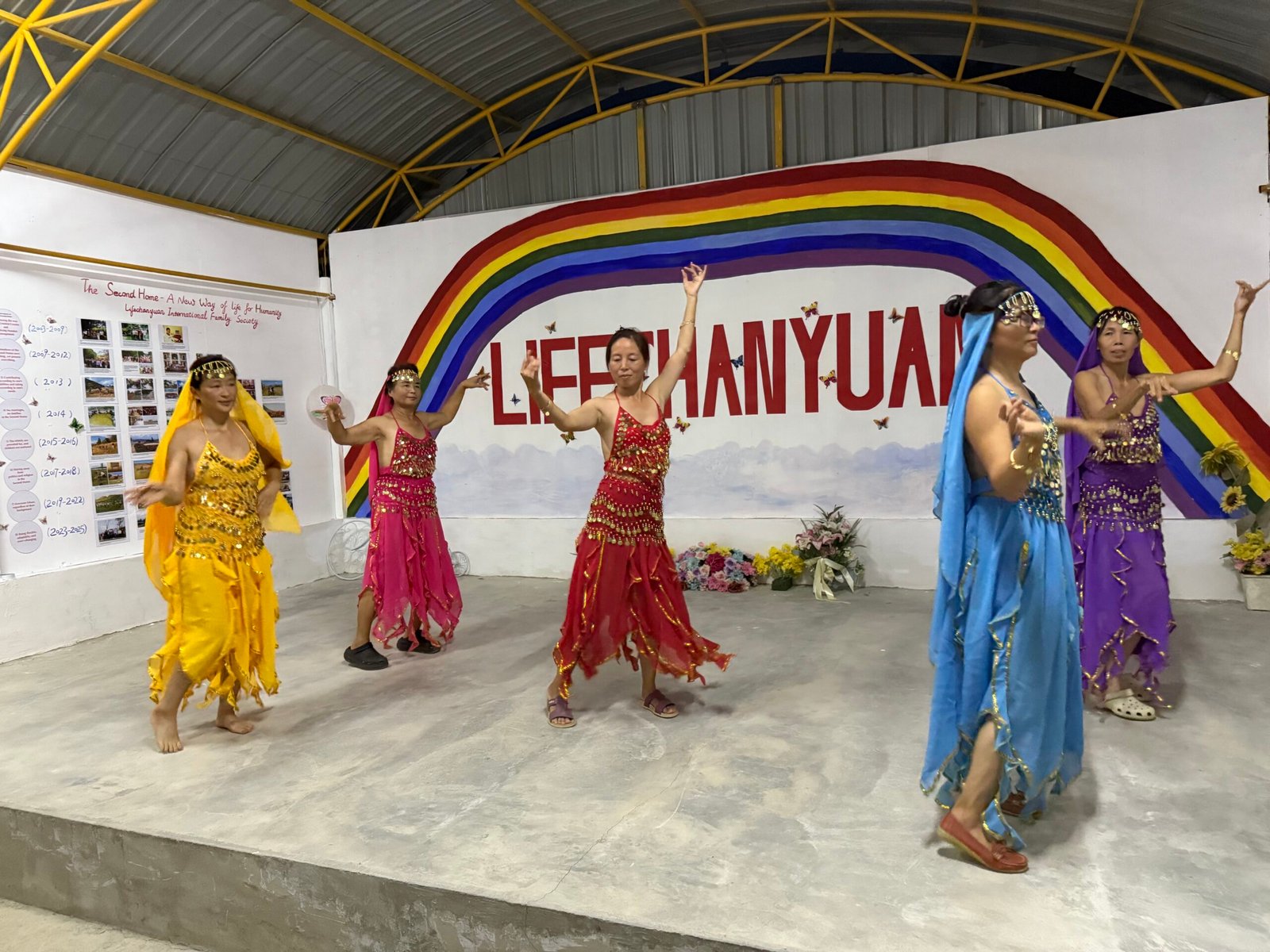
In September 2025, I visited the Second Home of Lifechanyuan, a spiritual intentional community living near the Thai border with Myanmar. Lifechanyuan is a movement heavily persecuted in China, combining elements from Buddhism, Christianity, utopian ideas about artificial intelligence, and a religious version of communism. My own religious ideas are far from those of Lifechanyuan, yet the welcome I received was among the warmest in my long career as a researcher of global spiritual movements. I felt uniquely at home in the Second Home. The serenity of their communal life, the simplicity of their shared work, and the quiet dignity of their daily rhythms created an atmosphere I had rarely encountered elsewhere. I was looking forward to returning. That hope has now vanished. Lifechanyuan members have been compelled to leave Thailand, and Thai authorities told them that remaining in the country would result in arrest and deportation to China.
Guide Xuefeng founded Lifechanyuan. Its worldview combines spiritual traditions and ethical principles into a communal lifestyle centered on harmony, ecological awareness, and shared resources. Members call themselves Celestials and live in Second Homes, where daily life is organized around organic farming, environmental stewardship, and a non‑marriage communal family structure. They do not engage in political activity, do not charge fees, and do not pursue commercial profit. Their faith centers on the Greatest Creator and on the pursuit of happiness, spiritual growth, and harmonious coexistence with nature. During my fieldwork, I observed a quiet community whose lifestyle was voluntary and based on consent.
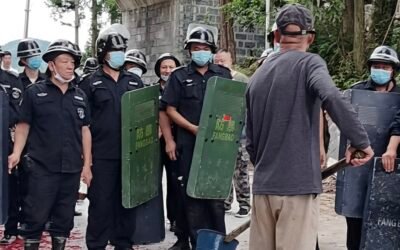
Their peaceful nature has not protected them from repression. In China, Lifechanyuan has been targeted for more than a decade. Between 2013 and 2021, twelve communal sanctuaries were dissolved through utility cuts, harassment of relatives, and administrative pressure. The campaign intensified on April 28, 2021, when hundreds of armed police raided Lifechanyuan communities in Guizhou Province. The Civil Affairs Bureau revoked the movement’s legal status and declared it an unregistered illegal entity. More than one hundred members were detained for “ideological sessions” and placed under surveillance.
In July 2025, repression escalated further. Security forces conducted coordinated sweeps across multiple cities, arresting more than eighty members. Devices were confiscated, online fellowships were shut down, and detainees were pressured to sign statements renouncing their beliefs. Fourteen senior members were held in long‑term pre‑trial detention. On June 15, 2026, the Linzhou Basic People’s Court sentenced several members to prison terms of up to two years and eight months, accompanied by heavy fines, under the charge of “using a xie jiao to undermine law enforcement” under the notorious Article 300 of the Chinese Criminal Code. Released members reported that interrogators stated that international branches would be neutralized through cooperation with foreign authorities.
The Thailand Second Home of Lifechanyuan was not immune to transnational pressure. On May 6, 2024, a member who returned to China because his mother had been injured in a traffic accident was detained at customs and questioned by the Linzhou Municipal Public Security Bureau. Officers produced a group photograph of Thailand Home members and asked him to identify each person. This was the first documented sign that Chinese authorities were actively monitoring the Thailand community.
In September 2025, Chinese police contacted the family of a Thailand Home member and conveyed that if he did not return to China by a specified deadline, they would go to Thailand and forcibly take him back. This message demonstrated that the monitoring had evolved into direct cross‑border pressure.
Between April and July 2026, Thai immigration officials conducted repeated visits to the Thailand Home. They photographed members, their living quarters, and their kitchens. They carried dossiers containing biometric data, flight logs, and online writings. On July 21, 2026, officials issued an ultimatum. They ordered Lifechanyuan members to leave Thailand as soon as possible and warned that failure to do so could result in arrest and deportation to China. Departure deadlines were communicated successively as July 22, July 23, and a final instruction to leave within one week. Officials and intermediaries referred to visa cancellation, detention, and deportation.
This was not an idle threat. Thailand has previously deported dissidents to China, including Uyghurs, and Lifechanyuan members knew that the danger was real.
The community initiated an emergency evacuation. Nine members left Thailand on July 23. The remaining two members, whose passports had been temporarily held at a diplomatic mission for routine visa processing, recovered their documents and departed on July 27. They are now provisionally staying in a third country, where their presence is legal but temporary, and their future is uncertain.
Their situation is a humanitarian emergency. Their return to China would result in arbitrary detention, possible torture, and severe criminal prosecution. The threats made in Thailand and the intelligence monitoring conducted by Chinese authorities demonstrate that China includes Lifechanyuan in the list of spiritual movements it seeks to eradicate.
Canada already hosts a small community of Lifechanyuan members who live peacefully and lawfully. The group now staying in a third country seeks to join their co‑religionists there, obtain asylum in Canada, and rebuild their communal life in safety. As a scholar who has studied Lifechanyuan for years, visited their Second Home, and documented their persecution, I believe asylum should be granted. Their peaceful lifestyle has been criminalized in China. Their refuge in Thailand has collapsed. Their situation in a third country is temporary and unstable. They face a credible and immediate risk of persecution if returned to China.
The story of Lifechanyuan’s Thailand Home is a story of peace confronted by pressure, of a small community forced to flee across borders, and of a spiritual experiment threatened by state power. Their request for asylum is urgent. Their Thai paradise is gone. Their hope now lies in finding a new home where they can live and practice their faith without fear.

Massimo Introvigne (born June 14, 1955 in Rome) is an Italian sociologist of religions. He is the founder and managing director of the Center for Studies on New Religions (CESNUR), an international network of scholars who study new religious movements. Introvigne is the author of some 70 books and more than 100 articles in the field of sociology of religion. He was the main author of the Enciclopedia delle religioni in Italia (Encyclopedia of Religions in Italy). He is a member of the editorial board for the Interdisciplinary Journal of Research on Religion and of the executive board of University of Pennsylvania Press’ Nova Religio. From January 5 to December 31, 2011, he has served as the “Representative on combating racism, xenophobia and discrimination, with a special focus on discrimination against Christians and members of other religions” of the Organization for Security and Co-operation in Europe (OSCE). From 2012 to 2015 he served as chairperson of the Observatory of Religious Liberty, instituted by the Italian Ministry of Foreign Affairs in order to monitor problems of religious liberty on a worldwide scale.