Fresh detentions and sentences show that China’s campaign against this spiritual movement continues.
by Massimo Introvigne
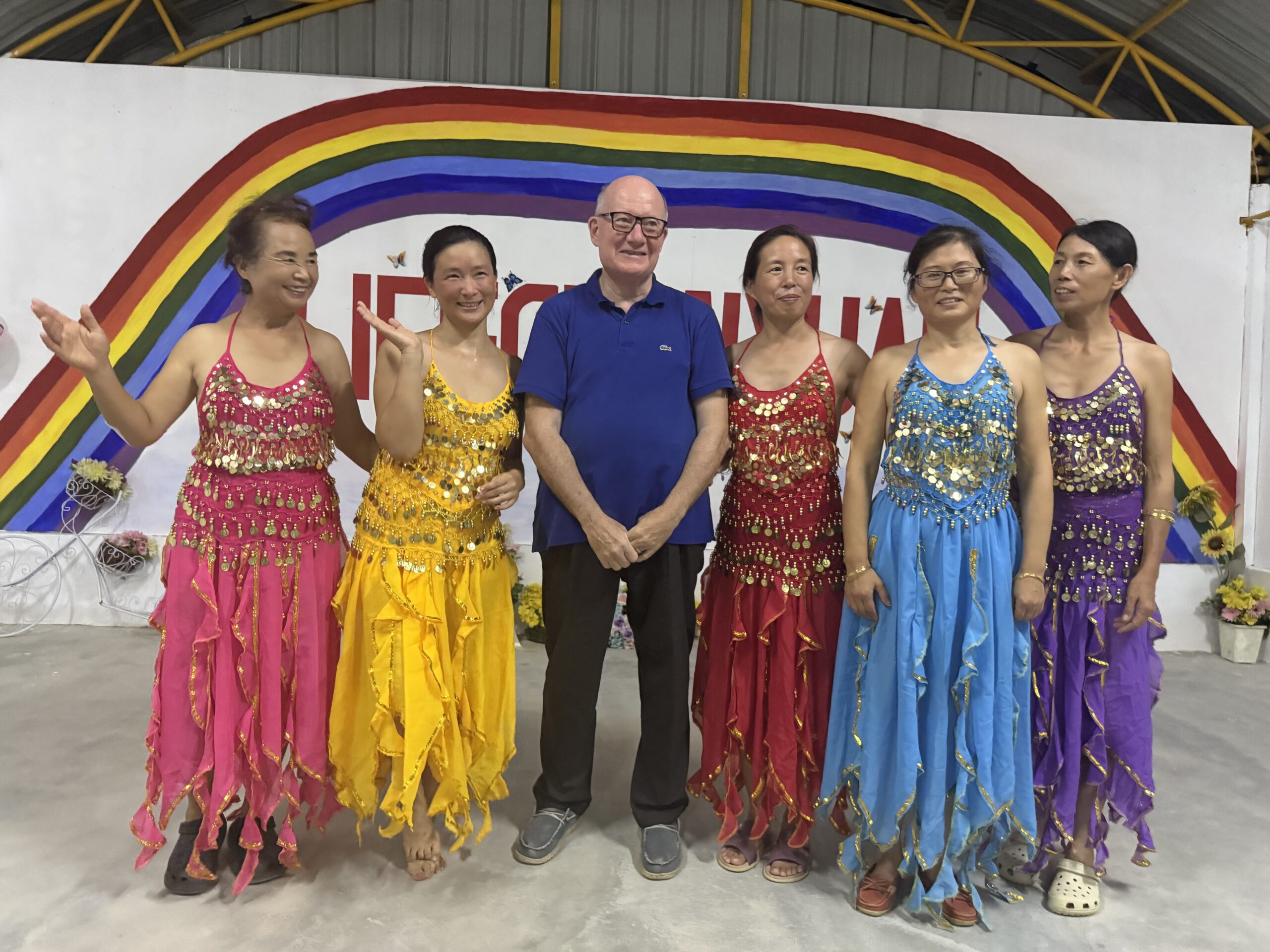
In 2025, “Bitter Winter” published my six‑part scholarly study of Lifechanyuan, the first of its kind. I examined the movement’s origins, its worldview, and its communal experiments known as the Second Homes. I spent several days at the Second Home in Thailand and interviewed several of its members, who call themselves “Celestials.”
Lifechanyuan presents itself as a synthesis of spiritual traditions, ecological ethics, and a vision of harmonious communal life, with elements taken from Communism, Buddhism, and Christianity. It has no formal hierarchy, no membership fees, and no organizational structure in the conventional sense. The Second Home I visited is a voluntary community where members share labor, resources, and daily life. They reject marriage and fixed romantic relationships but not sexuality. In China, the movement was dismantled years ago under pressure from local authorities, yet it survived online and through dispersed personal networks.
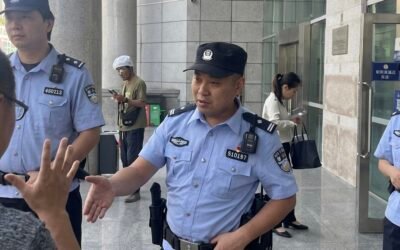
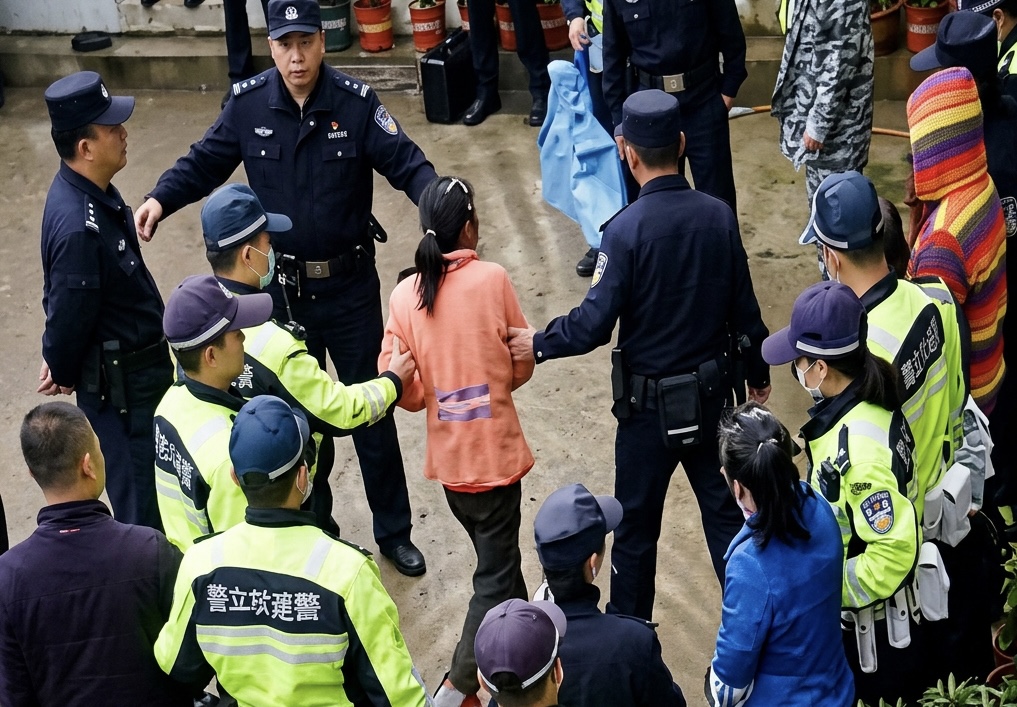
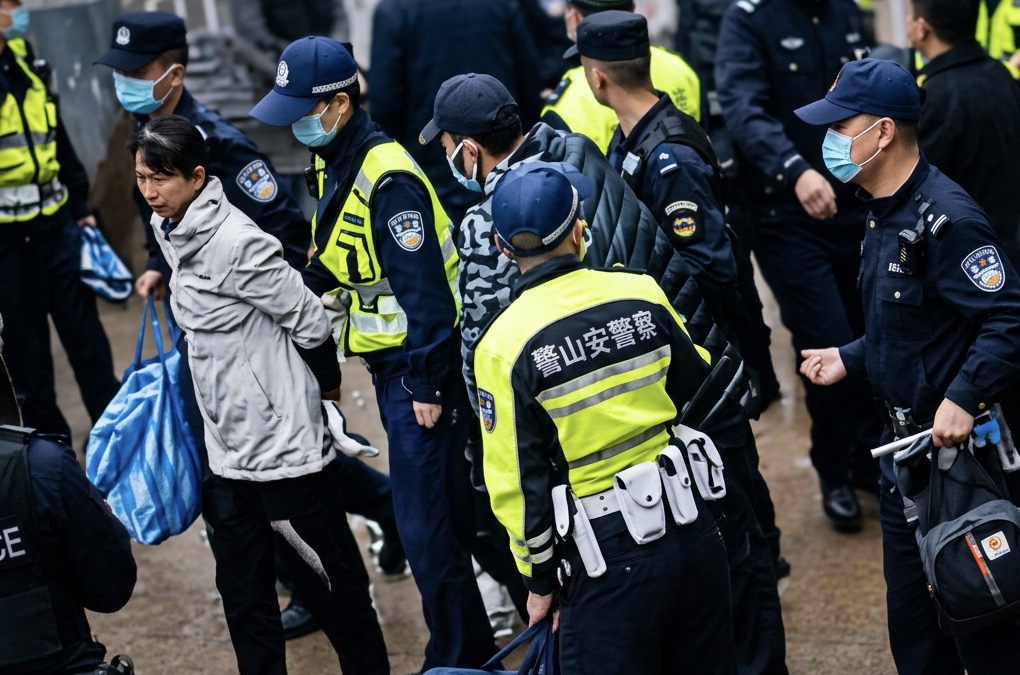
Unfortunately, persecution has not ended. A coordinated operation targeting Lifechanyuan members took place on 2–3 July 2025 across several regions of China. More than eighty individuals were detained, questioned, summoned, or subjected to searches. Some were held for extended periods while criminal proceedings continued. On 15 June 2026, sentencing outcomes involving six members were reported. Reportedly, three received prison terms and fines of RMB 25,000 each. Two received suspended sentences, although their current status has not been independently confirmed. One individual is reportedly still awaiting judgment.
A case dossier prepared by community members summarizes the available information. It includes timelines, witness accounts, and legal questions that remain unresolved. Official judgment documents have not yet been independently reviewed. Requests for access were submitted in mid‑June 2026, and follow‑up documentation is ongoing.
The reported charges rely on the familiar accusation of “using superstition to undermine the implementation of law,” a provision of Article 300 of the Criminal Law frequently used against groups labeled as “xie jiao,” “organizations spreading heterodox teachings” (frequently, but less correctly, translated as “cults”). “Bitter Winter” has documented for years how this article functions as a tool for suppressing unregistered or unconventional religious movements.
Witness accounts describe searches, interrogations, pressure to surrender passwords, compulsory written statements, and concerns about consequences for family members. These accounts require independent verification, yet they are consistent with patterns observed in other cases involving groups accused of illegal religious activity. The legal questions raised by the community are legitimate. Without access to the judgments, however, it is impossible to determine what specific conduct was classified as “superstition,” which laws were allegedly undermined, what evidence was presented, or whether procedural safeguards were observed.
A separate document circulating among Lifechanyuan members offers a lengthy rebuttal to the accusations. It challenges the characterization of Lifechanyuan’s writings, disputes claims of doctrinal distortion, rejects allegations of self‑deification of the founder, and contests the idea that the movement advocates harmful practices. It also questions the legal basis for treating voluntary communal living as an illegal organization.
One aspect of the current case deserves particular attention. Chinese authorities have accused Lifechanyuan of “bewitching” or “brainwashing” members to control them. The irony is difficult to ignore. The term was coined during the Cold War by American intelligence propaganda to describe alleged coercive persuasion practices attributed to the Chinese Communist Party. It has since been widely rejected by scholars as an unscientific and ideologically loaded concept. Yet it continues to appear in Chinese indictments against religious or spiritual minorities, including in cases involving xie jiao. Its use in the Lifechanyuan case reflects a broader pattern in which contested psychological theories are deployed to justify criminal charges against groups whose beliefs or lifestyles diverge from state‑approved norms.
Lifechanyuan’s communal experiment, whatever one thinks of its theology or its social model, does not involve violence, coercion, or political agitation. Yet the new sentences suggest that the authorities remain determined to suppress any revival of the movement in China, even in dispersed or informal forms.
As a scholar who has studied Lifechanyuan in depth, I believe that the current situation deserves careful monitoring. The lack of transparency surrounding the judgments, the reliance on vague legal categories, and the use of rhetoric historically associated with ideological campaigns all raise concerns. The individuals sentenced in June 2026 appear to have been punished for their association with a spiritual movement and for participating in a communal lifestyle that the authorities disapprove of. This is a troubling development for anyone concerned with freedom of belief, freedom of association, and the right to pursue alternative forms of community.
The story of Lifechanyuan is not only about a small spiritual movement. It is also about the broader question of how China treats unconventional religious expressions and how easily the boundary between belief and crime can be redrawn. The new sentences show that the pressure on Lifechanyuan has not ended. It is important that the international community, scholars, and human rights organizations continue to follow this case and seek access to the official documents that would allow for an independent assessment of what has happened.
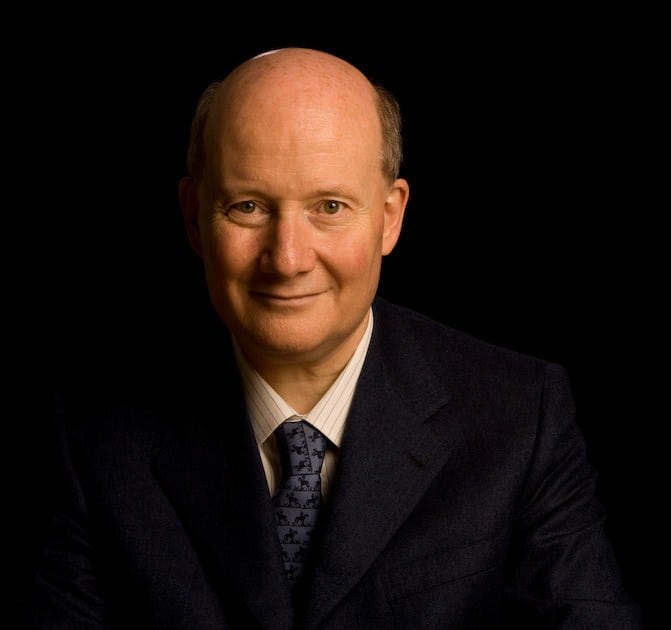
Massimo Introvigne (born June 14, 1955 in Rome) is an Italian sociologist of religions. He is the founder and managing director of the Center for Studies on New Religions (CESNUR), an international network of scholars who study new religious movements. Introvigne is the author of some 70 books and more than 100 articles in the field of sociology of religion. He was the main author of the Enciclopedia delle religioni in Italia (Encyclopedia of Religions in Italy). He is a member of the editorial board for the Interdisciplinary Journal of Research on Religion and of the executive board of University of Pennsylvania Press’ Nova Religio. From January 5 to December 31, 2011, he has served as the “Representative on combating racism, xenophobia and discrimination, with a special focus on discrimination against Christians and members of other religions” of the Organization for Security and Co-operation in Europe (OSCE). From 2012 to 2015 he served as chairperson of the Observatory of Religious Liberty, instituted by the Italian Ministry of Foreign Affairs in order to monitor problems of religious liberty on a worldwide scale.