Zhengis Reskhan is serving seven and a half years in a Chinese prison. Threatened in Kazakhstan for speaking out, his son fled to Europe with three children.
by Nartay Zhengis
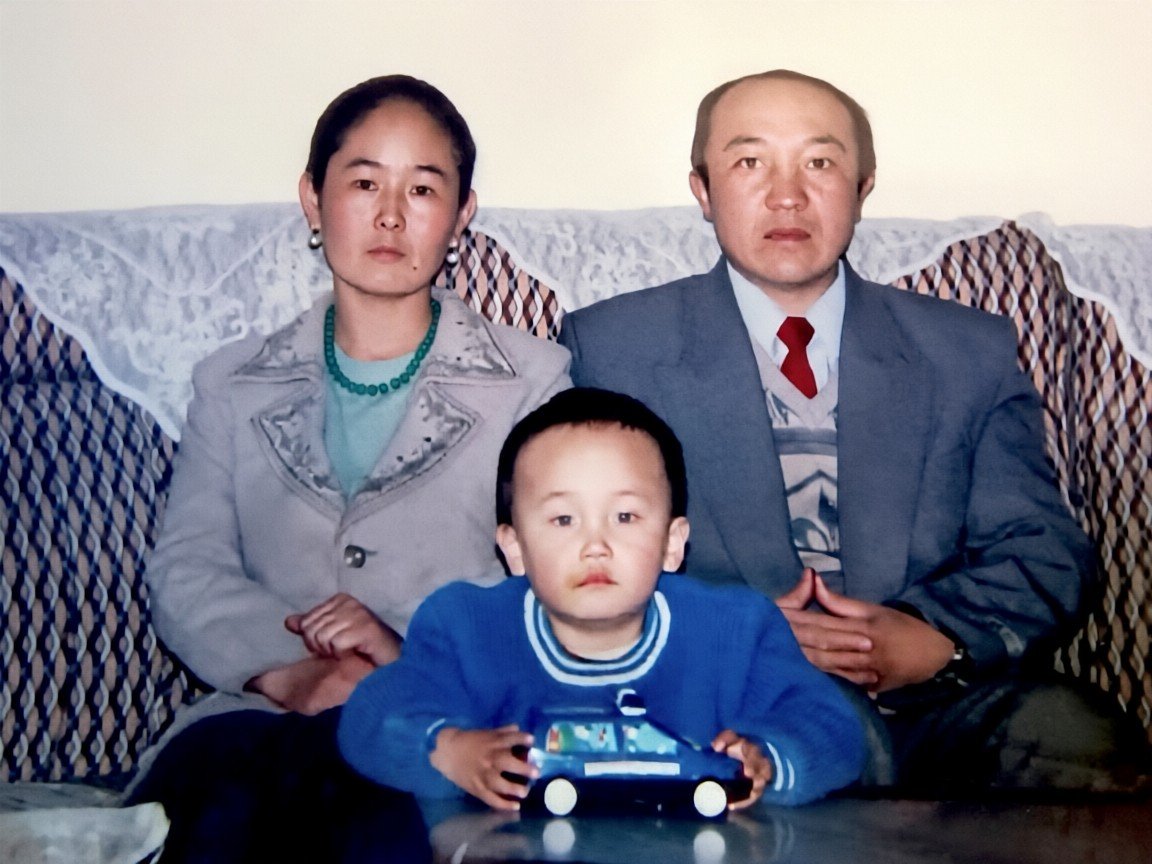
My name is Nartay Zhengis. I am an ethnic Kazakh from Xinjiang, China, and I am writing from Norway, where my wife, our three children, and I are seeking international protection. I want to tell the story of my father, Zhengis Reskhan, and of what happened to my family after I refused to stay silent about him.
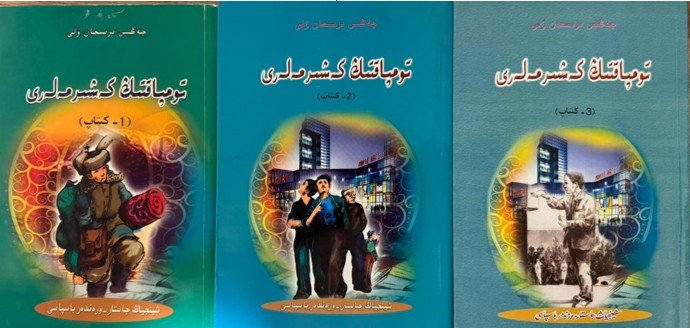
My father was born on June 18, 1968. He is a prominent Kazakh writer from Xinjiang who has devoted many years to literature, using it to express his ideas and to write about Kazakh culture. In March 2026, the Chinese authorities took him away. For a long time, our family could obtain no reliable information about him. He remained in detention during the following months, and we could neither communicate with him normally nor learn anything about his situation through ordinary legal channels. No complete, official record explained to us the charges against him, the facts of the case, or how his trial was conducted.
I later learned that he had been sentenced in secret to seven years and six months in prison. According to the latest information available to me, he still has six years and ten months to serve. To this day, we have no complete copy of the judgment and cannot verify all the details of the case. Even as his son, I have been unable to establish exactly what he was charged with or whether he received a fair trial. I find this impossible to accept. What could a writer have done to warrant a secret trial and the denial of his family’s right to know what happened?
I was once a Kazakh high school student in Xinjiang. Like many other students in China, I went through the Chinese education system, studied Mandarin, and took part in school activities. I believed that people who obeyed the law, lived quietly, and did no harm to anyone could lead peaceful lives. In 2017, I left China and moved to Kazakhstan. For nearly a decade afterward, I was unable to return to my parents. They continued to live in China while I started a family of my own in Kazakhstan, and none of us knew whether we would ever be reunited.
Kazakhstan was supposed to be the place where I could give my wife and children a normal life. While living there, however, I learned of ethnic Kazakhs in the country who had been detained and sentenced for opposing the Chinese authorities’ ethnic policies, or simply because they were regarded as anti-China. I also learned of cases in which Chinese authorities apprehended Kazakhstani citizens across borders. These stories made me increasingly worried that Beijing’s pressure could follow ethnic Kazakhs even after they had left China and acquired another country’s citizenship. My own experience made that fear real.
After my father was detained, I sought help from international human rights organizations, journalists, and relevant institutions, and I raised his case through diplomatic channels. I wanted to find out where he was being held, what he had been charged with, and whether he would receive a fair legal process. The more I searched for him and spoke publicly, the more pressure my family and I came under. Unidentified individuals threatened and intimidated me. Government officials in Kazakhstan summoned me for questioning about my contacts with international organizations, media outlets, and individuals involved in the case. I found these conversations unsettling. I could not understand why a son trying to locate his detained father would draw such scrutiny.
Most frightening of all were the warnings that I might be sent back to China. They reached me more than once and through several independent channels, and I was also directly threatened with being returned there. By then I was a citizen of Kazakhstan and no longer a Chinese citizen, yet I could no longer be sure that my citizenship would protect me and my family. I feared that I would be forced to return to China, lose my freedom, and never be reunited with my wife and children.
My mother had been an important source of news about my father’s case. Several months ago, I lost all contact with her. To this day, I have been unable to establish what has happened to her or whether she is safe. With my father in detention and my mother unreachable, I cannot tell whether I will ever see my parents again. I have no ordinary way to reach them, and I cannot return to China to look for them.
I wonder whether the authorities will continue to target my family and whether my speaking out will expose them to further pressure. Losing contact with one’s parents is painful enough. I also live with constant fear for their safety.
Because of the threats, I eventually decided to leave the life we had built in Kazakhstan and seek protection in Europe. We traveled through Bosnia and Herzegovina, Croatia, Slovenia, and Italy before reaching Norway. The journey would have been difficult for adults alone, and we had three young children with us.
In Croatia, border police detained our family. We were held in unsanitary conditions, lacked basic necessities, and were forced to remove our shoes and go barefoot. While we were in detention, police officers beat me in front of my wife and children. Our children developed serious health problems there. One of them suffered a seizure. The children also experienced vomiting, physical distress, and difficulty breathing. We were terrified that they would not receive the medical care they needed, at the very moment they most needed safety and protection.
The Norwegian authorities are now reviewing our asylum applications, and our situation remains uncertain. Because we passed through Croatia, they may return us there. I have already been beaten by police in front of my family and have watched one of my children suffer a seizure in detention. I do not want my wife and children to go through that again.
I know that an account like mine needs to be verified. I have kept the materials available to me—information about my father’s case, about the threats I received, and the documents I previously submitted to relevant institutions. I have shared them with “Bitter Winter,” and I am ready to share them with those willing to examine our story, in ways that safeguard my family.
Above all, I want the international community to know my father as a person. He is a writer, a husband, and a father, and he has a family waiting for him to come home. I once believed that living peacefully and harming no one would be enough for a quiet life. Today my father has been sentenced in secret, my mother cannot be reached, and I have been separated from my parents for nearly ten years. I do not know how many more decades I have. I miss my father and my mother.
An article may take time to affect my father’s situation. It can give people a chance to learn his name and what he has endured, and it lets our family finally say aloud what we have lived through in fear.
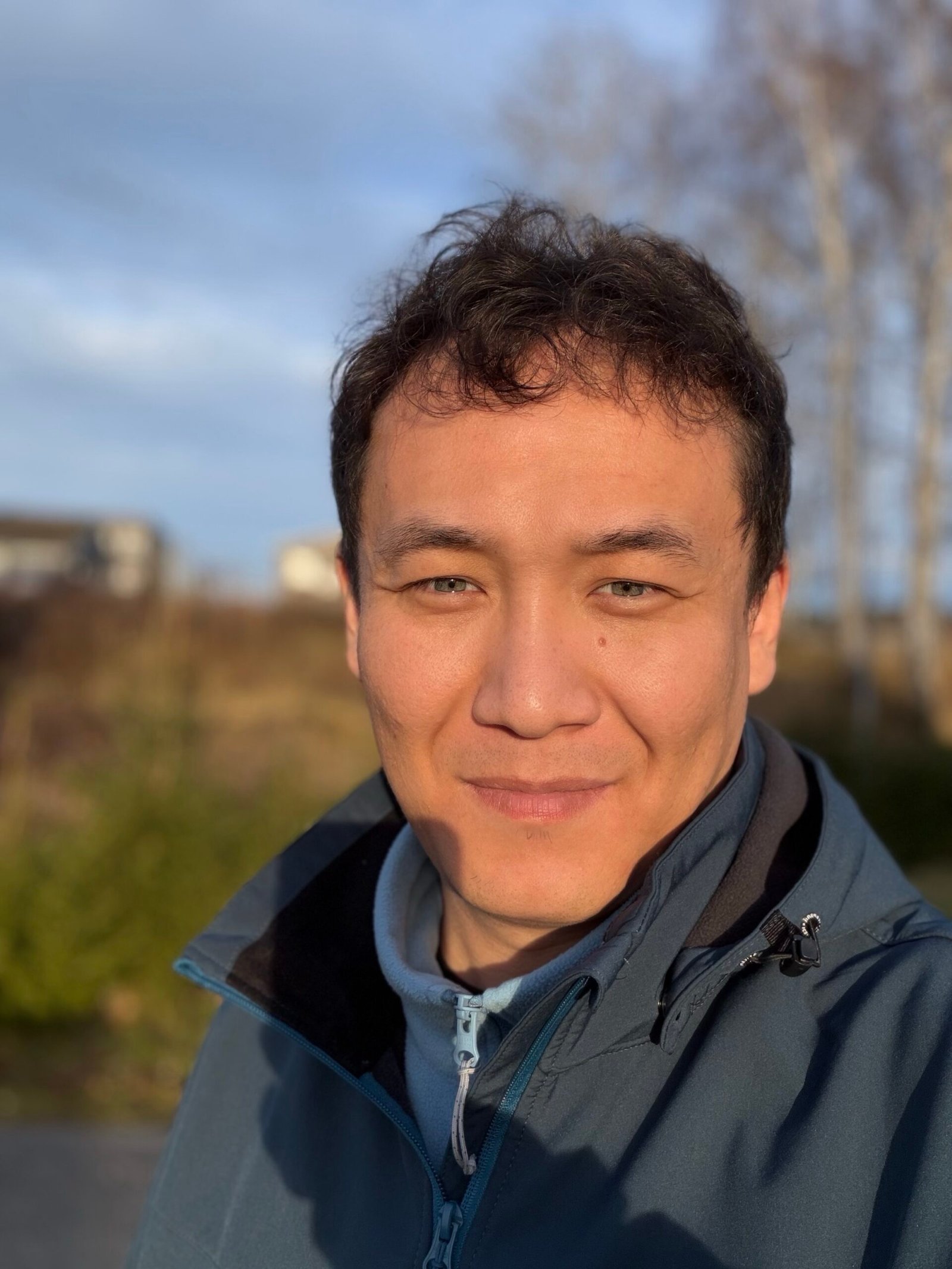
Nartay Zhengis is an ethnic Kazakh born in 1995 in Barkol Kazakh Autonomous County, Hami Prefecture, Xinjiang, where he belonged to the last local high school class educated entirely in the Kazakh language. After studying at Kazan Federal University in Russia in 2016–2017, he left China for Kazakhstan, where he later obtained citizenship, worked in video editing and computer technical services, and started a family. He is the son of the imprisoned Kazakh writer Zhengis Reskhan, for whom he campaigns with international human rights organizations and media. Threatened in Kazakhstan, he fled in 2026 with his wife and their three children to Norway, where they are seeking international protection.