A meeting in Wuxi shows how the Chinese Buddhist Association is mobilizing its committees to complete the transformation mandated by the 2023–27 plan.
by Dong Deming
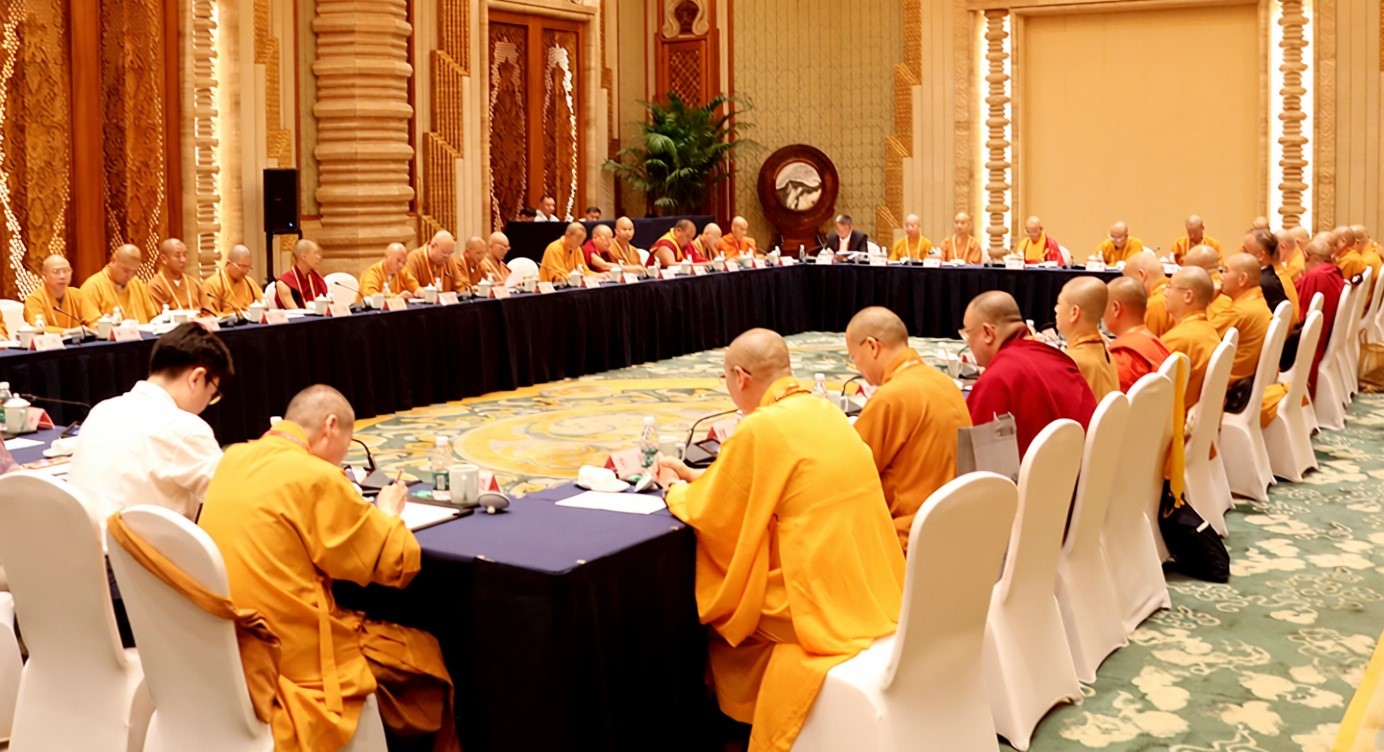
The Sinicization of Buddhism is advancing with renewed intensity. On May 26, the Chinese Buddhist Association convened the directors and deputy directors of its nine specialized committees in Wuxi, Jiangsu. The meeting was presented as a routine gathering, yet its content indicates that the 2023–27 Five-Year Plan Outline for the Sinicization of Buddhism is being implemented and is almost complete. The agenda focused on the political tasks assigned to Buddhism in the current phase of the CCP’s religious policy, and the language used throughout the event reflected the Party’s priorities rather than the concerns of the Buddhist tradition.
The meeting opened with a reminder that the committees are expected to implement the religious directives of the current national planning cycle. The participants were told to deepen their study of Xi Jinping’s statements on religion and to apply the Party’s theory of religious work to every aspect of Buddhist activity. The emphasis on political alignment was constant. The committees were instructed to integrate the decisions of the Party leadership into all professional fields of Buddhist work and to ensure that the direction of Sinicization remains the guiding thread of their tasks.
The Five-Year Plan Outline for the Sinicization of Buddhism was repeatedly invoked as the central framework. The plan calls for the Sinicization of Buddhist thought, scriptures, and institutional life. The plan requires the reinterpretation of doctrine through socialist values, the integration of Confucian and state-approved cultural elements into Buddhist teaching, the restructuring of monastic institutions under Party supervision, the Sinicization of architecture and ritual, the tightening of legal and administrative control, and the mobilization of Buddhism for social governance and ethnic policy.
The Plan requires infusing what the authorities call “excellent traditional Chinese culture” into Buddhist teaching. This happened centuries ago in Chinese Buddhism, but what the CCP means is that Buddhism should be “Confucianized” and adopt from what the Party believes is “real” Confucianism, a sense of subordination of religion to the state.
The meeting in Wuxi confirmed that these elements are now being implemented through the committees responsible for doctrine, education, culture, ethics, and temple administration.
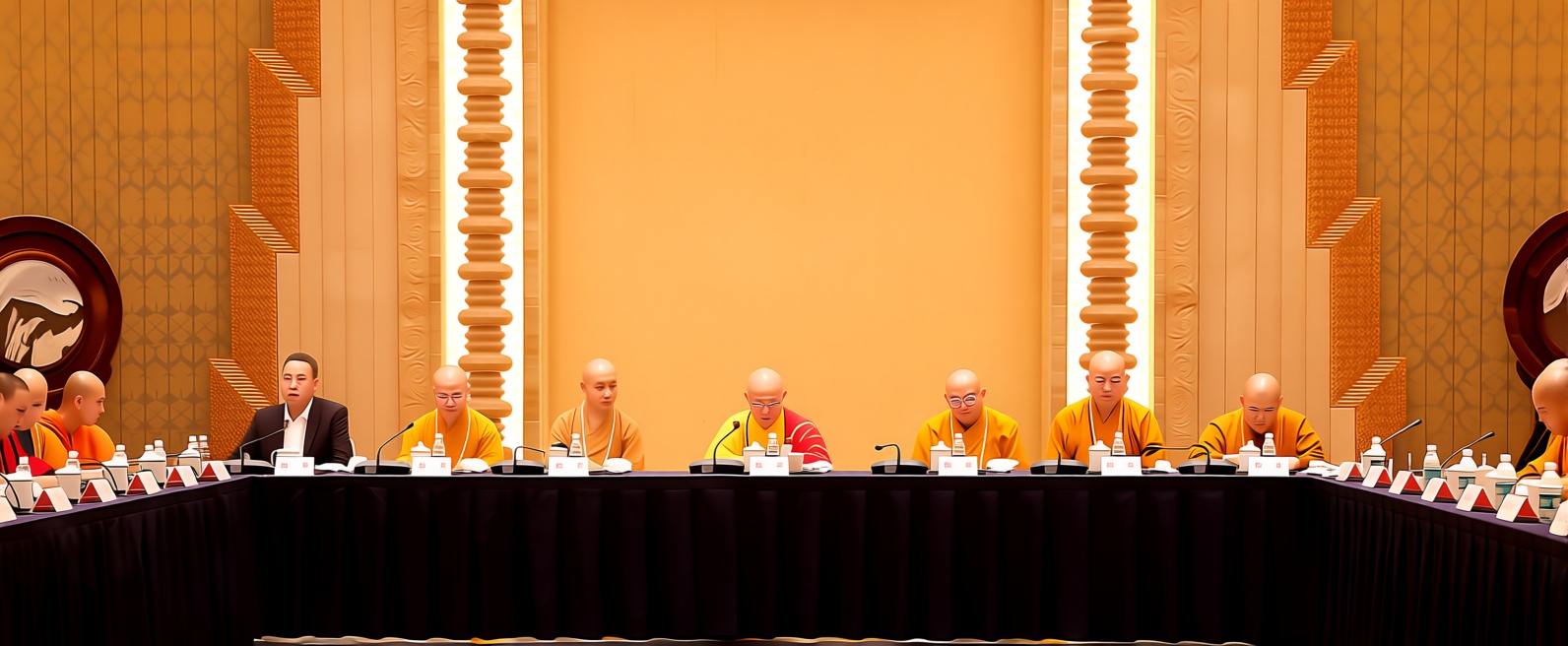
The meeting also stressed the need to strengthen legal governance in Buddhist affairs. The committees were told to enforce regulations strictly, to strengthen discipline, and to promote campaigns such as “study the law, observe the precepts, cultivate virtue, and build a good image.” The call to implement the principle of frugality, to correct what officials describe as unhealthy tendencies, and to maintain a pure and dignified image of Buddhism reflects the broader effort to reshape monastic life in line with state expectations. The Party was also disturbed by recent scandals connected with the lavish lifestyle of some pro-CCP Buddhist leaders. The participants were urged to act as a “key minority” who demonstrate patriotism, compliance, and exemplary conduct.
The committees were instructed to draft their own five-year work plans, aligned with the national plan, and to translate political directives into concrete measures. They were asked to coordinate closely with the departments of the Chinese Buddhist Association, to hold their own meetings within the year, and to ensure that all tasks advance in a unified direction. The speeches delivered by senior monks echoed the same themes: loyalty to the state, commitment to Sinicization, frugality, and dedication to the goals of national rejuvenation.
This meeting offers a clear window into the implementation of the Five-Year Plan Outline for the Sinicization of Buddhism. The Sinicization of Buddhism is a comprehensive political program that reshapes doctrine, practice, and institutional life. The meeting in Wuxi confirms that the Five-Year Plan is now being completed and that, despite recent scandals that plagued it, the Chinese Buddhist Association is fully engaged in carrying out the tasks assigned to it by the Party.

Uses a pseudonym for security reasons.