Zhang Yi is a former leader of the 1989 students’ movement who has continued to defend civic rights despite repeated punishment and torture.
by Lopsang Gurung
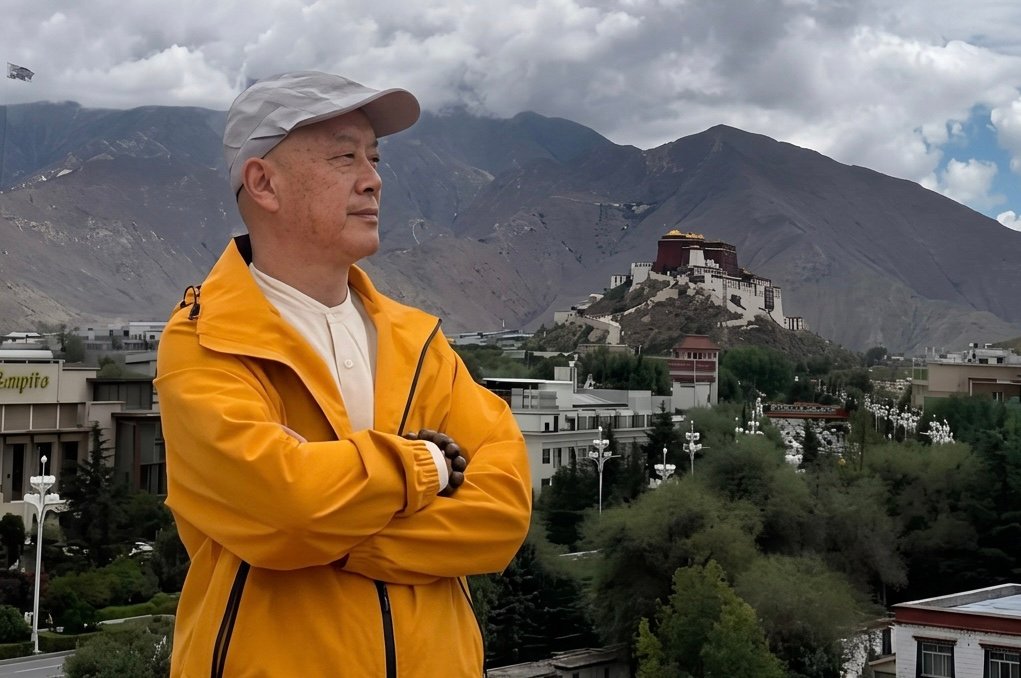
The news that Zhang Yi, a Wuhan activist long monitored by the authorities, has been taken away in Lhasa on July 1 has generated deep concern among both Tibetan human rights activists and those who have followed his trajectory since the late 1980s. His detention occurred during a trip to Tibet that bureaucratic obstacles had already complicated, and it escalated rapidly from an administrative measure to a criminal case. The circumstances of the arrest and the opaque handling of the case suggest that July 1, as the first day of enforcement of the new National Ethnic Unity and Progress Promotion Law, may have offered local authorities an opportunity to demonstrate zeal.
Zhang had traveled to Lhasa with his younger brother after finally obtaining permission to visit Tibet and Xinjiang. The permit had initially been denied, then reluctantly granted after repeated requests. Once in Lhasa, the two brothers visited the Sera Monastery. During the visit, Zhang attempted to borrow a prayer mat from a Tibetan. Because they could not communicate verbally, he showed a photograph of the Dalai Lama on his phone.
Police intervened shortly afterward and took both men away. The brother was released after giving a statement. Zhang was placed under a fifteen‑day administrative detention. On July 18, the seventeenth day of his detention, the family received a call informing them that he had been placed under criminal detention for alleged “incitement.” No formal notice had yet arrived, and the location of his detention remained unknown. The family feared that the timing of the arrest, coinciding with the first day of implementation of the new law, may have made him a convenient target for a display of severity.
Zhang’s life has been shaped by political repression since his youth. Born in Wuhan in 1968, he was a law student at Wuhan University during the 1989 protests and became one of the student leaders in the city. After the crackdown, he was arrested and sentenced to two years in prison for “gathering crowds to disrupt traffic.” He served his sentence in Hongshan Prison, where he suffered torture that left him permanently deaf in one ear. After his release, he continued to express dissenting views and to commemorate June Fourth, which led local authorities to classify him as a key individual for stability maintenance.
Over the years, Zhang remained active in civic initiatives. In 2018, he shared online a photograph of the “symbolic tomb” of Liu Xiaobo and helped organize commemorative activities. He was placed under administrative detention for this. Later that year, he was violently intercepted and beaten by police officers from multiple jurisdictions after refusing to comply with demands related to “stability maintenance.”
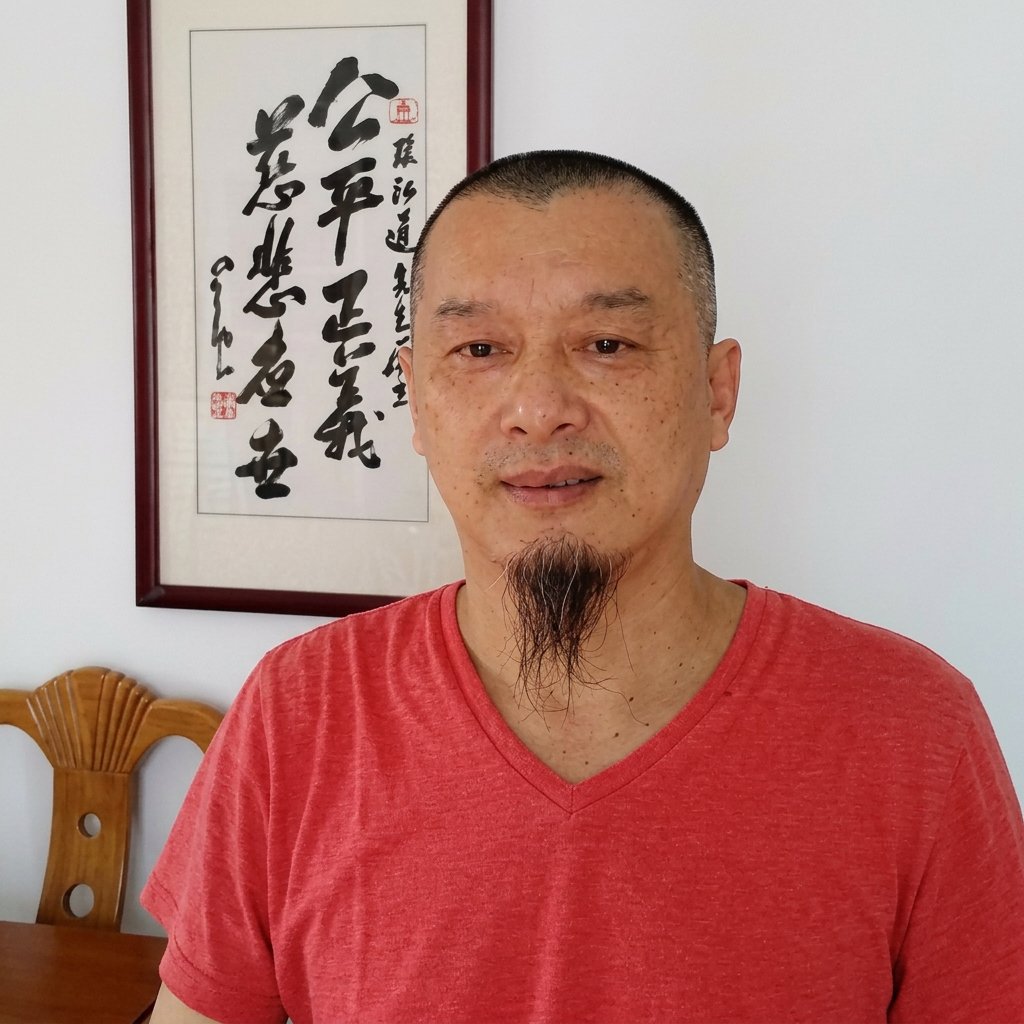
During the COVID‑19 outbreak, Zhang volunteered with the Wuhan Mutual Aid Group, which aimed to support families affected by the crisis. He gave interviews to foreign media, called for the rescue of the detained whistleblower Fang Bin, and supported families of detained activists such as Zhang Hai. These activities led to repeated warnings, interrogations, and threats. Authorities attempted to gather material to fabricate a financial‑fraud case against him. His son, Zhang Hongyuan, who helped him record interviews and document protests against lockdown measures, faced the risk of arrest and eventually left China alone in April 2023 to seek asylum in the Netherlands. Zhang Hongyuan had worked as a field engineer at the Dapu Power Plant in Meizhou, Guangdong, and had caught the attention of the authorities for his work as a translator for a documentary by dissident visual artist Ai Weiwei. He was later involved in the White Paper Movement protesting the COVID lockdowns.
Zhang’s persistence in defending civic rights, commemorating victims of injustice, and supporting others under pressure has made him a familiar figure to those who monitor human rights in China. His sudden disappearance in Tibet, under a law that emphasizes ideological conformity and ethnic unity, has raised fears that he may be used as an example in a new phase of political enforcement.

Uses a pseudonym for security reasons.